
“成为中国人”成2026年中国游热潮:外国游客想体验你的日常生活
核心观点
Becoming Chinese is 2026's viral China travel trend: foreign creators film themselves trying everyday Chinese routines — morning qigong, red date porridge, foot baths — and the challenge is now driving real itineraries. National Immigration Administration data shows 22.914 million foreign entries in H1 2026, up 20.4%, with visa-free entries up over 30%. You can try it in a half-day: park qigong, a hanfu shoot or tailor fitting, a locals-only night market, and a traditional foot bath.
报道正文
The most popular travel content about China right now isn't shot at the Great Wall. It's a Dutch woman doing qigong in the morning light, an American blogger slow-simmering red date porridge, a Brazilian traveler soaking her feet while a Chinese song plays. They are all taking part in "Becoming Chinese" — a TikTok-driven challenge that is turning ordinary Chinese daily life into the country's most-watched travel content.
What "Becoming Chinese" actually is
It started in December 2025, when a Chinese-American vlogger posted a short video introducing Chinese winter wellness habits — TCM concepts, dietary routines, tea culture — and half-jokingly announced: "Starting tomorrow, you're becoming Chinese." The clip passed a million views quickly, and comments filled up with "I want to become Chinese," "this is my ideal life," and "being Chinese looks cool."
Since then, the challenge has spread far beyond one video. Foreign creators film themselves trying Chinese routines: morning qigong (baduanjin) by the window, red date and longan porridge for breakfast, hot water instead of iced drinks, foot baths in the evening. Researchers at Wuhan University's Media Development Research Center studied more than 2,000 original videos under the topic and found that the acceptance of traditional Chinese wellness culture is what keeps the trend growing — especially among young audiences drawn to slower, healthier, more grounded ways of living.
From online challenge to real itineraries
What began on screens is now showing up in travel bookings. National Immigration Administration data shows 22.914 million foreign entries in the first half of 2026, up 20.4% year on year — with 17.815 million visa-free entries, a rise of over 30%. International media and travel trade sources keep pointing to the same shift: travelers who once came for landmarks now want to experience how Chinese people actually live.
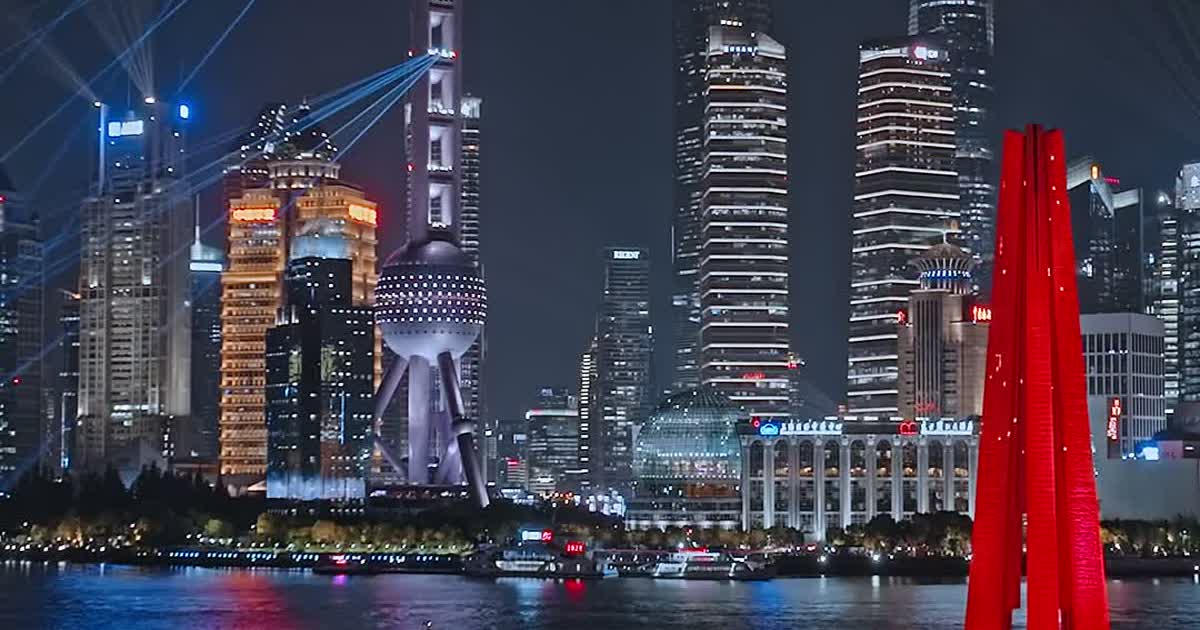
The People's Daily reported that foreign visitors increasingly prefer everyday neighborhood eateries over high-end restaurants, and that some arrivals in Shanghai make a tailor's studio on the South Bund — where they can order a custom tang suit or qipao — their very first stop, before the Bund or the Oriental Pearl Tower. A Chengdu guide with three years of experience with English-speaking visitors describes the same pattern: "They don't want the fancy places anymore. They want the small shops full of local life."
How to try "Becoming Chinese" on your own trip
You don't need to commit to a full lifestyle to dip into it — the challenge works as a half-day itinerary too:
- Morning: join locals in a park for qigong or tai chi before breakfast. Most parks in Beijing, Shanghai and Chengdu have early-morning practice groups that welcome curious visitors.
- Daytime: book a hanfu photo experience in a historic district, or order a custom tang suit or qipao from a tailor — a growing favorite among inbound travelers.
- Evening: skip the fine-dining list and eat where locals eat — a night market, a dumpling shop, a skewer stall with smoke and noise.
- Wind-down: finish with a traditional foot bath or a TCM-style wellness session. Many hotels and bathhouses offer these to guests.
The "Becoming Chinese" trend matters for travelers for a simple reason: the experiences it showcases are affordable, accessible and overwhelmingly welcoming. Where else can you learn a wellness routine in a public park, get custom clothing made in a day, and eat dinner for the price of a coffee back home — all while locals smile, wave and occasionally film you right back?
The bigger picture for 2026 travel
The challenge sits inside a broader wave of China travel content: "China Travel" content has now passed 28 billion views, and "Chinamaxxing" — living a Chinese-style life as a visitor — has crossed 4 billion views on overseas platforms. What these numbers describe is a shift in perception: first-time visitors are discovering that everyday China is itself the experience.
For the growing number of young travelers booking their first China trip, the practical takeaway is simple — put down the checklist, pick up a routine. The best China travel experiences this year are the ones that make you feel, even for an afternoon, like you live here.
ChinaPie brings these experiences together in one place — hanfu photos, tailor fittings, night-market food walks, wellness sessions — with real prices and honest planning notes, so you can build a trip that feels less like touring and more like living.
下一步
Plan a half-day 'Becoming Chinese' itinerary: join morning qigong in a city park, book a hanfu photo or tailor fitting in a historic district, eat at a locals-only night market, and end with a traditional foot bath. Book hanfu and tailor appointments in advance, especially during Golden Week.
可能变化的部分
Park qigong groups, tailor turnaround times, and bathhouse availability vary by city and season; hanfu studios need advance booking during Golden Week. 'Becoming Chinese' routines described here are real cultural practices, but individual workshop prices and schedules should be confirmed with the provider before travel.