
如何规划一份现实的中国行程
核心观点
Group cities by geographic region, use a 2-night minimum per city, account for 5–7 hours of door-to-door transfer time between major cities, and leave buffer days for digital setup. A 14-day first trip should cover at most 3 base cities plus day trips.
正文
最后审核:2026-07-01
为什么中国行程规划不一样
中国不是欧洲。 在欧洲,一周可以游三个国家,因为距离短、基础设施面向游客。在中国:
- 距离会骗人。 西安到成都高铁约 3.5 小时——类似伦敦到爱丁堡。北京到上海约 4.5 小时——类似巴黎到柏林。
- 车站 ≠ 市中心。 北京南站距故宫区域约 30 分钟。上海虹桥站距外滩约 45 分钟。如果行程写“上午 10 点火车,下午 2 点到”,实际损失的是 9 点到 4 点。
- 数字摩擦真实存在。 即使一切设置完成,第一次扫码 Alipay、第一次叫 DiDi、第一次用 Amap 导航都会比预期更耗时。每天为每个“第一次”预留 30–60 分钟额外时间。
- 预约系统没有英文版。 关键景点(故宫:dpm.org.cn,国家博物馆:chnmuseum.cn)只有中文预约门户。你需要翻译工具或朋友帮忙。
第 1 步:选一个区域,而不是清单
最成功的首次中国之旅通常聚焦一个地理区域,走深不走广。中国有四条天然旅行走廊:
金三角(经典首刷)
北京 → 西安 → 上海(10–14 天)
- 北京(4–5 天):故宫、长城、颐和园、胡同
- 西安(2–3 天):兵马俑、城墙、回民街
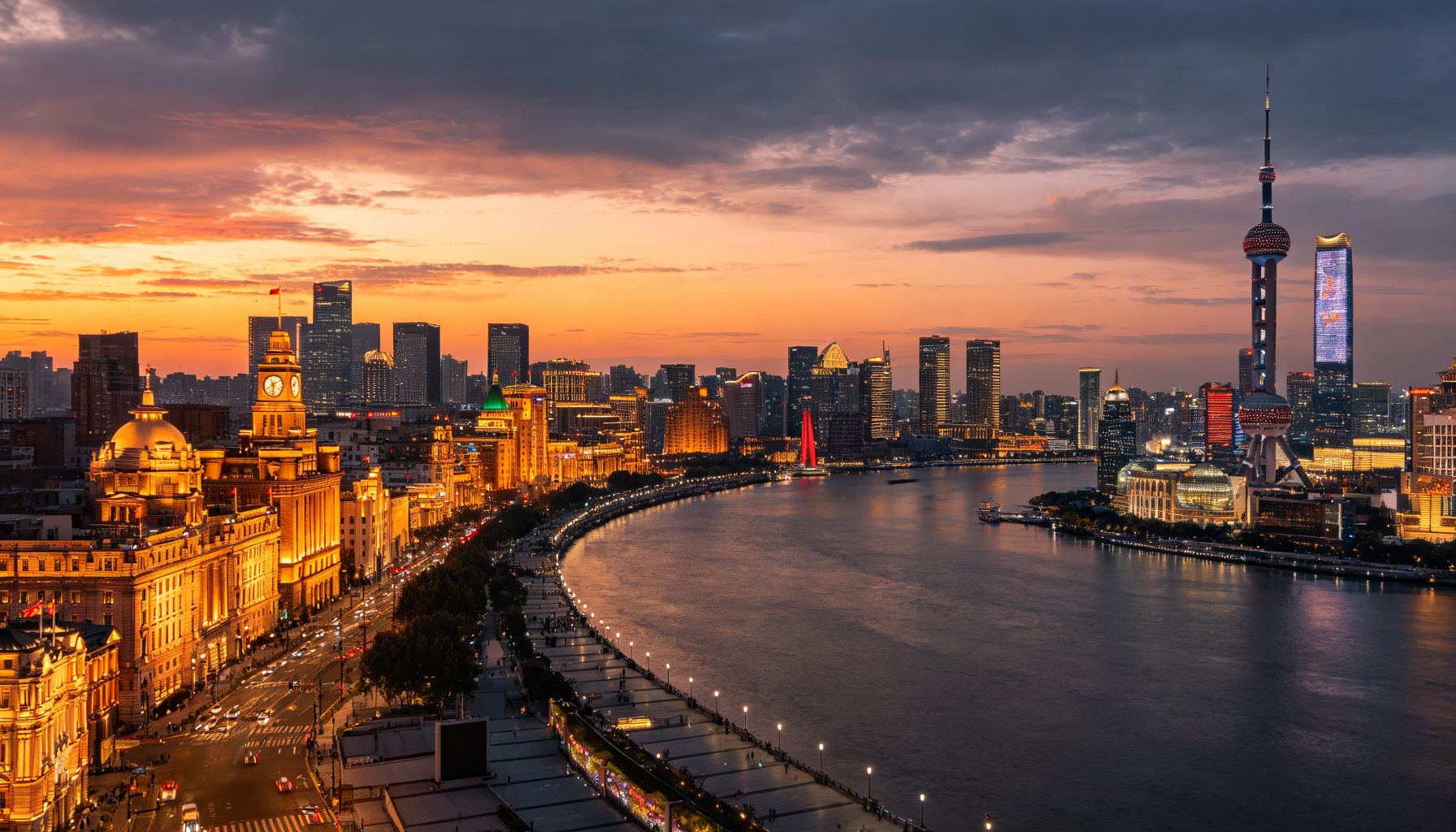
- 上海(3–4 天):外滩、法租界、苏州或杭州一日游
交通:北京→西安火车约 4.5 小时;西安→上海火车约 6 小时(或飞行 2.5 小时)。
南线(温暖且现代)
广州 → 深圳 → 香港(8–10 天)
- 广州(2–3 天):广州塔、沙面岛、早茶
- 深圳(2–3 天):福田 CBD、华强北电子市场、蛇口滨海
- 香港(3–4 天):维多利亚山顶、街市、离岛一日游
交通:广州→深圳火车约 30 分钟;深圳→香港高铁约 14–18 分钟。
自然四川环线(美食与山景)
成都 → 重庆 → 长江区域(10–12 天)
- 成都(3–4 天):熊猫基地、川剧、锦里古街、乐山大佛一日游
- 重庆(2–3 天):山城景观、火锅、长江索道
- 张家界或九寨沟(2–3 天):阿凡达山景或碧绿湖泊
东部舒适区(软着陆)
上海 → 杭州 → 苏州(7–9 天)
- 上海(3–4 天):外滩、博物馆、水乡古镇一日游
- 杭州(2–3 天):西湖、茶园、灵隐寺
- 苏州(1–2 天):古典园林、运河、丝绸博物馆
交通:上海→杭州火车约 1 小时;杭州→苏州火车约 1.5 小时。
⚠️ “大满贯”陷阱: 14 天游北京、西安、成都、桂林、上海和香港不现实。你会有 40% 时间在交通上,记住车站多于目的地。这份清单中每座城市至少需要 2 个整天——算下来,6 城行程需要 18 天以上,还未计入换乘。
第 2 步:使用“至少 2 晚”规则
对行程中每座城市问自己:我是否在这里至少住 2 晚?
为什么 2 晚是底线:
| 每城晚数 | 实际体验 |
|---|---|
| 0 晚(仅一日游) | 交通后约 4–6 小时可用时间。适合附近小城(从上海去苏州,从香港去澳门)。 |
| 1 晚 | 含抵达和离开约 1.5 天。只能看一个主要景点。通常很赶。 |
| 2 晚 | 约 2 个整天。可以看一个主要景点 + 探索一个街区。适合有 2 个以上主要亮点的城市。 |
| 3–4 晚 | 足以安顿、看亮点,并安排“发现日”。推荐用于北京、上海、成都。 |
Reddit 对一晚停留的看法: 像“我的中国行程现实吗?”这类帖子大多得到相同反馈:“少去一座城市,把晚数加给其他城市。”在中国一晚停留尤其折磨,因为车站换乘、入住延误、数字重新定位会吃掉半天可用时间。
第 3 步:计算真实换乘时间
以下是热门城市间门到门旅行的真实样子:
| 路线 | 火车时间 | 车站→市区 | 进站缓冲 | 真实门到门 |
|---|---|---|---|---|
| 北京 → 西安 | 4 小时 30 分 | 30+30 分钟 | 1 小时 | 约 6 小时 30 分 |
| 西安 → 成都 | 3 小时 30 分 | 25+30 分钟 | 1 小时 | 约 5 小时 30 分 |
| 上海 → 杭州 | 1 小时 | 45+20 分钟 | 30 分钟 | 约 2 小时 30 分 |
| 广州 → 深圳 | 30 分钟 | 25+30 分钟 | 30 分钟 | 约 2 小时 |
| 成都 → 重庆 | 1 小时 30 分 | 30+30 分钟 | 45 分钟 | 约 3 小时 15 分 |
| 北京 → 上海 | 4 小时 30 分 | 30+45 分钟 | 1 小时 | 约 6 小时 45 分 |
如何使用这张表: 如果行程写“第 4 天:从北京坐火车去西安,参观兵马俑”,这几乎不可能。兵马俑下午 5:30 左右停止入场,距西安北站约 40 公里。上午 9 点从北京出发,现实到西安市中心可能是下午 3:30——太晚看兵马俑。凡是门到门超过 4 小时的城市换乘,都应预留一整天。
何时改坐飞机: 对于火车超过 5 小时的路线(北京→广州、上海→成都、西安→桂林),2.5 小时飞行可能省下一整天——但要加上机场安检和行李的 2 小时。
第 4 步:安排缓冲日和休息日
数字设置缓冲(第 1–2 天): 抵达中国后的前 24–48 小时会比多数国家更费力:
- 绑定 Alipay/WeChat Pay:扫描护照、身份验证(可能需要重试)
- 激活 eSIM 或测试 VPN:部分 eSIM 需要 30–60 分钟开通
- 熟悉导航 App:Amap 或 Apple Maps 与 Google Maps 手感不同
- 第一次叫 DiDi:输入地址、确认上车点
抵达后至少安排一个轻松日,再处理限时门票(例如不要把故宫 9 点票排在第 1 天)。
计划中的休息日: 超过 7 天的行程,每 4–5 天安排一个“不安排任何事”的日子。用来:
- 从数字疲劳中恢复
- 探索你发现的新街区
- 处理意外问题(银行卡被锁、eSIM 过期、下雨取消户外计划)
- 为下一段行程重新打包
第 5 步:按区域分组景点
每座城市内部,按地理位置把景点集中安排,减少跨城交通:
- 北京: 第 1 天 = 故宫 + 景山公园 + 天安门(中心区域)。第 2 天 = 长城(一整天,任选一段)。第 3 天 = 颐和园 + 奥林匹克区域(西北)。
- 上海: 第 1 天 = 外滩 + 南京路 + 豫园(浦西区域)。第 2 天 = 法租界 + 原法租界 + 新天地。第 3 天 = 浦东 + 上海中心 + 水乡古镇一日游。
- 西安: 第 1 天 = 城墙 + 回民街 + 钟楼(市中心)。第 2 天 = 兵马俑(一整天,东边 40 公里)。
这种分组能减少交通时间,让你步行前往附近景点,既高效,也是体验城市的更好方式。
适合谁
International visitors planning a first or second trip to mainland China who want a practical, step-by-step planning method — especially those who have seen ambitious multi-city social media itineraries and want to know what's actually realistic.
怎么做
Pick one geographic region (Golden Triangle, Southern Circuit, Sichuan Loop, or Eastern Corridor) rather than scattering cities across the map
Apply the 2-night minimum rule — every city on your itinerary must have at least 2 nights, or be a day trip from a nearby base city
Calculate real door-to-door transfer times using the table in this guide — a 4.5h train is actually 6–7h with station transfers and check-in
Allocate a full travel day for any city-to-city transition over 4 hours — do not book timed attraction tickets on the same day as a long transfer
Build in a light first day for digital setup (Alipay binding, eSIM activation, Amap orientation) before relying on timed reservations
Add one flexible/buffer day every 5 days for weather, illness, payment failures, or spontaneous discoveries
Group attractions by district within each city to minimize cross-city transit and maximize walking time
Book exit transportation first, then work backwards to plan the full itinerary — prevents ending up far from your departure airport
常见坑
Packing 5+ cities into a 10-day trip — this is the #1 planning mistake on Reddit and results in spending 40%+ of the trip in transit rather than exploring
Booking timed attraction tickets (Forbidden City 8:30am entry, Terracotta Warriors) on the same day as a long train journey — you will miss one of them
Assuming Google Maps works in mainland China — GPS offset makes it unreliable; pre-install Amap (高德地图) or use Apple Maps which calls Amap data
Waiting until arrival to set up Alipay or WeChat Pay — passport verification can take time and may require retries; do this 3–5 days before departure
Not saving hotel names and addresses in Chinese characters — DiDi drivers and front desk staff may not read English; keep screenshots on your phone
Relying on one payment method — carry at least one backup (second payment app or RMB cash ¥500–¥1000)
Forgetting that major attractions require advance booking — Forbidden City needs 7-day reservation via dpm.org.cn (Chinese only), closed Mondays
Not building a flexible day into the itinerary — one buffer day can save the entire trip from cascading problems when something goes wrong
可能变化的部分
Visa requirements depend on nationality — 38+ countries have unilateral visa-free access (30 days) as of mid-2026, but always verify on the National Immigration Administration website. The 240-hour transit visa-free policy requires a third-country onward ticket (A→China→B, not A→China→A). High-speed rail schedules change seasonally. Attraction reservation windows can shift (Forbidden City has varied between 7–10 days). Payment app foreign card policies evolve — check official app announcements before departure.
备选方案
If your primary itinerary breaks: (1) Missed train — go to the manual ticket counter (人工窗口) for rebooking; foreigners cannot use self-service machines. (2) Sold-out attraction — check Trip.com for guided tours with reserved ticket allocations, or pivot to a nearby secondary attraction. (3) Payment failure — switch backup app (WeChat Pay ↔ Alipay), use cash at hotels and chain stores. (4) Lost internet — use pre-downloaded offline Amap maps; hotel lobbies and shopping malls have free WiFi.
常见问题
How many cities can I realistically visit in 2 weeks?
Three base cities plus day trips is the sweet spot. Four cities is possible if distances are short (e.g., Shanghai–Hangzhou–Suzhou corridor), but you'll feel rushed. Five or more in 14 days is a Reddit cautionary tale.
Should I fly or take the train between cities?
For routes under 5 hours, high-speed rail is better — no airport transfers, security, or baggage delays. For routes over 5 hours (Beijing–Guangzhou, Shanghai–Chengdu), a 2.5-hour flight saves a full day. Morning domestic flights are frequent and generally on time.
Do I need a visa for every city on my itinerary?
If you qualify for visa-free entry (38+ nationalities as of mid-2026), you can visit most cities. However, Tibet (Lhasa) requires a separate Tibet Travel Permit even for visa-free nationals. Some border areas have additional restrictions. Always verify on the National Immigration Administration website.
What's the minimum time I need in Beijing/Shanghai?
Beijing: 3–4 full days minimum (Forbidden City, Great Wall, Summer Palace, one neighborhood). Shanghai: 2–3 full days (Bund area, French Concession, one day trip). Less than this and you'll leave feeling you missed half the city.
Is it realistic to do day trips from Shanghai to Hangzhou or Suzhou?
Yes — both are ~1 hour by high-speed train. A well-planned day trip works: leave by 8am, return by 8pm. But overnight stays let you experience evening atmosphere (West Lake at sunset, Suzhou canals lit up), which is a big part of the experience.
What's the biggest itinerary planning mistake first-timers make?
Treating China like a country you can 'check off' in one trip. China is continent-sized. Plan as if you will return — focus on one region and do it well. Travelers who slow down enjoy China far more than those who try to see everything.