
Hanfu Experience in China: The Viral Transformation Trend First-Time Travelers Keep Booking (2026)
The hanfu transformation trend has passed 143 billion views on Douyin alone. Here's what a hanfu rental and photoshoot actually costs in Xi'an and Chengdu, and why first-time visitors keep booking it.
Key takeaway
A hanfu experience in China costs from about $12–21 for rental with makeup in Chengdu and Xi'an, $65–80 for a full photoshoot package, and runs 3–5 hours including styling. Studios cluster at Datang Everbright City in Xi'an, Jinli/Kuanzhai in Chengdu, Luoyang Old Town and Beijing red-wall courtyards.
Read on
A 100-yuan Outfit Change That Beats Every Souvenir Photo
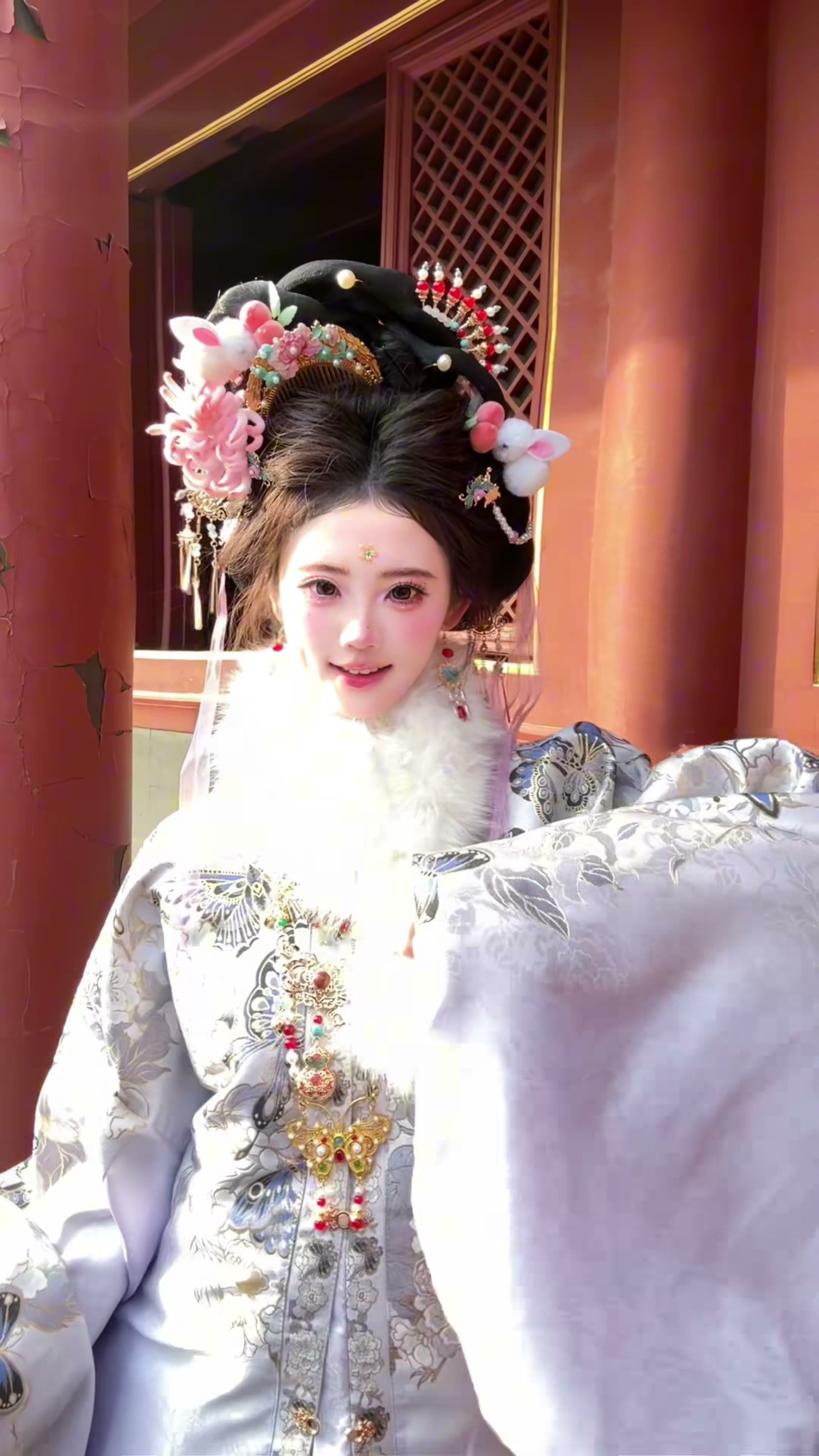
You land in China, open any travel feed, and there they are: travelers in floor-length embroidered robes, standing in front of red walls and tiled rooftops, looking like they stepped out of a dynasty drama. The hanfu transformation trend — a plain-clothes person turns into a fully styled historical figure in a few cuts — is the single most shared kind of China travel content this year. And here is the part that surprises people: you can do it for about 15 US dollars.
The Numbers Behind the Trend
This is not a niche hobby. Xinhua reported in March 2026 that hanfu-related topics have passed 143.5 billion total views on Douyin, with the single "Ming-style hanfu" topic alone at 6.6 billion. On TikTok, the #hanfu hashtag has accumulated roughly 5.8 billion views since early 2026. The format that breaks through everywhere is the transformation clip: a traveler in a hoodie walks into a studio, and ninety seconds later walks out with ornate sleeves, pinned hair and a painted forehead mark, filmed against a lantern-lit street. One widely studied clip — an ancient-to-modern transition built around a Ming-style mamian skirt and embroidered cape, set to the song "Blue and White Porcelain" — passed 120 million views on its own, and HanfuChallenge videos have drawn over 8 billion views on Douyin since late 2022.
The revival is big enough that Xinhua now calls hanfu a hundred-billion-yuan consumer sector in its own right, moving from "a niche curiosity" to everyday choice across age groups. The search interest follows the videos. Visitors now plan trips around a hanfu afternoon the way they used to plan around a museum — which is why studios near historic districts in Xi'an, Chengdu, Luoyang and Beijing have walk-in racks, English-friendly staff and package prices aimed at tourists.
What Actually Happens
A typical session runs three to five hours from door to door, so treat it as a half-day plan, not a photo stop.
- Pick a studio. The best-known clusters sit next to the scenery: Datang Everbright City in Xi'an, Jinli Ancient Street and Kuanzhai Alley in Chengdu, Luoyang's Old Town, Beijing's ancient city walls. English-friendly studios are easy to find through booking platforms and usually reply within the day.
- Choose a style. Studios carry Tang, Ming and Qing-style robes plus modern new-Chinese qipao. Staff help you match a look to your destination — Tang style for the grand pagodas, Ming style for red walls and courtyard doors. Men are not left out: Tang-dynasty warrior and scholar robes are a standard rack, and couples booking together get matched sets.
- Makeup and hair. This is where the transformation happens. Full makeup, pinned-up hair and accessories are usually included in the package. Budget time here; it is the longest step, and it is also the most fun to watch in the mirror.
- Shoot. Walk to the nearby historic street with the costume on. Most packages include a set number of edited photos plus the unedited originals, delivered within a few days. Studios hand you props — round silk fans, oil-paper umbrellas, jade pendants — and staff show you poses if you have no idea what to do with your hands.
- Return. Back to the studio, change, and keep the memory card. Total out-the-door time: about three hours for rental-only, five if you add the full photoshoot.
What It Actually Costs
Prices vary by city and package, but the ranges below are live listing prices from October 2026 — no haggling required.
| City | Rental + styling | With photoshoot | Where it clusters |
|---|---|---|---|
| Xi'an | from $21 (Klook) | ~$80–181 (Klook/GetYourGuide) | Datang Everbright City |
| Chengdu | from ~$12 (Jinli/Kuanzhai listings) | $65.50 for 6 edited photos (Klook) | Jinli, Kuanzhai Alley |
| Luoyang | ¥100–300 rental (typical) | varies | Old Town |
| Beijing | ¥100–300 rental (typical) | varies | Ancient city walls, hutongs |
A walk-in rental in Xi'an runs about ¥100–300 per day depending on the robe class — ¥100 gets you a clean basic set, ¥200–300 the embroidered layered robes that photograph best. Add makeup and hair if they are not included, usually a few dozen yuan more. A full one-hour outdoor shoot with a photographer runs about $123 in Chengdu, and GetYourGuide's Xi'an shoot package with styling sits around €180.
Now do the comparison. A comparable historical-costume photoshoot in a European capital runs 200–400 euros before editing. In China, the same afternoon — costume, makeup, hair, photographer and edited photos — lands around $65–80, often with free cancellation 24 hours out. That is the price gap behind the trend, and it is why visitors keep calling it the best value hour of their trip.
Where to Go First
- Xi'an is the classic first pick: Tang-dynasty styling against Datang Everbright City's lantern streets at dusk is the look behind most viral clips.
- Chengdu is cheaper and more walk-in friendly; Jinli's alleys and teahouses give you a full Chinamaxxing afternoon — costume, photos, then tea.
- Luoyang pairs hanfu with the Longmen Grottoes area and Old Town lanes, fewer crowds than Xi'an.
- Beijing works best around red-wall courtyards and the hutongs near the Drum Tower; morning light keeps the queues short.
What to Know Before You Book
- Book a slot, not just a costume, if you want the photographer. On weekends studios near top photo spots fill up by midday.
- Bring nothing but yourself. Studios provide robes, shoes, makeup and accessories. A translator app with photo mode handles signs and package names.
- Pay by QR code. WeChat Pay and Alipay are standard; most studios also take card at the counter. If you are setting up payments before the trip, our digital payment guide covers it in five minutes.
- Check the cancellation policy. Klook packages list free cancellation with 24 hours' notice; some Xi'an studios are non-refundable, so read the line before paying.
- Dress for the weather. Winter sets come with fur collars and layered robes; summer studios swap in light gauze. Studios will tell you what fits the season.
- Going solo? Fine. Photographers direct the shoot; you do not need a friend behind the camera.
- Give yourself 3–5 hours. Rushing a session is the most common complaint in reviews — the styling step is half the experience.
Why It Fits a Chinamaxxing Trip
The hanfu afternoon is a Chinamaxxing experience in one package: it is hands-on, deeply local, photogenic and cheap. It also solves a real travel problem — after three days of sights, it is the moment you stop looking at China and start being part of a scene. The wider context supports it: more than 60 percent of inbound tourists now cite experiencing Chinese culture as their primary purpose, according to the China Tourism Academy, and 2026 arrivals keep climbing — 61.29 million foreign border crossings from January to August, up 19.5 percent year over year, with visa-free entries now accounting for 77.6 percent. The hanfu studio is exactly the kind of experience those travelers are booking instead of a third museum.
One traveler's review pattern repeats everywhere: the photos get posted first, the story gets told at dinner, and the memory outlasts half the itinerary. Plan the practical side first — train tickets, hotel, one or two landmarks — then spend one afternoon on the robes. For itinerary and budget planning with prices in your currency, try the China trip planner, then head straight to the studio rack.
Quick Answers Before You Go
Is hanfu the same as a costume rental? Not exactly. Hanfu is a full historical garment system — Tang, Ming and Qing dynasties each have distinct cuts, collars and fabrics — and the revival has moved it from "a niche curiosity" into everyday wear in China, per Xinhua's 2026 reporting. What you rent at a studio is a styled, camera-ready version of that tradition, handled by staff who know which dynasty fits which backdrop.
Do I need to speak Chinese? No. Studios near tourist districts keep English-friendly staff, and a translation app with photo mode handles package names, sign-up forms and price lists. The shoot itself needs no words — photographers direct with hand signals.
Can I keep the robe? Rental packages are for the day. If you want to take a piece home, some studios and tailors sell custom pieces; in Chengdu, qipao and hanfu tailors near markets say overseas orders now make up a meaningful share of monthly work, so a made-to-measure robe is a realistic souvenir for around the price of a dinner and a show.
Do men wear hanfu too? Yes — warrior, scholar and Tang-dynasty official robes are standard racks, and couples regularly book matched sets for joint shoots. There is no minimum group size; solo travelers shoot fine on their own.
When is the best time to go? Late afternoon into dusk. Daylight shots work anywhere, but lantern districts like Xi'an's Datang Everbright City peak visually after sunset, and evening light keeps the colors on your robe true in photos.