
China Travel 2026: Tourists Are Leaving the Big Cities for Small-Town Experiences
The 2026 China Tourism Industry Impact Report confirms the shift: foreign visitors now reach nearly 500 cities, homestays span 330, and county-level pre-orders are up 50%+. How to do the small-town China experience.
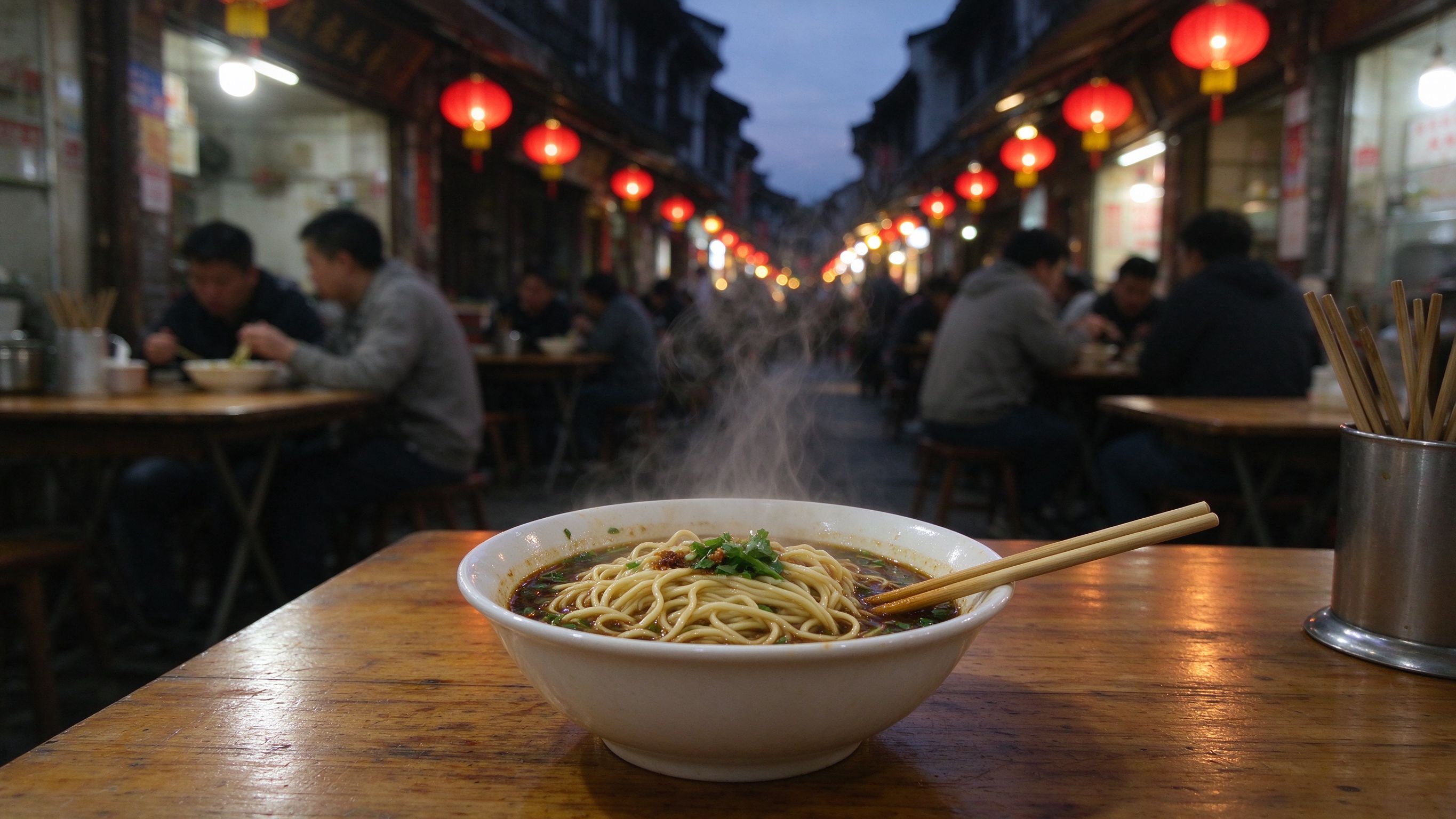
Key takeaway
The 2026 China Tourism Industry Impact Report (Oct 18, Wudang Mountain) confirms inbound travel is decentralizing: foreign visitors reach nearly 500 Chinese cities; H1 2026 arrivals 22.91 million (+20.4%) with visa-free entries near 80% (+30.6%); travel service exports RMB 229.2bn (+31.1%); TikTok 'China rural travel' topics passed 5 billion views. Platform data agrees (Qunar: Yining/Nyingchi +6.3x flights; Tujia: homestays in 330 cities, Urumqi +60%, Linfen/Liupanshui +57%). Ministry of Culture and Tourism: inbound travel shifting 'from seeing China to experiencing China'.
Full report
The clearest sign yet that China travel has stopped being a big-city story landed on October 18 at the 13th China Tourism Industry Development Annual Conference in Wudang Mountain. The 2026 China Tourism Industry Impact Report says foreign visitors now reach into almost 500 Chinese cities — and the shift is showing up in real booking data, not just hashtags.
What the report says
- H1 2026: 22.91 million foreign arrivals, up 20.4% year on year; visa-free entries made up nearly 80% of them, up 30.6%. Travel service exports hit RMB 229.2 billion, up 31.1%.
- Footprint: inbound travelers have covered close to 500 Chinese cities, moving beyond Beijing and other first-tier hubs into county-level destinations.
- On social: "China rural travel"-related topics have passed 5 billion views on TikTok.
- Behavior: foreign visitors are practicing baduanjin, following Chinese dramas, and signing up for cultural experiences, tech tours and shopping trips. As one report author put it, "Chinese-style living is becoming a lifestyle tourists actually experience."
The booking data agrees
Independent platforms back the trend with numbers:
- Qunar: flights by foreign tourists to Yining and Nyingchi grew 6.3x this summer; Datong 2.8x; Dunhuang over 1x; Xuzhou and Yichang over 5x.
- Tujia homestays: foreign guests stayed in homestays across 330 cities in H1 — every province and region covered. Urumqi orders grew 60%, Linfen and Liupanshui 57% each. Average summer stay stretched to 4.7 nights, nearly matching hotel stays in Beijing and Shanghai.
- County-level travel pre-orders were up more than 50% year on year this Golden Week season.
The pattern is consistent: visitors who used to tick off the Great Wall are now spending nights in small towns, walking wet markets, and booking homestays in places like Yangshuo.
Why this matters for 2026 travelers
The Ministry of Culture and Tourism's industry chief summed up the direction: inbound travel is shifting "from seeing China to experiencing China." Tourists are going down lanes and into factories, tasting street food and checking out frontier tech — the ordinary, livable version of the country.
There's still a gap the industry is openly talking about: stays are too short and spending too shallow. The official advice is to lean into scarce, deep experiences — intangible heritage, villages, food culture, specialty industries — and to make shopping easier with wider tax-refund coverage. That's good news for anyone planning a trip: the supply of high-value, low-cost experiences is only growing.
How to get the small-town experience
- Use your visa-free window for the deep cuts. The 240-hour transit policy now covers 65 ports across 24 provinces — far beyond the first-tier cities — and 50 countries hold unilateral visa-free entry.
- Book trains, then homestays. High-speed rail connects most county-level towns to the big hubs; homestay platforms are where the small-town stays actually are.
- Set up Alipay or WeChat Pay with a foreign card before you arrive — street stalls and village shops run on phone payments.
- Pick one niche and go deep: ceramics in Jingdezhen, night-market crawls in Changsha, Miao villages in Guizhou, mountain staircases in Zhangjiajie. Our Zhangjiajie guide, Basha Miao village guide and Changsha night-market crawl all start with the same 240-hour visa-free entry.
The takeaway
The 2026 report makes it official: China travel's center of gravity is moving out of the megacities and into the small towns. For travelers, that means cheaper flights, emptier streets, deeper experiences — and the same visa-free math as before.
Sources: 2026 China Tourism Industry Impact Report, released Oct 18 2026 at the 13th China Tourism Industry Development Annual Conference (Wudang Mountain); China News Service (Oct 18 2026); Ministry of Culture and Tourism; Qunar, Tujia and Ctrip platform data cited in People's Daily Online (Jul 14 2026), China.com.cn Travel (Aug 7 2026) and Global Times/Xinhua (Sep 15 2026).
What to do next
Use the visa-free window for deep cuts: 240-hour transit covers 65 ports across 24 provinces, 50 countries hold unilateral visa-free entry. Book high-speed rail to county towns, homestays for small-town nights, set up Alipay/WeChat Pay with a foreign card before arrival, and pick one niche (ceramics, night markets, Miao villages, mountain trails) rather than a big-city circuit.
What may vary
Report figures are national aggregates and may be revised; platform growth rates are YoY comparisons from cited press coverage; visa-free eligibility depends on passport nationality; individual city trends vary by season.