
Why Travelers Are Packing Empty Suitcases for China: The 2026 China Travel Shopping Trend
Inbound visits to China hit 61.29 million in Jan-Aug 2026 (+19.5%). Why travelers now pack empty suitcases — shopping, experiences and prices 1/5 of home. Start planning on ChinaPie.
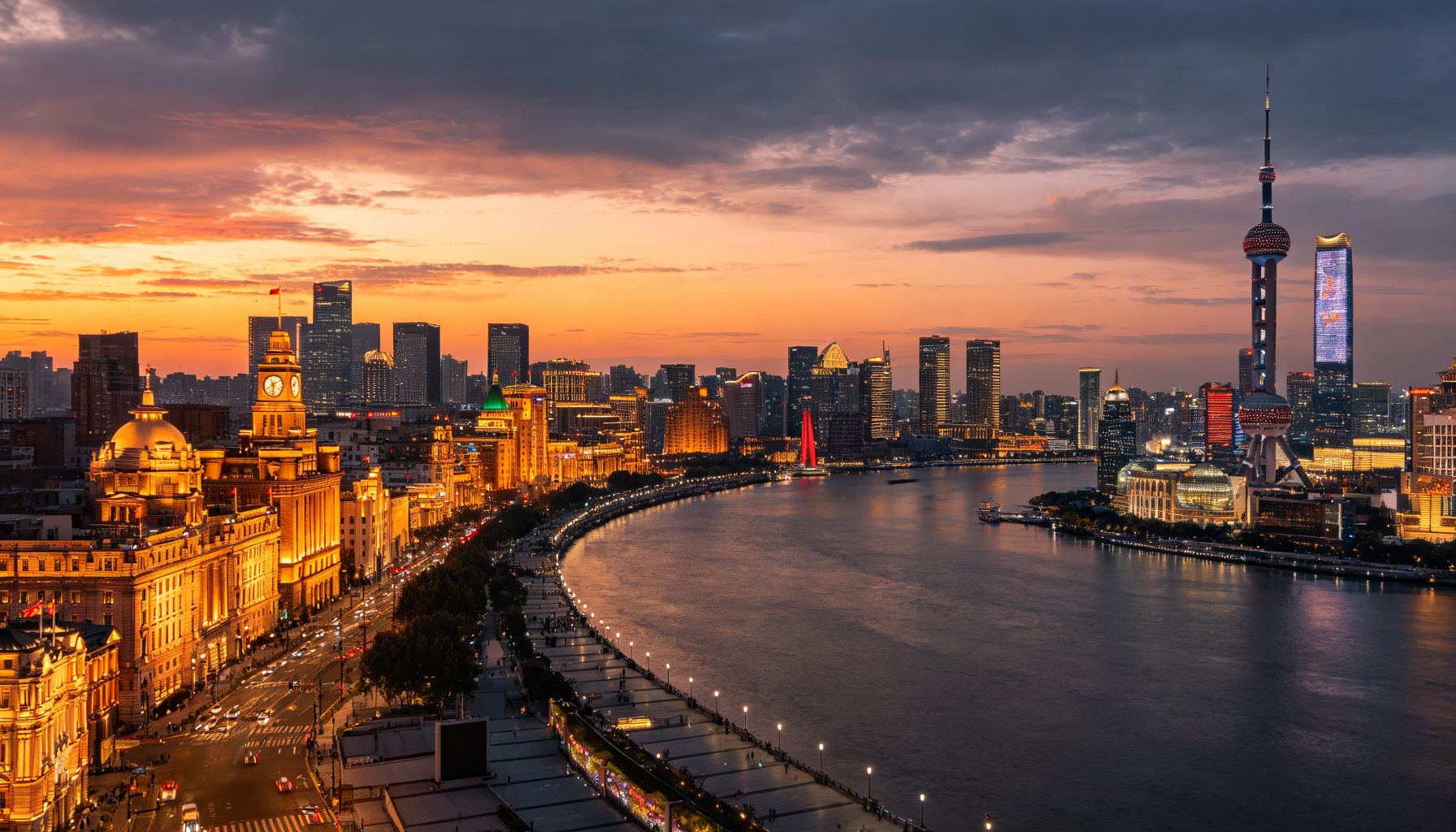
Key takeaway
Inbound travel to China is booming — 61.29 million foreign border crossings in Jan-Aug 2026, up 19.5% year-on-year, with visa-free entries at 23.72 million (+26.8%). The latest trend is the 'empty suitcase' trip: travelers arriving with luggage space to buy local fashion, crafts, tea and tech accessories, and to book experiences like hanfu photoshoots, teahouses and hotpot nights at prices often 1/5 to 1/10 of what they pay at home.
Full report
The phrase spreading through China Travel content this year is a simple one: bring an empty suitcase.
It started as a joke in viral videos — travelers landing with half-empty luggage and flying home with it packed — and it has turned into a real planning habit. The numbers explain why. Foreign nationals made 61.29 million border crossings between January and August 2026, up 19.5% from a year earlier, according to the State Council Information Office. Visa-free entries hit 23.72 million, a 26.8% jump, and now account for roughly 77.6% of all foreign arrivals. During the National Day holiday alone, 682,000 foreign visitors entered the country, and 505,000 of them came in visa-free.
The price gap is the real draw
The empty-suitcase trend is not about luxury malls. It is about the gap between what a day of experiences costs at home versus in China. A teahouse afternoon with tea and snacks in Chengdu can run ¥30–60 (about $4–8). A hanfu photoshoot in Shanghai or Xi'an, including rental, hair and a photographer, often lands under ¥300 ($40). Hotpot for two in a mid-range restaurant frequently stays under ¥200 ($28). Comparable experiences in Europe or North America typically cost three to ten times more — which is exactly why visitors book them in bulk once they arrive.
What people actually pack home
The suitcase-fillers fall into a few clear categories. Fashion is first: hanfu, mamianqun skirts and modern Chinese streetwear brands are the most-shared haul items on social media. Craft and food follow — tea, ceramics, silk scarves and packaged snacks are easy to carry and easy to gift. Then there is the electronics and accessories lane, where Yiwu's wholesale markets and Shenzhen's tech districts let visitors stock up on phone cases, earbuds, cables and novelty gadgets at wholesale-level prices.
How to plan an empty-suitcase trip
Keep it simple: choose one city with a strong shopping-and-experience mix, like Shanghai, Chengdu or Guangzhou, and give yourself two extra hours in the itinerary for last-minute buying. Carry a copy of your passport and booking confirmations — some stores ask to see them for tax-refund paperwork. At the airport or high-speed rail port, hit the tax-refund desk before check-in, keep receipts for eligible items, and leave 30 minutes of buffer for the queue. Mobile payment covers almost everything, but a small cash backup helps at street stalls.
The bottom line
China Travel in 2026 is less about checking off sights and more about living cheaply and well for a week. The data backs the shift: more arrivals, more visa-free entries, longer stays. The empty suitcase is just the most visible sign of it.
What to do next
Pick one city and one experience budget: a Chengdu teahouse afternoon, a Shanghai hanfu photoshoot, or a Yiwu shopping day; bundle them with high-speed rail transfers using ChinaPie's city planners, and keep a copy of your tax-refund forms at departure.
What may vary
Visa-free entry lists and stay durations change; check the latest policy for your passport before booking. Crowd levels spike during Chinese holidays (Oct, May, Spring Festival), and some small vendors still prefer cash or QR payment, so carry a small backup.