
China Haul: Why Travelers Fly Home With 3 Suitcases — and the Experiences They Can't Pack | ChinaPie
China Haul — the trend of foreign visitors landing with empty suitcases and leaving with three full ones — is rewriting China travel. But the experiences that actually make people come back don't fit in luggage. Here's what to pack, and what to book instead.
Key takeaway
China Haul 是 2026 年爆火的海外趋势:外国游客空箱入境、满载离境并拍摄开箱视频。官方数据显示 Q3 2026 免签入境 899.2 万人次(+24.1%、占外国入境 77.5%),1-7 月外国人在华消费 2636 亿元(+27.8%)。买得走的是无人机、汉服、零食,带不走的是采耳、茶馆、机器人服务等体验——ChinaPie 可预订后者。
Full report
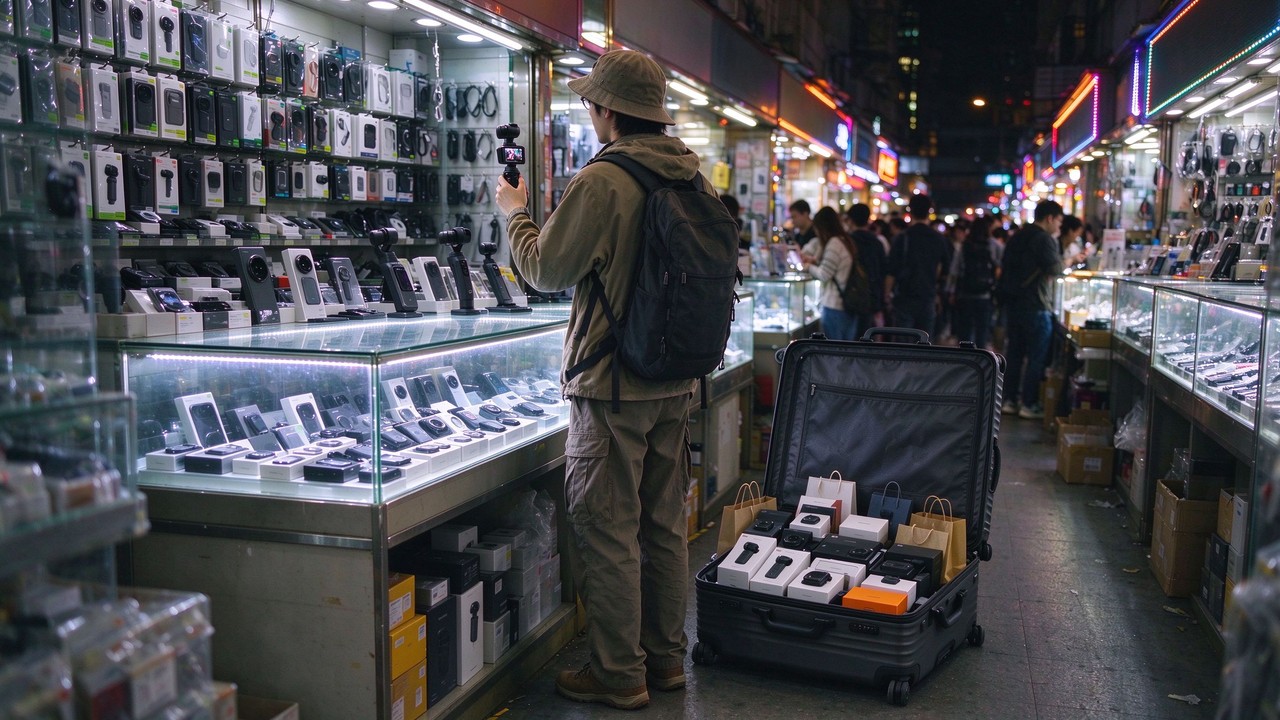
The new rule of China travel, according to the people checking three bags for the flight home: arrive empty. In October 2026, #ChinaHaul became the fastest-growing China-related trend on TikTok, YouTube and Instagram — foreign visitors landing with empty suitcases, leaving with them full of drones, hanfu, snacks and cosmetics, then filming the unboxing for their followers.
One X user, Con, posted a photo of everything he'd bought in China with the caption that got shared everywhere: "China Haul. Someone take my card away, please, or hand me a new one."
What Exactly Is China Haul?
China Haul is the shopping version of China Travel. Where #ChinaTravel and #Chinamaxxing sent travelers chasing teahouses, night markets and bullet trains, China Haul sends them chasing products — and three suitcases per person has become the standard loadout, per Beijing Review. South African creator Grace Mondlana filmed herself unboxing the cultural pieces and snacks she'd picked up in China; the video pulled in more than 500,000 likes.
The shift shows up even in official language. For years, the go-to Chinese souvenirs were tea, silk and panda plush toys, and "Made in China" meant affordable. Now, as Shanghai's official news office put it, the journey has gone "from China-made to China-bought": from the world's factory to a shopping destination in its own right.
The Numbers Behind the Trend
This is not a niche internet moment. The National Immigration Administration reported 8.99 million visa-free entries in the third quarter of 2026 — up 24.1% year on year and accounting for 77.5% of all foreign entries. Foreign nationals made 23.27 million border crossings in the quarter, up 15.6%. Spending matches the momentum: foreigners spent 263.6 billion yuan (about US$39 billion) in China in the first seven months of 2026, up 27.8% year on year, according to the Ministry of Commerce.
Behind the shopping sprees sit three enablers: unilateral visa-free entry now covers citizens of 50 countries; the 240-hour visa-free transit policy extends to 57 countries; and overseas bank cards can now be linked to Chinese payment apps from more than 200 countries and regions, with instant tax refunds on eligible purchases.
The scale shows at the city level. Shanghai recorded 20.2 million tourist visits during the National Day holiday (October 1–7), including 89,000 foreign nationals arriving through its ports — more than 50,000 of them on visa-free entry or the 240-hour transit policy, nearly 60% of all foreign arrivals.
What's Actually Going Into Those Suitcases
The list keeps growing: drones and action cameras; hanfu and streetwear from designer labels Chinese shoppers also love; traditional-medicine moxa kits; affordable cosmetics; collectible toys; and snacks that have become icons abroad, from White Rabbit candy to chili-sauce instant noodles. Videos show travelers squatting over their luggage at airport check-in counters, pressing the lid closed, and grinning while the bag bursts open again.
The Problem With Suitcase Tourism
Here's what the unboxing videos don't show: the part that doesn't fit in a suitcase. A ¥70 ear cleaning in a Chengdu teahouse. A hanfu photo walk under an ancient city wall. The robot that delivers your hotel takeout. The tea ceremony that takes an afternoon. These are the experiences behind the products — the reason travelers describe China not as a shopping mall but as a glimpse of the future. Australian vlogger Andre Longginou says traveling in China can "blow your mind," especially when his firsthand experience differs from how China is usually portrayed in Western media: "It's like looking into the future."
Chinese travel reporting has a phrase for this shift: from "seeing the sights" to "living the life." Foreign visitors are no longer satisfied with landmark check-ins; they want villages, night markets, small cities and daily rituals. The products in the suitcase are the souvenir. The experiences are the story they tell for years.
How to Plan a Haul-and-Experience Trip
- Sort out entry first. If your passport qualifies, the 240-hour visa-free transit (57 countries) or 30-day visa-free entry (50 countries) removes most paperwork. Check your nationality before booking.
- Set up mobile payment before you land. Link an overseas card to Alipay or WeChat Pay — supported for cards from more than 200 countries and regions — so scanning a QR code just works.
- Book the experiences, then shop around them. Plan the ear cleaning, hanfu studio or night-market food walk as the backbone of each day; let shopping fill the gaps, not the other way around.
- Pack strategy: ship or check. Suitcases fill faster than anyone expects. Budget for an extra checked bag, or use the shop-and-ship counters at major malls.
The Real Souvenir
The trend reports are right that China has become the world's most surprising shopping destination. But the travelers who keep coming back aren't returning for the haul — they're returning for the parts you can't put in a suitcase: a 20-minute ear clean, a hanfu walk at dusk, a night market where a robot serves skewers. That's the part of China Travel that doesn't end at the baggage carousel.
Plan the experiences around the shopping with ChinaPie — browse by city, stack a route that mixes teahouses, robot cafes and markets, and let the suitcase be only half the story.
What to do next
先确认护照是否符合 240 小时过境免签(57 国)或 30 天免签(50 国);出发前把海外卡绑定支付宝/微信支付;用 ChinaPie 按城市预订采耳、汉服、茶馆等体验作为每日主线,购物插空进行;大额采购预留一件托运额或使用商场寄送服务
What may vary
免签适用范围以国家移民管理局最新口径为准;China Haul 热点城市从上海、武汉(TikTok #wuhan 播放超 8.3 亿)向新一线扩散;不同视频主采购品类差异大,价格与退税政策因商品类别而异