
TCM Experiences for Foreign Travelers: Acupuncture, Cupping and Gua Sha in China
Traditional Chinese medicine has become a bookable China travel experience: acupuncture, cupping, gua sha and tuina at 376-year-old Fang Hui Chun Tang in Hangzhou, Darentang in Tianjin and Sanya's wellness hospital.
Key takeaway
Foreign travelers can book traditional Chinese medicine experiences - acupuncture, cupping, gua sha and tuina - at institutions like 376-year-old Fang Hui Chun Tang in Hangzhou, Darentang in Tianjin and Sanya International TCM Wellness & Rehabilitation Hospital. Sessions run 30-60 minutes, cost about 150-400 RMB for tuina, and most major clinics now accept global payment. National Health Commission data shows key hospitals served 1.28 million international patients in 2025, up 73.6% from three years earlier.
Full report
Why TCM Became Part of the China Travel Itinerary
The biggest shift in China travel this year is not another skyline. It is a growing number of visitors booking time inside a traditional Chinese medicine clinic.
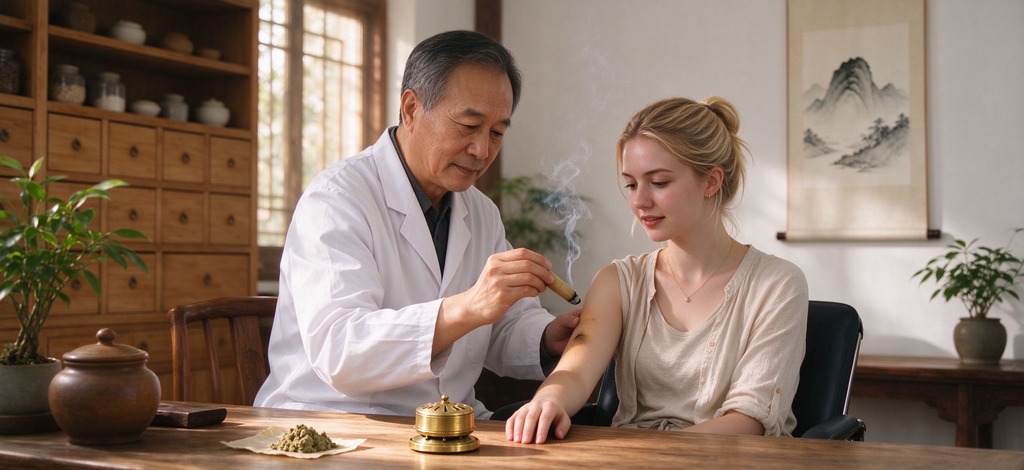
Chinese medicine - acupuncture, cupping, gua sha, tuina massage - has quietly become one of the most talked-about experiences among first-time travelers. Tourists who once came only for the Great Wall are now adding an hour with a practitioner to their trip. Some come curious, some come with a specific complaint, and many leave with a new definition of what a vacation can fix.
The numbers explain it. National Health Commission data for 2025 shows key hospitals serving international patients logged 1.28 million overseas consultations, up 73.6 percent from three years earlier. Inbound visits to China passed 150 million in 2025, a 17 percent year-on-year jump, supported by unilateral visa-free travel for 50 countries and the 240-hour visa-free transit policy at 65 ports.
What a TCM Experience Actually Looks Like
The most established door for travelers is Fang Hui Chun Tang in Hangzhou. This 376-year-old pharmacy on Hefang Street runs a multilingual service desk, offers bilingual guidance, and accepts global payment. Its signature treatments are external therapies: acupuncture, tuina massage, and bone setting. Italian visitor Francesco Nasta arrived curious about moxibustion and cupping; after a pulse diagnosis, his practitioner identified 'internal dampness' and tailored the session around it.
In Tianjin, the century-old Darentang pharmacy offers overseas visitors the same blend: tuina and acupuncture sessions, plus medicinal skincare and herbal teas to take home. Staff describe the shift as interest moving from curiosity toward recognition of a different health philosophy.
Hospital-level care is also part of the wave. At Zhejiang Provincial Hospital of TCM in Hangzhou, nurse Huang Xiaying demonstrates gua sha in English, explaining how scraping helps circulation and detoxification. Hospital Party Secretary He Qiang points to the two structural advantages foreign patients notice: treatment costs below Western equivalents and dramatically shorter waiting times.
Sanya shows the wellness-tourism end of the spectrum. The Sanya International TCM Wellness & Rehabilitation Hospital welcomed more than 10,000 overseas visitors in 2025. British travel blogger Lee John Barrett tested its AI-guided moxibustion robot - smokeless and heat-controlled - and called Hainan's medical-wellness mix a highlight of his trip.
How to Plan a TCM Experience as a Visitor
- Where to book: start with established institutions - Fang Hui Chun Tang (Hangzhou), Darentang (Tianjin), Zhejiang Provincial Hospital of TCM (Hangzhou), or the Sanya International TCM Wellness & Rehabilitation Hospital. Check their multilingual service desks before going.
- What to try first: a pulse diagnosis session followed by one external therapy (tuina, cupping, gua sha or moxibustion) keeps the experience manageable for a first visit.
- What it costs: a 45-minute tuina session typically runs 150-400 RMB, roughly 100-250 USD in Western markets; cupping runs about 50-150 RMB versus 50-120 USD abroad. Check current prices directly.
- What to expect: practitioners in major hospitals often speak some English; bring a translation app as backup. Sessions are usually 30-60 minutes, and many clinics now accept Alipay, WeChat Pay and international cards.
- Combine it with your route: Hangzhou pairs TCM with West Lake and the Grand Canal; Tianjin with its historic concessions district; Sanya with beaches and wellness resorts.
The Takeaway
Traditional Chinese medicine has moved from curiosity to a bookable part of the China travel itinerary - and it fits the same value equation that drives the broader China travel wave: an authentic local experience at a fraction of the price and wait time you would face back home.
Planning a trip? Start with the transport and payment basics, then add an experience like this to your route. It is the kind of memory that outlasts the photos.
What to do next
Pick an institution from the guide, confirm its multilingual desk, book a pulse diagnosis plus one external therapy, and pair it with the city's main sights.
What may vary
English availability varies by practitioner; prices and payment options vary by clinic - always confirm before booking.