
China Travel 2026: Foreign Visitors Spend a Third of the Global Average — Because Everything Is Cheaper
New data shows foreign visitors spent only 29.1% of the global average per trip in China. That's not underspending — it's the best value-per-dollar travel case on earth right now.
Key takeaway
2025 年中国入境游人均消费 357.3 美元,仅为全球平均水平 29.1%;但这不是消费疲软,而是中国体验性价比极高的证据——地铁 3-5 元、共享单车 60 分钟约 2 元、一顿正餐 15-40 元。2026 上半年入境游人次与消费分别同比 +49.72%、+44.01%,离境退税使用人数同比 +366%。
Read on
The number that looks bad but isn't
At a tourism industry conference in mid-October, World Tourism Alliance vice-chair Xu Peng put a number on the table: in 2025, China received 154.5 million inbound tourist visits, but the average spend per visitor was just 357.3 USD — only 29.1 percent of the global average.
Headlines called it a problem. Travelers should read it differently: it's the clearest proof yet that China is the highest-value destination in travel right now.
What the money actually buys
That 357.3 USD average isn't a sign visitors skip things. It's what a full trip costs when the daily price of everything is a fraction of what you'd pay in Paris, London or Tokyo:
- A metro ride across central Beijing or Shanghai: 3-5 yuan (under 1 USD).
- Shared bikes: about 2 yuan for the first 60 minutes, which is what a Spanish visitor told the press she could barely believe.
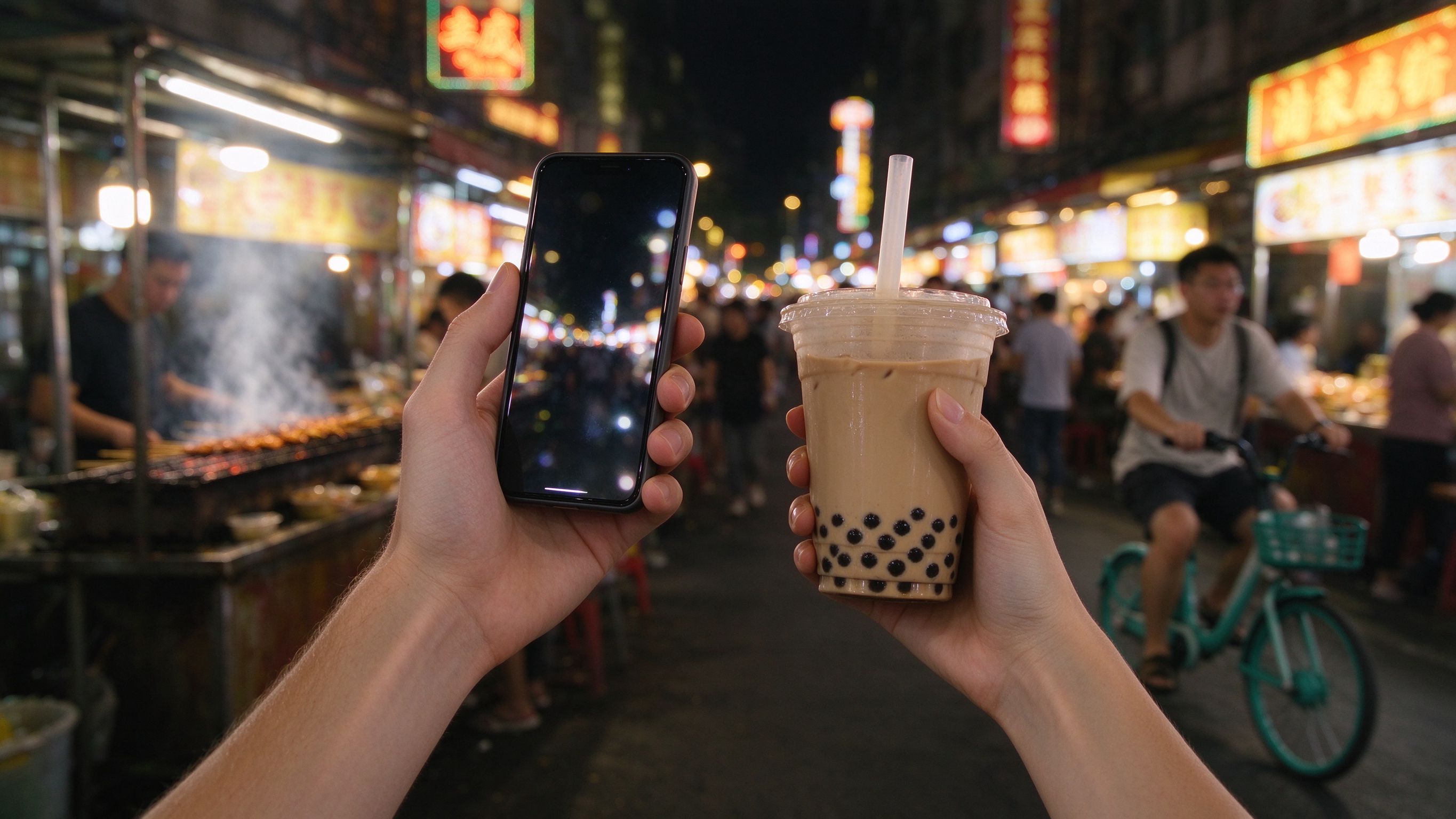
- A proper street meal — jianbing, noodles, skewers, a bubble tea: 15-40 yuan total.
- Even a two-day guided deep-dive with a professional tour leader runs around 3,000 yuan, a level guides describe as mid-range or lower for comparable services.
The visitors interviewed in the same reporting used one word over and over: 实惠 (shihui) — genuinely good value. 'Becoming Chinese' travelers buy a 50-yuan thermos and a bag of goji berries and call the whole experience money well spent.
The gap is narrowing, and the direction is telling
Spend is growing faster than most realize. Trip.com data shows inbound trips rose 49.72 percent and inbound spending 44.01 percent year on year in the first half of 2026. Tax-refund shopping is accelerating even faster: the number of foreign travelers using departure tax refunds jumped 366 percent year on year in H1 2026, with refund sales and rebates up 69 percent.
Meanwhile arrivals keep climbing on policy tailwinds. Q3 2026 saw 8.99 million visa-free entries, up 24.1 percent year on year and equal to 77.5 percent of all foreign arrivals. The 240-hour transit rule now covers 57 countries, and unilateral visa-free entry extends to 50.
How to plan the high-value trip yourself
- Stack visa-free windows. If your passport qualifies for unilateral visa-free entry or the 240-hour transit rule, skip visa fees entirely — that's already part of the value gap.
- Spend on experiences, not on markup. Booking local night-market food walks, craft workshops and festival shows directly through platforms like ChinaPie cuts out the agency markup that inflates that global average elsewhere.
- Use tax refunds properly. Keep receipts, ask for the refund form at major department stores, and hit the airport refund desk early — H1 2026 saw refund usage triple, and the process is getting smoother at major ports.
- Don't overschedule. The cheapest parts of China — a park in the morning, a wet market at lunch, a night market after dark — are free or near-free, and for many visitors they're the parts they remember.
The low per-capita number is real. So is what it buys. Few destinations on earth let you live like a local for 30 dollars a day while riding bullet trains between UNESCO sites — and that's the China Travel story the averages don't tell.
What to do next
先核对本国是否适用单方面免签或 240 小时过境免签;体验类项目直接通过平台预订避免中间商加价;保留购物小票并到主要商场开具离境退税单;把公园、菜市场、夜市等免费体验排进行程
What may vary
人均消费统计口径与年份范围不同会有差异;免签政策与退税流程随时可能调整,以国家移民管理局与海关最新公告为准