
China Travel's Winter Surge: 8.99M Visa-Free Entries in Q3, AI Trip Tools & the Cheapest Ski Season Yet | ChinaPie
Q3 visa-free entries hit 8.99M (+24.1%). Ski searches are up 120% month-on-month, AI plans China trips in 14 languages, and 240-hour transit covers 57 countries. Winter is China's best-value season yet.
Key takeaway
China's inbound travel boom is carrying into winter 2026: Q3 visa-free entries hit 8.99M (+24.1%, 77.5% of foreign arrivals); unilateral visa-free covers 50 countries and 240-hour transit covers 57; ski and snow searches are up 120% month-on-month; Ctrip's AI tools (TripGenie, 14 languages, Q2 orders +400%) now plan and translate trips end to end.
Full report
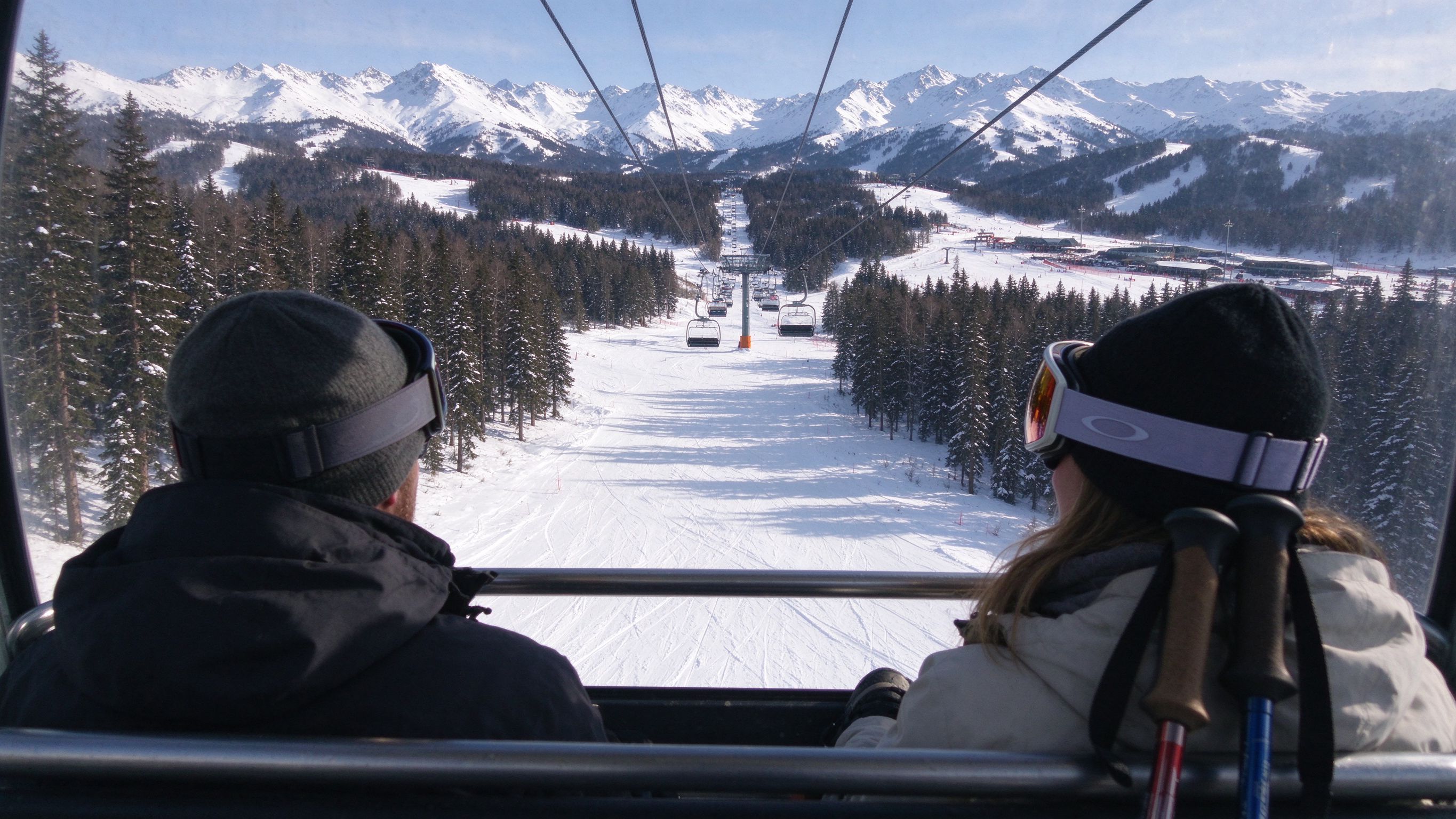
With ski resorts across China opening their lifts this month, the country's winter travel season is arriving with numbers that keep climbing. Bookings data published today shows search interest in skiing and snow up 120% month-on-month since November, with hotel bookings around ski resorts rising more than half. And inbound travel — the part that matters most to international visitors — is in the middle of its strongest run in years.
The Official Numbers
China's National Immigration Administration reported on Oct 20 that in the third quarter of 2026, visa-free entries by foreign nationals reached 8.99 million, up 24.1% year-on-year, accounting for 77.5% of all foreign arrivals. Foreign arrivals overall grew 15.6% to 11.6 million in the quarter. The top source markets were Russia, South Korea, Vietnam, Malaysia, the United States, Mongolia, Japan, Singapore, Thailand and Australia — together 63.9% of the total.
Behind those numbers: unilateral visa-free entry now covers travellers from 50 countries (stays up to 30 days), and the 240-hour visa-free transit program applies to citizens of 57 countries — enough for a long weekend or a full week of winter travel.
Winter Is In Demand
The 2026-2027 ice-and-snow season officially opened in November. A bookings report published today (Nov 4) shows "skiing" and "snow" search terms up 120% month-on-month, with hotels near ski resorts seeing bookings rise more than 50%. For inbound travellers, Chengdu now ranks alongside Shanghai, Beijing, Guangzhou and Shenzhen as a top winter gateway; Harbin, Shenyang and Changchun lead among northern snow destinations, and smaller snow towns like Heihe, Jiamusi and Qiqihar are drawing foreign visitors for the first time. Harbin's ice festival alone draws millions of visitors each winter, and the 240-hour transit policy makes multi-day snow trips practical for nearby markets.
AI Now Plans Your China Trip
The same week, at the World Internet Conference in Wuzhen, Ctrip showed how far inbound convenience has come. TripGenie, its AI travel assistant for international users, supports 14 languages and generated orders up about 400% year-on-year in Q2 2026. Trip.Planner — used by roughly a third of its users to plan trips to China — builds day-by-day itineraries and links bookings. A multilingual ticket machine covers 24 languages, 44 currencies and 65 payment methods, scanning a passport to issue entry tickets on the spot. Ctrip says its overseas platforms served about 20 million inbound visitors in 2025, with average spending around USD 1,200 per person — roughly USD 24 billion of consumption inside China.
What It Means for Winter Travellers
The practical takeaway: the frictions that once made China feel hard to visit — payment, ticketing, language — are being removed in layers. 240-hour visa-free transit (57 countries), metro tap-to-ride with foreign cards in Shenzhen and Guangzhou, WeChat and Alipay bound to international cards, and AI that speaks your language. The country's 2026-2030 tourism plan targets 190 million inbound visits and USD 150 billion in annual inbound spending by 2030 — building on a market that grew 20.4% in the first half of 2026 alone.
Winter is also the value season. Travel-industry guides put weekday ski passes in China from roughly USD 40 — about a third to a quarter of typical Alps or Rockies prices — and a bullet train puts the Chongli Olympic ski area 50 minutes from central Beijing. Round-trip transport, gear rental and ski school stay comfortably inside the 1/5-1/10 price gap ChinaPie is built around.
And the calendar keeps rolling: after APEC lands in Shenzhen on Nov 14, the city launches a tech-and-culture carnival in late December — robot shows, drone performances and AI cultural experiences — giving winter visitors a reason to extend south.
Plan your APEC Shenzhen visit on the ChinaPie APEC Shenzhen hub, and grab the Canton Fair transport guides while you're in the region.
What to do next
Check whether your nationality is on the 240-hour visa-free transit list (57 countries) or unilateral visa-free list (50 countries); book winter travel around Harbin/Chongli/Changbaishan for snow or Chengdu/Guangzhou for mild gateways; use AI planners like TripGenie for itineraries; keep WeChat Pay or Alipay bound to an international card for payment.
What may vary
Visa rules are country-specific and can change; the 240-hour transit window applies to eligible travellers transiting via designated ports; ski pass prices are indicative and vary by resort, weekday/weekend and season; report figures are subject to NIA and platform updates.