
China Travel: A Viral Chicken Rice Stall Just Brought a Whole Ningbo Night Market Crowds
A vendor in a Ningbo night market went from selling three to four bowls of Hainanese chicken rice a day to around 130 — after one customer's no-filter video went viral. International media compared him to a K-drama face, neighboring stalls saw sales double, and the whole street felt the spillover. Here's why one viral stall can make a night market the best free show in China, and how to find your own.
Key takeaway
宁波夜市 2000 后摊主王治的海南鸡饭摊因一段路人无滤镜视频走红:日销量从三四份涨到约 130 份,相邻印度飞饼摊销量翻倍,所在区域单日营业额增加约 3 万至 4 万元,韩国媒体称他为「夜市车银优」。对中国游客来说,这提醒你:夜市是中国城市烟火气最浓、性价比最高的体验——跟着本地人晚 7 点到 10 点去,扫码支付,挑一家排队最长的摊先尝。
Full report
The stall that broke the night market
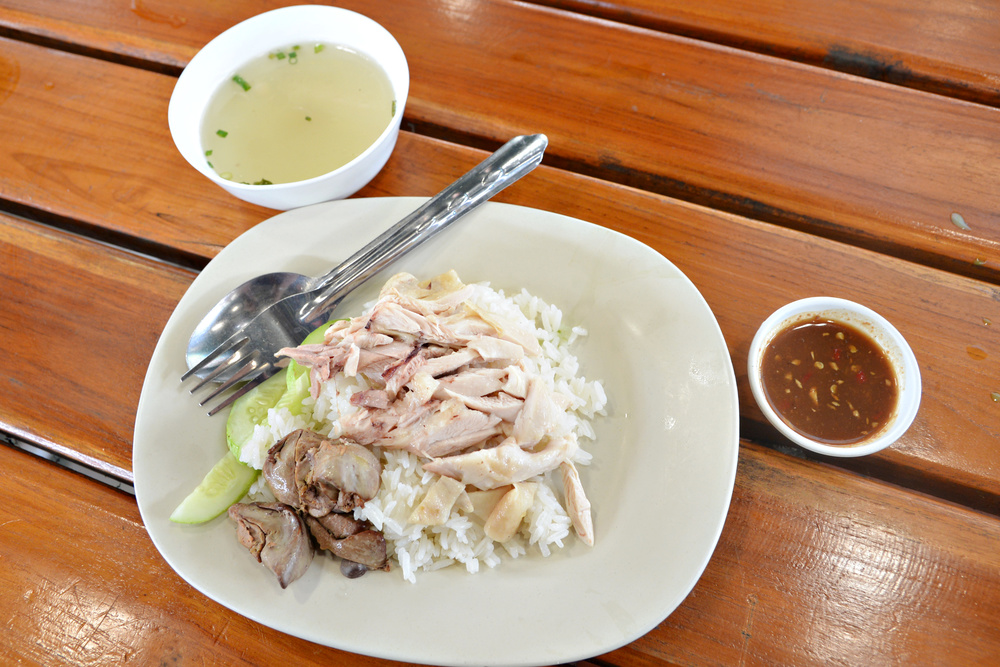
In a night market in Ningbo, a port city on China's east coast, a vendor born in the 2000s named Wang Zhi sells Hainanese chicken rice — shredded white chicken over fragrant rice, served with soup and a dipping sauce — from a simple street stall. A customer passing by filmed him cooking: no filters, no staged lighting, just a young man moving between the wok and the counter while the market buzzed around him.
The clip spread fast on Chinese social media. Within days, international outlets picked it up. SBS English called him "the Cha Eun-woo of night markets," nodding to the Korean actor whose lookalike bungeoppang vendor became a landmark in Seoul. Korean business daily Financial News ran its own piece on the "handsome night-market vendor" craze spreading beyond China. Comments ranged from "model-like visuals" to "I need to head down to the night market right now to get some rice bowls."
The numbers behind the hype
Wang's daily sales were small before the video — three to four rice bowls, according to local reports cited by Haibao News and picked up internationally. After the clip went viral, that number climbed to roughly 130 bowls a day. His answer to the attention stayed plain: "I want to continue making delicious rice bowls for my customers in the future."
The buzz didn't stop at one stall. The vendor at a neighboring Indian roti stand said his own sales had been under 100 a day before; now he was selling at least 100 — the people queuing for chicken rice kept walking, and they kept buying.
Why one stall lifts a whole street
Night markets are built for spillover. A single stall with a queue changes how a crowd moves: people come for the viral bowl, then drift to the ten stalls around it. Local market management told financial media that the area where Wang operates added an estimated 30,000 to 40,000 yuan in daily revenue after he arrived. One stall became a destination, and a destination became an event.
For travelers, this is the part that matters. A Chinese night market is one of the few places where you can watch a city's food culture working in real time — vendors cooking in front of you, regulars bargaining, families splitting plates across three stalls. No museum can stage that.
What this means for travelers
The Ningbo story is a good reminder that the most memorable China travel moments are often unplanned and cheap. Street food at a night market costs a fraction of a sit-down restaurant meal, and the experience — standing under strings of lanterns, watching a vendor work, eating next to locals — is exactly the kind of thing a checklist can't capture.
A few practical notes before you go:
- Most markets peak between 7:00 and 10:00 p.m.; go with locals, not at opening time.
- Scan-to-pay is the norm. Linking an international card to Alipay or WeChat Pay before you travel makes ordering far smoother.
- Bilingual menus are spreading fast — Shenzhen's night markets already tested them ahead of the APEC season.
- Pick one signature stall, order something you can't name, then let the crowd guide the next plate.
If APEC is pulling you toward Shenzhen this November, the city's night markets are already rolling out bilingual and "global" menus for the influx — find the details in our APEC Shenzhen hub. If Canton Fair is on your calendar, night markets are the cheapest way to reset after a day of sourcing. ChinaPie keeps updating experience guides for both; we don't handle visa applications or bookings, so check official entry rules before you travel.
What to do next
晚上 7-10 点去本地夜市(避开刚开摊时段);提前把国际卡绑定支付宝/微信支付;先选一家排队最长的摊位点一份招牌,再让本地人带路;深圳夜市已为 APEC 季推出双语菜单,可作夜游参考。
What may vary
不同城市夜市高峰时段和人均消费不同;个别摊位只收扫码支付不接受现金;节假日和周末排队时间更长。