
China's Visa-Free Circle Keeps Widening — Golden Week Border Numbers Prove It
57 countries now qualify for 240-hour visa-free transit, 48 for unilateral visa-free entry, and Golden Week border numbers are surging. What to know before you fly to China.
Key takeaway
China's visa-free circle keeps widening: 57 countries qualify for 240-hour visa-free transit (Kyrgyzstan and Vietnam just added), 48 for unilateral visa-free entry through Dec 31 2026, and Hainan covers 61 countries for 30 days. Mid-Autumn border crossings hit 6.709M (+16.8%) with visa-free foreign arrivals up 32.7%, and Beijing's airports expect 511K crossings over National Day — so the practical question for most travelers is now which visa-free lane fits your route, not whether you can get in.
Full report
If you're weighing a China trip this fall, the border situation just got noticeably easier — and the numbers from the Mid-Autumn and National Day travel rush are backing it up.
The visa-free circle keeps widening
Since August 20, the 240-hour visa-free transit policy covers 57 countries — Kyrgyzstan and Vietnam were the latest additions. Travelers from those countries can enter China without a visa, move between cities, and leave through a third country, with up to 10 days inside. Separately, Hainan's visa-free entry now covers 61 countries for up to 30 days.
On the unilateral side, 48 countries hold visa-free entry until December 31, 2026, Russia is extended through 2027, and Brunei has no expiry date. Canada and the UK were added in February 2026 with 30-day visa-free stays. For most young travelers from the US, UK, Canada, Australia and most of Europe, the practical question is no longer "can I get in" but "which visa-free lane fits my route."
Golden Week border numbers show the policy is actually moving people
The Mid-Autumn rush (September 26–30) saw 6.709 million border crossings, up 16.8% year-on-year. Foreign arrivals hit 728,000, a 37.7% jump, and 247,000 foreigners entered visa-free — up 32.7%. National Day is scaling that further: Beijing's airports alone expect 511,000 inbound-and-outbound travelers across the holiday.
Two less obvious signals: Shanghai's Wusongkou cruise port is running 10 cruise ship calls over National Day with a projected 48,000 passenger crossings (+46.7% versus last year) — cruise visas and shore-excursion ease are becoming a real entry route. And Chengdu's airports expect 972 international flights across the holiday, with 24-hour transit inspection and one-ticket checked-through baggage for international transfers, making western China a genuinely low-friction gateway.
What this means when you actually travel
- If your route connects through China with a third-country onward ticket, the 240-hour transit lane covers 57 nationalities — no application, just passport plus onward booking.
- Border-crossing apps and e-channels are mainstream now; most major airports run automated gates for visa-free entries, which cuts arrival queues dramatically.
- Cruise travelers into Shanghai, and transit passengers through Chengdu, get dedicated fast lanes this holiday — worth choosing these gateways if you're flexible on arrival city.
- Data backs the momentum: Russia leads source markets at +173%, with the UK, Malaysia and Canada all above +50%; Zhangjiajie (+129%) and Luoyang (top cultural-experience destination) show the demand is spreading beyond first-tier cities.
The fine print
Policy lists change several times a year. Always check the National Immigration Administration's latest update before booking — especially whether your nationality is on the current 57-country transit list, the 48-country unilateral list, or the 61-country Hainan list, since they differ. If your itinerary touches Hong Kong or Macau, separate entry rules apply.
For a first China trip, Golden Week means crowds at famous sites — but it also means every lane from visa-free entry to high-speed rail is running at full capacity with holiday-specific services. Book experience activities (hanfu styling, night market walks, city light shows) in advance; the popular ones sell out fast when 51,000-plus people a day are crossing Beijing's airports alone.
ChinaPie angle
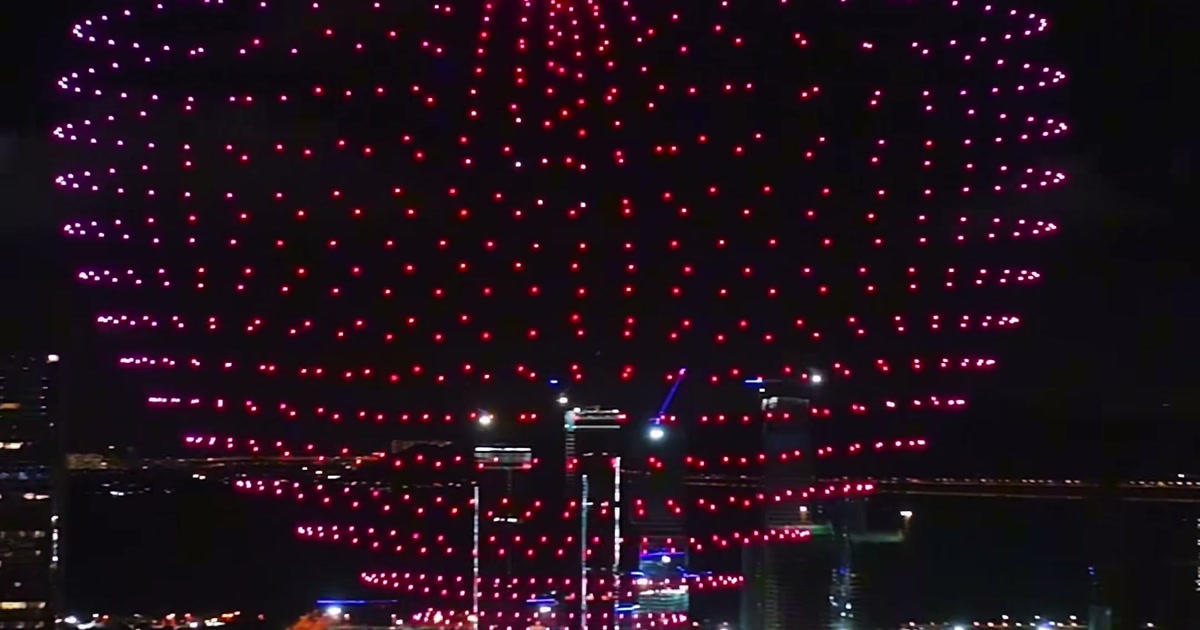
We track which experiences are worth it, what they cost, and how to slot them into a realistic itinerary — hanfu photo sessions in old towns, night markets, drone-and-fireworks shows over skylines, teahouse afternoons. No filler, just what you'd want a friend to tell you before you book.
What to do next
Check your nationality against the current NIA lists (240-hour transit 57 countries, unilateral visa-free 48 countries, Hainan 61 countries) before booking flights. If you connect through China with a third-country onward ticket, plan for the 240-hour transit lane — no application, just passport plus onward booking. Choose cruise gateways like Shanghai or transit hubs like Chengdu if you want dedicated fast lanes and shorter arrival queues this holiday. Book experience activities in advance — hanfu styling, night market walks and city light shows sell out fast when Beijing's airports alone see 511K crossings.
What may vary
Visa-free lists change several times a year — the 57-country transit list, 48-country unilateral list and 61-country Hainan list differ, and all should be re-checked on NIA before booking. Hong Kong and Macau have separate entry rules that apply on top of mainland visa-free policies. Golden Week crowd levels vary by city — tier-1 gateways and famous sites run full, while smaller cities see lighter flows. Transit lanes require an onward ticket to a third country; pure round-trip routes do not qualify.