
Foreign Travelers Are Trading Chinese Landmarks for County Towns — Hunan Shows Why
Hunan's county towns — Wulingyuan, Cili, Fenghuang, Yongshun — are drawing foreign travelers who skip the landmark checklist for small-town life, ethnic festivals and food that costs a fraction of a big-city meal.
Key takeaway
Foreign travelers are increasingly skipping landmark checklists for county towns, and Hunan is the clearest example: during the 2026 National Day holiday the Zhangjiajie border inspection station processed over 14,000 entries and exits, foreign travelers made up 97% of passengers, and 81.5% of inbound foreign visitors were Korean. The destinations are counties around Zhangjiajie — Wulingyuan, Cili, Yongshun, Fenghuang, Xinning, Zixing — valued for mountain scenery, Tujia/Dong/Miao culture and hosts' hospitality. Cultural shows such as Charm of Western Hunan added multilingual subtitles and hosted 140,000+ overseas visitors by end of September. Practical notes: fly or take high-speed rail to Zhangjiajie as the hub; county towns connect by rail and county bus; keep some cash for street stalls; English is thin, so use a translation app.
Full report
Why County Towns Are Suddenly on the Map
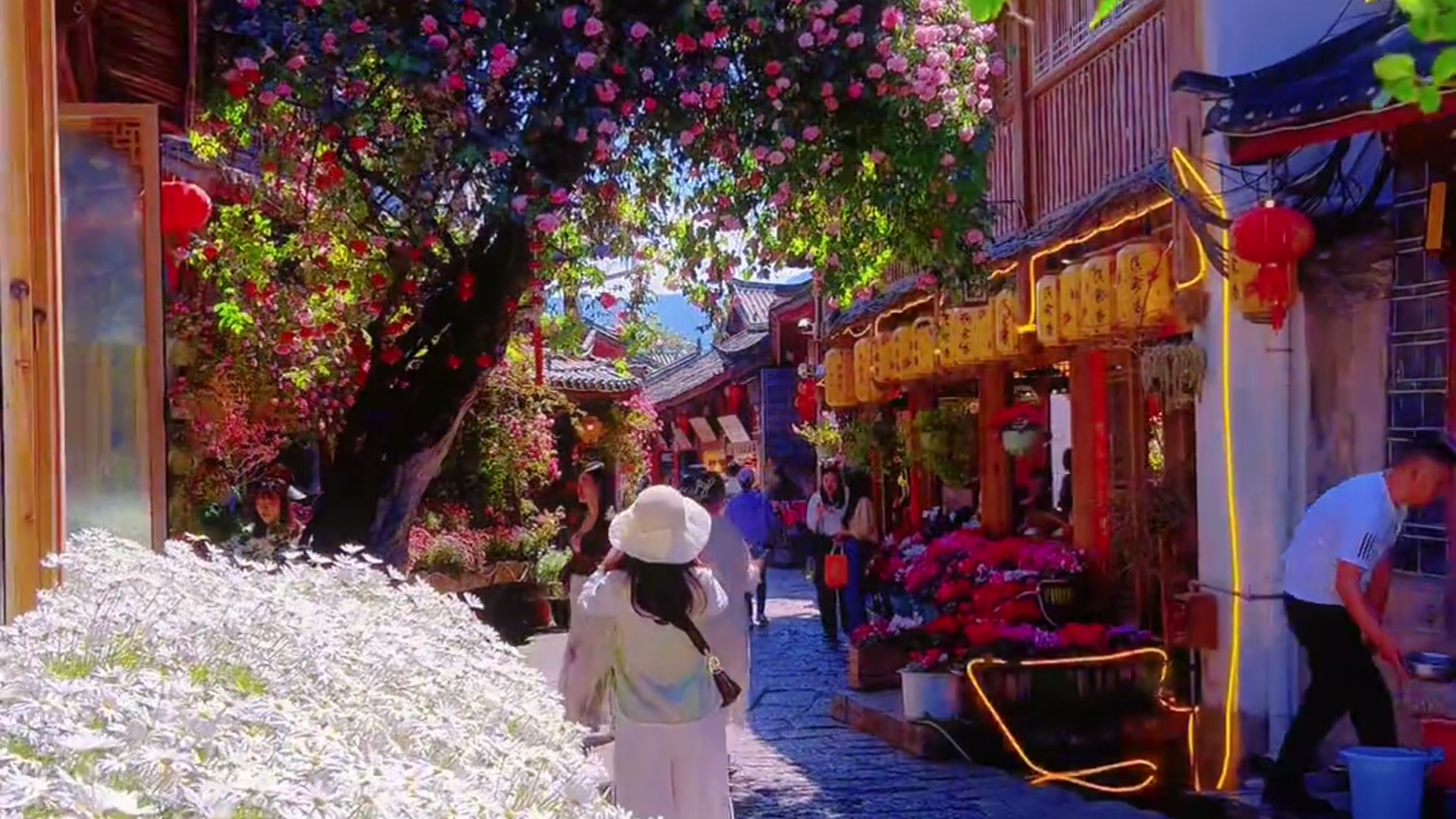
The story of China travel in 2026 keeps moving the same direction: away from the landmark checklist, toward the daily life of the people who live here. Travelers in Zhangjiajie, Fenghuang and the towns around them are not queuing for a famous gate — they are eating in family kitchens, watching ethnic dance shows, and letting locals decide the itinerary.
National Day data made the shift concrete. The National Immigration Administration reported 682,000 foreign entries over the holiday, 505,000 of them visa-free, up 5.4 percent and 9.2 percent year on year. Online travel platforms saw one-day inbound tour orders rise more than fourfold, and cultural attractions accounted for about 43 percent of inbound scenic-area bookings, according to CGTN.
Hunan's Small Towns at the Center of the Rush
Hunan is where the trend is easiest to see. At the "Greater Zhangjiajie International Tourism Zone," the border inspection station processed more than 14,000 entries and exits over the holiday, with foreign travelers making up 97 percent of passengers — and 81.5 percent of inbound foreign visitors were Korean, about the same share as a year earlier.
The destinations are not the big city. They are the counties around it: Wulingyuan and Cili in Zhangjiajie, Yongshun and Fenghuang in western Hunan, Xinning in Shaoyang, Zixing in Chenzhou. What pulls travelers there is raw mountain scenery, Tujia, Dong and Miao ethnic culture, and hosts who are visibly happy you came. Cultural performance venues are part of the pull — the Tianmen Fox Fairy and Charm of Western Hunan shows added multilingual subtitles, and the latter hosted more than 140,000 overseas visitors by the end of September.
What a County-Town Trip Actually Looks Like
A small-town day has a rhythm of its own. Morning starts at a local breakfast stall, not a hotel buffet. The main attraction might be a suspension bridge, a night market, or simply the street where everyone seems to know everyone. Prices are lower than in the provincial capital — rooms, food and entrance tickets all run a fraction of big-city rates.
Practical notes for first-timers:
- Getting there: Zhangjiajie is the hub — fly into Zhangjiajie Hehua Airport or arrive by high-speed rail. From there, county towns connect by rail and county buses; a car or driver for a day is the easiest way to link two towns.
- Where to stay: guesthouses in the old town or county seat. Fenghuang's riverside guesthouses are the classic base; Wulingyuan works for mountain-town vibes.
- Money: most shops and guesthouses accept WeChat Pay and Alipay, but keep some cash for street stalls and small transport — smaller towns still go through cash spells.
- Language: English is thin in county towns. A translation app plus a patient smile covers most situations; food photos on your phone order dinner surprisingly well.
- Food: county-town eating is regional. In Fenghuang that means blood tofu duck and smoked meats; near Zhangjiajie it is river fish and mountain vegetables. Order what locals order at the next table.
Which Towns to Try
- Fenghuang: the riverside town that made the postcards, with Miao culture and night markets — see our Fenghuang guide for a full plan.
- Wulingyuan / Cili: the mountain gateway, best paired with the Avatar-style pillars and a night in a small-town guesthouse.
- Yongshun: Tujia villages and a quieter version of western Hunan.
- Xinning (Langshan) and Zixing: less-traveled options with dramatic rock formations and lake scenery respectively.
How to Fit One In
A county-town stop slots neatly into a Chengdu-to-Changsha or Guangzhou-to-Zhangjiajie rail trip. Check the high-speed rail guide for foreigners for booking basics and the digital payment guide before you go.
Build the whole trip — rail segments, nights, tickets and budget — with ChinaPie's trip planner. If you are new to the small-city wave, the small cities golden week recap and the Zhangjiajie immersive folklore report are good background reads.
What to do next
Decide which county town matches your pace (Fenghuang for riverside night markets, Wulingyuan/Cili for mountain scenery, Yongshun for quieter Tujia villages); check rail connections from Zhangjiajie or Changsha; set up WeChat Pay and Alipay but bring some cash; use ChinaPie's trip planner (/plan/) to build the rail segments, nights and budget.
What may vary
Holiday crowd levels and entry stats shift year to year; theater schedules and show times change by season; county-town transport (buses, hired cars) and guesthouse availability vary; small-town cash acceptance can fluctuate.