
Two Giant Pandas Just Arrived in Atlanta — This Is Where They Came From
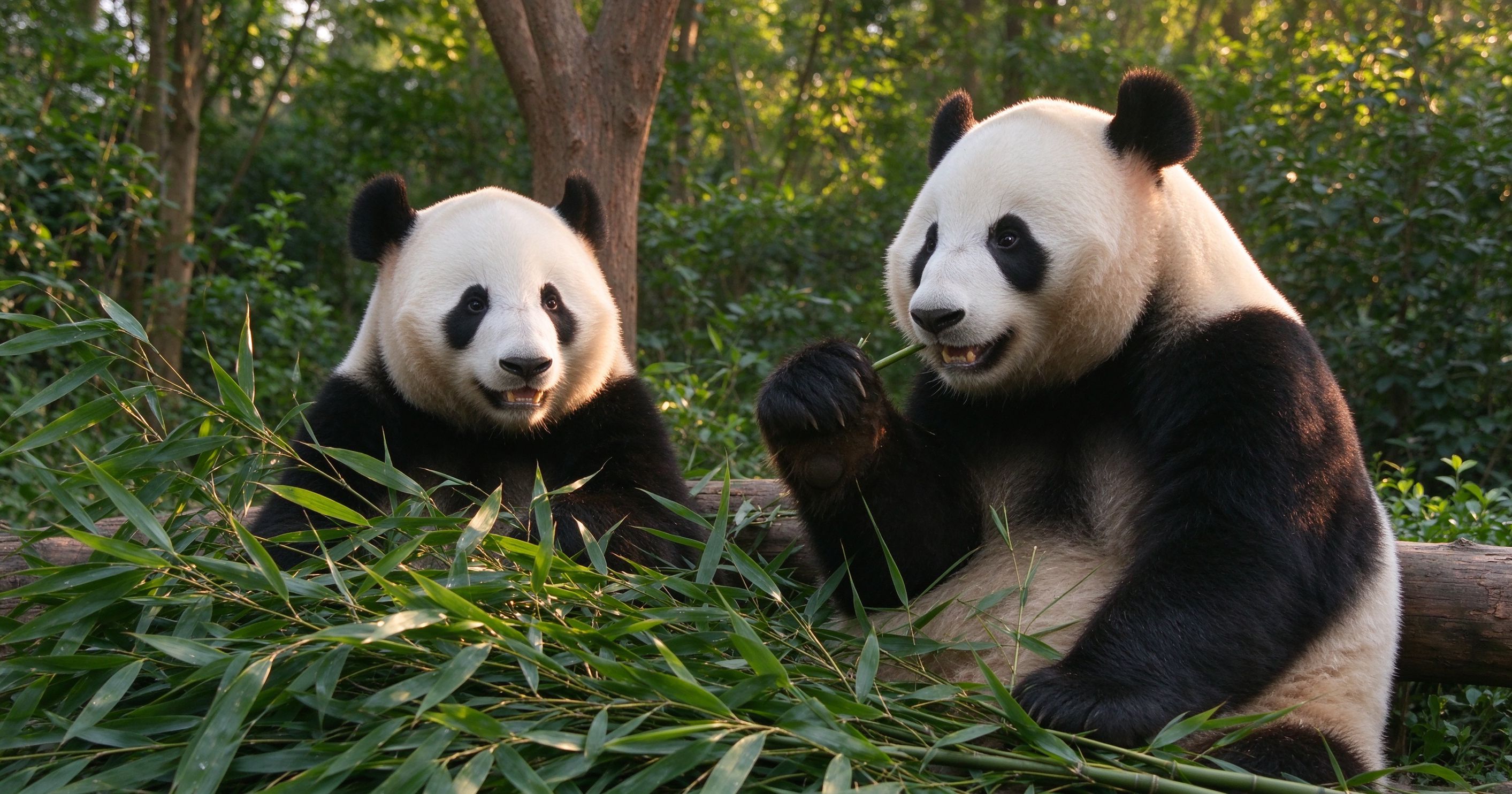
Pingping and Fushuang, the two new giant pandas at Zoo Atlanta, just touched down after a 10-year loan from Chengdu. Here's where they came from and how to see pandas in China.
Key takeaway
Pingping and Fushuang just arrived at Zoo Atlanta on a 10-year loan from the Chengdu Research Base of Giant Panda Breeding — the same place you can see pandas in person in China.
Full report
If you've seen the news this week, you know two giant pandas just touched down in Atlanta.
Pingping and Fushuang arrived at Hartsfield-Jackson International Airport on September 27, then made the short transfer to Zoo Atlanta. They'll spend about a month in quarantine before going on public view, and they're staying for a full 10 years under a new agreement between China and the U.S.
But here's the part most travel stories don't mention:
These pandas didn't come from some remote mountain reserve. They were born and raised at the Chengdu Research Base of Giant Panda Breeding — a place you can actually visit on a trip to China.
Where the pandas are from
Chengdu, the capital of Sichuan province, is the panda capital of the world. The Research Base on the city's north side houses over 150 giant pandas — more than you'll see at any zoo outside China combined.
Pingping is a male born in 2020, and Fushuang is a female born the same year. They're part of the latest batch of panda conservation partnerships between Chinese and American zoos, and the Atlanta agreement was signed last year.
Zoo Atlanta spent months upgrading their habitat to meet Chinese standards, and a Chinese panda care team traveled with them to help with the transition.
Why Chengdu is worth the trip
If Atlanta is 10 years away for you, or you just want to see pandas at their home, Chengdu is one of the easiest and most rewarding destinations in China.
Entry to the panda base costs under $10. Go before 8 AM and you'll catch the pandas at their most active — eating bamboo, rolling around, and playing with each other. By mid-morning, when most tour buses show up, the pandas are already napping.
You can also book volunteer experiences that let you spend a few hours cleaning panda enclosures, preparing bamboo, and getting photos that regular visitors don't get. Those cost $50-100, which is still a fraction of what similar wildlife volunteer programs cost in Africa or South America.
The Chengdu panda experience is part of a bigger trip
Most people don't fly to China just for pandas. Chengdu is also the food capital of Sichuan — hot pot, street food, and the famous Yulin neighborhood we wrote about recently — plus it's the gateway to the Jiuzhaigou mountains and the Leshan Giant Buddha.
A typical 5-day Chengdu trip: one day at the panda base, two days eating your way through the city, and two days day-tripping to nearby nature sites. All in, you're looking at $600-800 per person — which is less than most people spend on a single week in Western Europe.
Pingping and Fushuang won't be visible to the public for another month while they settle in. But if you want to see pandas the way they're meant to be seen — at their home base in Chengdu, surrounded by bamboo — that trip is always open.
We curate panda experiences, food tours, and hidden gems across Chengdu so you don't have to spend your trip planning which spots are actually worth your time.
What to do next
If you are planning China travel, add a Chengdu panda-base morning to your trip; for Atlanta, wait until Zoo Atlanta announces public viewing dates after quarantine.
What may vary
Public viewing dates and quarantine length can change; confirm with Zoo Atlanta and the Chengdu base before you go.