Kashgar

Kashgar · 喀什

Kashgar Travel Guide

Kashgar is the living western terminus of the old Silk Road: an inhabited 5A adobe old town at the foot of the Pamirs, where the Id Kah Mosque, the glazed-tile Apak Khoja mausoleum and a 40-metre potters' cliff still work as neighbourhood life rather than a museum set.

Silk Road overland travelers ending the Xi'an–Lanzhou–Turpan rail westUyghur culture and food travelers after old-town teahouses, bazars and lambCentral-Asia border-bound travelers using Kashgar as the gateway to the PamirsFilm and photography visitors drawn to the adobe alleys of The Kite Runner
History & cultureFood cityScenic
Plan this city
1

Why make a special trip

Kashgar is the living western terminus of the old Silk Road: an inhabited 5A adobe old town at the foot of the Pamirs, where the Id Kah Mosque, the glazed-tile Apak Khoja mausoleum and a 40-metre potters' cliff still work as neighbourhood life rather than a museum set.

The old town is inhabited, not a rebuilt heritage street

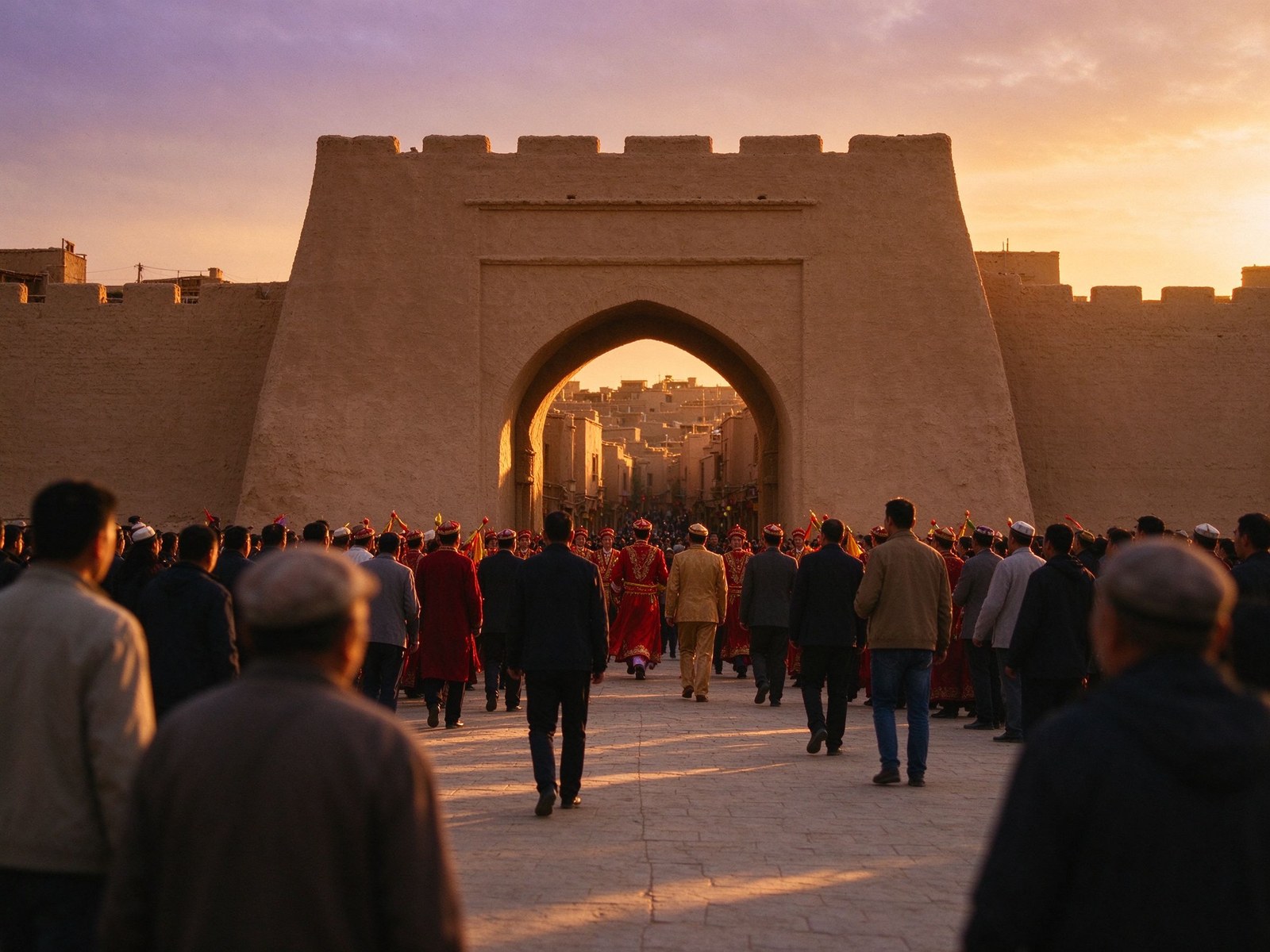
The 3.6 km² warren of adobe lanes is still someone's front yard. Walk Arheya Road in the morning—potters, blacksmiths and doppa-hat makers work as you pass; treat the opening ceremony at the East Gate (10:30 and 18:00) as punctuation, not the show.

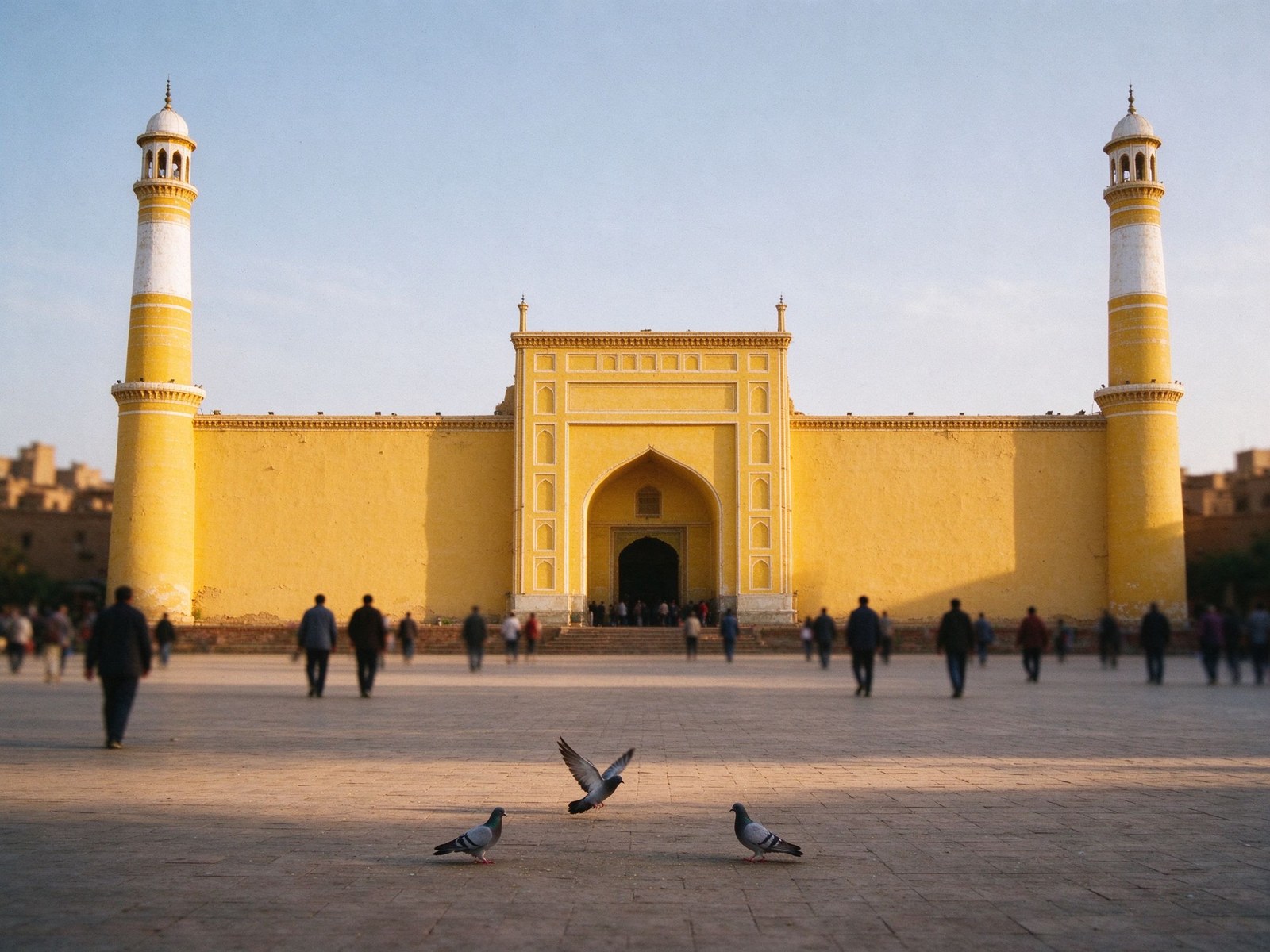
Id Kah Square is the religious and civic living room of the city

Founded in 1442 and the largest mosque in Xinjiang, the mosque faces a square where families gather, pigeons circle and Friday prayers fill the space. Visit as a visitor off prayer hours, and watch the square itself—that is where civic life happens.

The old town food streets run on local time—dinner starts after 20:00

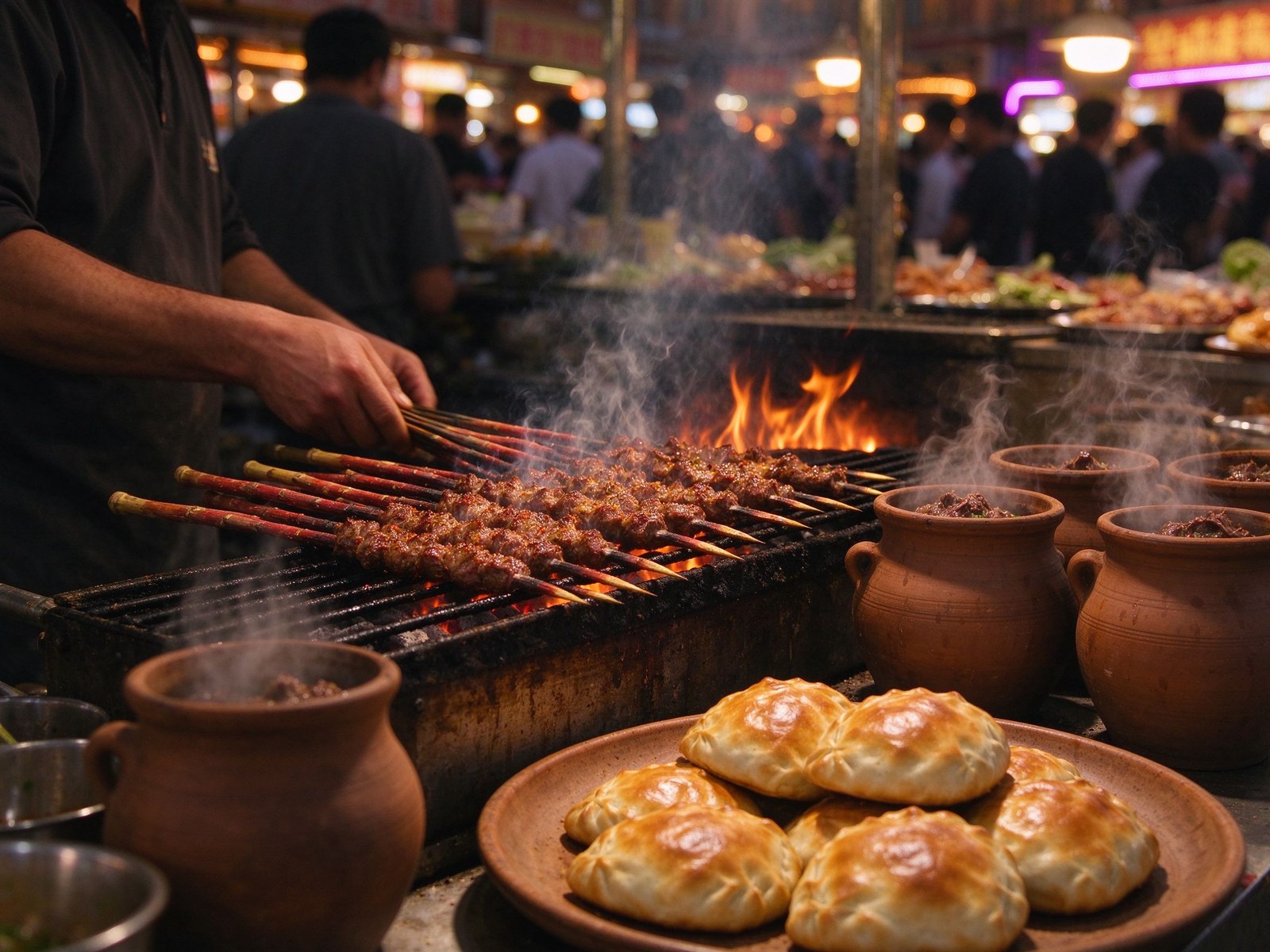
Han Bazaar's iron-wok plov, samsa, jar-meat and pomegranate juice are best after dusk, when Uyghur families come out to eat. Adjust your meals two hours later than eastern China and book the slowest teahouse seat you can find.

2

East Gate ceremony, adobe lanes, Id Kah at dusk

The city’s signature line — depth entry, not a checklist.

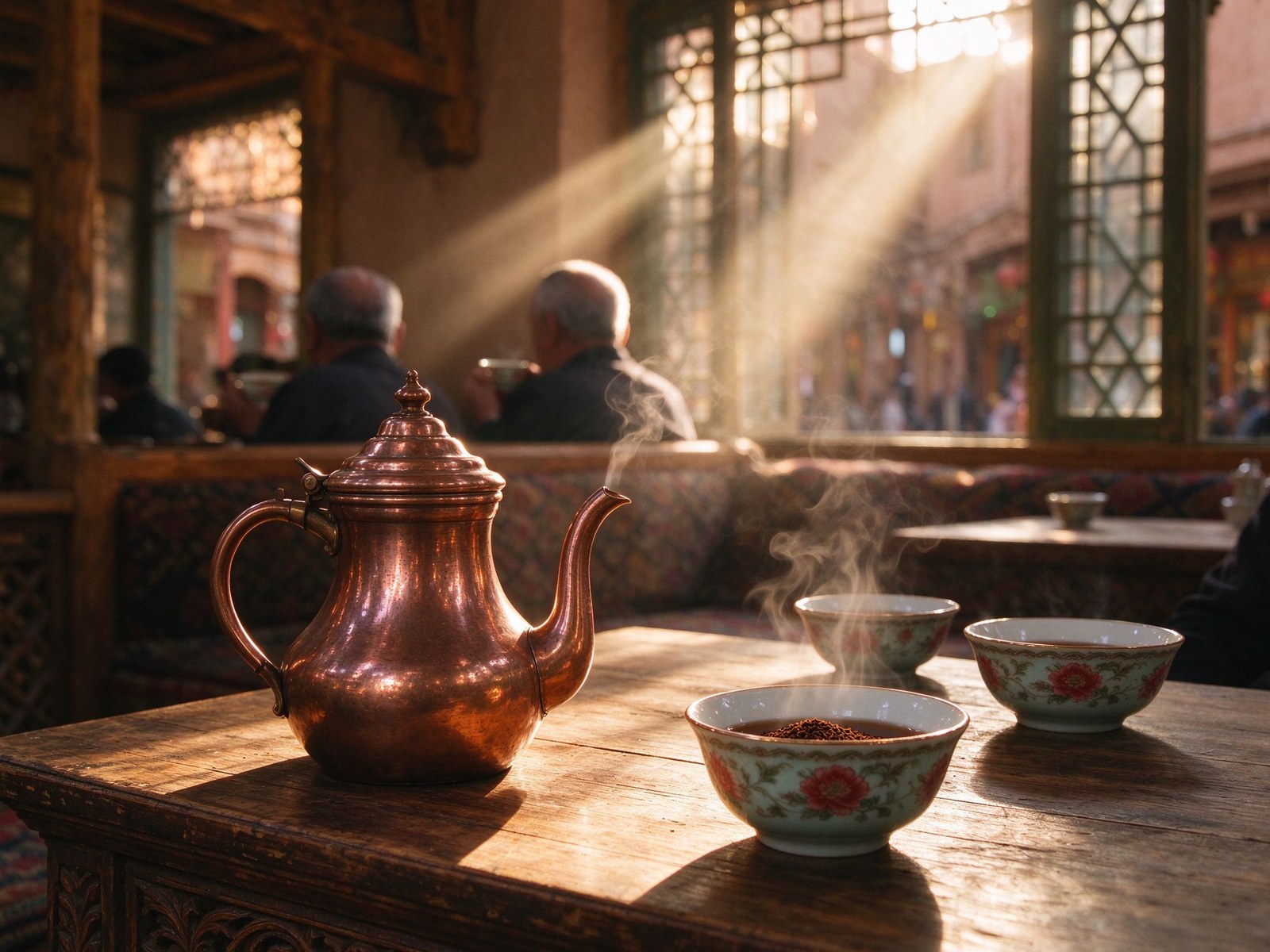
The signature Kashgar sequence: catch the 10:30 East Gate opening ceremony, then wander Arheya Road's flowerpot, blacksmith and doppa bazars up to the century-old teahouse for a pot of brick tea. Midday is for Han Bazaar street food; late afternoon is the Apak Khoja mausoleum's green domes, and dusk brings Id Kah Square as worshippers emerge. Finish on the Tuman River bank looking back at the Gaotai cliff.

Related sight detail
3

Bookable experiences

ChinaPie’s main shelf — add to trip or request a slot.

Experience inventory is still growing — plan with routes & culture, or request a study day.

4

Sights & culture

Beyond ticket notes — read the city’s character first.

A 2,000-year-old oasis city still on its feet

Kashgar was a crossroads on the South and Northern Silk Roads where caravans to India, Persia and Central Asia broke journey. The old town's labyrinth of adobe lanes is called a 'living fossil' of Western Regions urban form—walk it slowly, because the maze is the point.

Id Kah: where prayer meets festival square

Founded in 1442, the mosque is the largest in Xinjiang and a fifth-batch national key cultural relic. Its prayer hall holds 140 carved wooden columns and even nods at Buddhist motifs (ruyi, lotus). Friday noon and Corban gatherings push crowds onto the square—stand back and watch.

The Xiang Fei legend vs. the real shrine

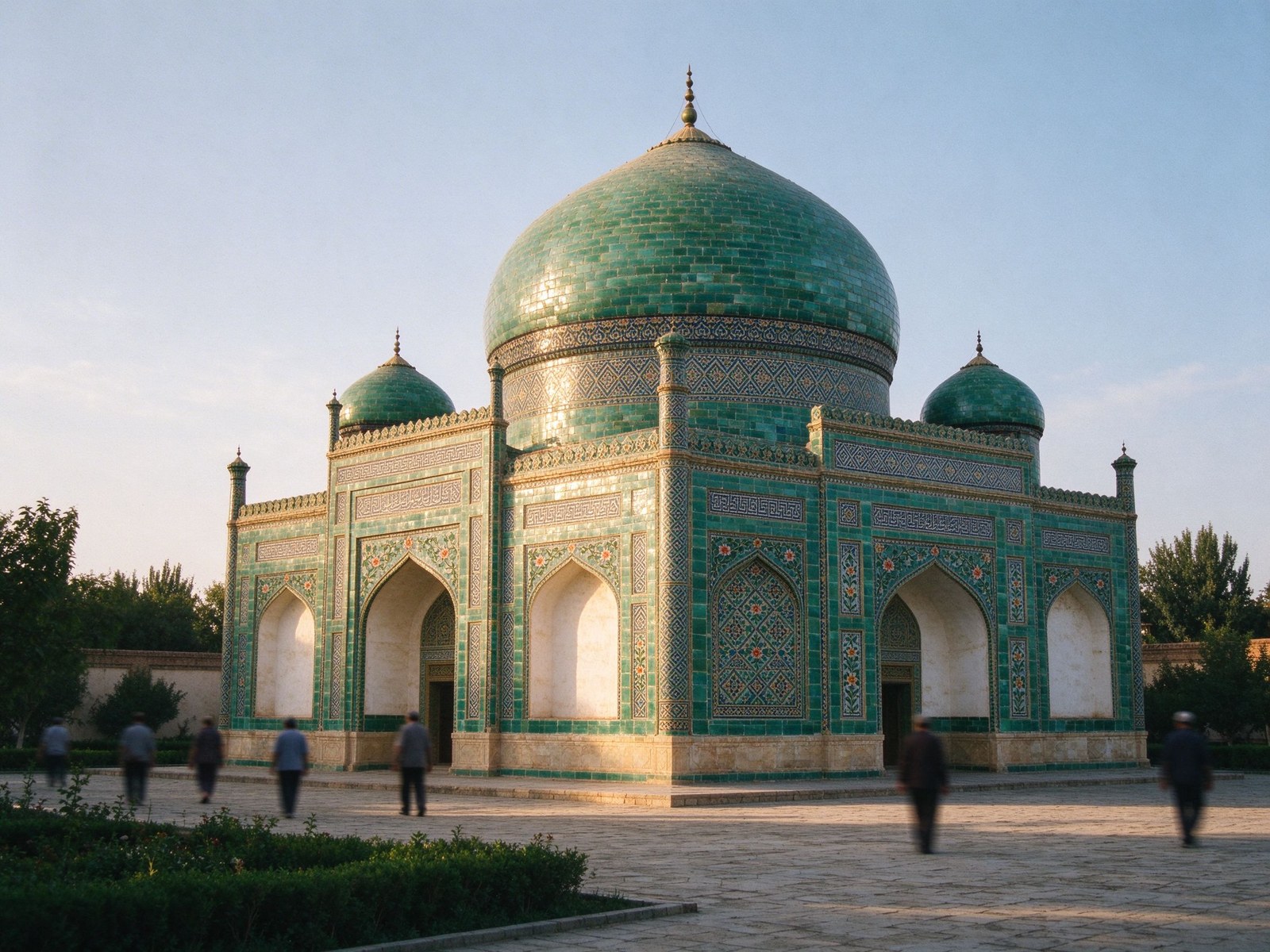
The 1640 Apak Khoja family mausoleum is a national key cultural relic wrapped in green glazed tiles. The 'Fragrant Concubine' story sells tickets, but the real Consort Rong is buried in the Eastern Qing Tombs—the shrine is a Khoja family tomb with added shows. Ask a guide which is which.

The potters' cliff: adobe as building memory

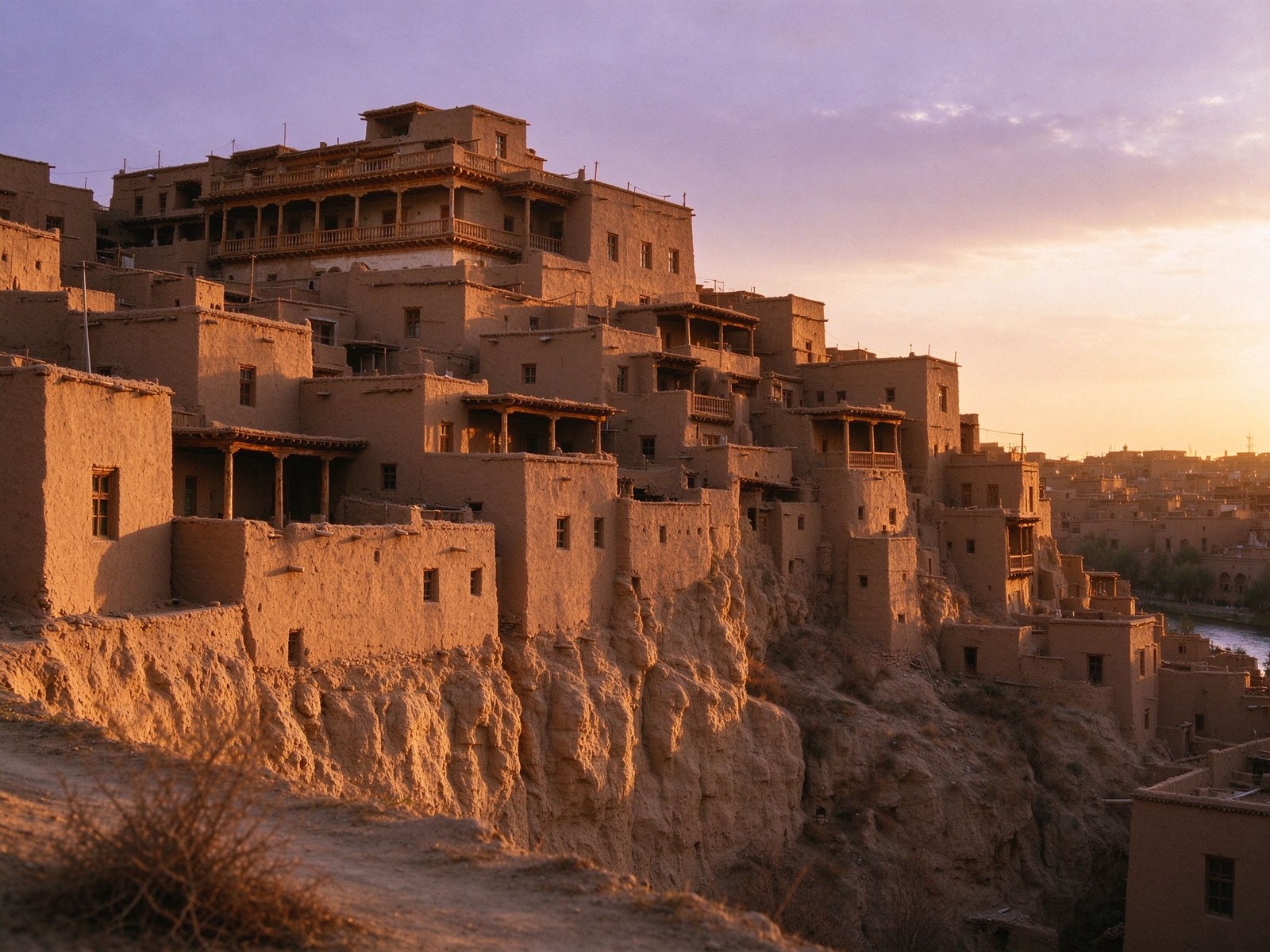
Gaotai residences stack on a 40 m loess cliff above the Tuman River, built 'in place, from the material at hand'. The same families fire earthenware—watch a potter's wheel on the lane rather than treating the cliff as a photo set.

Muqam, teahouses and the social clock

Elderly Uyghur men gather at century-old teahouses to drink brick tea, play the rawap and sing Muqam—a UNESCO-listed musical tradition. China runs on Beijing time, but Kashgar's social clock sits ~2 hours later; sunsets near 21:30 in summer. Eat late.

5

1–3 day routes

Executable skeletons: 1-day essence, 2-day dual-store study, 3-day with Shenhou porcelain.

1-day

1-day core: old town on foot

  1. Morning: East Gate opening ceremony ~10:30; then wander Arheya Road's flowerpot / blacksmith / doppa bazars
  2. Midday: century-old teahouse on Wushtangboyi Road for rose brick tea; samsa or plov lunch
  3. Afternoon: Id Kah Mosque and Id Kah Square (outside prayer hours); dress modestly
  4. Dusk: Han Bazaar food street for jar-meat, plov, fresh pomegranate juice and hand-churned ice cream

For travelers with a day between flights. Built around the 10:30 opening ceremony and Han Bazaar's evening peak.

2-day

2-day loop: mausoleum, cliff terrace, museum

  1. Day 1: East Gate ceremony morning → Arheya Road bazars → Id Kah Mosque & Square → Han Bazaar dinner
  2. Day 2 morning: Xiangfei Park (Apak Khoja Mausoleum), ~5 km northeast; glazed-tile tomb of 1640 + Uyghur wedding performances
  3. Day 2 midday: return via the Gaotai residences loess cliff on the Tuman River (check open status before going); sunset over the old-town rooftops
  4. Day 2 late: old-town teahouse or corner café terrace for a rooftop-rooftops slow hour

For culture travelers who want the old town plus the outer shrine, the potters' cliff and regional context.

3-day

3-day depth: museum context + Pamir buffer

  1. Day 1: old-town core walk → Id Kah Square dusk → Han Bazaar
  2. Day 2: Xiangfei Park morning → Gaotai cliff → old-town tea-house evening
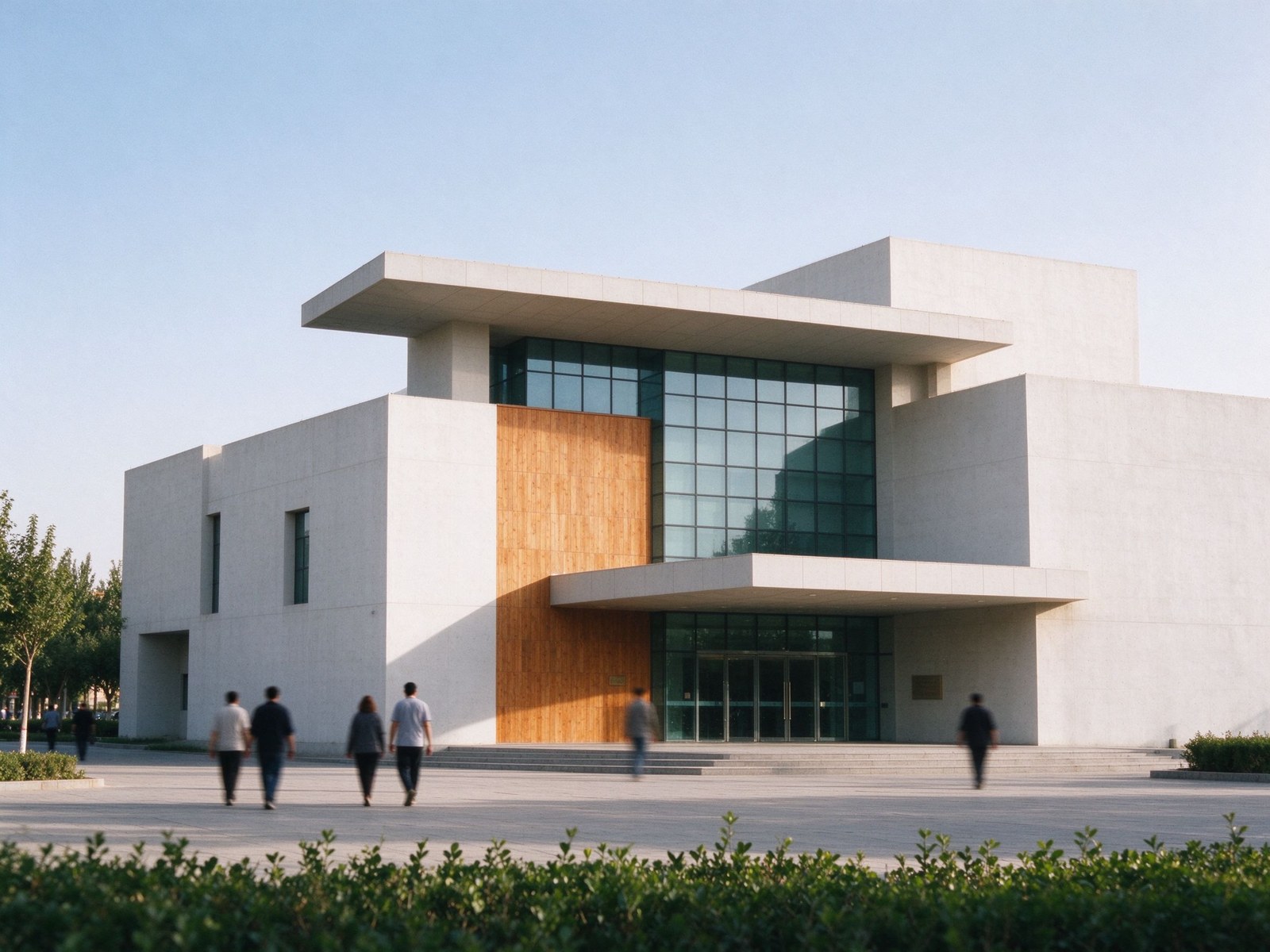
  3. Day 3 morning: Kashgar Regional Museum (28 Tianshan West Road; free, ID required) for Silk Road oasis textiles and Tang Buddhist sculpture
  4. Day 3 optional: re-visit the bazaar by daylight to compare dried-fruit and Atlas-silk stalls; or set off toward Tashkurgan (border permit via the 12367 mini-program required)

Adds the regional museum before you leave, a daylight re-walk of the bazaars, and buffer for onward Tashkurgan or departure.

6

Food & what to buy

Eat where Uyghur families queue after dusk: iron-wok plov, tandoor samsa, clay-pot jar-meat, grilled pigeon, fresh pomegranate juice and hand-churned ice cream. For souvenirs, buy naan you will eat today, sealed dried fruit by weight, and a real doppa hat—not the costume-shop props. Skip the over-packaged gift boxes at the old-town entrance where tour coaches stop; the markup is highest there.

  • Rose-petal and walnut naan from the tandoor—~¥3 each, best hot in the morning; it hardens by day two.
  • Raisins, walnuts and dates—buy sealed by weight at the Han Bazaar stalls; ask to re-weigh and watch for syrup-soaked additions.
  • Doppa (four-cornered Uyghur hats)—buy from a hat stall with visible stitching, not a photo-rental prop stack.
  • Atlas silk—turn the fabric over; handwoven is dense and irregular, printed copies look flat and uniform.
  • Jade and gem stalls—Kashgar has jade traffic but only buy from a fixed shop with a weight certificate; never from a curbside tray.
  • Pomegranate juice—buy it pressed to order at Han Bazaar; bottled souvenirs are sweeter and less bright.
7

Getting there & tips

Best time: September–October for mild air, harvest fruit and clear light on the adobe lanes; April–May is also pleasant. Summer is hot but the old town comes alive after dusk; winter is cold and quiet. · Temperate arid continental desert climate—very low humidity, hot summers, cold winters, strong sun, large day-night swings and occasional spring dust.

No metro in Kashgar: the old town, Id Kah Square and Han Bazaar form one walkable core. Ring sightseeing bus lines (环城旅游专线) connect the Old Town East Gate, Xiangfei Park and the food streets; ordinary buses are ¥1–2 and taxis cheap for short hops. Xiangfei Park is ~5 km northeast of town; Gaotai sits on the Tuman River at the old town's northeast edge. Kashgar is served by Kashgar Lai'ning International Airport (KHG), ~10–15 km northeast, and by Kashgar Railway Station (long-distance rail/sleeper from Urumqi). The city deploys taxi and ride-hailing fleets at both hubs; airport bus lines also run into the centre. Confirm the latest airport-bus and last-train times for late arrivals—they change by season.

Kashgar visitor handbook

Payments

Hotels, chain shops and official ticketing mini-programs accept Alipay/WeChat with bound foreign cards. Bazaar stalls, teahouses and food-street counters still prefer small cash—keep ¥300–500 in notes for plov skewers and weighed fruit; show Chinese addresses to taxi drivers.

Crowds & mosque timing

The old town is 24-hour open and best at the 10:30 opening ceremony and at golden hour. Id Kah Mosque closes to visitors during the five daily prayers and especially Friday noon—plan around prayer times and dress modestly. National holidays and Corban/Eid are peak.

Etiquette at Uyghur venues

Most local restaurants are halal—do not bring pork or outside alcohol in, use the right hand to pass food, and do not step over laid-out bread or food. At the mosque, cover shoulders/knees and remove shoes where asked; ask before photographing worshippers or residents in the lanes.

ID, border permits & security

Carry your passport at all times—security checks are frequent at the old-town gates, stations and the airport. No special permit is needed for Kashgar city itself, but going on to Tashkurgan (the Pamirs) requires a border permit (边防证), applied via the National Immigration Administration 12367 WeChat mini-program/app.

Time zone, weather & UV

China uses Beijing time, but Kashgar's social clock runs ~2 hours later—summer sunsets near 21:30. Dry desert-edge climate: hot summers, cold winters, large day-night swings and strong UV—carry sunscreen, a hat and water. At Pamir altitudes it is much colder; bring layers.

Getting around the city

The old town, Id Kah Square and Han Bazaar are walkable together. Ring sightseeing bus lines connect the East Gate, Xiangfei Park and food streets; taxis and Didi are cheap for short hops. There is no metro in Kashgar—plan on walking, buses and taxis.

Getting around

No metro in Kashgar: the old town, Id Kah Square and Han Bazaar form one walkable core.

Navigation

Ring sightseeing bus lines (环城旅游专线) connect the Old Town East Gate, Xiangfei Park and the food streets; ordinary buses are ¥1–2 and taxis cheap for short hops.

Pay

Metro, stalls, and rides mostly take Alipay or WeChat. Set up Alipay with a foreign card before you land.

Show this

Show the Chinese name “喀什” to drivers and staff. It beats a long English explanation.

MetroNo metro in Kashgar: the old town, Id Kah Square and Han Bazaar form one walkable core. Ring sightseeing bus lines (环城旅游专线) connect the Old Town East Gate, Xiangfei Park and the food streets; ordinary buses are ¥1–2 and taxis cheap for short hops. Xiangfei Park is ~5 km northeast of town; Gaotai sits on the Tuman River at the old town's northeast edge. Kashgar is served by Kashgar Lai'ning International Airport (KHG), ~10–15 km northeast, and by Kashgar Railway Station (long-distance rail/sleeper from Urumqi). The city deploys taxi and ride-hailing fleets at both hubs; airport bus lines also run into the centre. Confirm the latest airport-bus and last-train times for late arrivals—they change by season.
BusNo metro in Kashgar: the old town, Id Kah Square and Han Bazaar form one walkable core. Ring sightseeing bus lines (环城旅游专线) connect the Old Town East Gate, Xiangfei Park and the food streets; ordinary buses are ¥1–2 and taxis cheap for short hops. Xiangfei Park is ~5 km northeast of town; Gaotai sits on the Tuman River at the old town's northeast edge. Kashgar is served by Kashgar Lai'ning International Airport (KHG), ~10–15 km northeast, and by Kashgar Railway Station (long-distance rail/sleeper from Urumqi). The city deploys taxi and ride-hailing fleets at both hubs; airport bus lines also run into the centre. Confirm the latest airport-bus and last-train times for late arrivals—they change by season.
Taxi / DidiDidi or a licensed taxi is the simplest door-to-door. Set destination to “喀什” and pay in-app with Alipay/WeChat.

Kashgar hotels, transfers & popular bookings

Book tickets, transfers, and popular tours via partners first — then request deeper local experiences through ChinaPie.

Disclosure: Some links are affiliate links. ChinaPie may earn a commission on eligible bookings at no extra cost to you.

Prices shown are planning references only. Actual rates fluctuate with season, holidays, demand, and partner promotions — the price at checkout on the booking site is authoritative.

8

Kashgar FAQ & next step

Conversion stays soft — clear next steps: plan or request.

Is Kashgar safe for tourists?

Yes for typical tourist areas. Keep phones and bags secure on metro and in crowded night spots; use licensed taxis or Didi.

Do I need a visa to visit Kashgar?

Depends on your passport. Check ChinaPie Plan & Prep → Visa for 30-day visa-free and 240-hour transit options before booking.

Can I use Alipay in Kashgar?

Yes—foreigners can set up Alipay with passport + international card. See /prep/alipay-setup for the step-by-step guide.

Do foreigners need a special permit to visit Kashgar?

No special permit is needed for Kashgar city itself, but carry your passport at all times—security checks are frequent at the old-town gates, stations and the airport. If you continue on to Tashkurgan on the Pamirs, you DO need a border permit (边防证), applied via the National Immigration Administration 12367 WeChat mini-program/app before you go.

How much is Xiangfei Park (Apak Khoja Mausoleum), and when is it open?

The official Kashgar price notice sets entry at ¥40/person from 2025-07-17 (raised from ¥30), valid 5 years; child/student/senior discounts apply. The prefecture bureau lists hours 10:00–19:30; visitor platforms cite ~09:30–20:00. Performance-inclusive tickets cost extra. Confirm at the gate for your date.

When is Id Kah Mosque open to visitors, and what should I wear?

It is closed to visitors during the five daily prayers and especially Friday noon; platform listings cite roughly 10:00–14:00 and 16:00–19:00 but these shift with prayer times. Dress modestly (cover shoulders and knees), remove shoes where asked, and ask before photographing. Ticket pricing is not published on the fetched government pages—expect to pay a small fee at the gate (platforms cite ¥30–45; one currently shows free).

Is Kashgar Old Town free, and what is the opening ceremony?

The 3.6 km² old town is a free, open, inhabited 5A district—enter through security with your passport, 24 hours a day. The East Gate opening ceremony runs about 10:30 and 18:00 daily (Mondays/holiday shifts possible). In-district small sights and the sightseeing cart are paid separately; the bazaars and lanes themselves are free.

Which countries are visa-free for China in 2026?

China offers unilateral visa-free entry to 40+ countries including France, Germany, UK, Japan, South Korea, Singapore, Malaysia, Thailand, Italy, Spain, Netherlands, Switzerland, Sweden, Norway, Denmark, Finland, Belgium, Austria, Ireland, Portugal, Greece, and more. Stay: up to 30 days. IMPORTANT: US passport holders are NOT on the unilateral visa-free list and need a visa. Check latest list at China Immigration official site before travel.

How many days do I need in Kashgar?

Most first-timers do well with 1–3 days. Start with the 1-day core: old town on foot, then expand to 2–3 days if you want slower food and culture. Use Plan this city to turn stops into a workable week.

Can I pay with a foreign card in Kashgar?

Foreign cards work more often via Alipay / WeChat Pay tourist modes and some metro apps, but coverage still varies by merchant. Keep a small cash float and set payment apps up before peak sightseeing. See the practical section on this hub for city-specific notes.

Plan this city
KashgarCity hub
Plan