Fuzhou

Fuzhou · 福州

Fuzhou Travel Guide

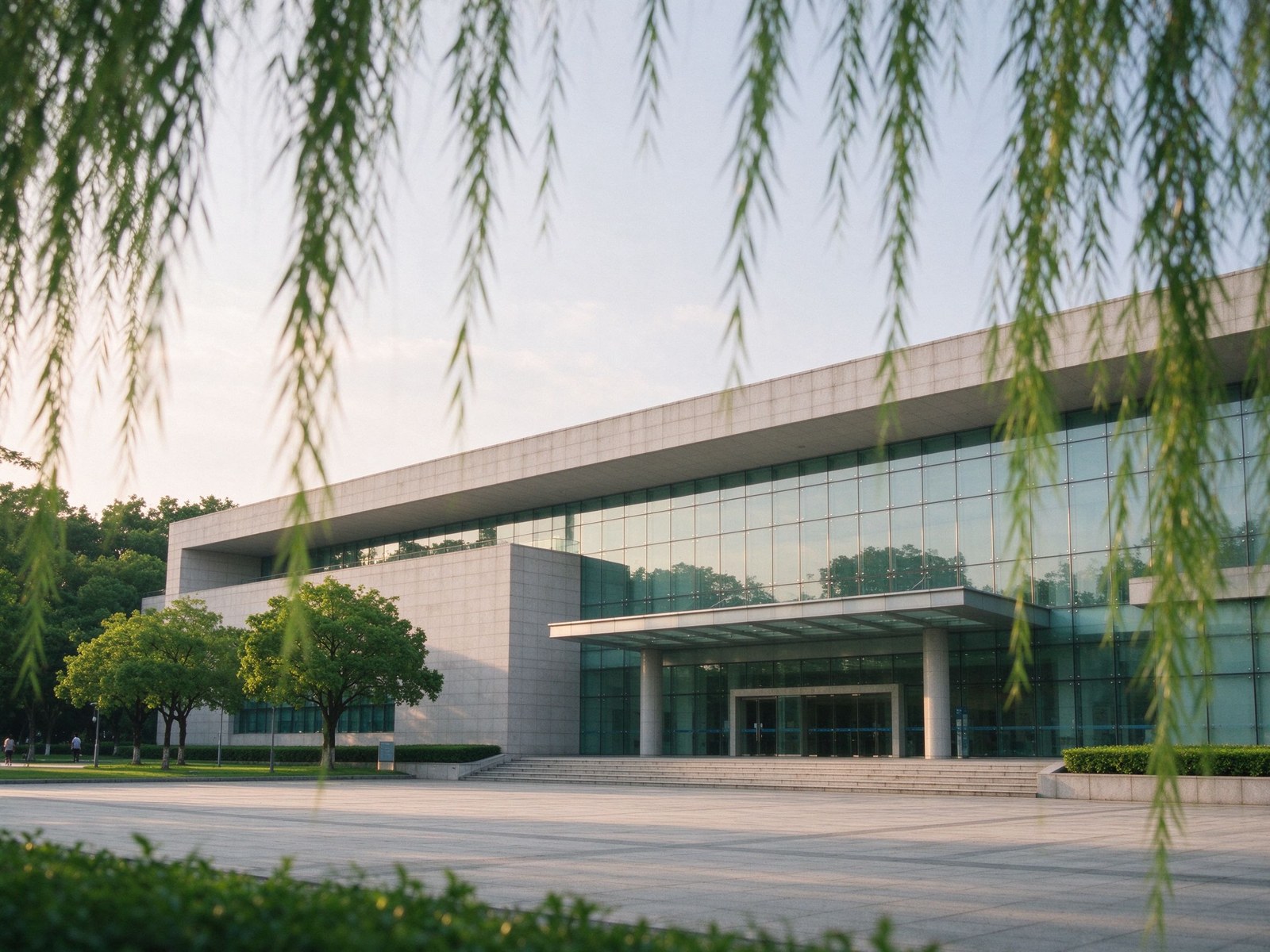
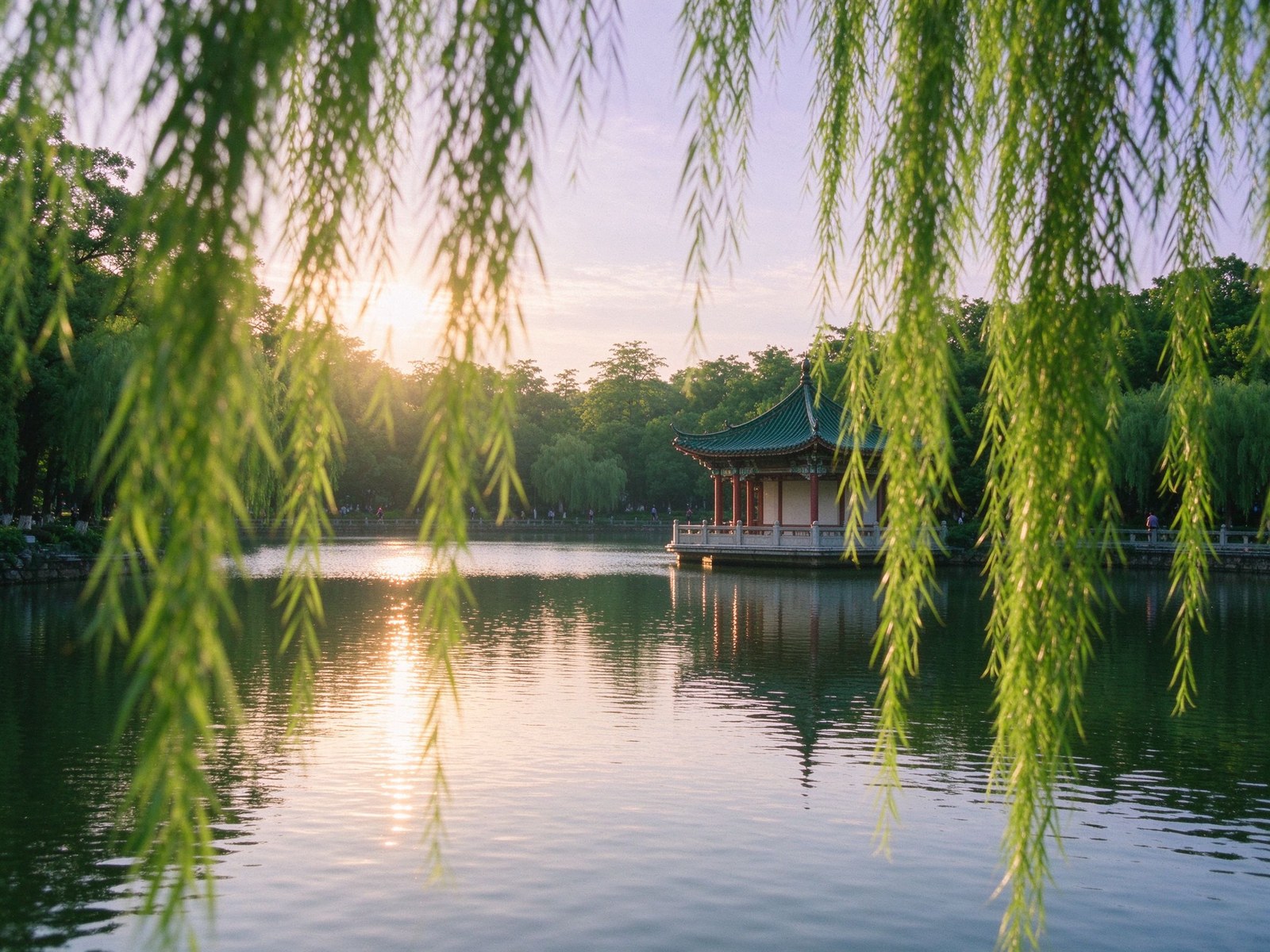
Fuzhou is the quiet Fujian capital most China itineraries skip: a walled Ming-Qing lane grid (Sanfang Qixiang) that bred the men who modernized China's navy, a provincial museum by a willow-lined lake, a forested Zen mountain with Tang-era cliff inscriptions, and a treaty-port hill where young locals now drink coffee—plus a metro express that reaches the airport in 30 minutes.

Slow China travelers who want a less-commercial old town off the beaten Beijing–Shanghai routeHistory travelers drawn to the Self-Strengthening Movement, Yan Fu and the Mawei shipyardFood travelers chasing Fuzhou's sweet-savory snacks: fish balls, meat wontons, taro pasteYoung travelers who like cafe-and-walk districts (Yantai Hill) without the crowds of Xiamen
Food cityHistory & cultureFirst-time friendly
Plan this city
1

Why make a special trip

Fuzhou is the quiet Fujian capital most China itineraries skip: a walled Ming-Qing lane grid (Sanfang Qixiang) that bred the men who modernized China's navy, a provincial museum by a willow-lined lake, a forested Zen mountain with Tang-era cliff inscriptions, and a treaty-port hill where young locals now drink coffee—plus a metro express that reaches the airport in 30 minutes.

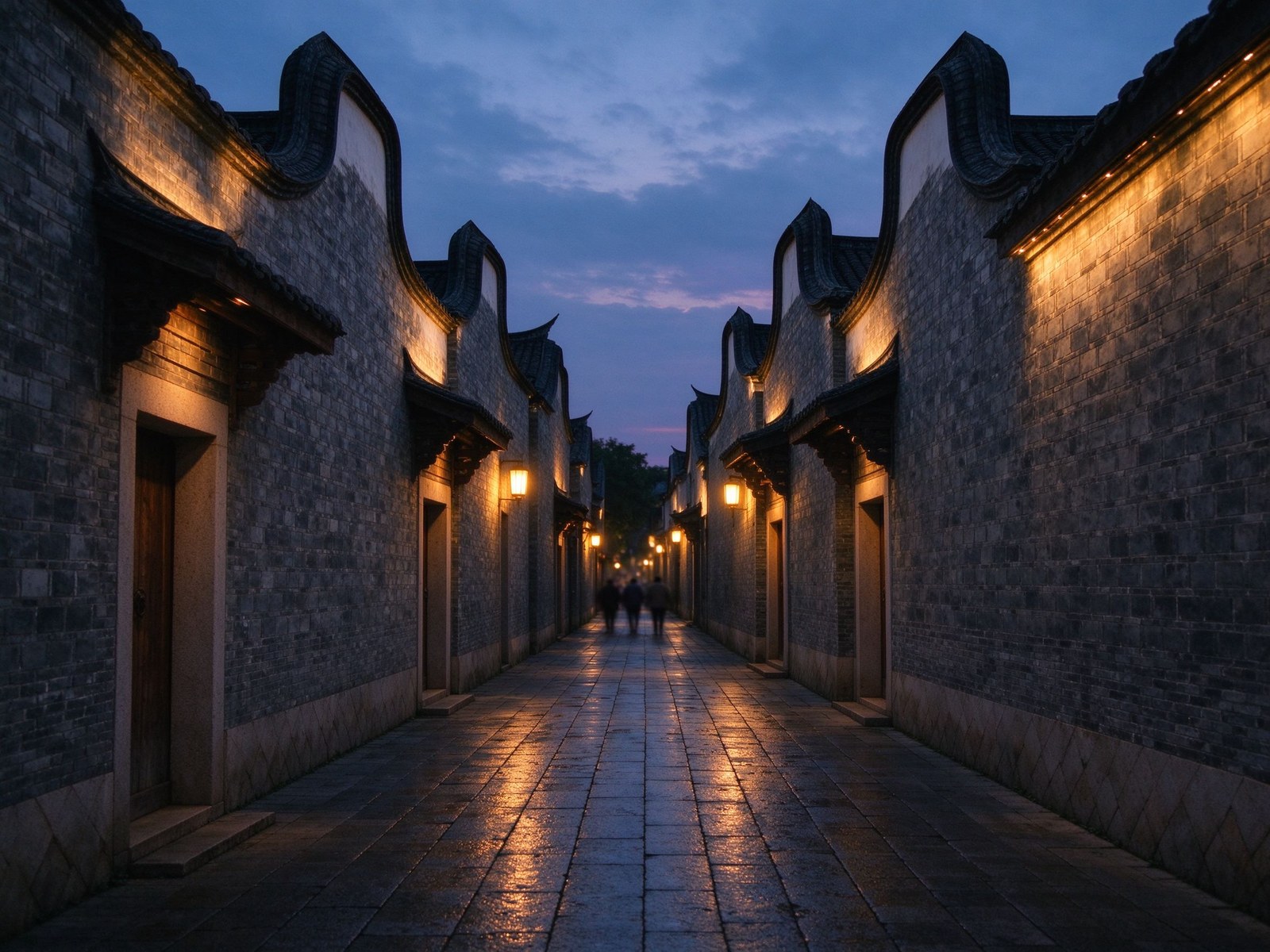
Sanfang Qixiang is a living Ming-Qing lane grid, not a rebuilt pedestrian mall

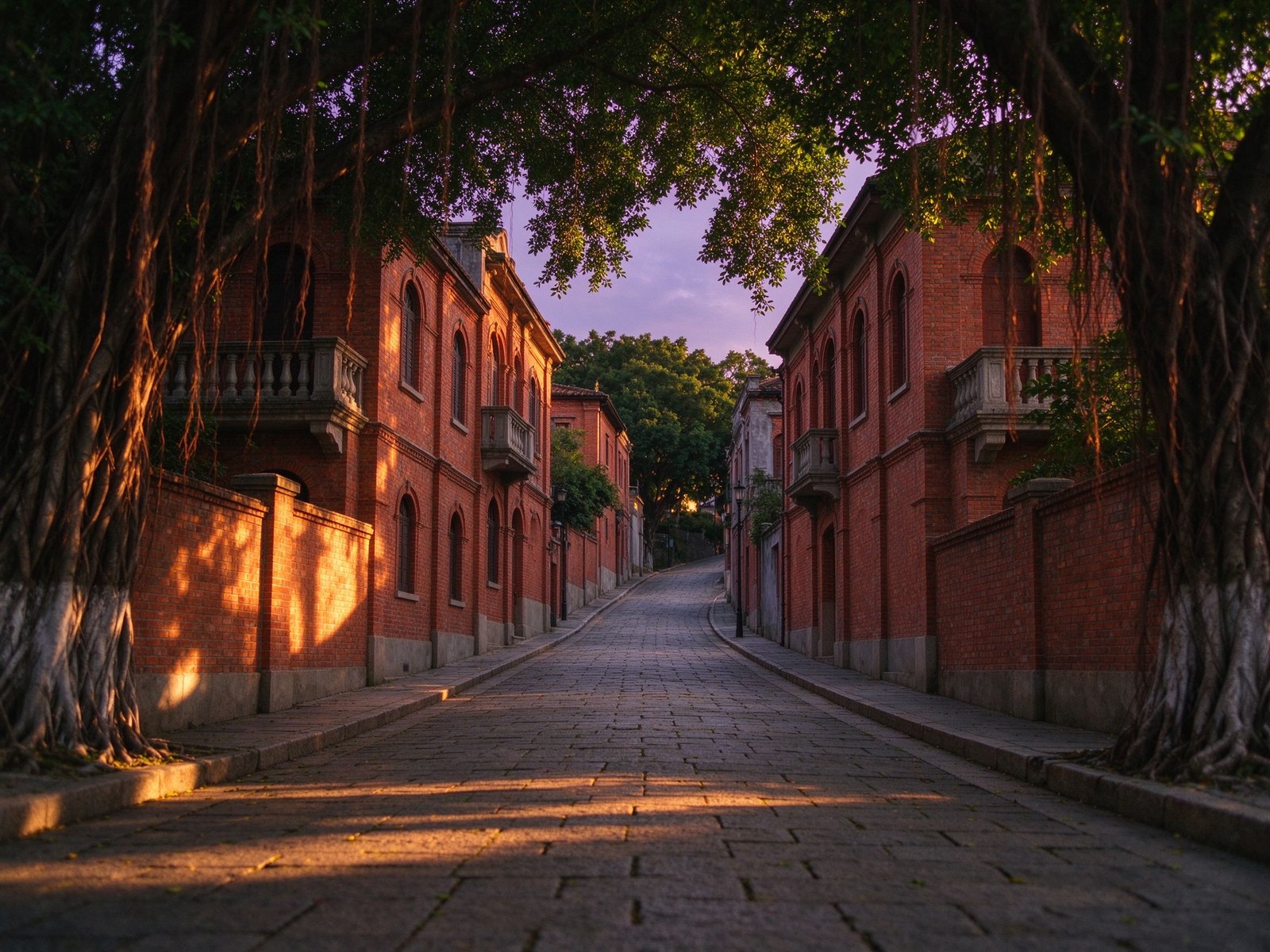
Forty hectares of lanes laid out since the Jin-Tang, home to Yan Fu, Shen Baozhen and Bing Xin. Wander the free public lanes at dawn before tour groups; pay into only the former-residence halls that matter to you—the combo ticket is not mandatory.

Fuzhou is where China's modern navy was born—at Mawei, an hour downriver

The Foochow Arsenal (1866) and its naval academy trained China's first modern officers; the free China Shipping Culture Museum on site explains the Self-Strengthening Movement and the 1884 Sino-French war. Pair it with the provincial museum for the full arc.

A Zen mountain with Tang cliff inscriptions sits on Metro Line 2

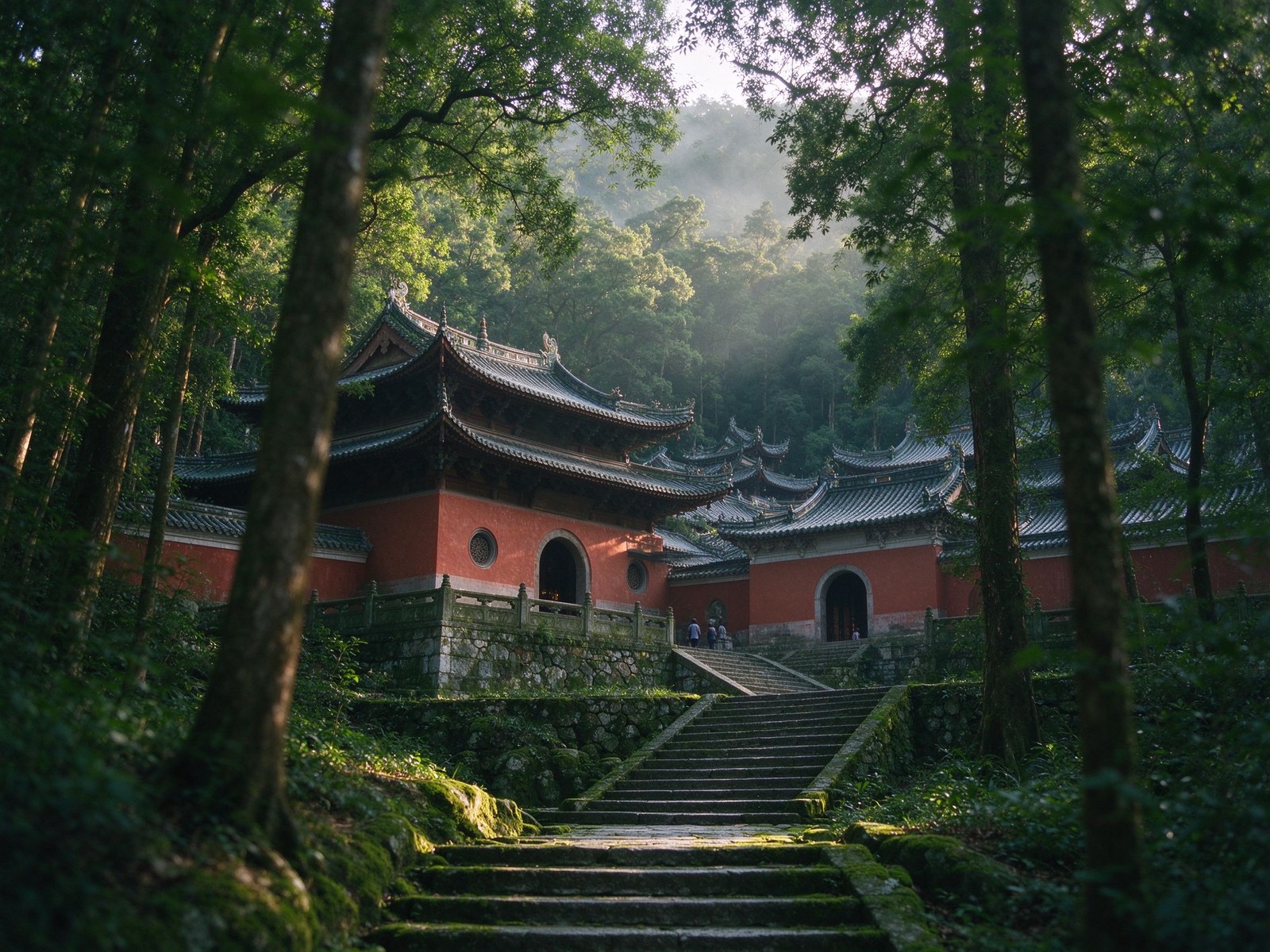
Gushan's Yongquan Temple ('crown of Fujian temples') is a short hike or cable-car ride up from the city. Hike the stone trail to read the cliff carvings; the mountain entry is free—only the temple hall charges ¥40.

2

Lanes at dawn, museum by the lake, a Zen mountain by metro

The city’s signature line — depth entry, not a checklist.

The signature Fuzhou sequence: dawn walk through the free Sanfang Qixiang lanes, a morning at Fujian Museum on West Lake's shore, then an afternoon on Gushan's cliff-carving trail up to Yongquan Temple. Close the day on Yantai Hill's treaty-port slope with coffee where young Fuzhou actually hangs out.

Related sight detail
3

Bookable experiences

ChinaPie’s main shelf — add to trip or request a slot.

Experience inventory is still growing — plan with routes & culture, or request a study day.

4

Sights & culture

Beyond ticket notes — read the city’s character first.

The 'li-fang' lane system fossilized in bricks

Sanfang Qixiang keeps the Jin-Tang urban ward ('li-fang') layout—three lanes west, seven alleys east, one central axis. Most 'historic streets' in China are rebuilt; here the walled grid and the grey-brick facades are continuous since the Ming-Qing. Read the lane names, not just the storefronts.

Yan Fu and the men who opened China to the modern world

Yan Fu, who translated Darwin and Adam Smith into Chinese, lived here; so did Shen Baozhen, who ran the Mawei shipyard. These lanes produced the generation that tried to modernize Qing China—wander and notice how many former residences are museums.

The Foochow Arsenal: modern China's first navy

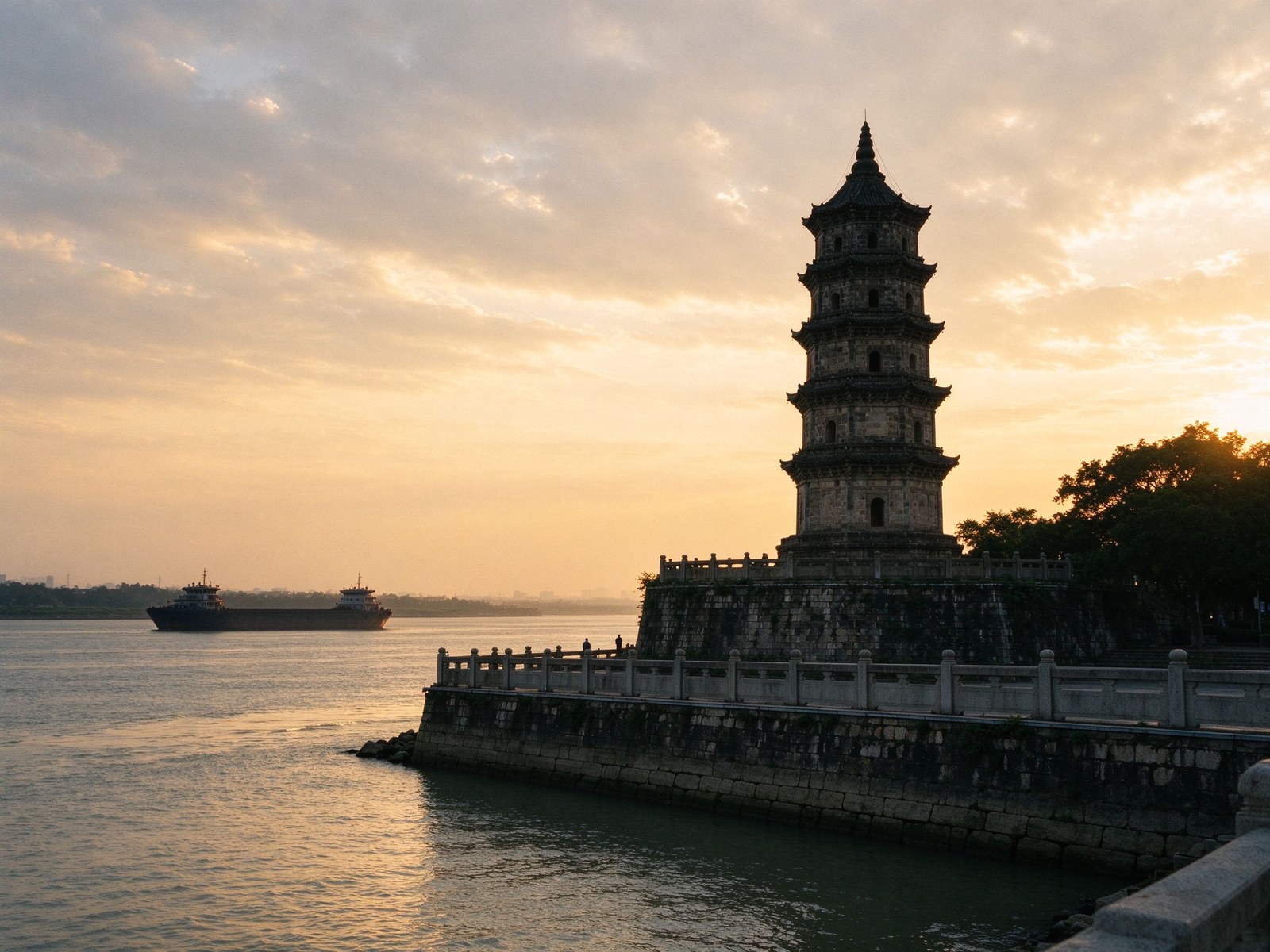
Founded in 1866 in Mawei, the Foochow Arsenal and its naval academy (Fujian Naval Academy) built ships and trained officers for a new navy, crushed by the French in the 1884 Battle of Fuzhou. The museum there is the most direct way to understand China's 19th-century self-strengthening attempt.

Distant mountains and the 'half-mountain, half-city' tea culture

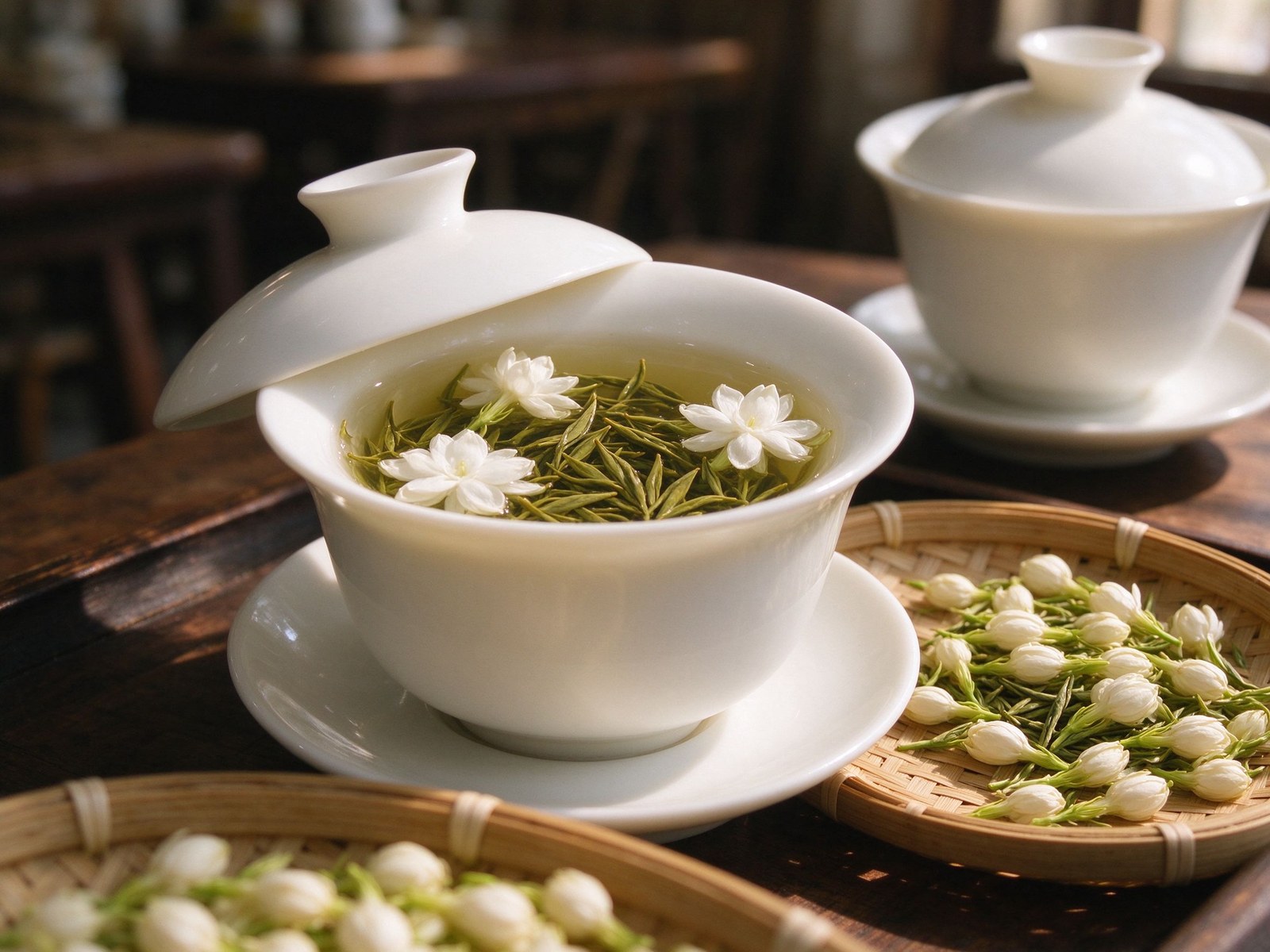
Fuzhou sits in a basin ringed by hills—Gushan to the east, Wushu/Yu Hill in the middle of town. It is the home of jasmine-scented tea (molihua) and Shouguang, and the local habit is morning tea with guobian rice paste. Tea houses, not bars, are the default evening room.

Yantai Hill: the treaty-port Fuzhou no one teaches you

After the 1842 treaty, foreign consulates and mission schools settled this Cangshan hill across the Min River. The red-brick villas, churches and banyan-lined streets now host cafes and galleries—this is where young locals actually spend weekends, not in the old tourist lanes.

5

1–3 day routes

Executable skeletons: 1-day essence, 2-day dual-store study, 3-day with Shenhou porcelain.

1-day

1-day core: old lanes, museum, food street

  1. Morning: enter Sanfang Qixiang from Nanhou Street at opening; walk the free lanes, pick 1–2 paid former-residence halls (Yan Fu / Lin Juemin-Bing Xin)
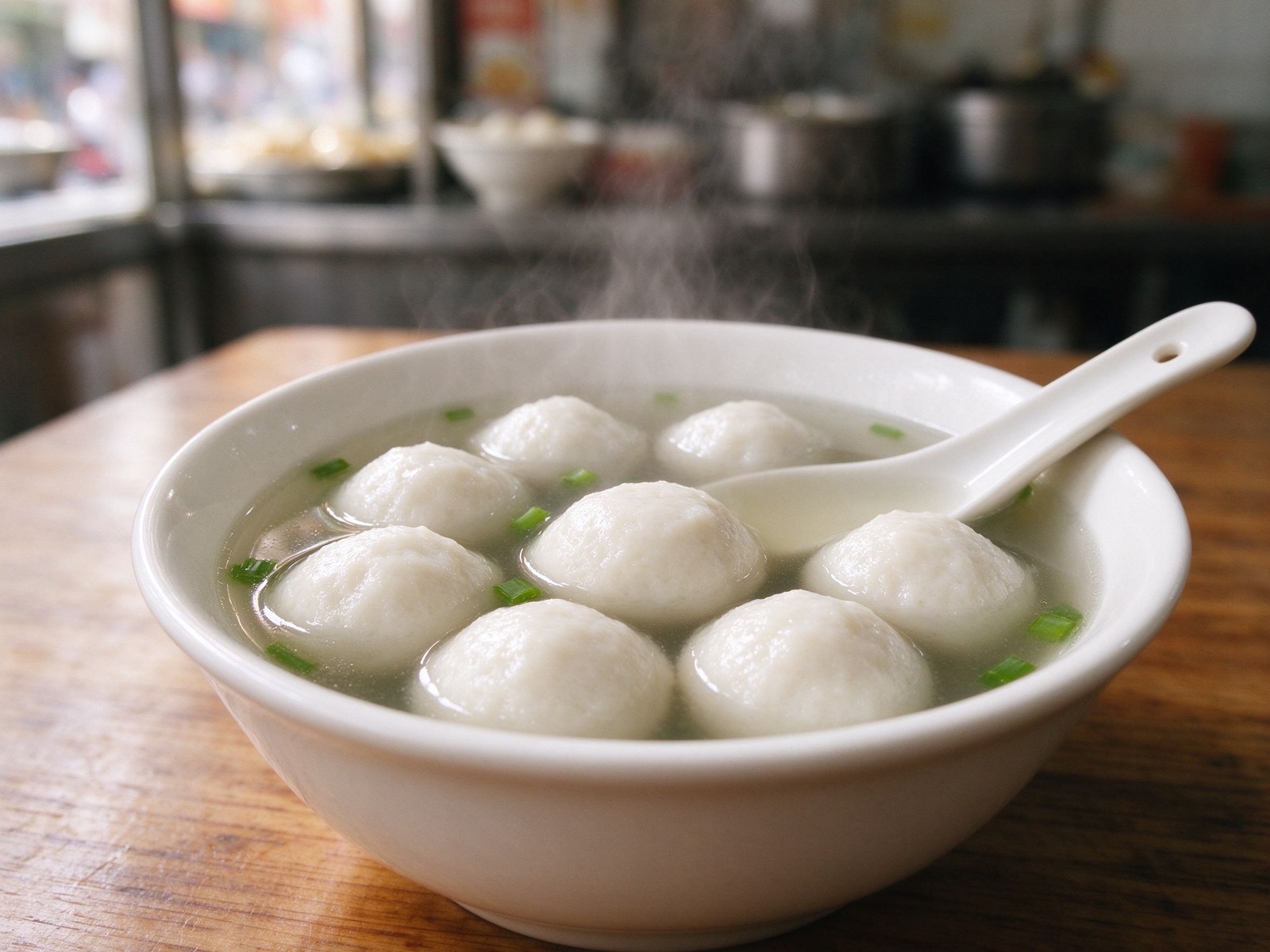
  2. Midday: Fuzhou snacks on Nanhou / Daming Road—fish balls, meat wontons (rouyan), taro paste, guobian hu
  3. Afternoon: Fujian Museum by West Lake (closed Mondays); combine with a slow walk around free West Lake Park
  4. Evening: back to Daming Food Street opposite Sanfang Qixiang's south gate for night stalls, or Shangxia Hang riverside lanterns

For travelers with a single day between trains. Built around Sanfang Qixiang's morning quiet and the museum's Monday closure.

2-day

2-day loop: add Gushan mountain + Yantai Hill

  1. Day 1: Sanfang Qixiang morning → Fujian Museum + West Lake afternoon → Daming / Shangxia Hang evening food
  2. Day 2 morning: Metro Line 2 to Gushan; hike the stone trail reading cliff inscriptions up to Yongquan Temple (¥40), or take the cable car up
  3. Day 2 late afternoon: cross to Cangshan's Yantai Hill treaty-port slope—restored villas, bakeries and river views over the Min

For culture-and-walk travelers who want both the old lane grid and a forested Zen mountain.

3-day

3-day depth: Mawei shipyard + hot springs

  1. Day 1: Sanfang Qixiang lanes → Fujian Museum → old-town snacks
  2. Day 2: Gushan morning (Yongquan Temple, cliff carvings) → Yantai Hill coffee slope dusk
  3. Day 3 morning: bus/taxi ~1 h to Mawei for the free China Shipping (Hanyang) Culture Museum—the Foochow Arsenal and naval academy
  4. Day 3 evening: unwind at an urban hot-spring pool (Fuzhou is one of China's few 1,700-year hot-spring cities) before an early flight/train

Adds the Self-Strengthening Movement shipyard downriver and Fuzhou's 1,700-year hot-spring identity.

6

Food & what to buy

Fuzhou cooking is sweet-savory and soup-heavy: hand-beaten fish balls (yuwan) with pork filling, meat wontons (rouyan) pounded from pork, taro paste (yuni) laced with pork fat, and guobian hu rice-paste soup for breakfast. Eat at old neighborhood stalls near Nan Hou Street and Shangxia Hang rather than the polished food court. For souvenirs, buy vacuum-packed fish balls and jasmine tea you will actually brew; the 'eight Fuzhou delicacy' gift boxes at the lane entrance are marked up where tour coaches stop.

  • Jasmine tea (molihua longzhu)—buy loose-leaf and ask to smell the bloom; machine-scented versions smell flat, hand-piled ones are headier. Check the production date—fresh scent matters more than brand.
  • Vacuum-packed fish balls (yuwan)—choose refrigerated short-shelf packs; they keep 2–3 days chilled, longer frozen. The filling (pork/shrimp) should burst when bitten.
  • Rouyan (meat wontons) frozen packs—locals boil them in clear broth; avoid the fried instant versions, which lose the pounded-pork skin texture.
  • Shoushan stone carvings (Shoushan shi)—only buy from a certified craft shop; the soft pyrophyllite fakes with resin are common. Small seals make light, real souvenirs; large carvings need appraising.
  • Fuzhou light pastry (guangbing / futou pastry)—sesame guangbing is the historical military ration; buy it same-day from a bakery, it stales fast.
  • Old building cultural-creative items (former-residence museum shops)—water-xie stage and Yan Fu study bookmarks are well-made; the Sanfang Qixiang ice cream cone is for eating on the spot, not travel.
7

Getting there & tips

Best time: October–December and March–April for comfortable temperatures; avoid the humid 35°C+ July–August. Spring brings jasmine bloom; late autumn gives the clearest light on Gushan. · Humid subtropical—one of China's hottest summer cities, with long steamy summers, short mild damp winters, and typhoon/rain season from June to September.

Metro covers the core: Line 1 runs north–south through Dongjiekou (Sanfang Qixiang) and Fuzhou South Station; Line 2 reaches Gushan; the new Binhai Express (Line F1) links Fuzhou Railway Station to Changle Airport in ~30 min. Yantai Hill and Shangxia Hang are walkable clusters on the Cangshan/Taijiang sides. Mawei shipyard needs a ~1 h bus or taxi ride. Changle International Airport (FOC) is ~45 km east; the Binhai Express metro connects it to Fuzhou Railway Station in ~30 min (fast express), about 6:00–22:30. Fuzhou Railway Station (city centre) is on Line 1; Fuzhou South Station (HSR) is also on Line 1. Airport bus is an alternative if the last train has gone.

Fuzhou visitor handbook

Payments

Metro, malls and chain cafes accept Alipay/WeChat with bound foreign cards. Old snack stalls and temple ticket booths may prefer cash or local QR—keep ¥100–200 small notes for fish balls and temple entry. Show Chinese addresses to Didi drivers; museum entry uses passport or ID.

Crowds & timing

Fujian Museum is closed Mondays (except holidays) and extends to 20:00 on weekends—go Tue–Fri morning for calm. Sanfang Qixiang's lanes fill after 10:00 with tour groups; dawn or after 19:00 is best. Gushan's cable car queues by late morning on weekends. Cherry-blossom (March) and National Day (Oct) peak.

Etiquette at temples & museums

At Yongquan Temple, dress modestly (cover shoulders/knees) and follow the one-way visitor flow; no photography inside main halls where signs say so. In the museum, no flash and no tripods; do not touch exhibits. Keep voices low in the residential lanes—people still live here.

Weather & the 'furnace' summer

Fuzhou is one of China's hottest summer cities: July–August is humid, 35°C+ with thunderstorms; winters are short and damp. Best visits are October–December and March–April. Carry water and an umbrella—showers arrive fast, and the stone trails on Gushan get slick.

Getting to the airport & stations

The Binhai Express Line (metro) runs from Fuzhou Railway Station to Changle International Airport (FOC) in as fast as ~30 min, roughly 6:00–22:30. Fuzhou South Railway Station (HSR to Xiamen/Shanghai) is on Metro Line 1. Confirm the last train for late arrivals—it shifts by holiday.

Connectivity & transit cards

Use the Alipay/WeChat metro QR for all six Fuzhou metro lines—no token needed. Free Wi-Fi is limited; get a local SIM or eSIM for multi-day stays. Mawei and Guian hot springs are not on the metro—use a bus or Didi for the ~1 h ride.

Getting around

Metro covers the core: Line 1 runs north–south through Dongjiekou (Sanfang Qixiang) and Fuzhou South Station; Line 2 reaches Gushan; the new Binhai Express (Line F1) links Fuzhou Railway Station to Changle Airport in ~30 min.

Navigation

Yantai Hill and Shangxia Hang are walkable clusters on the Cangshan/Taijiang sides.

Pay

Metro, stalls, and rides mostly take Alipay or WeChat. Set up Alipay with a foreign card before you land.

Show this

Show the Chinese name “福州” to drivers and staff. It beats a long English explanation.

MetroMetro covers the core: Line 1 runs north–south through Dongjiekou (Sanfang Qixiang) and Fuzhou South Station; Line 2 reaches Gushan; the new Binhai Express (Line F1) links Fuzhou Railway Station to Changle Airport in ~30 min. Yantai Hill and Shangxia Hang are walkable clusters on the Cangshan/Taijiang sides. Mawei shipyard needs a ~1 h bus or taxi ride. Changle International Airport (FOC) is ~45 km east; the Binhai Express metro connects it to Fuzhou Railway Station in ~30 min (fast express), about 6:00–22:30. Fuzhou Railway Station (city centre) is on Line 1; Fuzhou South Station (HSR) is also on Line 1. Airport bus is an alternative if the last train has gone.
BusMetro covers the core: Line 1 runs north–south through Dongjiekou (Sanfang Qixiang) and Fuzhou South Station; Line 2 reaches Gushan; the new Binhai Express (Line F1) links Fuzhou Railway Station to Changle Airport in ~30 min. Yantai Hill and Shangxia Hang are walkable clusters on the Cangshan/Taijiang sides. Mawei shipyard needs a ~1 h bus or taxi ride. Changle International Airport (FOC) is ~45 km east; the Binhai Express metro connects it to Fuzhou Railway Station in ~30 min (fast express), about 6:00–22:30. Fuzhou Railway Station (city centre) is on Line 1; Fuzhou South Station (HSR) is also on Line 1. Airport bus is an alternative if the last train has gone.
Taxi / DidiDidi or a licensed taxi is the simplest door-to-door. Set destination to “福州” and pay in-app with Alipay/WeChat.

Fuzhou hotels, transfers & popular bookings

Book tickets, transfers, and popular tours via partners first — then request deeper local experiences through ChinaPie.

Disclosure: Some links are affiliate links. ChinaPie may earn a commission on eligible bookings at no extra cost to you.

Prices shown are planning references only. Actual rates fluctuate with season, holidays, demand, and partner promotions — the price at checkout on the booking site is authoritative.

8

Fuzhou FAQ & next step

Conversion stays soft — clear next steps: plan or request.

Is Fuzhou safe for tourists?

Yes for typical tourist areas. Keep phones and bags secure on metro and in crowded night spots; use licensed taxis or Didi.

Do I need a visa to visit Fuzhou?

Depends on your passport. Check ChinaPie Plan & Prep → Visa for 30-day visa-free and 240-hour transit options before booking.

Can I use Alipay in Fuzhou?

Yes—foreigners can set up Alipay with passport + international card. See /prep/alipay-setup for the step-by-step guide.

Do I need to buy a Sanfang Qixiang ticket, and what does it cost?

The district and lanes are free to walk. Only the former-residence halls charge: a combined ticket is ¥70, or pay individually (Shuixie Stage/Xiaohuanglou ¥20, Yan Fu Residence ¥15, etc.). Visit the free lanes at dawn; pay only for the 1–2 halls you actually want. Hours roughly 8:30–17:00 for halls, visitor centre to 22:00.

Is Fujian Museum free, do I need a reservation, and when is it closed?

Entry is free and the official guide says general walk-in needs no advance reservation (book special exhibits via WeChat). It is closed Mondays except holidays; Tue–Fri 09:00–18:00 (last entry 17:30), weekends/holidays 09:00–20:00 (last entry 19:30). It sits right by West Lake Park—pair them.

How do I get from Fuzhou Changle Airport (FOC) to the city centre?

Take the Binhai Express metro line: the fast express connects Changle Airport to Fuzhou Railway Station in as fast as ~30 minutes, running roughly 6:00–22:30. Fuzhou Railway Station is on Metro Line 1 for Dongjiekou/Sanfang Qixiang. Airport bus is the fallback after the last train.

Is Gushan (Drum Mountain) free, and how do I reach Yongquan Temple?

Hiking the mountain is free; only Yongquan Temple charges ¥40 (annual pass ¥50) and the Eighteen Scenes ¥10. Take Metro Line 2 to Gushan Station, then hike the ancient stone trail (Tang-Song cliff inscriptions) or ride the cable car (round trip ¥70 / one-way ¥50 per the 2023 committee reply—verify at the booth).

Which countries are visa-free for China in 2026?

China offers unilateral visa-free entry to 40+ countries including France, Germany, UK, Japan, South Korea, Singapore, Malaysia, Thailand, Italy, Spain, Netherlands, Switzerland, Sweden, Norway, Denmark, Finland, Belgium, Austria, Ireland, Portugal, Greece, and more. Stay: up to 30 days. IMPORTANT: US passport holders are NOT on the unilateral visa-free list and need a visa. Check latest list at China Immigration official site before travel.

How many days do I need in Fuzhou?

Most first-timers do well with 1–3 days. Start with the 1-day core: old lanes, museum, food street, then expand to 2–3 days if you want slower food and culture. Use Plan this city to turn stops into a workable week.

Can I pay with a foreign card in Fuzhou?

Foreign cards work more often via Alipay / WeChat Pay tourist modes and some metro apps, but coverage still varies by merchant. Keep a small cash float and set payment apps up before peak sightseeing. See the practical section on this hub for city-specific notes.

Plan this city
FuzhouCity hub
Plan