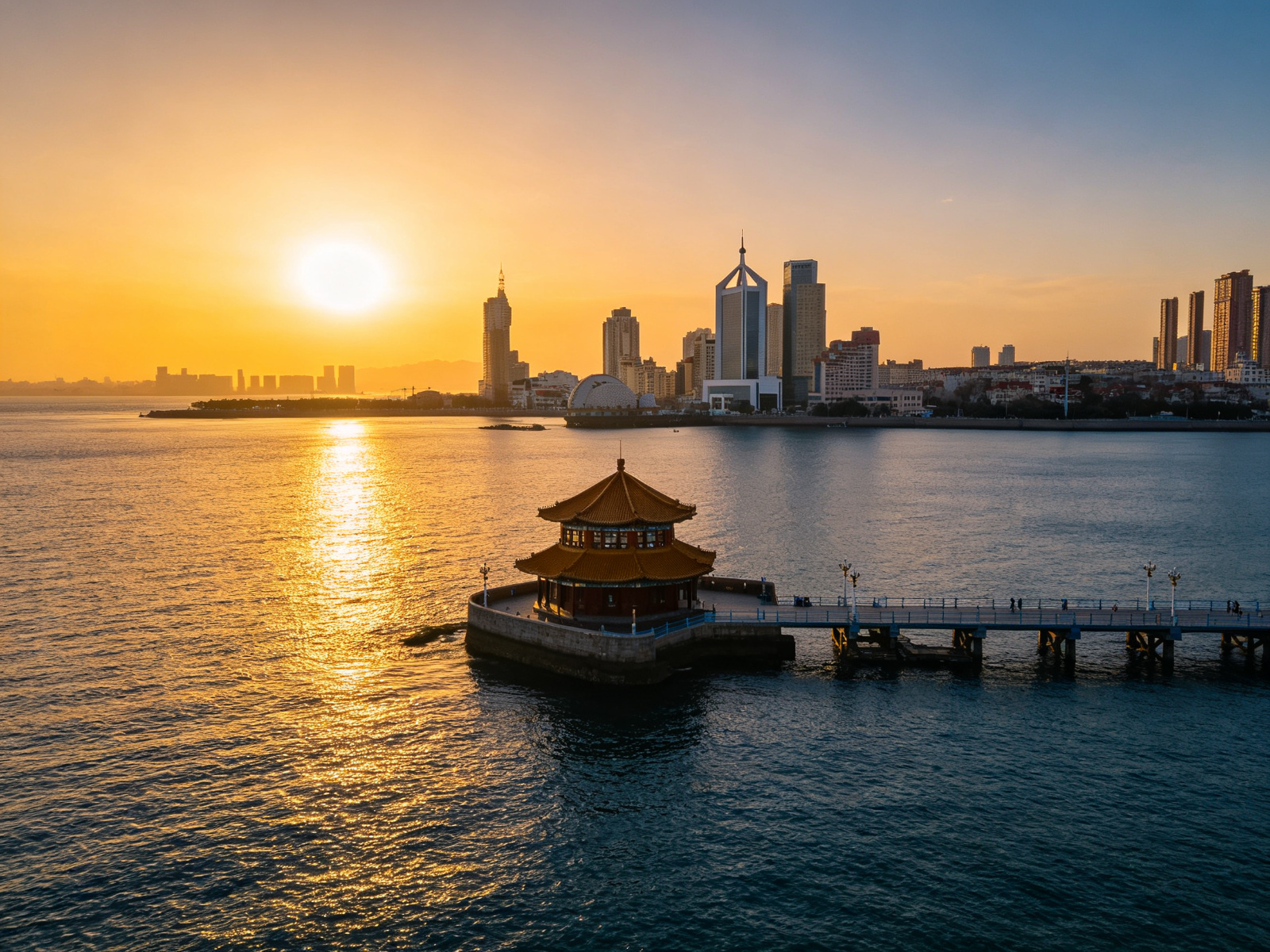
The panda base is a research facility, not a zoo
Book a timed morning slot online before arrival—pandas are active at feeding around 07:30 and rest after 10:00. Use the visit to watch how the breeding program works, not just to photograph bears.

Chengdu · 成都
Chengdu pairs a living giant-panda conservation base with 2,200 years of Shu civilization—Wuhou Shrine's loyalty culture, Du Fu's cottage, and Li Bing's UNESCO irrigation works—all paced by the slowest teahouse life of any Chinese metropolis.
Reviewed city visuals — not AI-generated route maps.
Book a timed morning slot online before arrival—pandas are active at feeding around 07:30 and rest after 10:00. Use the visit to watch how the breeding program works, not just to photograph bears.
Wuhou Shrine, Jinli Street and the Kuanzhai Alleys sit in the same central cluster. Read Zhuge Liang's memorial in the morning, then watch how Qing-era streetscapes were reactivated around it.
People's Park is where locals spend an afternoon: bamboo chairs, mahjong tables, ear-cleaning service. Sit for an hour before judging what 'slow Chengdu' means—this is civic life, not a performance.
The city’s signature line — depth entry, not a checklist.
The signature Chengdu day: timed morning entry at the panda base to catch feeding, then back downtown for Wuhou Shrine's red-wall bamboo corridor, lantern-lit Jinli at dusk, and a split-pot hotpot dinner. It is the line that makes the city's dual cores—conservation and civilization—visible in 12 hours.
Add to trip to compare and prepare; check partner links for slots and price when shown.
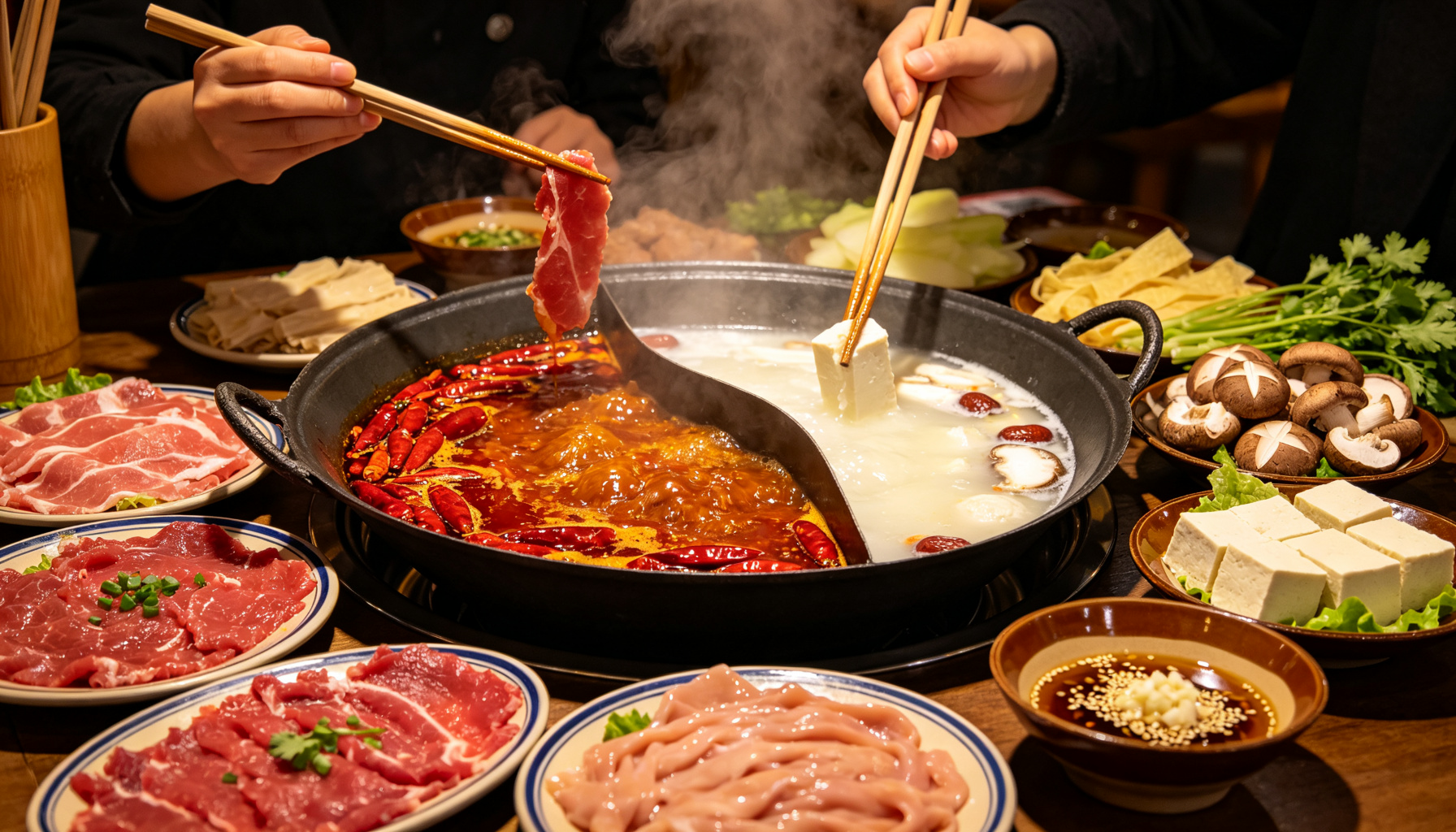
The Chengdu hotpot from the videos. You pick the spice — no Mandarin needed.
PopularGiant pandas while they’re still awake. Book the morning, skip the crowds.

The 24-hour bathhouse from TikTok. Soak, eat, sleep — and how to pick one.

Trending culture experience in Chengdu.

Trending culture experience in Chengdu.

Trending culture experience in Chengdu.
Beyond ticket notes — read the city’s character first.
The only Chinese temple built to a prime minister rather than a sovereign. Zhuge Liang's 'chu shi biao' frames 1,800 years of how Sichuan remembers loyalty and governance—read the steles before the red-wall bamboo corridor.
Du Fu lived in Chengdu roughly 759–765 and wrote much of his late poetry in a thatched cottage. The cottage garden today is a memorial, not a reconstruction—useful context for why the city treats poets as founding figures.
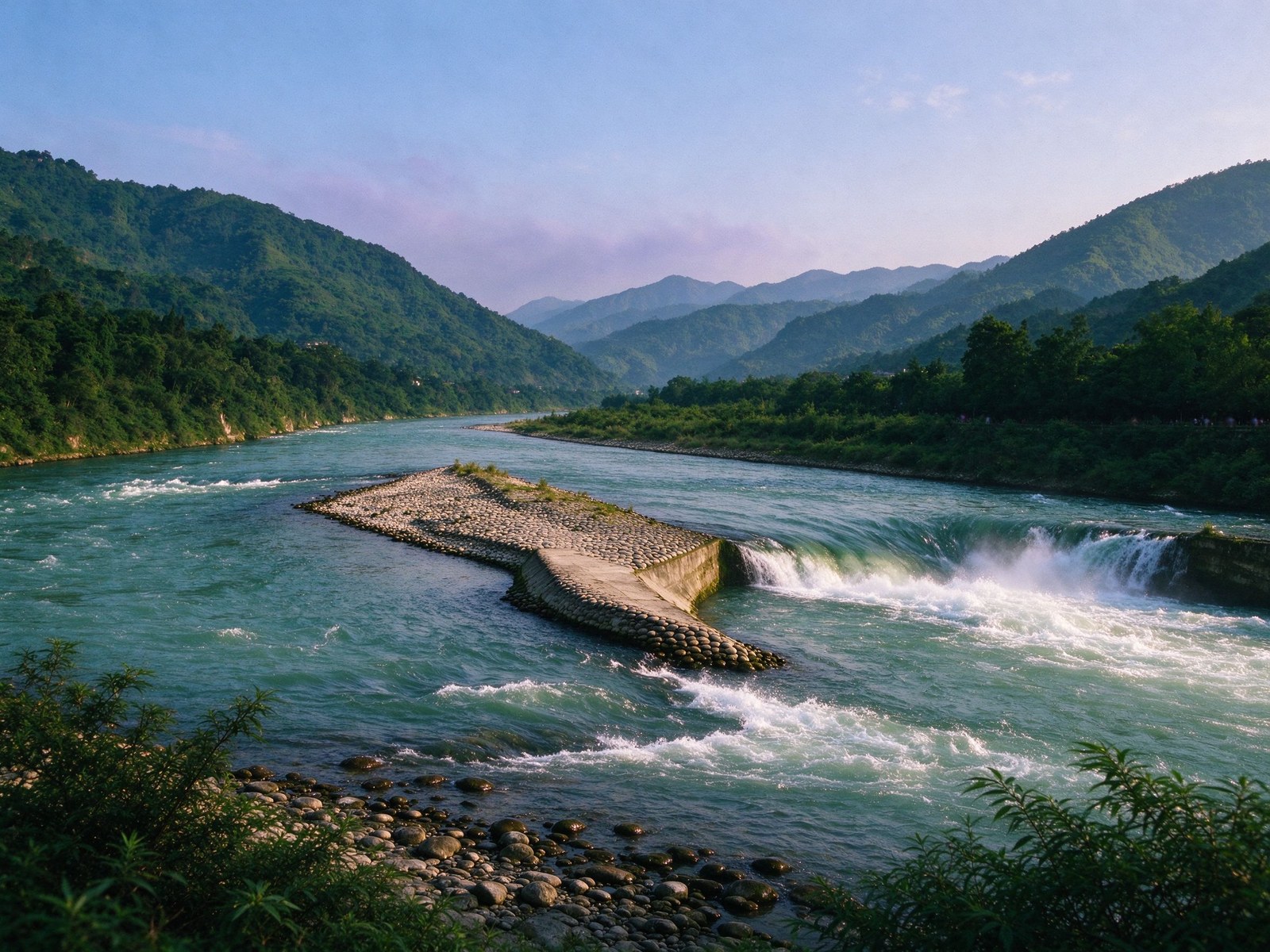
Li Bing's 3rd-century BCE fish-mouth levee and baopingkou channel water from the Min River into the Chengdu Plain. Inscribed as UNESCO heritage in 2000, it is a working irrigation system, not a museum piece—watch the water move, don't just photograph the bridge.
From Jin-era scholars to today's mahjong tables, the Sichuan teahouse has long been where Chengdu conducts public life. A gaiwan tea costs little; the point is the two hours around it.
Bian lian (face-changing) is a trained stage craft, not a magic trick for tourists. Watch the discipline of the sleeves and the rhythm—shows run nightly in old-town theatres.
Tickets, duration, transport — ready for your trip cart.
100+ giant pandas. Arrive before 8am when they're most active at feeding time.
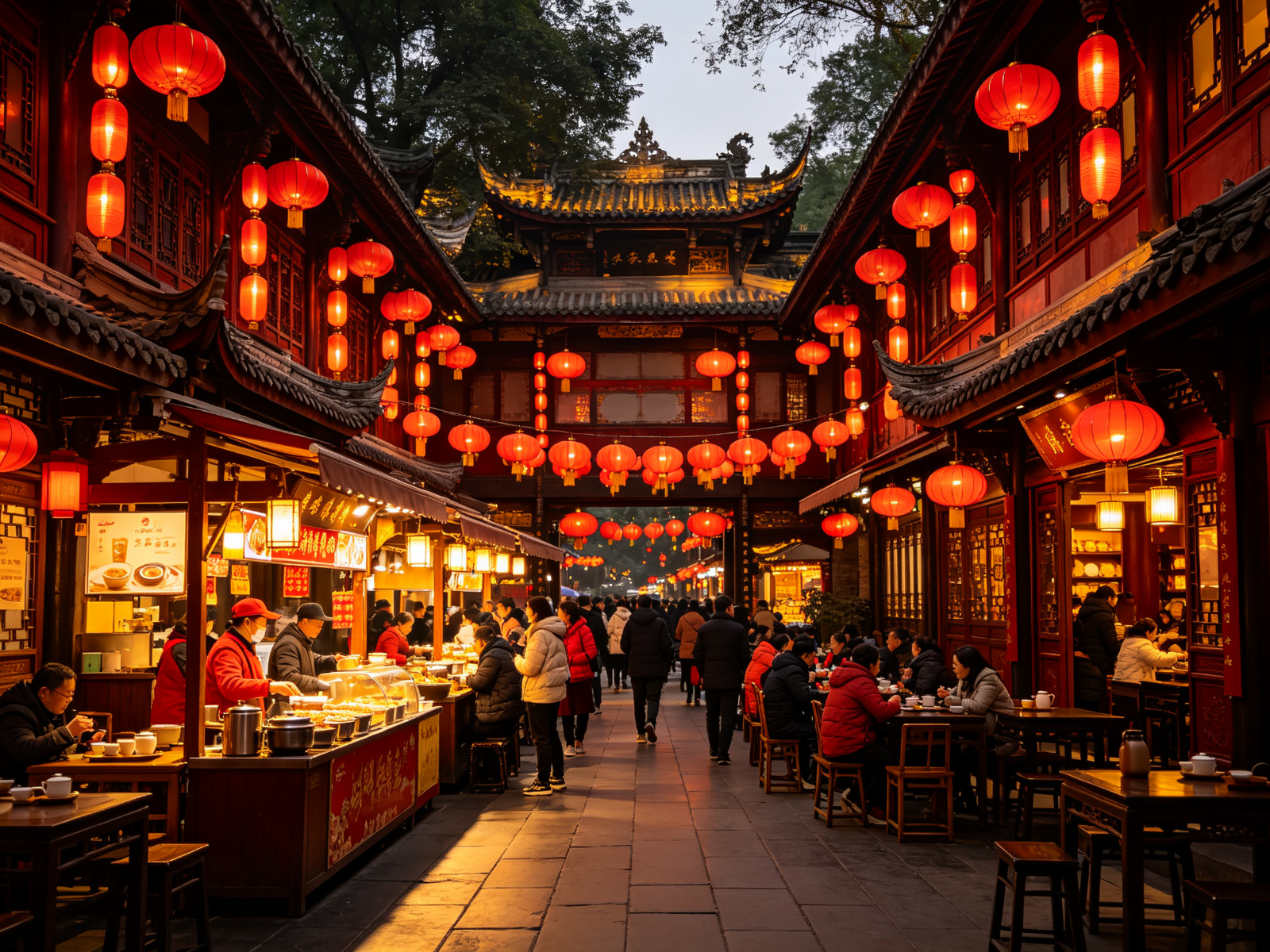
Restored Qing-era street with snacks, tea houses, Sichuan opera. Best at evening with red lanterns.
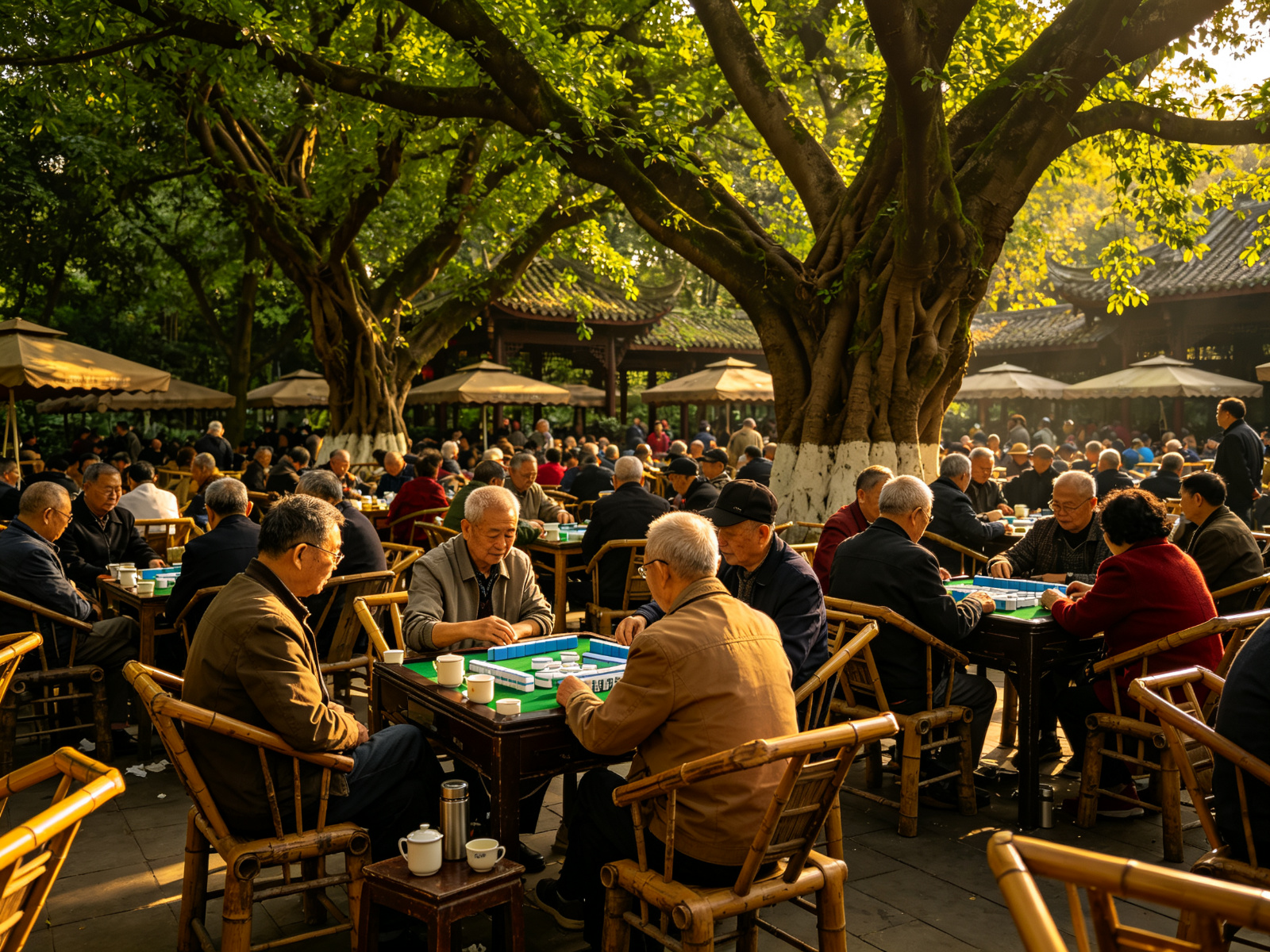
Most authentic Chengdu: bamboo-chair tea, ear cleaning (采耳), mahjong watching.
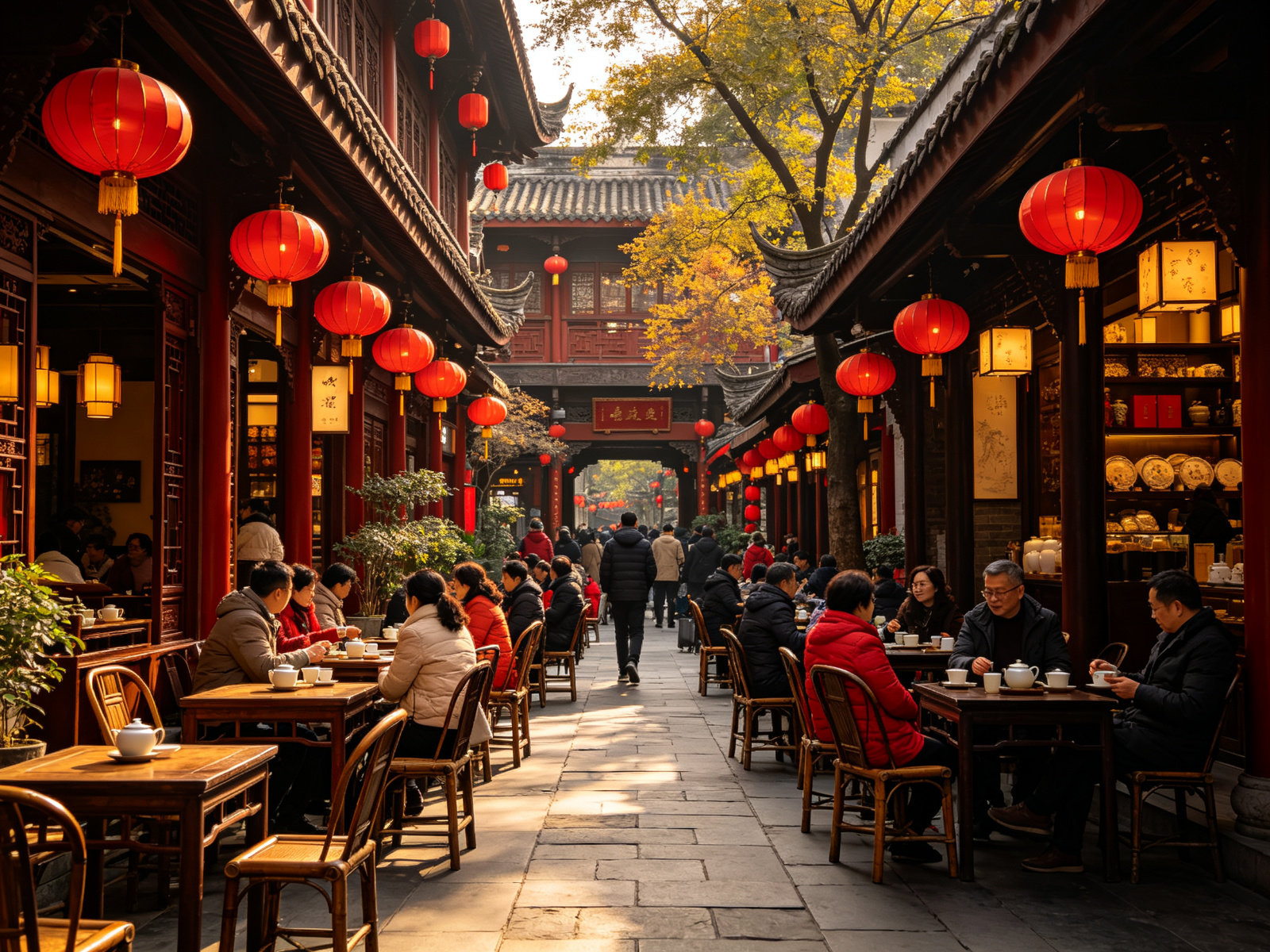 Popular
Qing-era alleyways with boutiques and tea houses. Narrow Alley is quieter.
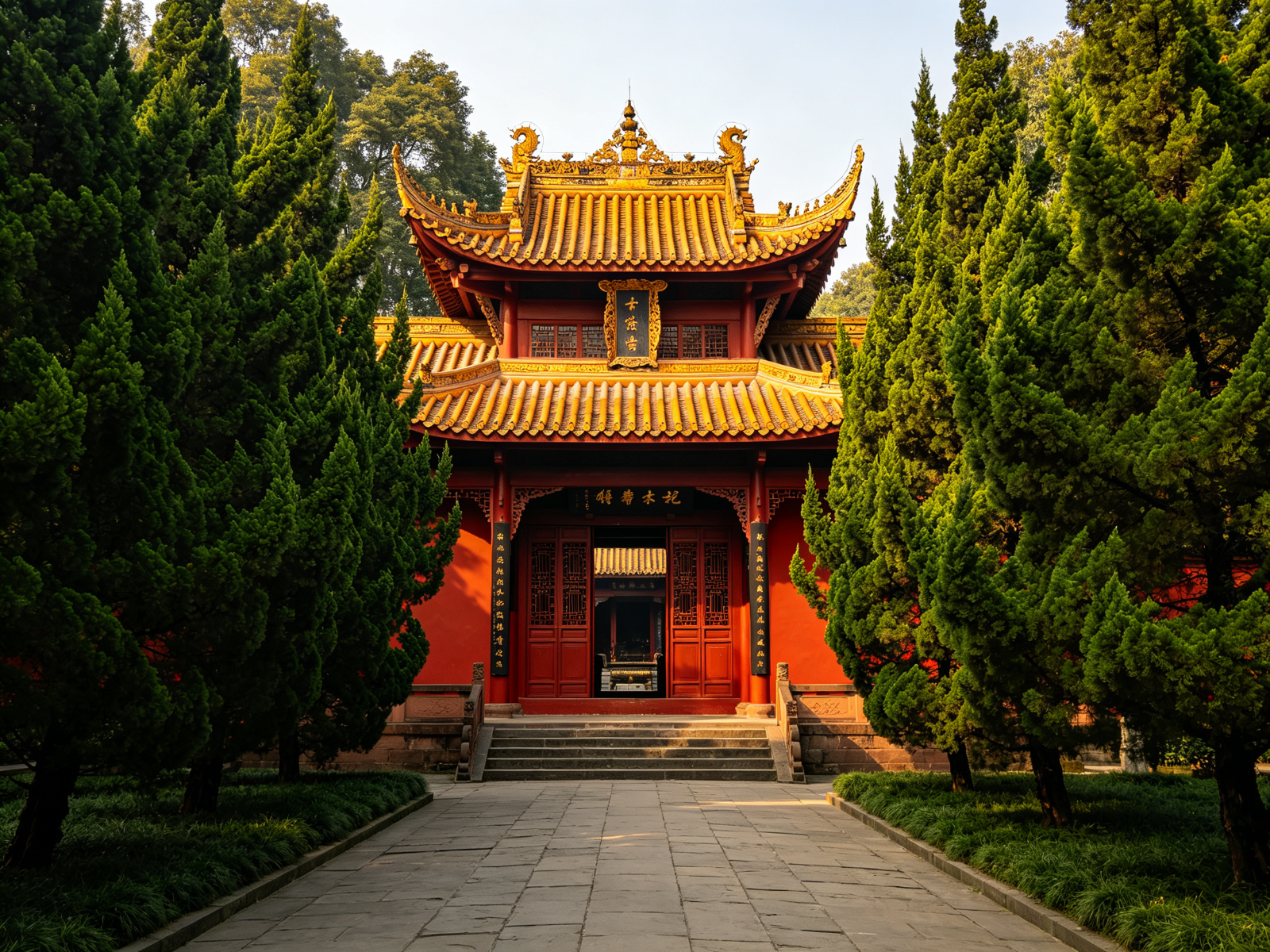 Popular
China's only prime minister temple (Zhuge Liang). Red wall bamboo corridor is iconic.
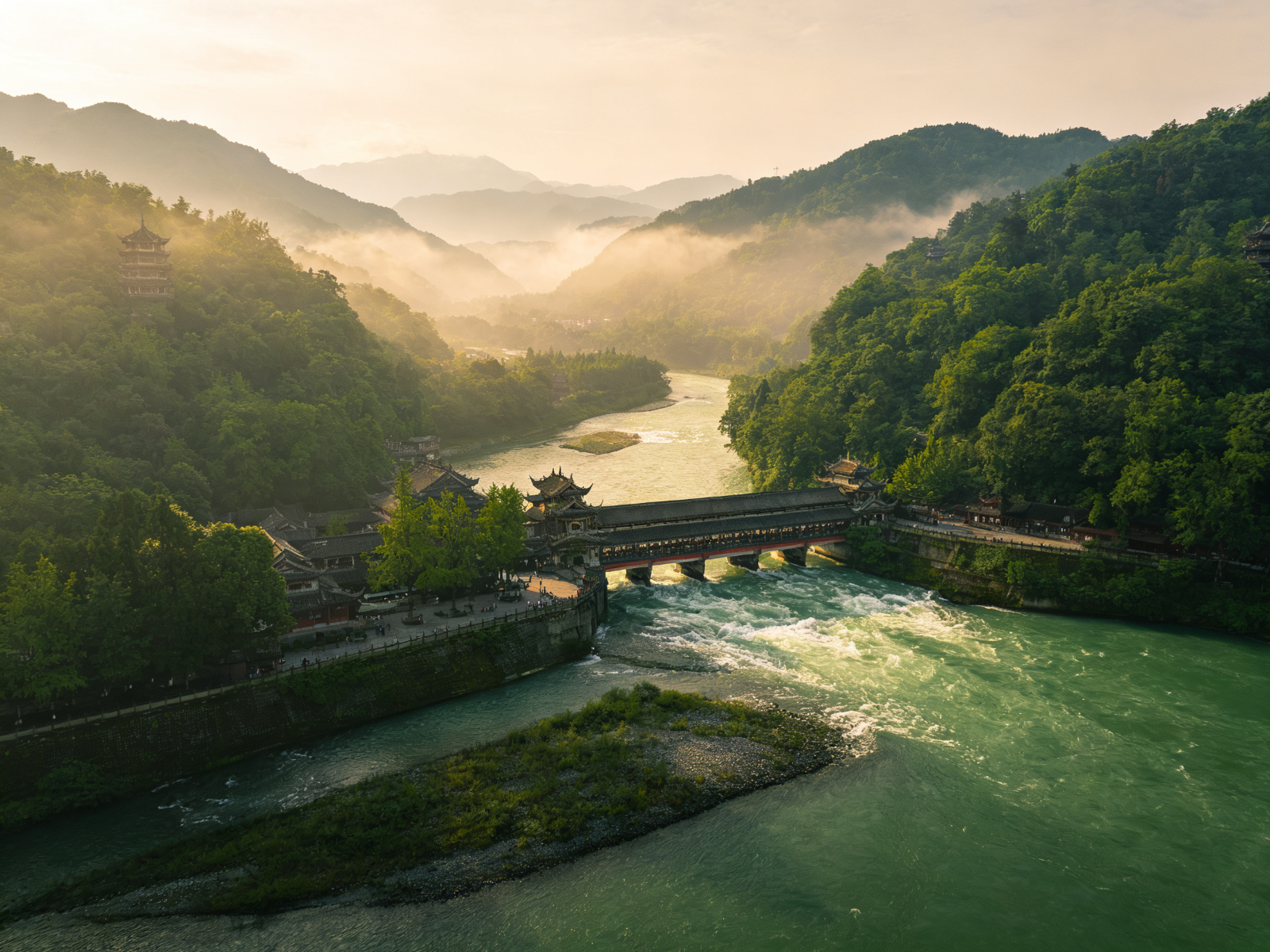 Popular
2,200-year-old UNESCO irrigation system still in use. 30min by high-speed train.
Executable skeletons: day-by-day anchors you can trim to fit.
1-day
For travelers who arrive early or leave the same evening. Pace built around the 07:30 panda feeding.
Eat where neighbors queue, not where tour coaches stop. Order a split pot your first night, ask for wei la (mild), and remember Sichuan numbness (ma) is different from heat (la). For souvenirs, buy sealed pastes and tea you will actually use—skip the 'three local specialties' bundles sold on Jinli, where markup is highest.
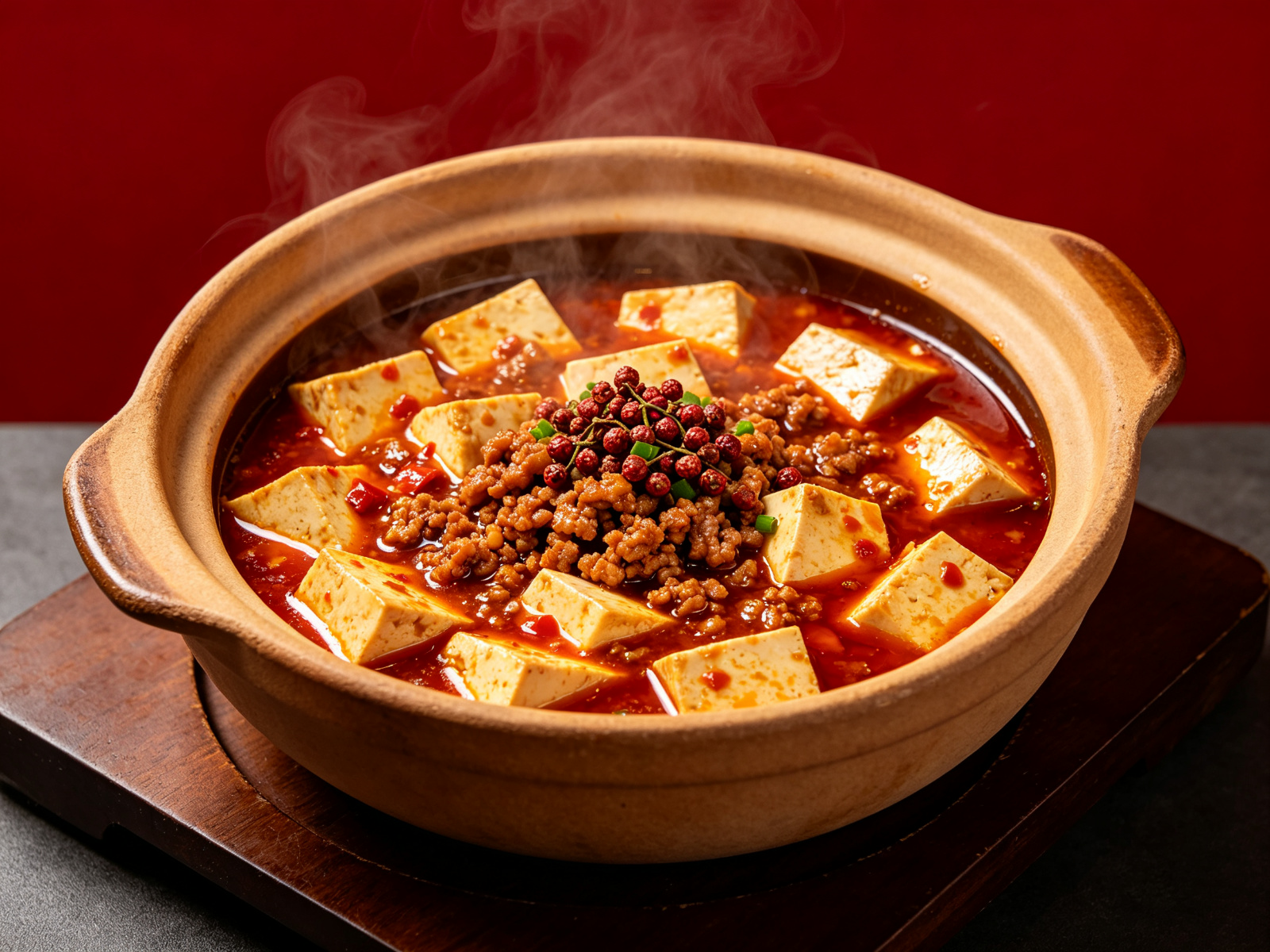
Soft tofu in spicy numbing sauce. Signature Sichuan dish.
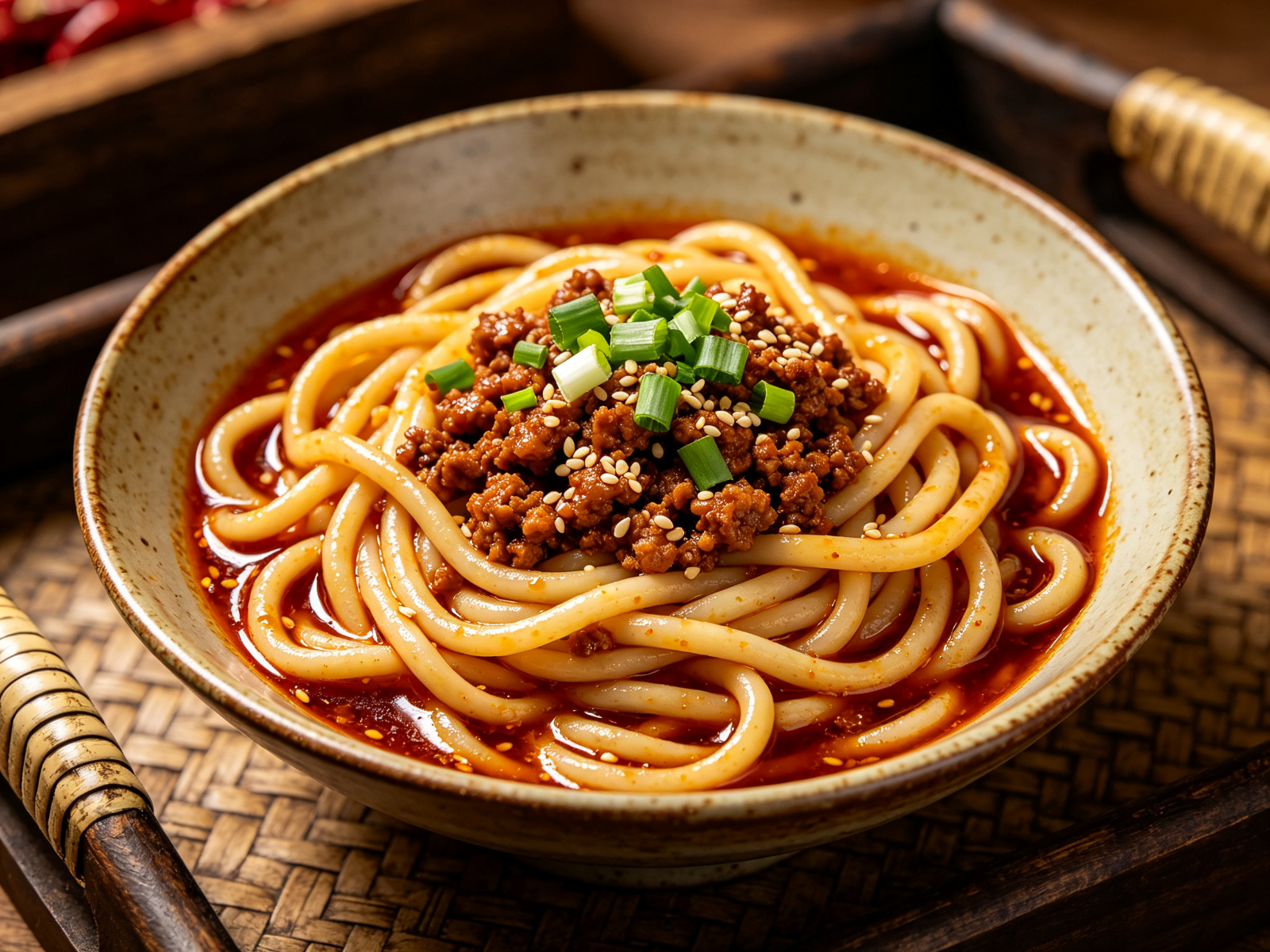
Spicy noodles with minced pork and chili oil.
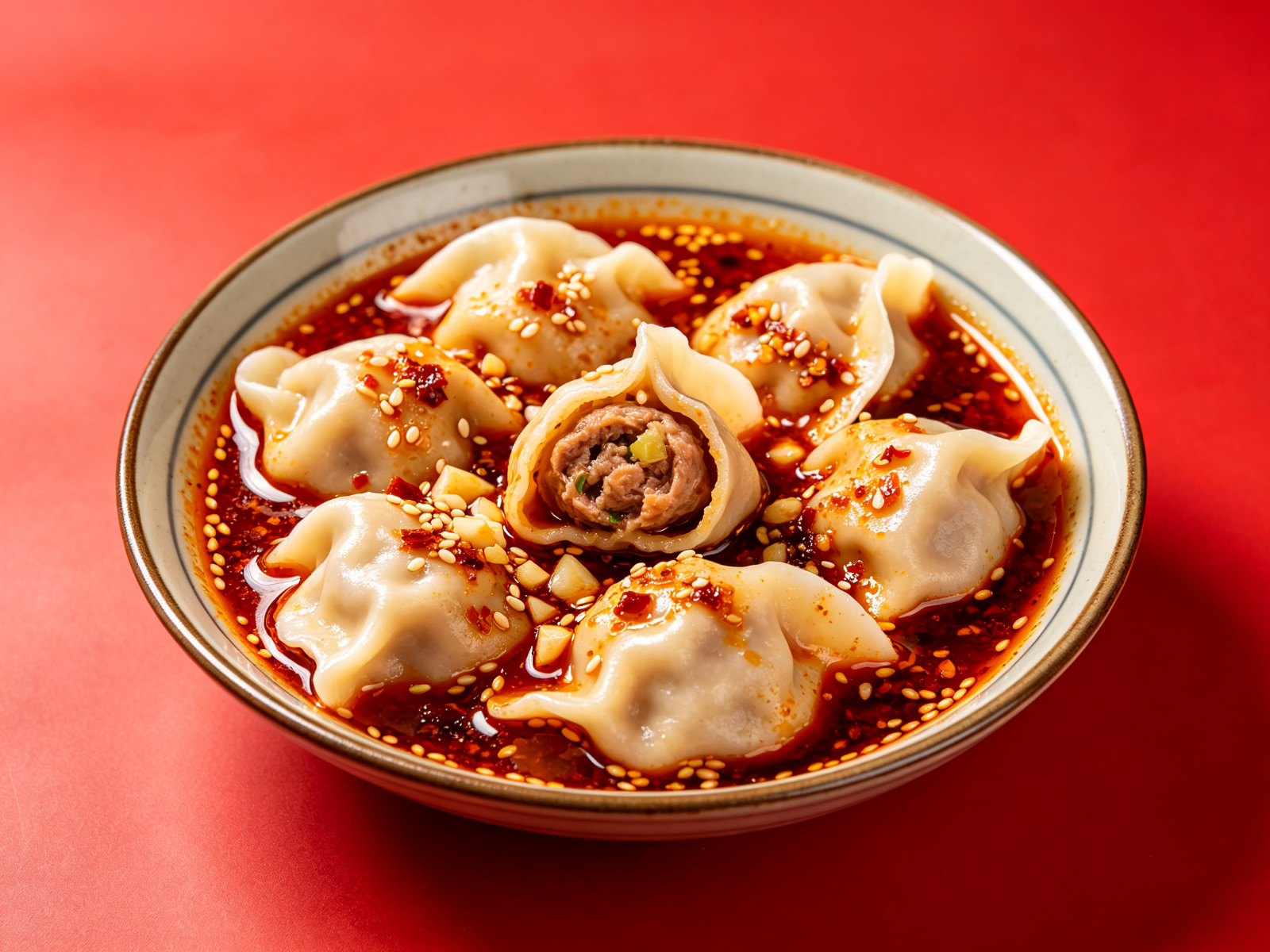 Popular
Pork dumplings in sweet-spicy red oil. Unique sweet kick.
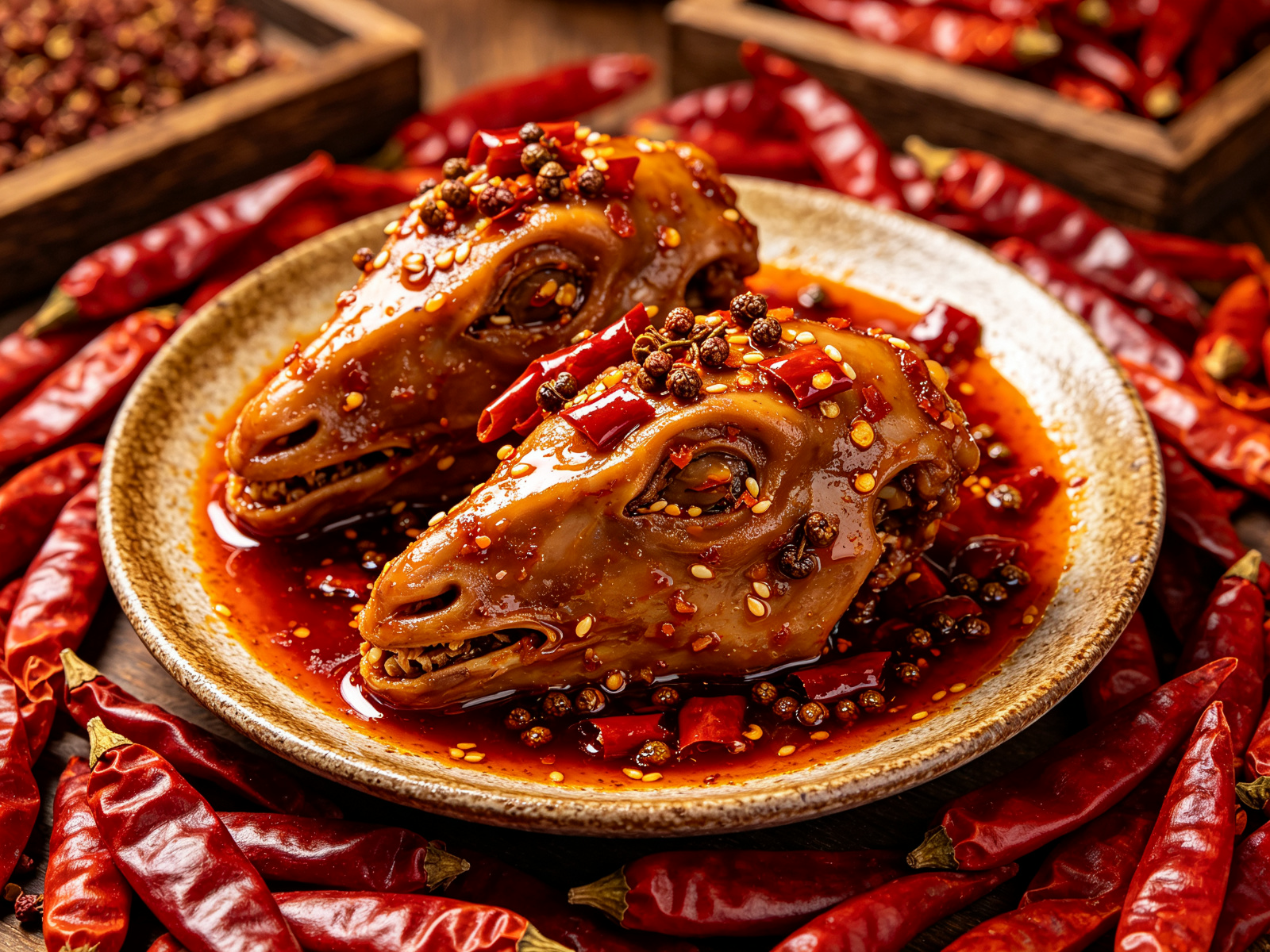
Braised rabbit heads in spicy or five-spice. Local obsession.
Best time: March–June, September–November · Humid basin — misty winters, warm summers
Metro covers main areas; Panda Base needs metro + shuttle. Didi cheap. High-speed rail to Dujiangyan/Leshan/Emei.
Alipay and WeChat Pay now bind foreign cards at chain stores and major sights; keep ¥200–300 cash for small noodle shops and teahouses. Show Chinese addresses to Didi drivers.
The panda base caps daily entry at 85,000 and requires online real-name booking up to 14 days ahead—weekend morning slots sell out. Arrive by 07:30 for active pandas; after 10:00 they rest. National holidays are at capacity everywhere.
No flash photography near pandas, no feeding, no tapping glass. At Wuhou Shrine, keep voices low around the stele corridor; do not climb or touch inscribed stones.
Ask for yuanyang (split pot) and wei la (mild). Dairy milk neutralizes burn better than water. Sichuan ma (numbing, from Sichuan pepper) builds over hours—stop before it does.
Basin humidity means winters are misty and damp rather than freezing; summers are hot. Bring layers and an umbrella; winter smog/mist can delay flights at both airports.
Buy an eSIM or pick up a tourist SIM at the airport on arrival; standard international roaming works for maps and messaging. Note which apps are accessible before you land.
Metro covers main areas; Panda Base needs metro + shuttle.
Didi cheap.
Metro, stalls, and rides mostly take Alipay or WeChat. Set up Alipay with a foreign card before you land.
Show the Chinese name “成都” to drivers and staff. It beats a long English explanation.
Book tickets, transfers, and popular tours via partners first — then request deeper local experiences through ChinaPie.
Disclosure: Some links are affiliate links. ChinaPie may earn a commission on eligible bookings at no extra cost to you.
Prices shown are planning references only. Actual rates fluctuate with season, holidays, demand, and partner promotions — the price at checkout on the booking site is authoritative.
Conversion stays soft — clear next steps: plan this city, or request planning help.
Yes for typical tourist areas. Keep phones and bags secure on metro and in crowded night spots; use licensed taxis or Didi.
Depends on your passport. Check ChinaPie Plan & Prep → Visa for 30-day visa-free and 240-hour transit options before booking.
Yes—foreigners can set up Alipay with passport + international card. See /prep/alipay-setup for the step-by-step guide.
Most restaurants offer mild (wei la) or split pot (yuanyang). Sichuan 'numbing' (ma) differs from 'spicy' (la). Start mild. Milk neutralizes burn better than water.
Dujiangyan + Qingcheng (1h train), Leshan Giant Buddha (1h high-speed), Emei Mountain (1.5h). Book via partner apps.
China offers unilateral visa-free entry to 40+ countries including France, Germany, UK, Japan, South Korea, Singapore, Malaysia, Thailand, Italy, Spain, Netherlands, Switzerland, Sweden, Norway, Denmark, Finland, Belgium, Austria, Ireland, Portugal, Greece, and more. Stay: up to 30 days. IMPORTANT: US passport holders are NOT on the unilateral visa-free list and need a visa. Check latest list at China Immigration official site before travel.
Yes. US passport holders need a visa to enter mainland China. The 10-year multiple-entry tourist visa (L visa) is common: $185 fee, processing 3-5 business days. You can also use the 240-hour transit visa-free if transiting to a third country. Apply at Chinese embassy/consulate or via authorized visa agencies. Many travel blogs incorrectly say US is visa-free — this is false.
Major hotels, international restaurants, and large malls accept Visa/Mastercard. But most small shops, street food, taxis, and local experiences only accept Alipay or WeChat Pay. Link your foreign card to Alipay (Tour Card) for daily use. Carry some cash (¥500-1000) as backup.
Most first-timers do well with 1–3 days. Start with the 1-day essence: panda morning, heritage evening, then expand to 2–3 days if you want slower food and culture. Use Plan this city to turn stops into a workable week.
Foreign cards work more often via Alipay / WeChat Pay tourist modes and some metro apps, but coverage still varies by merchant. Keep a small cash float and set payment apps up before peak sightseeing. See the practical section on this hub for city-specific notes.