Chongqing

Chongqing · 重庆

Chongqing Travel Guide

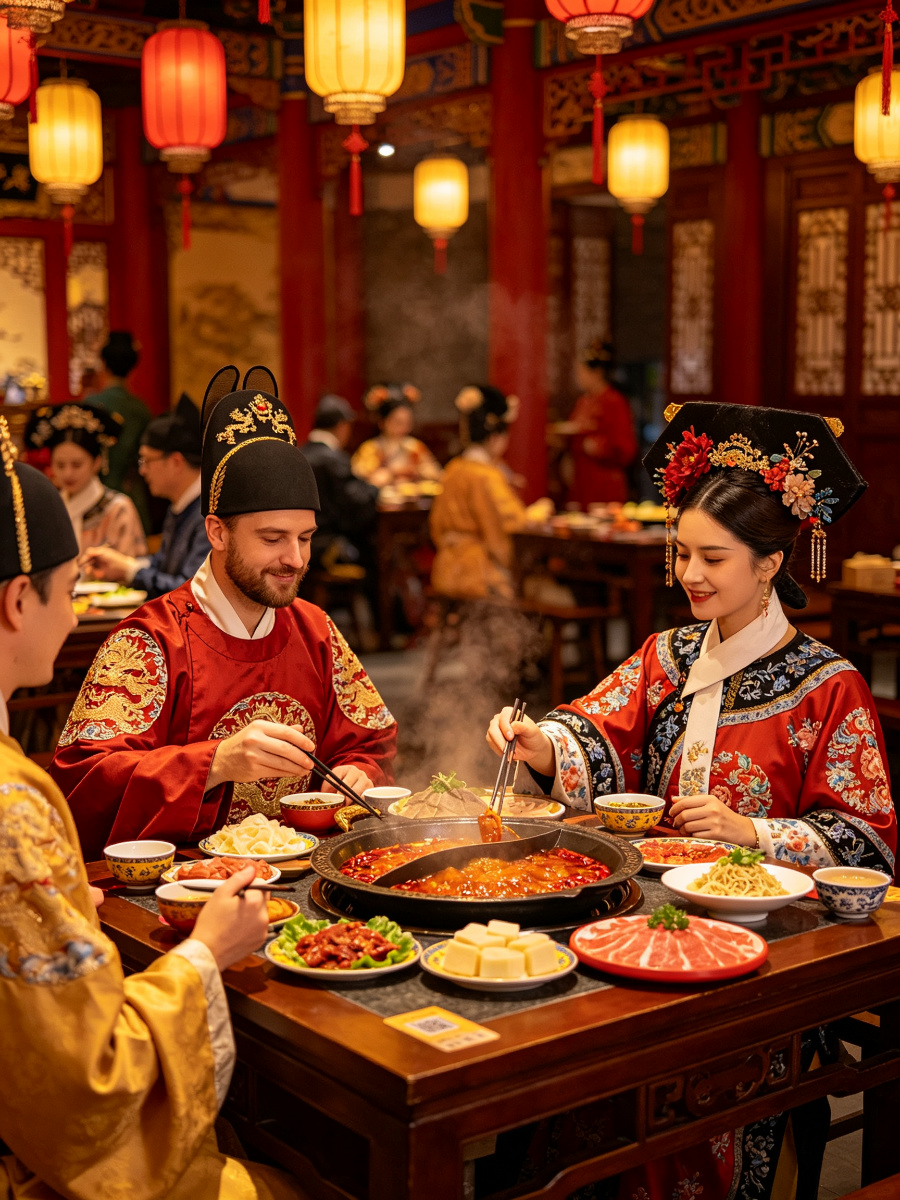
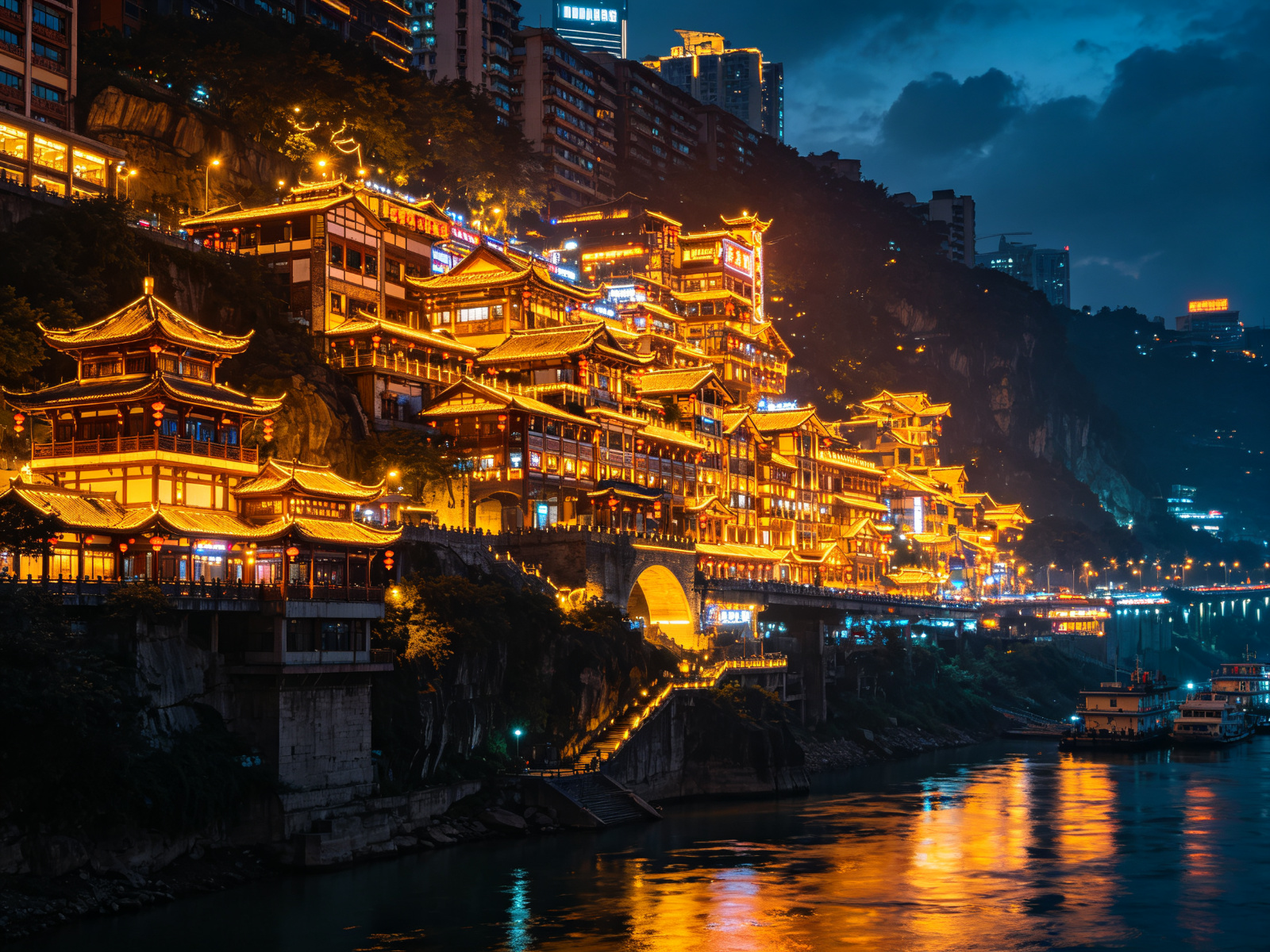
Chongqing is a city engineered vertically into two rivers—monorails pass through residential towers, roads stack on three levels, and the 'first floor' on one side is the tenth floor on the other. Its other core is the dock: this is where hotpot was invented by river porters, and the food still tastes like the wharves.

First-time China travelers chasing the viral 8D mountain-city skylineFood travelers here for the birthplace of spicy hotpotPhotographers after Hongyadong night lights and Nanshan panoramasUrban-exploration travelers who like transit and stair-walk cities
Food cityScenicModern cities
Plan this city

City at a Glance

Suggested Stay
1–3 days
Travel Style
  • Food city
  • Scenic
  • Modern cities
Highlights
  • Hongya Cave
  • Liziba Station
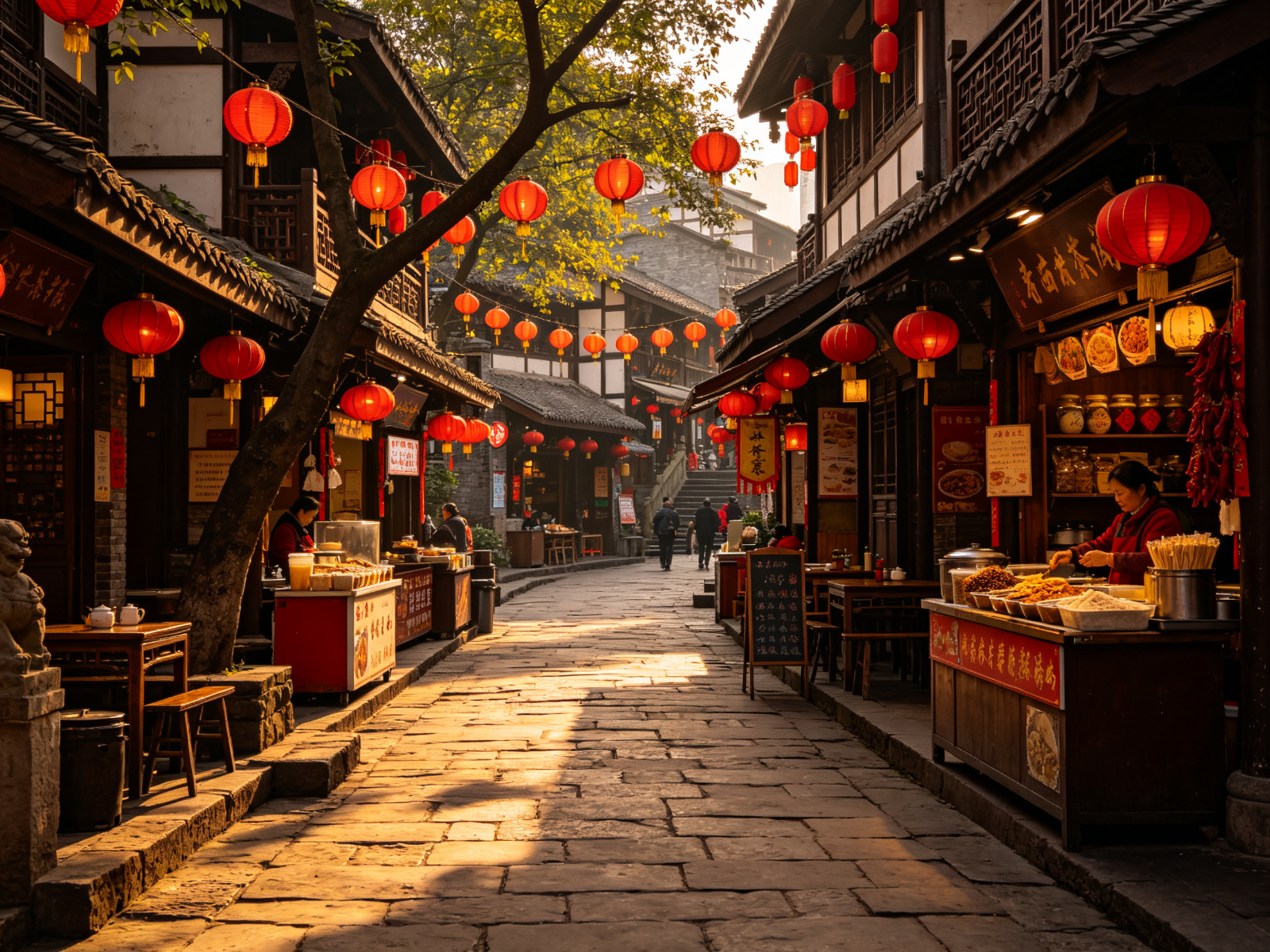
  • Ciqikou Ancient Town
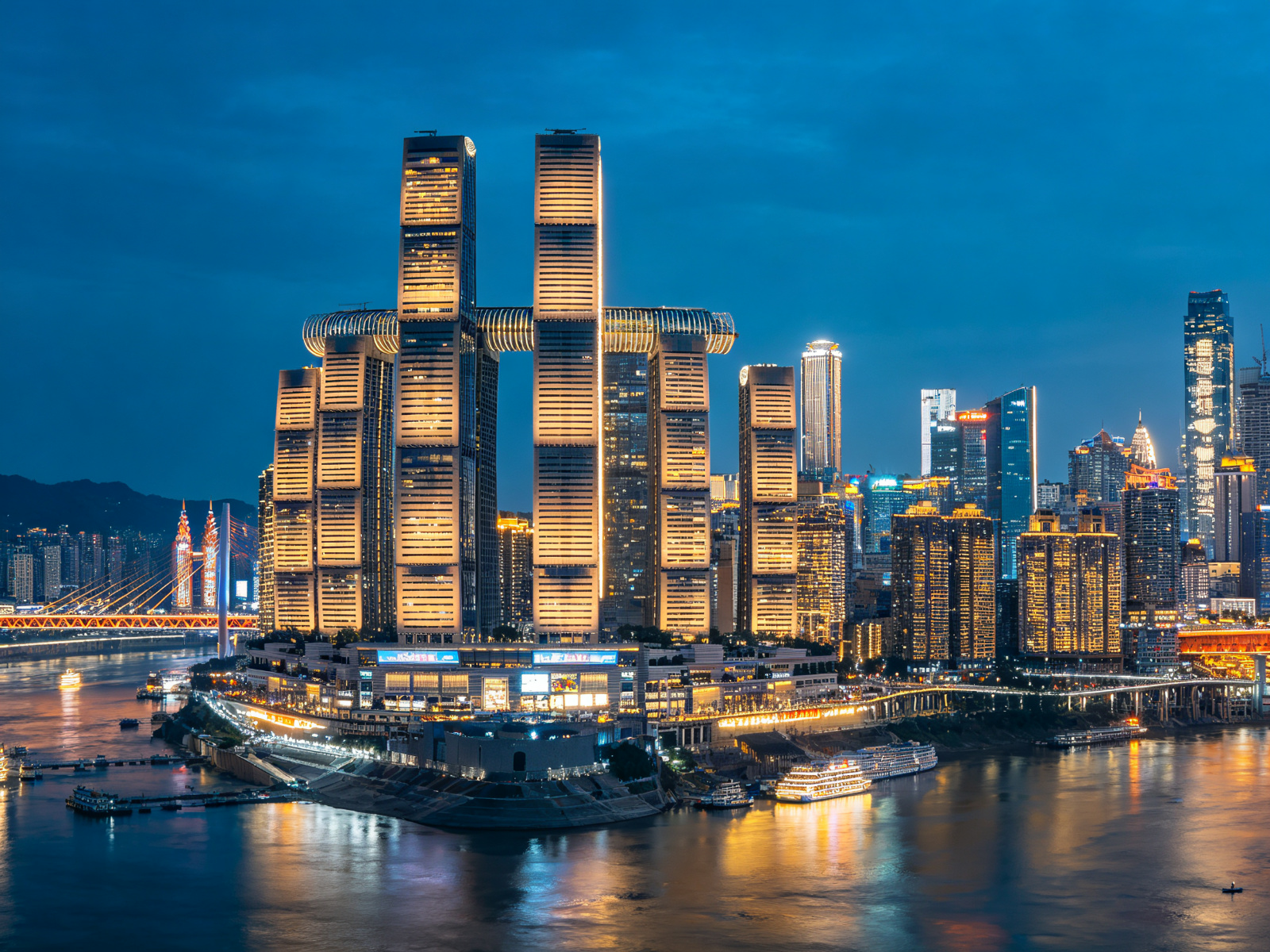
  • Jiefangbei & Raffles
Getting Around
Monorail (Line 2/3) is scenic. Metro covers main areas. Didi essential for mountain areas. Walking involves lots of stairs. Yangtze River cable car (¥20) is an experience.
1

Why make a special trip

The 8D city is working infrastructure, not a film set

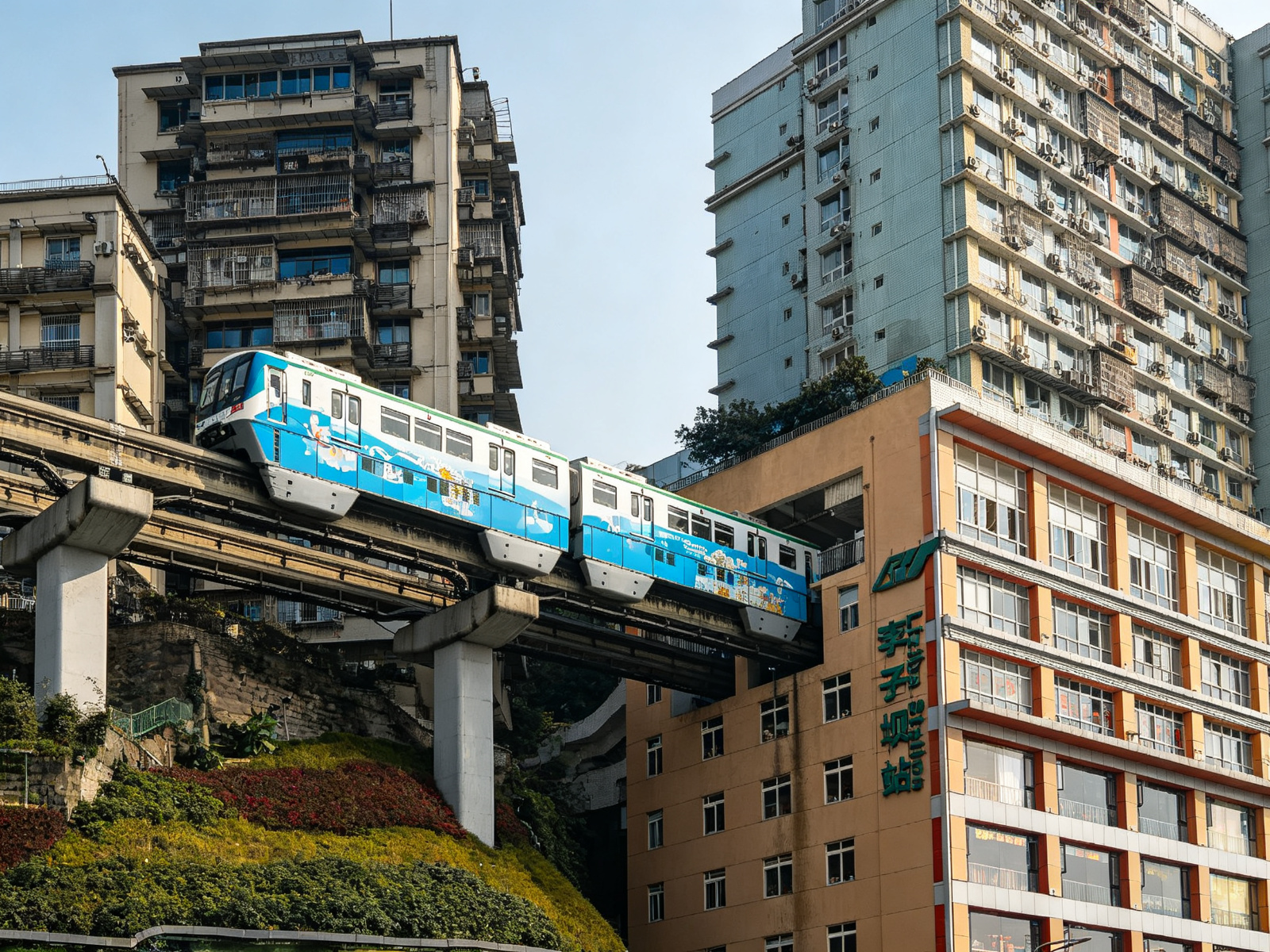
Line 2 monorail really does slice through a 19-story apartment block at Liziba, and the city's roads stack three deep on the Yuzhong peninsula. Ride Line 2 from Liziba to Jiaochangkou and watch the map app give up—this is the point.

Hotpot was invented at these docks

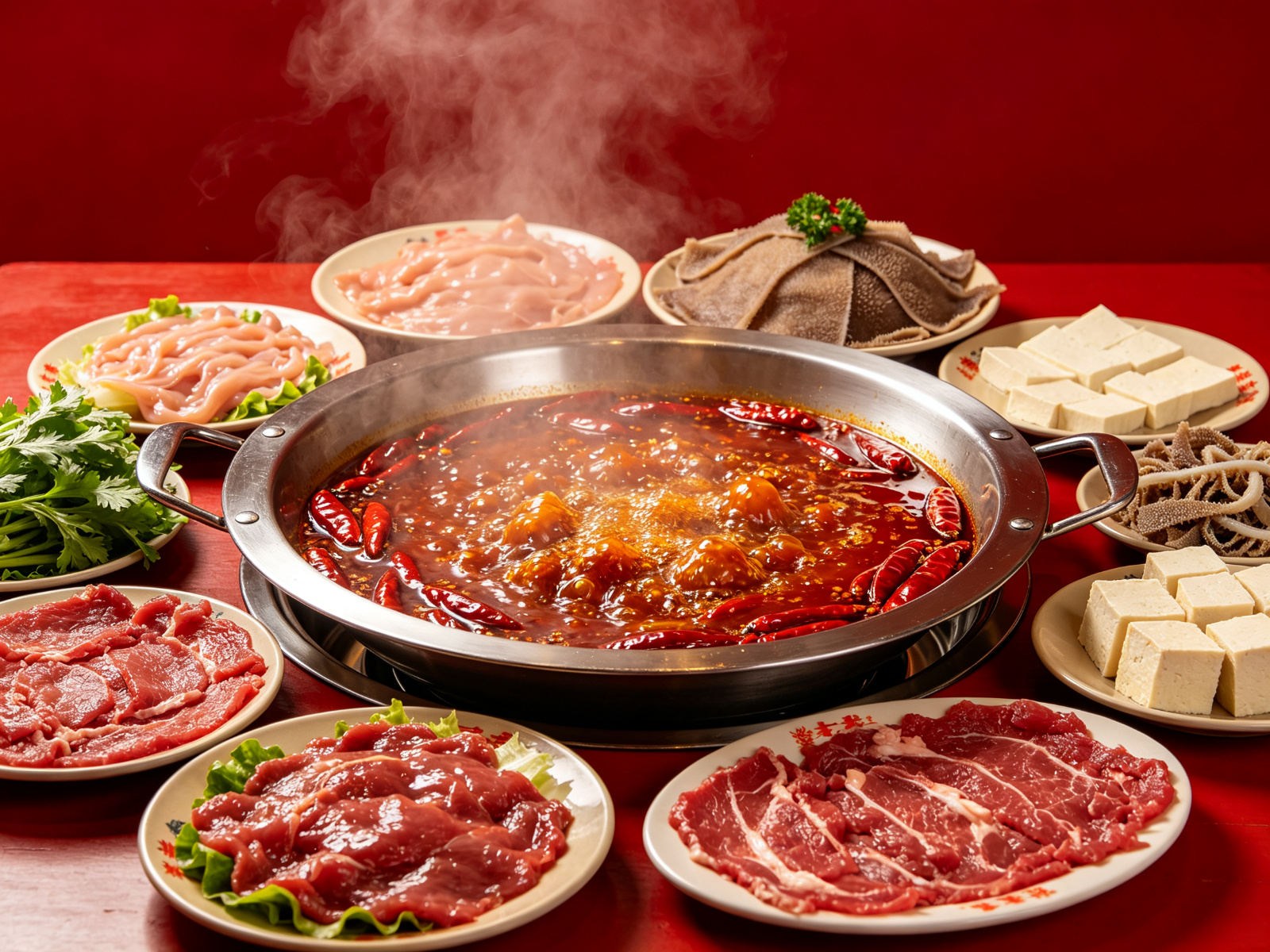
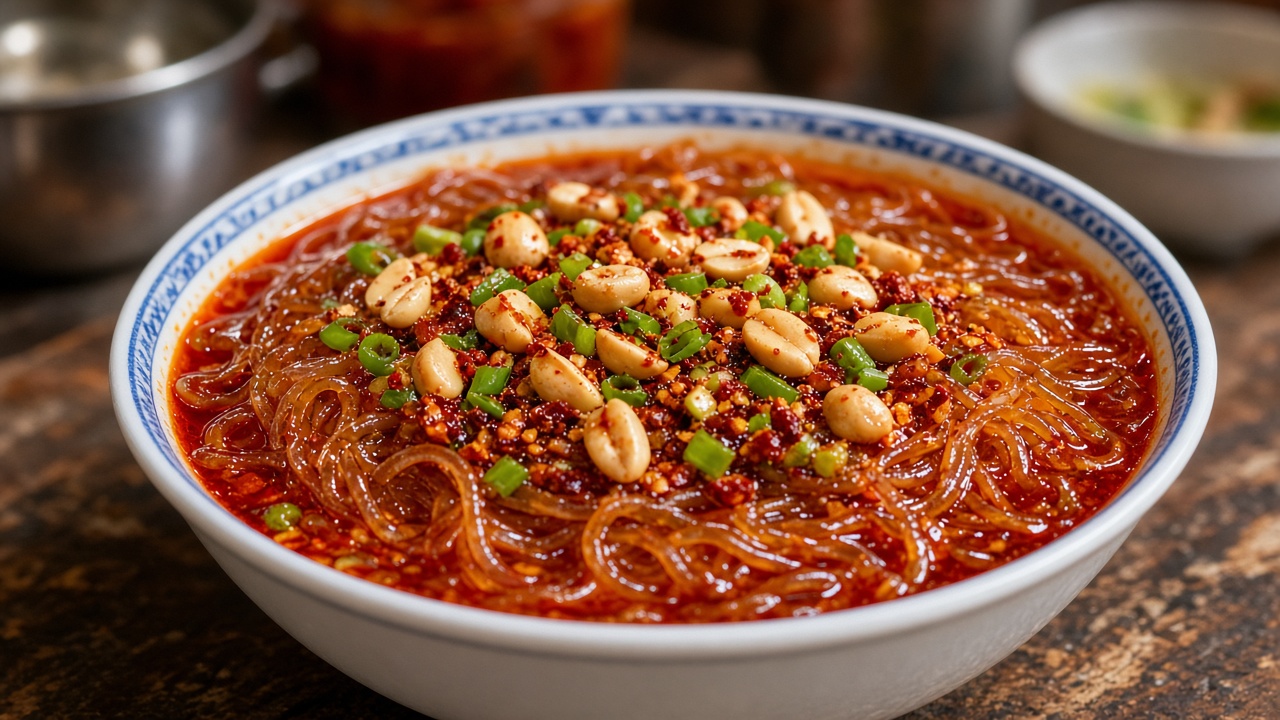
River porters boiled cheap offal in a spicy copper pot to fight the damp; the nine-grid pot is still how locals order. Eat a traditional nine-grid pot your first night, not a polished mall version.

The night skyline is the working city, lit on purpose

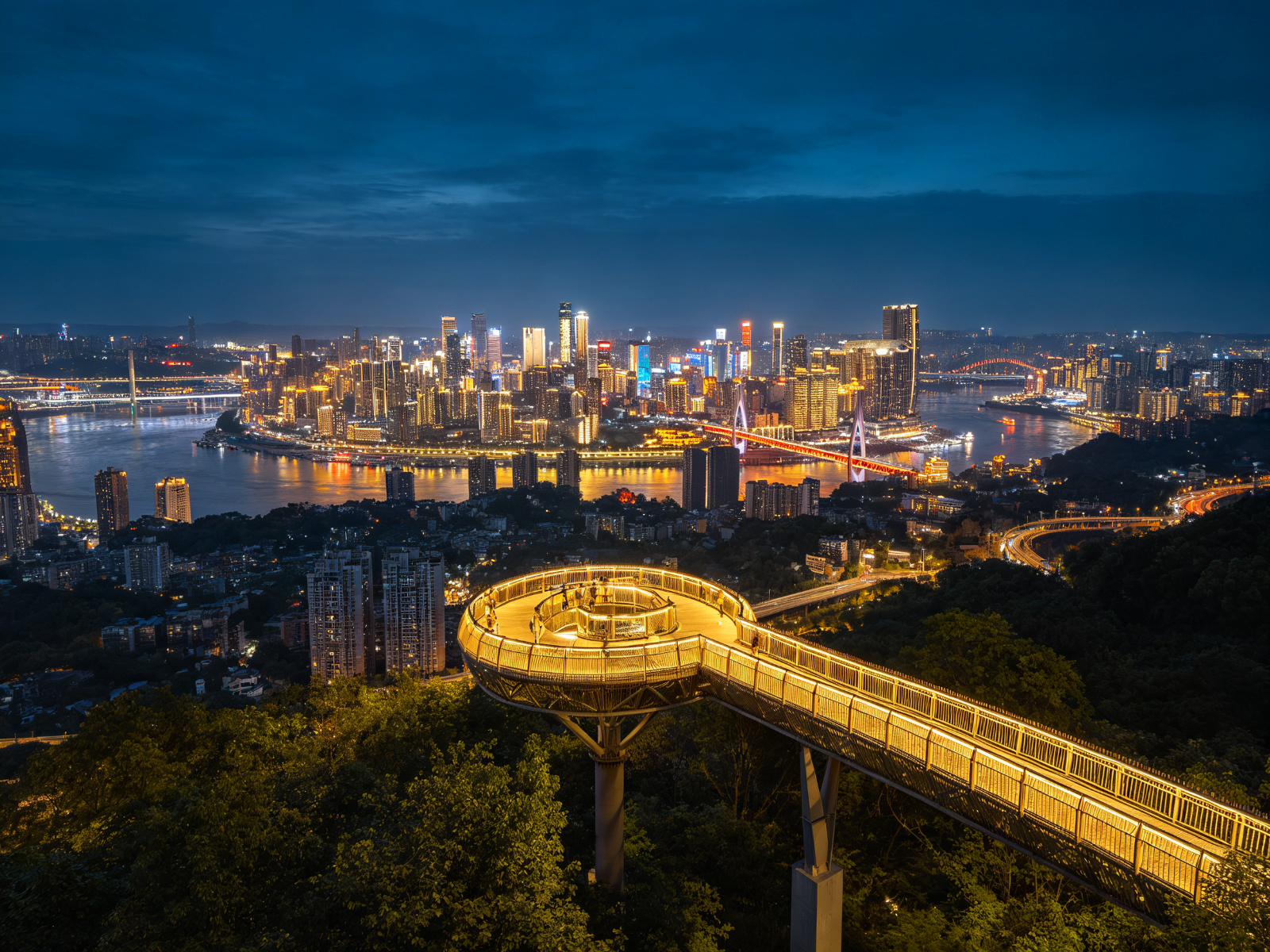
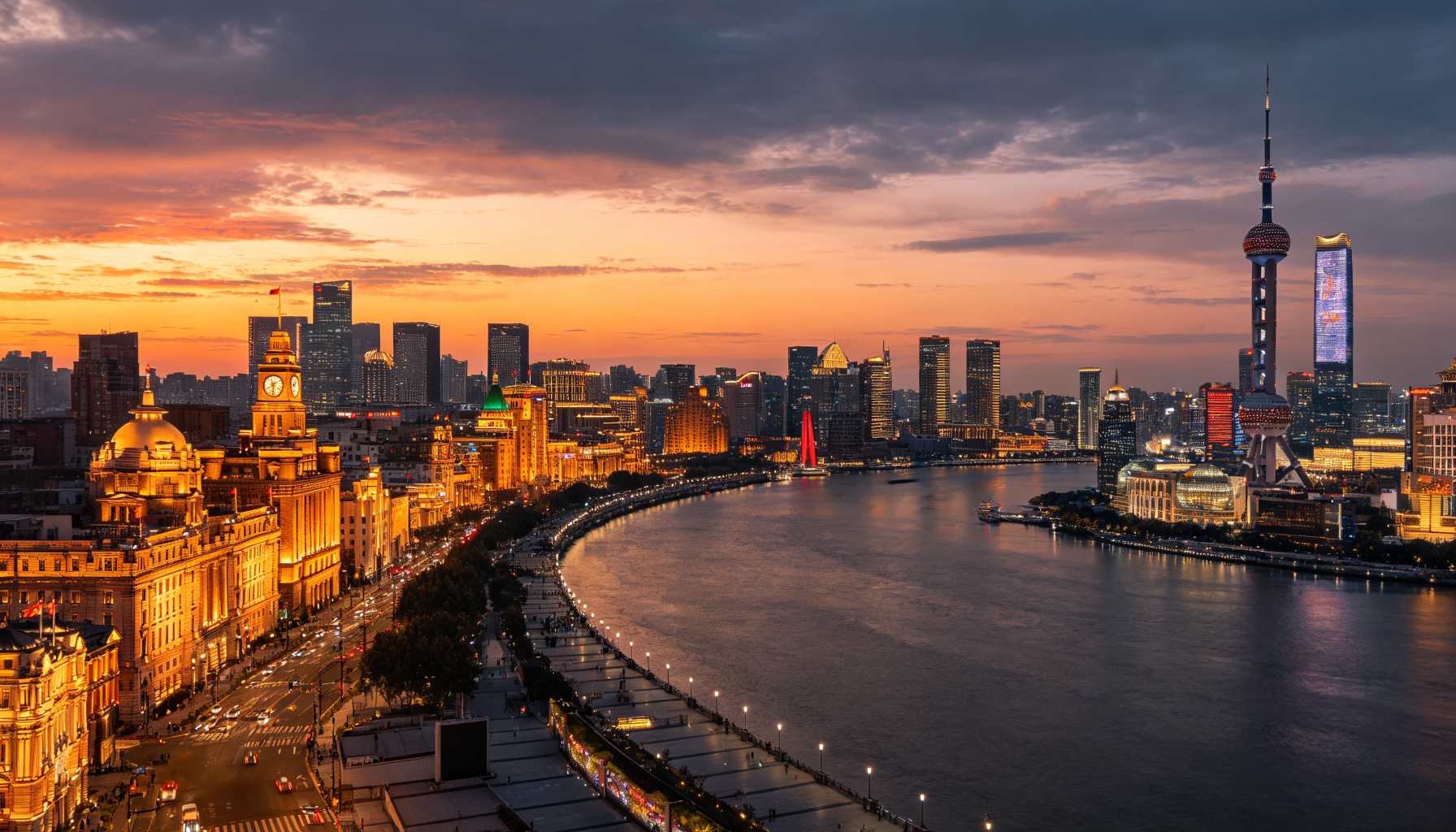
Hongyadong's 11-story stilt-house cliff complex lights 18:30–23:00 (adjusted mid-October 2026 to match sunset), and Nanshan gives the full two-river panorama. Cross the river to the Qiansimen side for the postcard angle—don't fight the crowd inside the complex.

2

Mountain-city night loop: Liziba by day, Hongyadong at dusk, Nanshan panorama

The city’s signature line — depth entry, not a checklist.

The signature Chongqing day: watch the Line 2 train pass through the Liziba residential block in the morning, walk the Jiefangbei–Raffles skyline core in the afternoon, cross to the Qiansimen riverside for Hongyadong's 18:30 lighting, then take a Didi up Nanshan for the panoramic night view of both rivers. It makes the city's two cores—vertical engineering and dockside night life—visible in one day.

3

Experiences in this city

Add to trip to compare and prepare; check partner links for slots and price when shown.

4

Sights & culture

Beyond ticket notes — read the city’s character first.

Hotpot as dock labor food

In the 19th-century wharves along the Jialing River, porters boiled beef offal in spicy copper broth to fight damp and cold. The nine-grid pot kept different workers' portions separate in one shared pot—order it to understand the original social design.

Why floors lie here

Chongqing was built by stacking terraces against a mountain slope above two rivers. The entrance on one side of a mall may be its 1st floor; the other side its 10th. Elevators that start on 'floor 16' are normal—give the map app a moment, or just follow stair signs.

Wartime capital memory

From 1938 Chongqing was China's wartime capital; Liziba's resistance-war relic park and Hongyan village carry that layer. The city's stubborn street-level practicality still reads like a wartime city that never stopped working.

The cableway as public transport

The Yangtze River Cableway opened in 1987 as a commuter crossing before bridges were common—residents used it to get to work. Ride it as transit, not as a theme-park ride: cross once one-way and walk the other bank.

A migrant city built on river trade

Chongqing grew on boat traffic where the Jialing meets the Yangtze; Ciqikou was a Qing-era porcelain-loading port. The blunt, fast dialect and the food that prioritizes calories over presentation both come from this river-trade mixing bowl.

5

1–3 day routes

Executable skeletons: day-by-day anchors you can trim to fit.

1-day

1-day essence: Liziba, Jiefangbei, Hongyadong lights

  1. Morning: Metro Line 2 to Liziba; watch trains pass through the residential block from the viewing platform below the station
  2. Midday: Line 2 to Jiaochangkou; wander the Jiefangbei monument block and Raffles City
  3. Late afternoon: Yangtze River Cableway from Xinhua Road station (Yuzhong) across to Nan'an and back, or queue early
  4. 18:30: cross to the Qiansimen Bridge / riverside walk for the Hongyadong lighting view
  5. Evening: nine-grid hotpot dinner in a local neighborhood spot

For travelers with one full day in the Yuzhong peninsula. Paced around the 18:30 lighting.

6

Food & what to buy

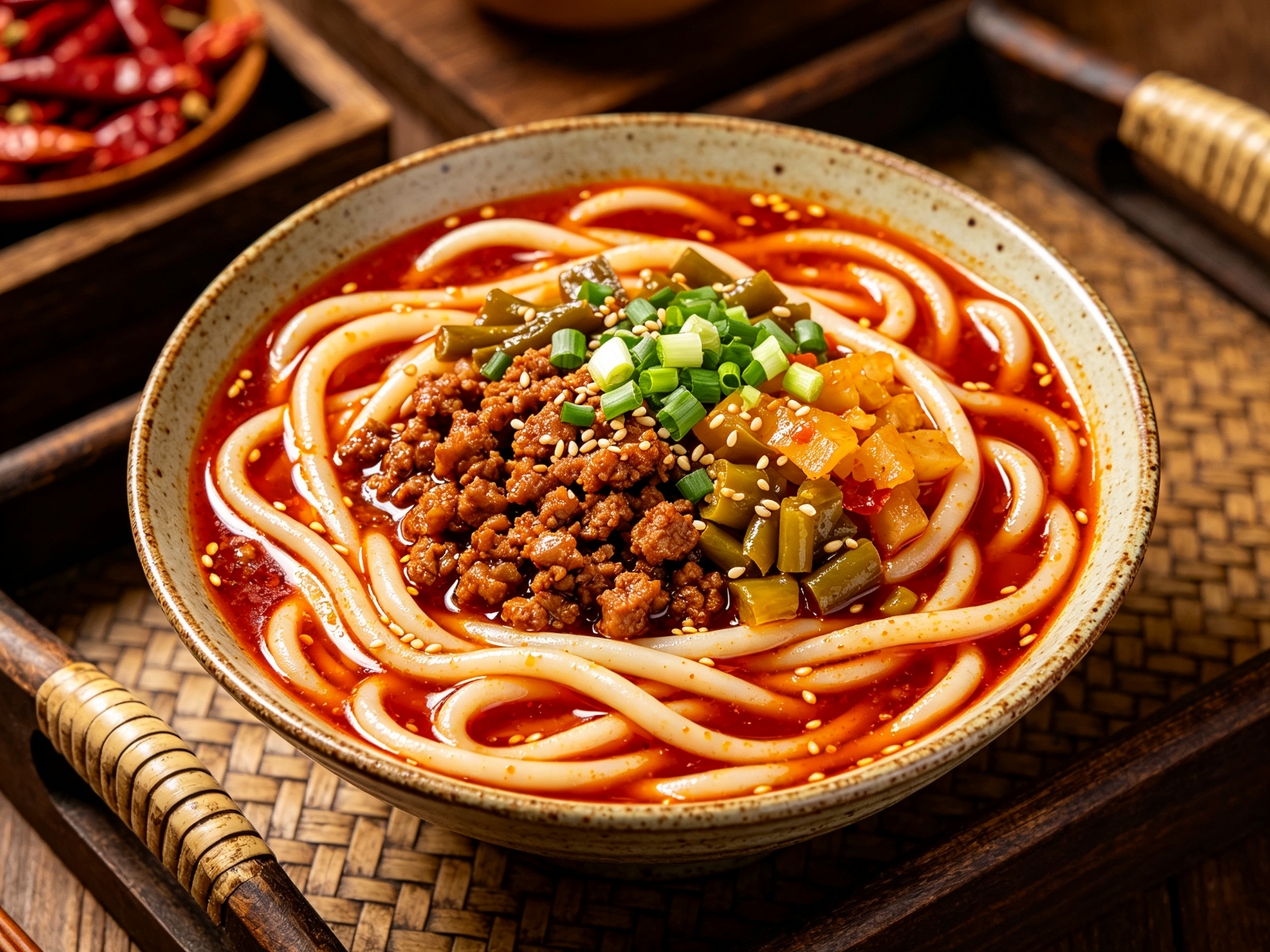
Eat where local office workers queue at 12:00, not where tour coaches stop. Start with a bowl of Chongqing xiaomian for breakfast—it costs around ¥10–20 and sets the spice baseline. For souvenirs, buy sealed hotpot base and mahua fried dough twists you will actually open at home; skip the prepackaged 'three specialties' gift boxes sold inside Hongyadong, where markup is highest.

  • Sealed hotpot base from a recognized local brand (Qiaotou / Qiuxia / Dezhuang style); one pack makes 2–3 pots at home. Check the production date.
  • Ciqikou mahua (fried dough twists): buy fresh from a shop with a short queue; sealed bags keep for a week, freshly fried same day taste best.
  • Guaiwei hudou (odd-flavor broad beans) in sealed bags—sweet-savory-spicy local snack, light and travel-friendly.
  • Jiangjin miantang (rice crisps) and Hechuan taopian (walnut slices): traditional Chongqing-region sweets, buy vacuum-sealed.
  • Fuling zhacai (pickled mustard tuber) in sealed jars—the region's famous pantry staple; compare salt content on the label.
  • Hotpot dipping kit: a small jar of sesame oil + garlic flakes; locals dip cooked meat in oil, not sesame paste—bring it back if you want the real ritual.
7

Getting there & tips

Best time: March–May, September–November · Misty basin — foggy winters, scorching summers

Monorail (Line 2/3) is scenic. Metro covers main areas. Didi essential for mountain areas. Walking involves lots of stairs. Yangtze River cable car (¥20) is an experience.

Chongqing visitor handbook

Payments

Chain stores and malls bind foreign cards on Alipay/WeChat; keep ¥200–300 cash for small xiaomian shops and street stalls. Cableway and metro accept QR transit codes; show drivers the Chinese address on your Didi screen.

Crowds & timing

Hongyadong inside the complex is packed on weekend evenings; the official fix is to watch from the Qiansimen riverside instead. Scam touts selling 'paid guides / special entrances' at Hongyadong are an official warning—all 11 floors, elevators and exits are free. National holidays are at capacity everywhere.

Etiquette at the hotpot table

Cook your own portions in the nine-grid pot; tripe and duck intestines go in for seconds, not minutes. Ask for wei la (mild) first. Do not fish around in others' grid sections—it is literally a shared-but-divided pot.

Walking, stairs and weather

Expect stairs everywhere; comfortable closed shoes matter more than fashion. It is one of China's 'furnace' cities—summers are scorching; winters are damp-misty rather than freezing. Rain-slick steps are the main local hazard—take the handrail.

Navigation

Mapping apps route by road, not by stairs—when it says '200 m', in Chongqing that can mean 20 minutes of up-and-down. If walking directions look odd, switch to Didi; short rides across the peninsula are cheap.

Connectivity

Sort an eSIM or tourist SIM before landing; airport T3/T2 Line 10 stations are underground with good coverage once you emerge. Confirm which apps are accessible in China before you arrive.

Getting around

Monorail (Line 2/3) is scenic.

Navigation

Metro covers main areas.

Pay

Metro, stalls, and rides mostly take Alipay or WeChat. Set up Alipay with a foreign card before you land.

Show this

Show the Chinese name “重庆” to drivers and staff. It beats a long English explanation.

MetroMonorail (Line 2/3) is scenic. Metro covers main areas. Didi essential for mountain areas. Walking involves lots of stairs. Yangtze River cable car (¥20) is an experience.
BusCity buses serve the area, but routes change. Use Amap/Baidu for the live stop and last bus near Chongqing.
Taxi / DidiDidi or a licensed taxi is the simplest door-to-door. Set destination to “重庆” and pay in-app with Alipay/WeChat.

Chongqing hotels, transfers & popular bookings

Book tickets, transfers, and popular tours via partners first — then request deeper local experiences through ChinaPie.

Disclosure: Some links are affiliate links. ChinaPie may earn a commission on eligible bookings at no extra cost to you.

Prices shown are planning references only. Actual rates fluctuate with season, holidays, demand, and partner promotions — the price at checkout on the booking site is authoritative.

8

Chongqing FAQ & next step

Conversion stays soft — clear next steps: plan this city, or request planning help.

Is Chongqing safe for tourists?

Yes for typical tourist areas. Keep phones and bags secure on metro and in crowded night spots; use licensed taxis or Didi.

Do I need a visa to visit Chongqing?

Depends on your passport. Check ChinaPie Plan & Prep → Visa for 30-day visa-free and 240-hour transit options before booking.

Can I use Alipay in Chongqing?

Yes—foreigners can set up Alipay with passport + international card. See /prep/alipay-setup for the step-by-step guide.

Why is Chongqing called an '8D city'?

Because of its extreme verticality: buildings are built into mountains, roads go over and under buildings, monorails pass through buildings, and what's '1st floor' on one side may be '10th floor' on the other. Navigation apps sometimes can't handle it.

Which countries are visa-free for China in 2026?

China offers unilateral visa-free entry to 40+ countries including France, Germany, UK, Japan, South Korea, Singapore, Malaysia, Thailand, Italy, Spain, Netherlands, Switzerland, Sweden, Norway, Denmark, Finland, Belgium, Austria, Ireland, Portugal, Greece, and more. Stay: up to 30 days. IMPORTANT: US passport holders are NOT on the unilateral visa-free list and need a visa. Check latest list at China Immigration official site before travel.

Do US citizens need a visa for China?

Yes. US passport holders need a visa to enter mainland China. The 10-year multiple-entry tourist visa (L visa) is common: $185 fee, processing 3-5 business days. You can also use the 240-hour transit visa-free if transiting to a third country. Apply at Chinese embassy/consulate or via authorized visa agencies. Many travel blogs incorrectly say US is visa-free — this is false.

Can I use my foreign credit card in China?

Major hotels, international restaurants, and large malls accept Visa/Mastercard. But most small shops, street food, taxis, and local experiences only accept Alipay or WeChat Pay. Link your foreign card to Alipay (Tour Card) for daily use. Carry some cash (¥500-1000) as backup.

Is China safe for foreign tourists?

China is consistently ranked among the safest countries for tourists. Violent crime against foreigners is extremely rare. Common issues: pickpocketing in crowded areas (train stations, metro), taxi scams at airports, and fake goods at markets. Normal precautions apply: keep valuables secure, use licensed taxis/Didi, don't accept unsolicited tours. Women traveling solo generally feel very safe even at night.

How many days do I need in Chongqing?

Most first-timers do well with 1–3 days. Start with the 1-day essence: Liziba, Jiefangbei, Hongyadong lights, then expand to 2–3 days if you want slower food and culture. Use Plan this city to turn stops into a workable week.

Can I pay with a foreign card in Chongqing?

Foreign cards work more often via Alipay / WeChat Pay tourist modes and some metro apps, but coverage still varies by merchant. Keep a small cash float and set payment apps up before peak sightseeing. See the practical section on this hub for city-specific notes.

Plan this city
ChongqingCity hub
Plan