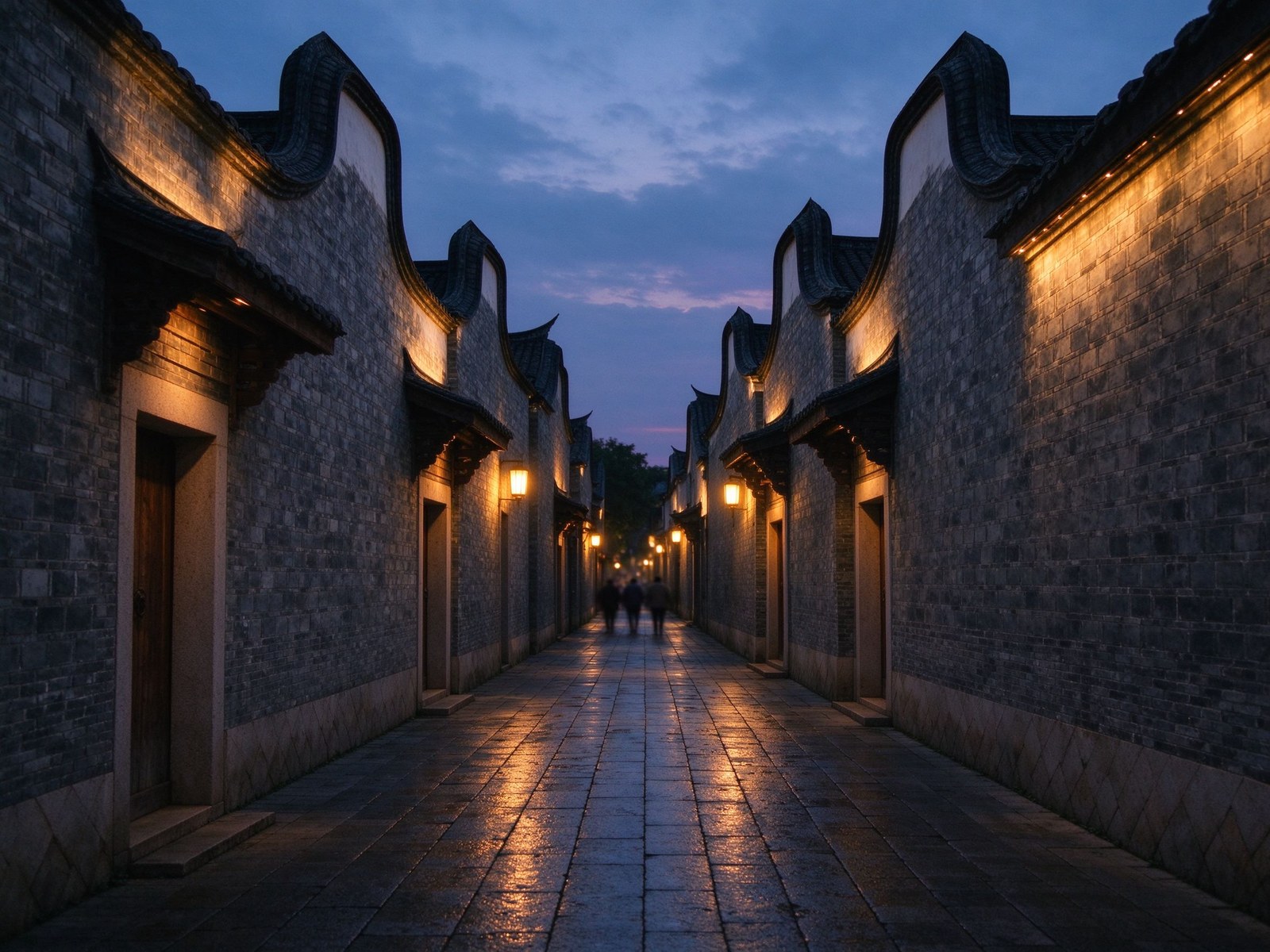
Wuhan

Wuhan · 武汉

Wuhan Travel Guide

Wuhan is China's great River City: where the Yangtze meets the Han and splits three towns (Wuchang, Hankou, Hanyang) across two waterways—crowned by the poetry-soared Yellow Crane Tower, anchored by the 1911 Wuchang Uprising that ended 2,000 years of empire, and ringed by one of Asia's largest urban lakes, East Lake.

First-time China travelers following the Yangtze downstream from Chongqing/YichangLiterature and history travelers drawn to Tang-dynasty poetry and the 1911 Xinhai RevolutionFood travelers chasing Wuhan's street breakfast (reganmian hot dry noodles) and duck necksOutdoor travelers who want to cycle East Lake Greenway without leaving the city
Modern citiesFood cityFirst-time friendly
Plan this city
1

Why make a special trip

Wuhan is China's great River City: where the Yangtze meets the Han and splits three towns (Wuchang, Hankou, Hanyang) across two waterways—crowned by the poetry-soared Yellow Crane Tower, anchored by the 1911 Wuchang Uprising that ended 2,000 years of empire, and ringed by one of Asia's largest urban lakes, East Lake.

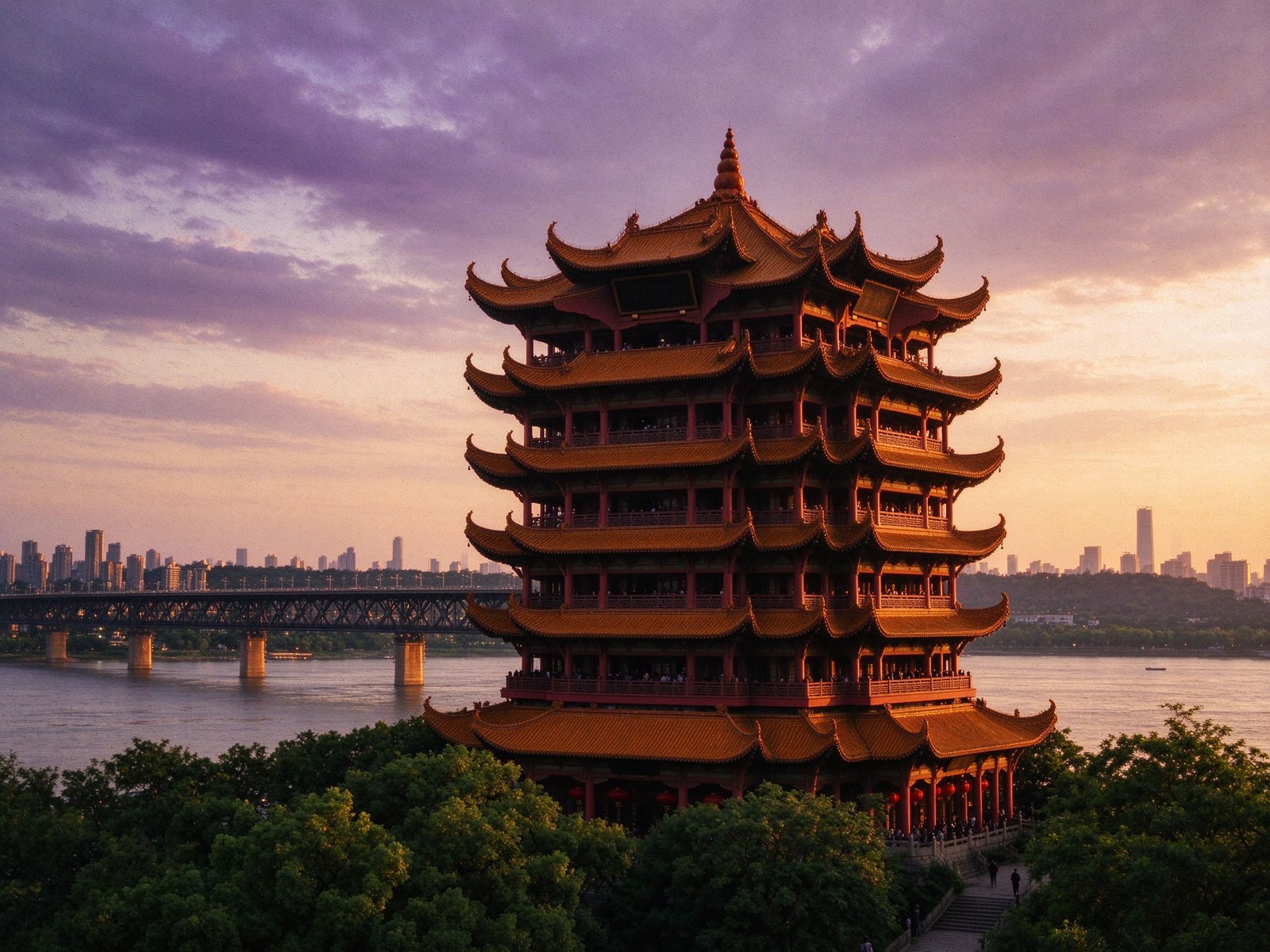
The Yellow Crane Tower is a poem you can climb over the Yangtze

Cui Hao and Li Bai made this tower famous in the Tang dynasty. Climb in late afternoon when the light is low—you look straight down at the First Yangtze Bridge and the three towns splitting across the rivers. Buy the ticket online; the night light show is a separate add-on.

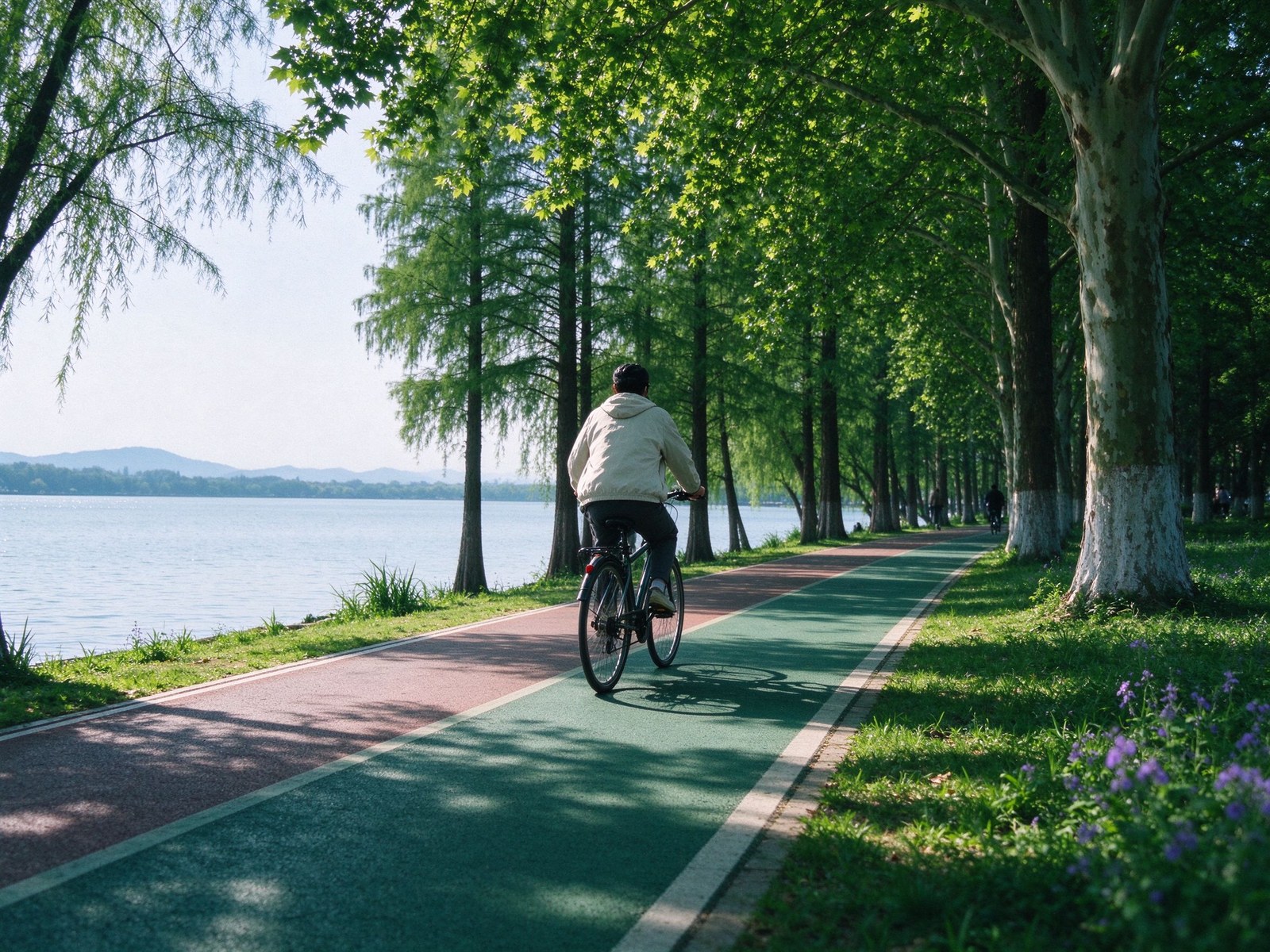
East Lake is an 105 km free greenway inside the city, with a top museum on its shore

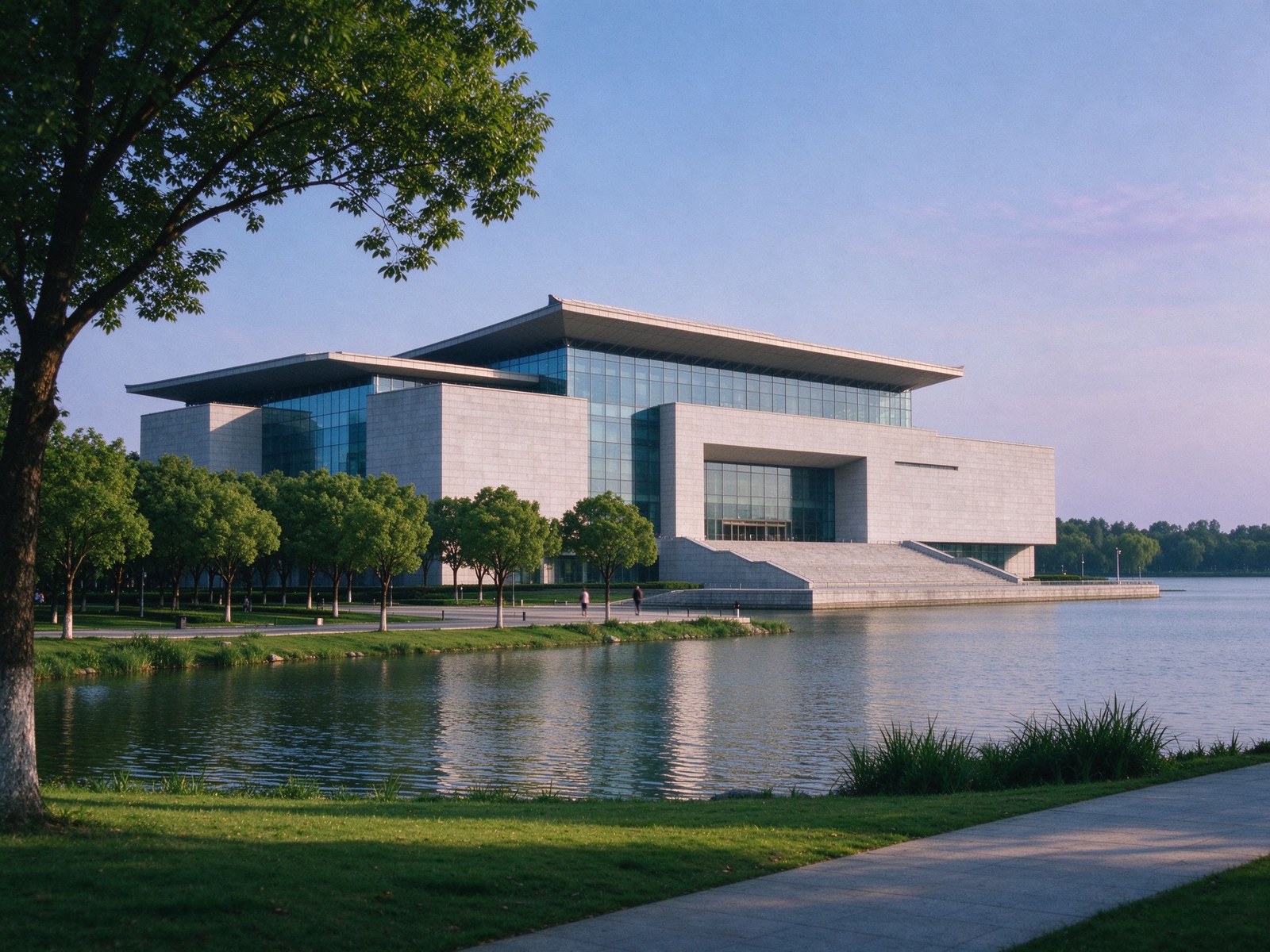
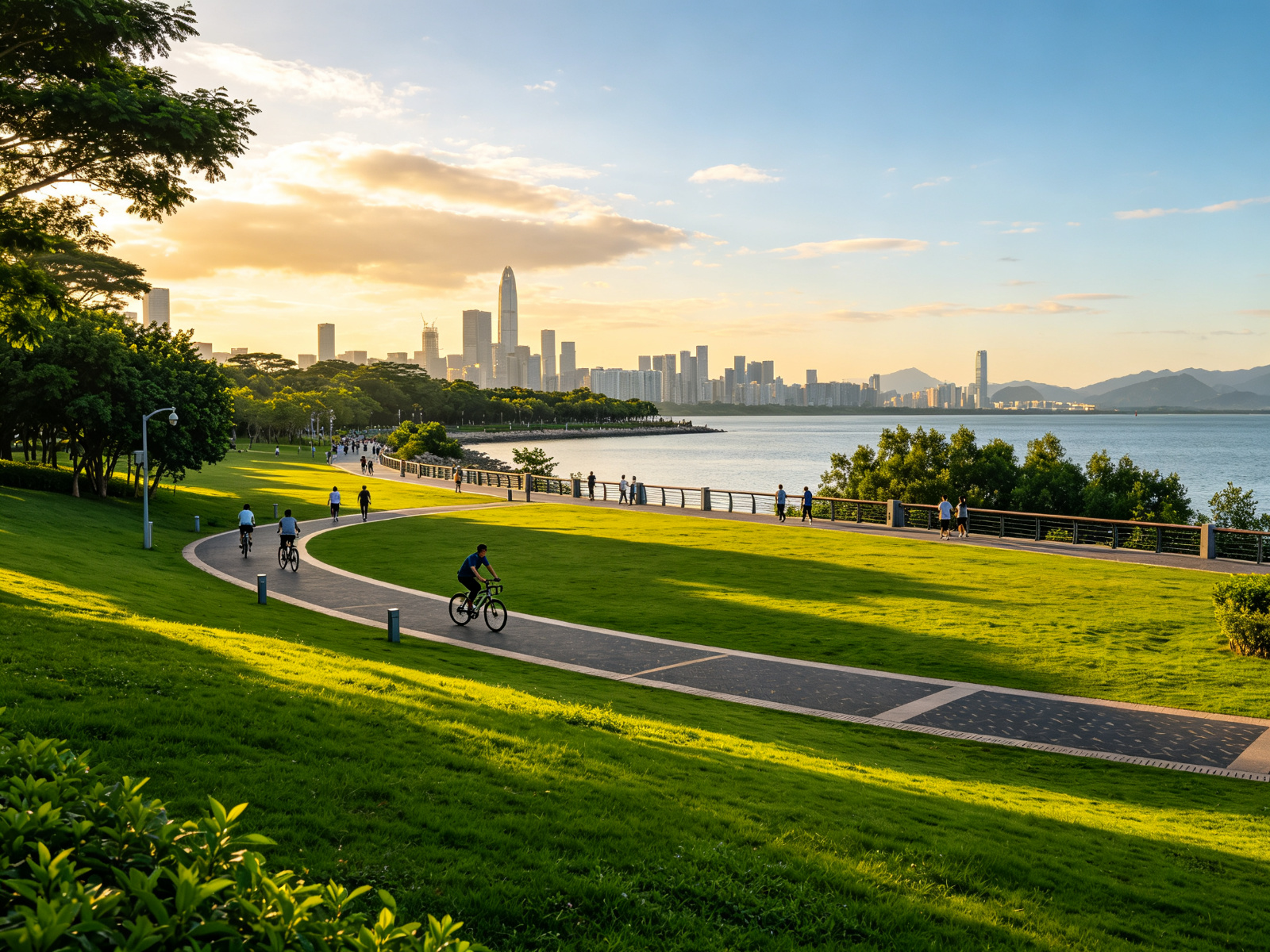
Ride or walk the East Lake Greenway for free—no ticket, no reservation for the lake and most scenic sub-areas. Spend the morning at the Hubei Provincial Museum (book ahead) for the Sword of Goujian and the Marquis Yi bianzhong bells, then rent a bike along the shore.

The 1911 Wuchang Uprising ended two millennia of empire, next to the tower

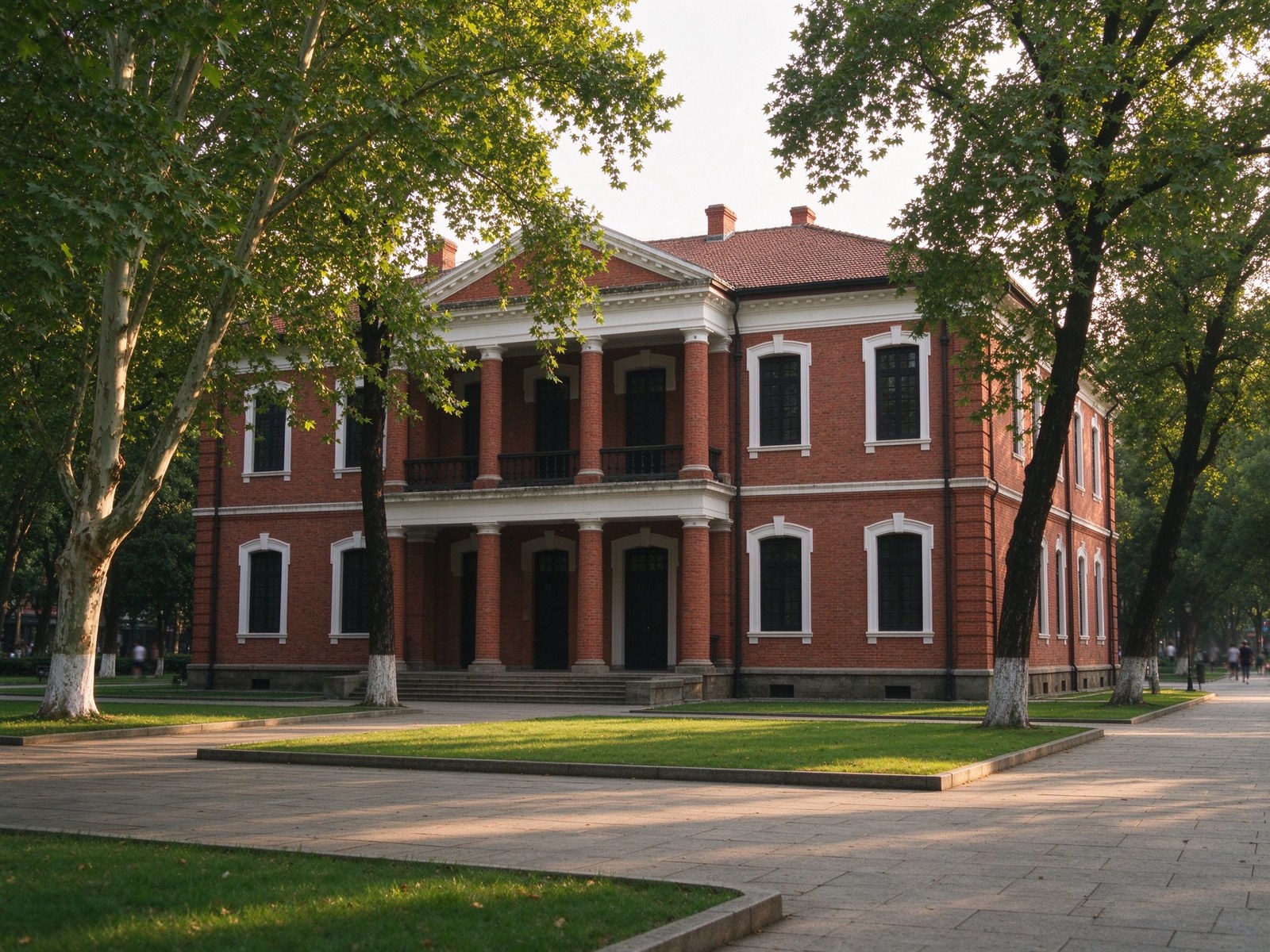
Walk from Snake Hill to Ziyi Square: the Red Chamber (former Hubei Military Government) and the modern revolution museum sit a few hundred meters apart. Note the two halves close on different weekdays (South Monday, North Tuesday)—check which is open before you go.

2

Tower at dusk, revolution at midday, East Lake in the morning

The city’s signature line — depth entry, not a checklist.

The signature Wuhan sequence: a booked morning at the Hubei Provincial Museum on East Lake's shore, an easy cycle along the free East Lake Greenway, then across to Wuchang's Snake Hill for the 1911 revolution sites and the Yellow Crane Tower at golden hour over the Yangtze Bridge. It pairs Bronze-Age Chu civilization with the end of imperial China in one river-city day.

Related sight detail
3

Bookable experiences

ChinaPie’s main shelf — add to trip or request a slot.

Experience inventory is still growing — plan with routes & culture, or request a study day.

4

Sights & culture

Beyond ticket notes — read the city’s character first.

Three towns split by two rivers

Wuhan is not one old town but three—Wuchang (government/culture), Hankou (the treaty-port trading city), Hanyang (industry)—fused when bridges and tunnels crossed the Yangtze and Han. Read the skyline as a layering of treaty-port Hankou, industrial Hanyang, and hilltop Wuchang.

The Yellow Crane Tower in Tang poetry

Cui Hao's 'Yellow Crane Tower' and Li Bai's farewell to Meng Haoran made this spot the archetype of Yangtze longing. The present tower dates to 1985 on Snake Hill—the poems, not the brick, are why it matters. Look for the calligraphy plaques rather than judging the reconstruction.

Chu civilization and the bells of Marquis Yi

The Hubei Provincial Museum holds the bronze-age heart of the Chu state: the Sword of Goujian (King of Yue, still sharp after 2,500 years) and the 65-piece bianzhong chime bells from Marquis Yi of Zeng. These re-frame the Yangtze basin as a sophisticated bronze civilization parallel to the Central Plains.

The 1911 Wuchang Uprising, 'first to rise'

On 10 October 1911 the New Army garrison in Wuchang mutinied; within months the Qing fell and 2,000 years of empire ended. The Red Chamber on Ziyi Square is the former Hubei Military Government—stand where the Republic effectively began.

'Guozao'—the city eats its breakfast on the street

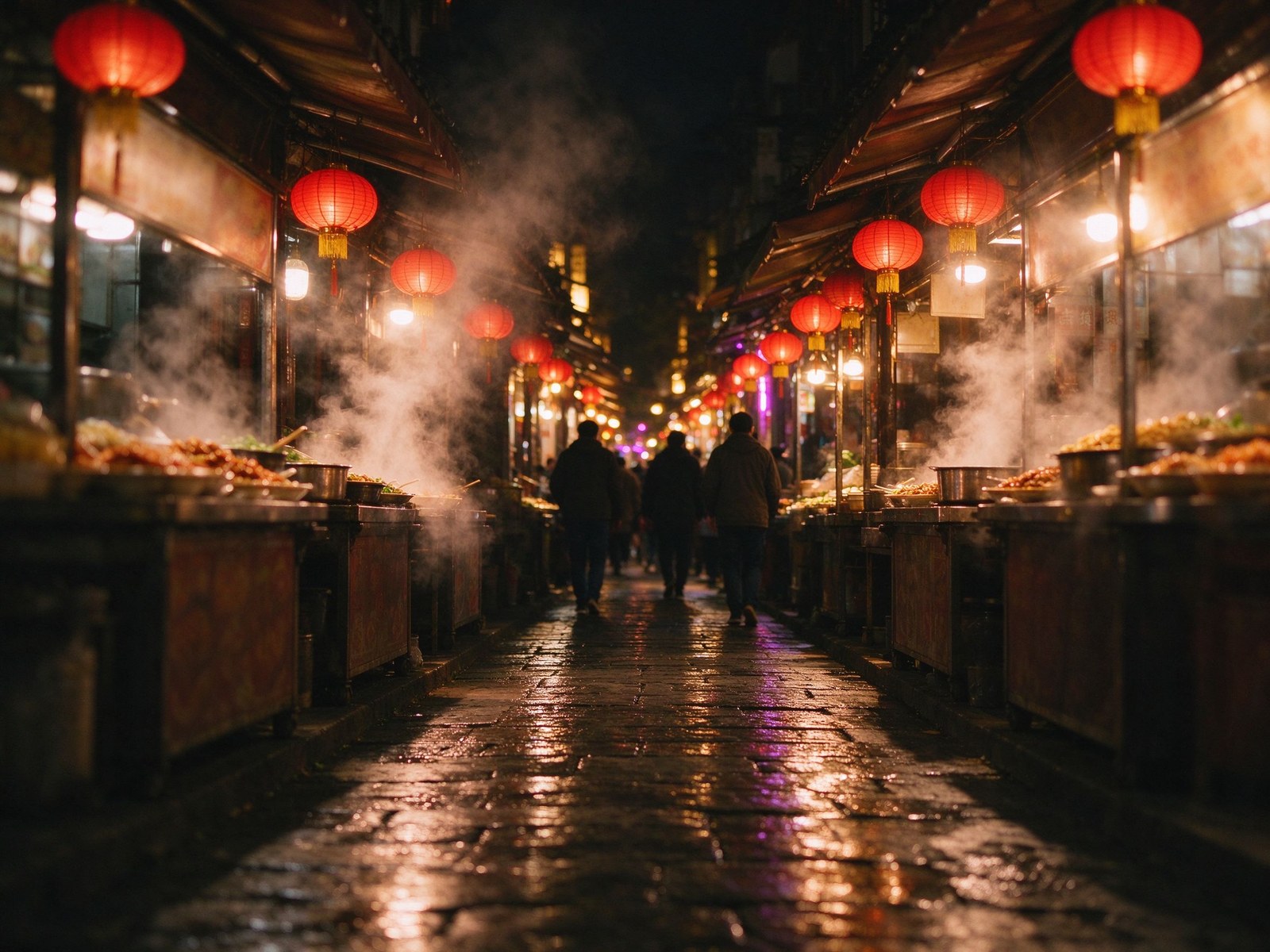
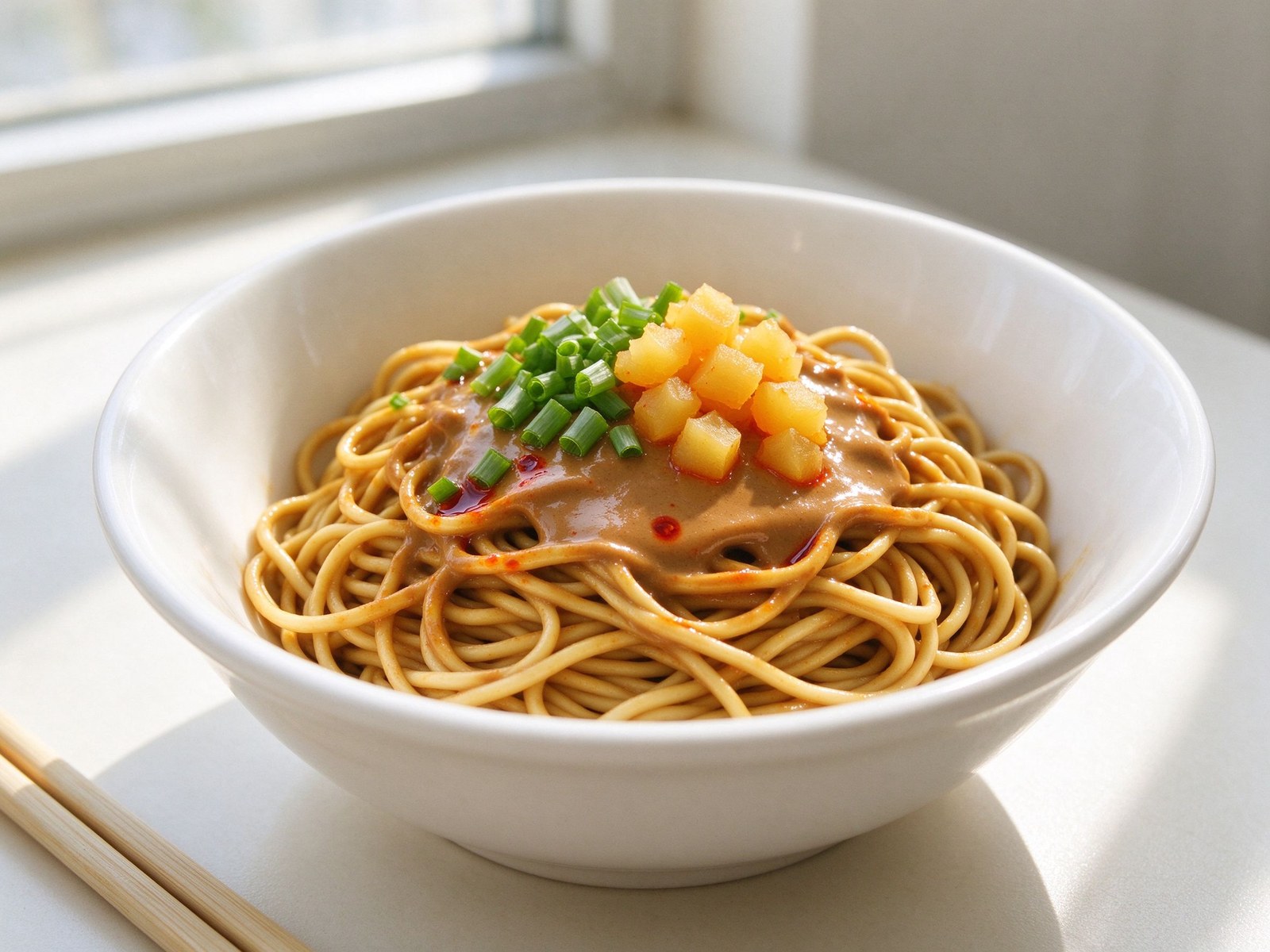
Wuhan treats breakfast (guòzǎo) as a daily ritual: reganmian (sesame-paste hot dry noodles), mianwo fried dough rings, sanxian doupi, xiaolongbao. Watch the noodle toss at any street stall—the quick sauce toss while standing is the craft, not a sit-down restaurant.

The First Bridge over the Yangtze

The Wuhan Yangtze Bridge (1957), a Soviet-assisted engineering landmark, joined the three towns for the first time. From the Yellow Crane Tower you look straight down its truss—it is the reason Wuhan became a single city rather than three ferry towns.

5

1–3 day routes

Executable skeletons: 1-day essence, 2-day dual-store study, 3-day with Shenhou porcelain.

1-day

1-day core: tower, revolution, river view

  1. Morning: Hubu Alley area for Wuhan breakfast—reganmian hot dry noodles, mianwo fried dough ring, doupi
  2. Midday: Wuhan 1911 Revolution Museum (South/North halls)—confirm which half is open that weekday
  3. Afternoon: walk up Snake Hill toward the Yellow Crane Tower; time the tower entry for late afternoon light over the Yangtze Bridge
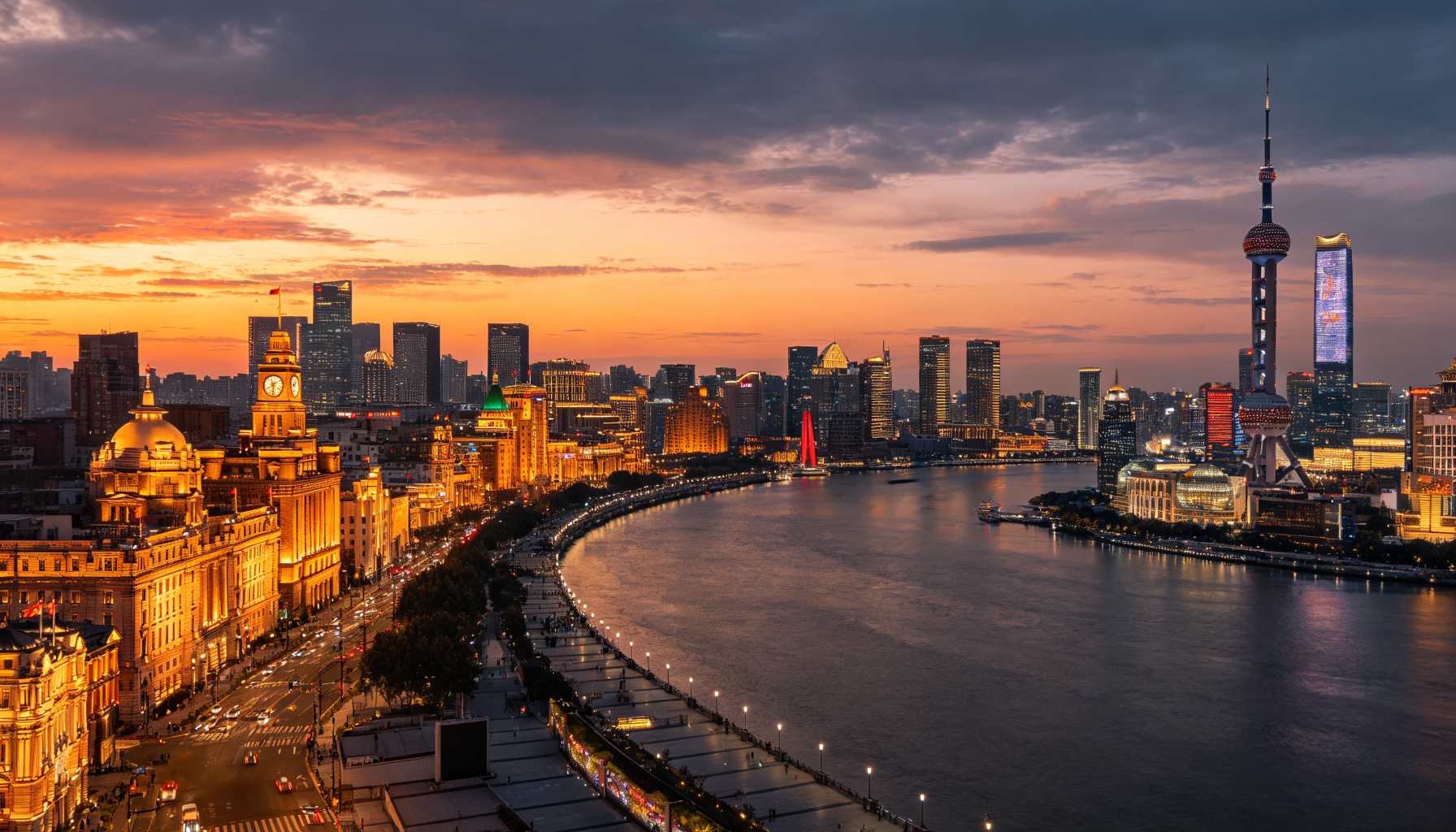
  4. Evening: riverside Hankou Bund (Jiangtan) or Chu River Han Street lit up after 18:30

For travelers with a single day in Wuchang. Built around the tower's late-afternoon light and the walkable Snake Hill–Ziyi Square cluster.

2-day

2-day loop: add East Lake and the provincial museum

  1. Day 1: Snake Hill morning (1911 sites) → Yellow Crane Tower dusk → Hubu Alley / Hankou Bund dinner
  2. Day 2 morning: book the Hubei Provincial Museum slot first—Sword of Goujian, Marquis Yi bianzhong bells
  3. Day 2 midday: rent a bike on the East Lake Greenway (Tingtao / Moshan shore); sub-areas are free, open all day
  4. Day 2 late afternoon: return via Wuhan Botanical Garden or East Lake Cherry-Blossom/Moshan parks depending on season

For culture-and-lake travelers who want both the river-history core and Wuhan's great urban lake.

3-day

3-day depth: breakfast culture + two-river cross

  1. Day 1: 1911 sites → Yellow Crane Tower dusk → riverside evening
  2. Day 2: Hubei Provincial Museum morning → East Lake Greenway ride → Chu River Han Street dinner
  3. Day 3 morning: follow locals to a neighborhood breakfast stall (not just Hubu Alley), then cross the Yangtze Bridge on foot or by Metro Line to Hankou's concession-era Zhongshan Avenue
  4. Day 3 optional: Yellow Crane Tower night light show (separate ticket), Han Show theatre, or a relaxed departure buffer at Hankou Railway / Wuhan Station

Slower read of Wuhan street food, the three-town river crossings, and an optional Yellow Crane night show or Han Show.

6

Food & what to buy

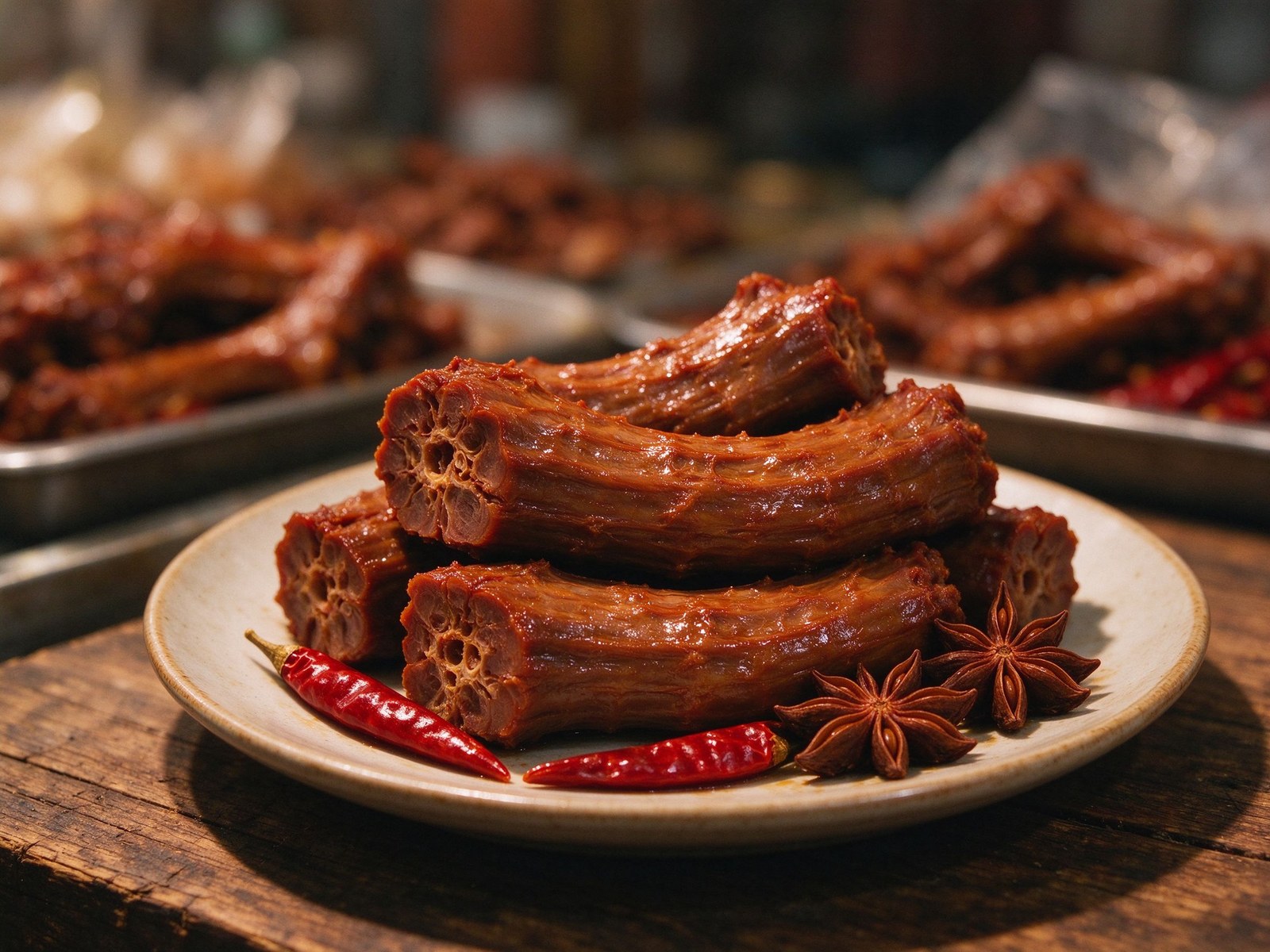
Eat where Wuhan locals do their morning guozao: sesame-paste hot dry noodles (reganmian), mianwo fried dough rings and sanxian doupi—skip the markup inside the Hubu Alley tourist core and walk to the surrounding neighborhood stalls. For souvenirs, buy vacuum-packed duck neck (Zhou Hei Ya / Jingwu) and instant reganmian packs you will actually eat; treat Hubu Alley as a tasting lane, not a shopping street. River-caught fish sold roadside is often mislabeled—buy prepared Wuchang fish from a branded vacuum pack instead.

  • Instant reganmian packs—choose the bottled-sesame-oil version; the dry-sauce sachets taste flatter. Check the cook-by date.
  • Vacuum-packed duck neck (Zhou Hei Ya / Jingwu)—spicy and numbing; buy the refrigerated short-shelf packs for best flavor, not the long-date shelf-stable ones.
  • Wuchang fish (chang/mao 武昌鱼)—brand vacuum ready-to-eat packs; roadside 'wild Yangtze fish' is frequently mislabeled.
  • Hongshan caitai (洪山菜薹) is highly seasonal (late winter–early spring)—buy only in season; off-season frozen/imported versions disappoint.
  • Yellow Crane Tower cultural souvenirs—calligraphy scrolls and paper tower models; the ice-cream cone is for eating on the spot, not travel.
  • Hubei Provincial Museum souvenirs—bianzhong-bell replicas and Sword-of-Goujian bookmarks are well-made; check the authenticity seal in the museum shop.
7

Getting there & tips

Best time: March–April and September–November for comfortable temperatures; June–July is plum-rain and hot. Autumn gives the clearest light over the Yangtze from the tower. · Humid subtropical—one of China's 'three furnaces', with hot wet summers, cool damp winters, and a June–July plum-rain season.

The metro links the three towns: Line 5 to Simenlou/Yellow Crane Tower for Snake Hill, Line 8 near the Hubei Provincial Museum and East Lake, Line 2 for Hankou Bund and the airport. The Yangtze ferry is a cheap cross-river experience. East Lake Greenway is best on foot or by rented bike. Tianhe International Airport (WUH): Metro Line 2 runs toward the airport roughly 6:30–23:00; from Hankou Railway Station it is ~35 min, from Wuhan Railway Station ~1 h 15 min via Lines 4/8/2. Airport shuttle buses also run from major stations. Confirm last-train and shuttle times for late arrivals.

Wuhan visitor handbook

Payments

Metro, malls and chain restaurants accept Alipay/WeChat with bound foreign cards. Neighborhood breakfast stalls and small noodle shops may prefer cash or local QR—keep ¥100–200 small notes for guozao. Show Chinese addresses to Didi drivers; museum entry needs your passport or ID.

Crowds & timing

The Hubei Provincial Museum requires a free timed reservation (up to 5 days ahead via official WeChat) and is closed Mondays. The 1911 Museum's two halves close on different weekdays (South Monday, North Tuesday). The Yellow Crane Tower is busiest midday—enter late afternoon for light and thinner crowds. East Lake Greenway fills on weekend mornings.

Weather & the 'furnace' summer

Wuhan is one of China's 'three furnaces': June–August is hot and humid with plum-rain (meiyu) downpours; winter is damp and cold. Best seasons are spring (March–April) and autumn (September–November). Carry an umbrella in early summer and a rain layer year-round.

Etiquette & museum rules

No flash or tripods in museum galleries; check the Sword of Goujian and bianzhong bell halls before crowds. Do not bring outside food into exhibition halls. At the Yellow Crane Tower, follow one-way stair traffic; the night show is ticketed separately. Queues for timed entry are real—arrive within your booked slot.

Safety & riverside

Stay on designated viewing platforms at the Yangtze Bridge and riverbanks—do not climb railings or walk unlit embankments at night. Boat ferries across the Yangtze are a cheap local experience; wear a life vest on open boats. Keep valuables in crowded metro interchange stations (Jiedaokou, Hongshan Square).

Connectivity & transit cards

Metro covers the three towns well—Line 2 connects Tianhe Airport and Hankou, Line 4 reaches Wuhan Railway Station. Use Alipay/WeChat transit QR for metro and buses rather than buying single-journey tokens. Free Wi-Fi is limited; get a local SIM or eSIM for multi-day stays.

Getting around

The metro links the three towns: Line 5 to Simenlou/Yellow Crane Tower for Snake Hill, Line 8 near the Hubei Provincial Museum and East Lake, Line 2 for Hankou Bund and the airport.

Navigation

The Yangtze ferry is a cheap cross-river experience.

Pay

Metro, stalls, and rides mostly take Alipay or WeChat. Set up Alipay with a foreign card before you land.

Show this

Show the Chinese name “武汉” to drivers and staff. It beats a long English explanation.

MetroThe metro links the three towns: Line 5 to Simenlou/Yellow Crane Tower for Snake Hill, Line 8 near the Hubei Provincial Museum and East Lake, Line 2 for Hankou Bund and the airport. The Yangtze ferry is a cheap cross-river experience. East Lake Greenway is best on foot or by rented bike. Tianhe International Airport (WUH): Metro Line 2 runs toward the airport roughly 6:30–23:00; from Hankou Railway Station it is ~35 min, from Wuhan Railway Station ~1 h 15 min via Lines 4/8/2. Airport shuttle buses also run from major stations. Confirm last-train and shuttle times for late arrivals.
BusThe metro links the three towns: Line 5 to Simenlou/Yellow Crane Tower for Snake Hill, Line 8 near the Hubei Provincial Museum and East Lake, Line 2 for Hankou Bund and the airport. The Yangtze ferry is a cheap cross-river experience. East Lake Greenway is best on foot or by rented bike. Tianhe International Airport (WUH): Metro Line 2 runs toward the airport roughly 6:30–23:00; from Hankou Railway Station it is ~35 min, from Wuhan Railway Station ~1 h 15 min via Lines 4/8/2. Airport shuttle buses also run from major stations. Confirm last-train and shuttle times for late arrivals.
Taxi / DidiDidi or a licensed taxi is the simplest door-to-door. Set destination to “武汉” and pay in-app with Alipay/WeChat.

Wuhan hotels, transfers & popular bookings

Book tickets, transfers, and popular tours via partners first — then request deeper local experiences through ChinaPie.

Disclosure: Some links are affiliate links. ChinaPie may earn a commission on eligible bookings at no extra cost to you.

Prices shown are planning references only. Actual rates fluctuate with season, holidays, demand, and partner promotions — the price at checkout on the booking site is authoritative.

8

Wuhan FAQ & next step

Conversion stays soft — clear next steps: plan or request.

Is Wuhan safe for tourists?

Yes for typical tourist areas. Keep phones and bags secure on metro and in crowded night spots; use licensed taxis or Didi.

Do I need a visa to visit Wuhan?

Depends on your passport. Check ChinaPie Plan & Prep → Visa for 30-day visa-free and 240-hour transit options before booking.

Can I use Alipay in Wuhan?

Yes—foreigners can set up Alipay with passport + international card. See /prep/alipay-setup for the step-by-step guide.

Is the Yellow Crane Tower worth it, and what does it cost?

Full ticket is ¥70 (half ¥35 for students/seniors 60–65). It is a 1985 reconstruction, but the tower and its Tang-dynasty poem plaques sit right above the Wuhan Yangtze Bridge—go in late afternoon for the best light. Ticketing runs 8:30–17:00 and the tower clears by 18:00; the night light show is a separate ticket.

Do I need to book the Hubei Provincial Museum, and when is it closed?

Entry is free but you must book a timed slot up to 5 days ahead via the official WeChat mini-program. It is open Tue–Sun 09:00–17:00 (last entry 16:00) and closed Mondays except holidays; summer (before Aug 31) extends to 8:30–17:30. See the Sword of Goujian and bianzhong bells early.

Is East Lake free, and can I cycle the Greenway without a ticket?

Yes—Tingtao, Moshan and the 105 km East Lake Greenway are free and open all day (Moshan 8:30–17:00, Luoyan 8:00–17:30). Rent a bike on the shore; sub-areas like Luoyan may charge a small fee, and Greenway sightseeing shuttle buses are separate. Cherry-blossom season (late March–April) is busy—start early.

How do I get from Tianhe Airport to central Wuhan?

Metro Line 2 runs to the airport roughly 6:30–23:00: about 35 minutes from Hankou Railway Station and ~1 h 15 min from Wuhan Railway Station (Lines 4/8/2). Airport shuttle buses also run from major stations. Check last-train times for late arrivals.

Which countries are visa-free for China in 2026?

China offers unilateral visa-free entry to 40+ countries including France, Germany, UK, Japan, South Korea, Singapore, Malaysia, Thailand, Italy, Spain, Netherlands, Switzerland, Sweden, Norway, Denmark, Finland, Belgium, Austria, Ireland, Portugal, Greece, and more. Stay: up to 30 days. IMPORTANT: US passport holders are NOT on the unilateral visa-free list and need a visa. Check latest list at China Immigration official site before travel.

How many days do I need in Wuhan?

Most first-timers do well with 1–3 days. Start with the 1-day core: tower, revolution, river view, then expand to 2–3 days if you want slower food and culture. Use Plan this city to turn stops into a workable week.

Can I pay with a foreign card in Wuhan?

Foreign cards work more often via Alipay / WeChat Pay tourist modes and some metro apps, but coverage still varies by merchant. Keep a small cash float and set payment apps up before peak sightseeing. See the practical section on this hub for city-specific notes.

Plan this city
WuhanCity hub
Plan