Changsha

Changsha · 长沙

Changsha Travel Guide

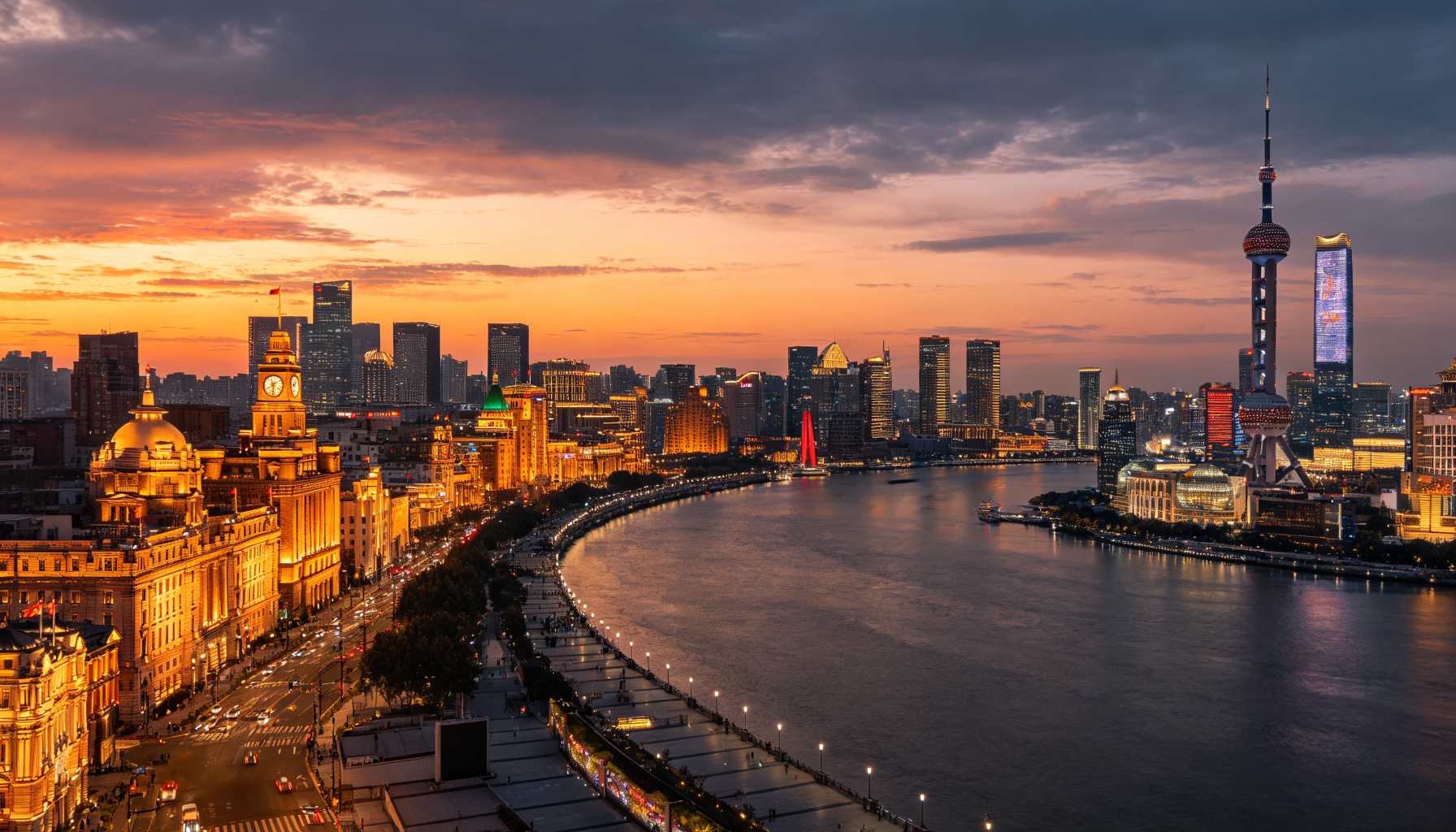
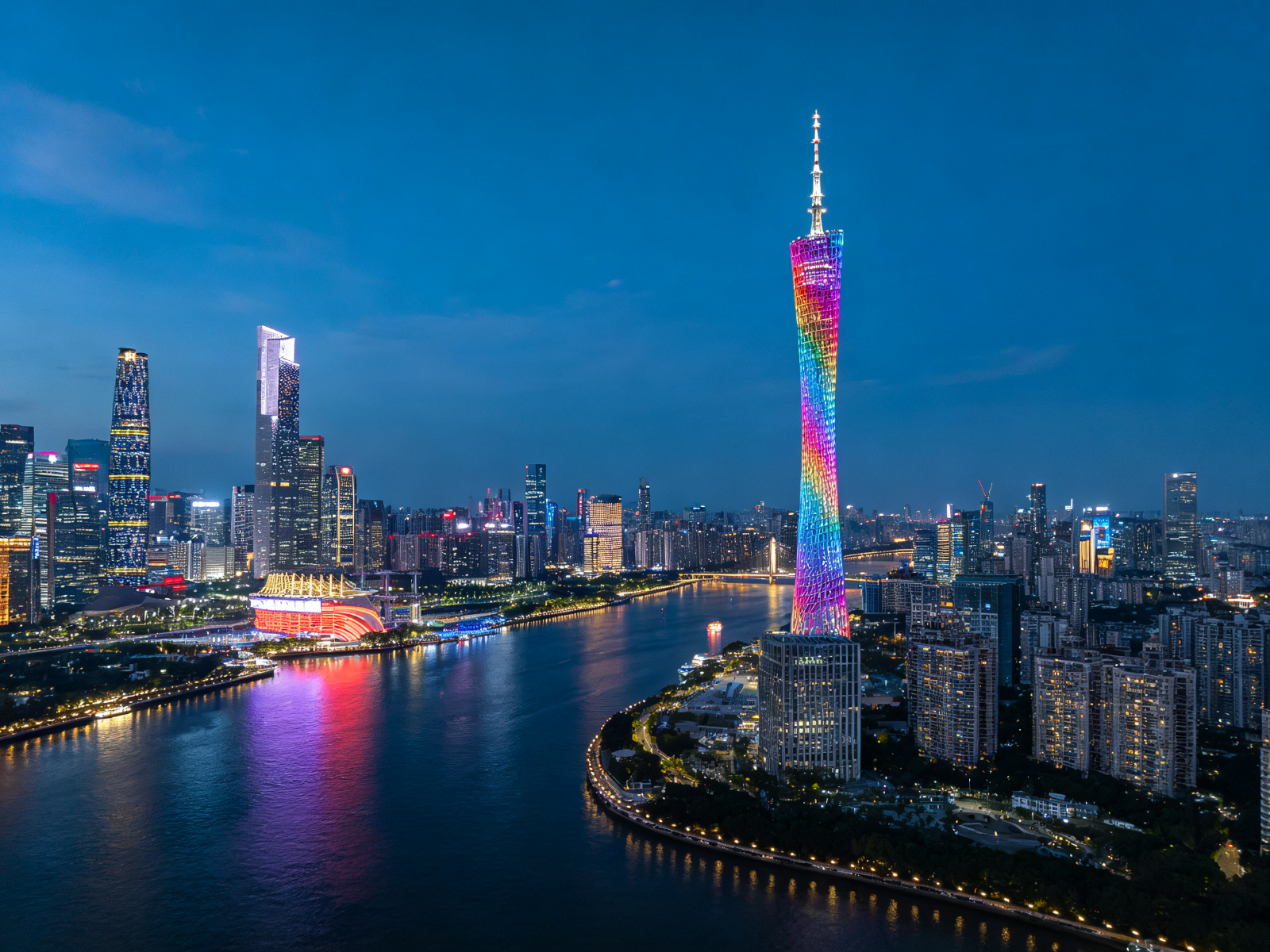
Changsha is a 'mountain-isle-city' strung along the Xiang River: a 2,100-year-old Han kingdom re-discovered at Mawangdui, a millennium-old academy on Yuelu Mountain, a 5-kilometre isle where Mao Zedong wrote his most famous poem—and a street-food and night-life engine that stays loud past midnight.

History travelers coming for the Mawangdui Han tombs and a 1,000-year-old imperial academyFood travelers chasing Hunanese heat: stinky tofu, crayfish, sour-spicy rice noodlesYoung travelers after China's viral night streets, new-style tea and river-isle sunsetsHSR through-train travelers using Changsha as a Yunnan-Guizhou-Jiangnan transfer stop
Food cityModern citiesFirst-time friendly
Plan this city
1

Why make a special trip

Changsha is a 'mountain-isle-city' strung along the Xiang River: a 2,100-year-old Han kingdom re-discovered at Mawangdui, a millennium-old academy on Yuelu Mountain, a 5-kilometre isle where Mao Zedong wrote his most famous poem—and a street-food and night-life engine that stays loud past midnight.

One provincial museum holds the Han kingdom of Changsha in its basement

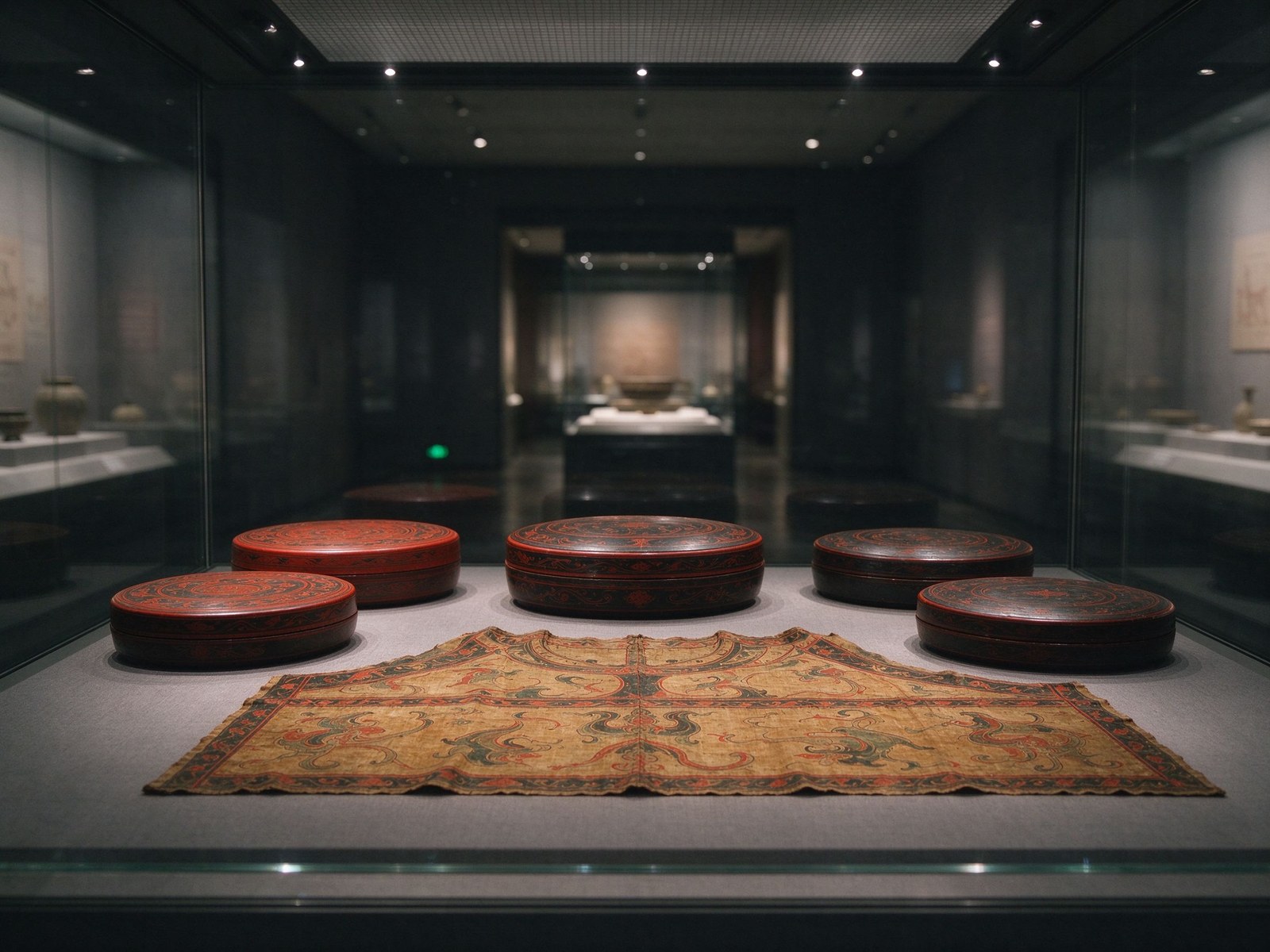
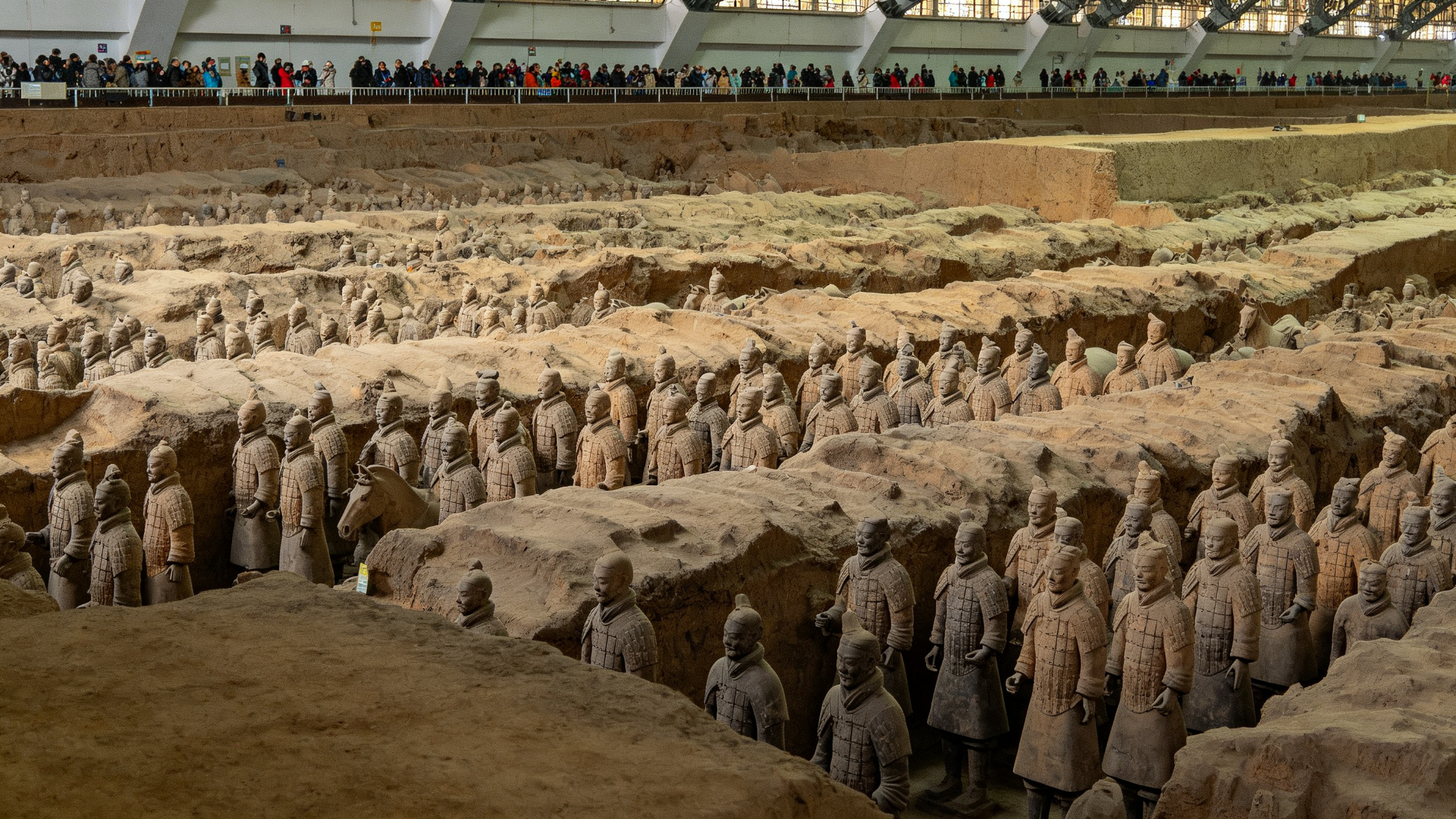
Book the morning slot first thing: the Mawangdui tombs give you a 2,100-year-old silk banner, lacquerware and the well-preserved body of the Marquise of Dai—before you ever walk the city streets. Build context here, then read Yuelu Mountain and Orange Isle as the same civilization talking across centuries.

The 'mountain-isle-city' frame is walkable and mostly free

Yuelu Mountain park and Orange Isle cost nothing to enter; you pay only the academy ticket (¥40) and the isle sightseeing train (¥40 full). Use Metro Line 2 as the spine—Orange Isle station lands you on the isle, and the university district at the mountain foot is where lunch happens.

The night food street is the city's real living room

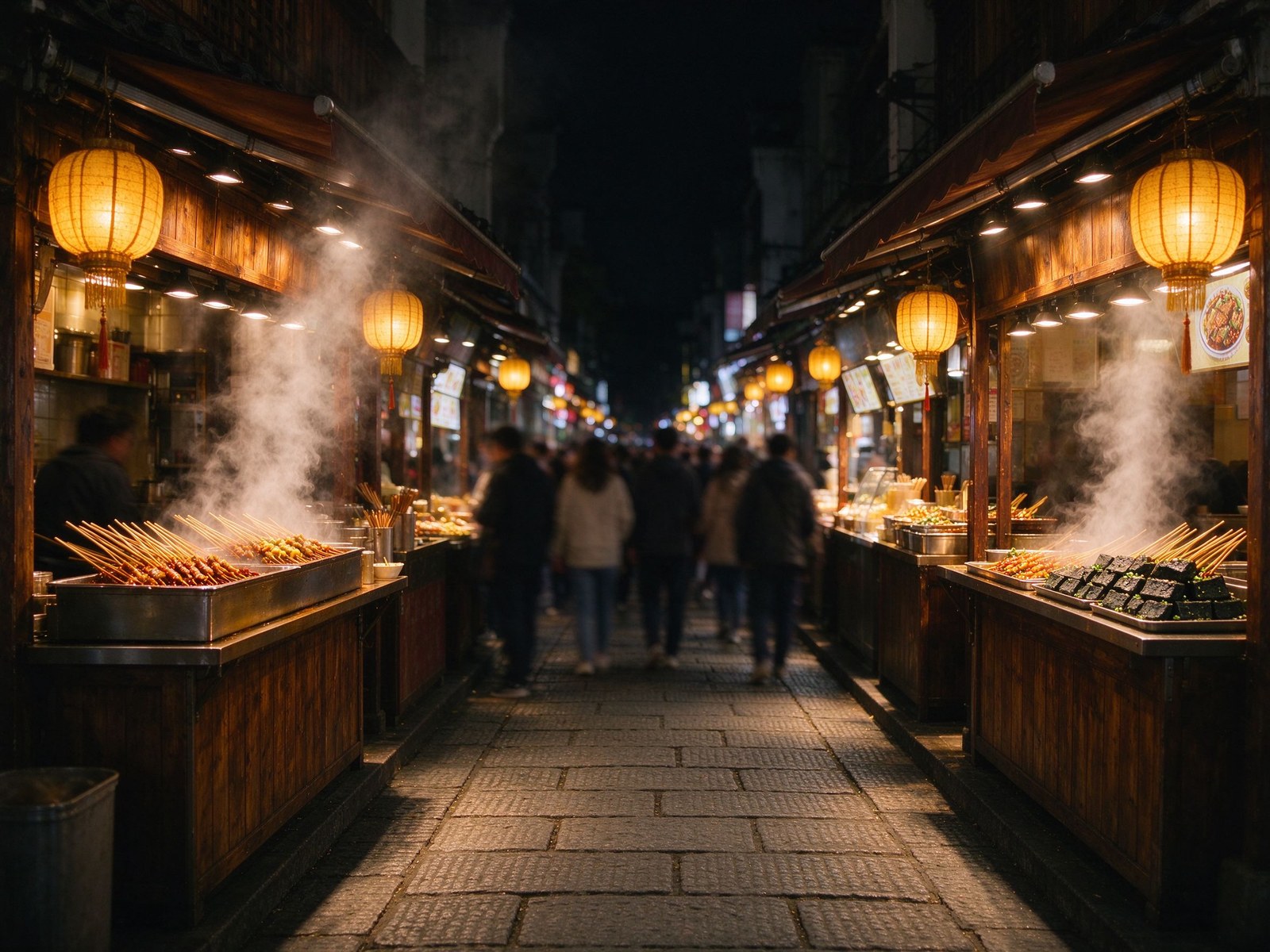
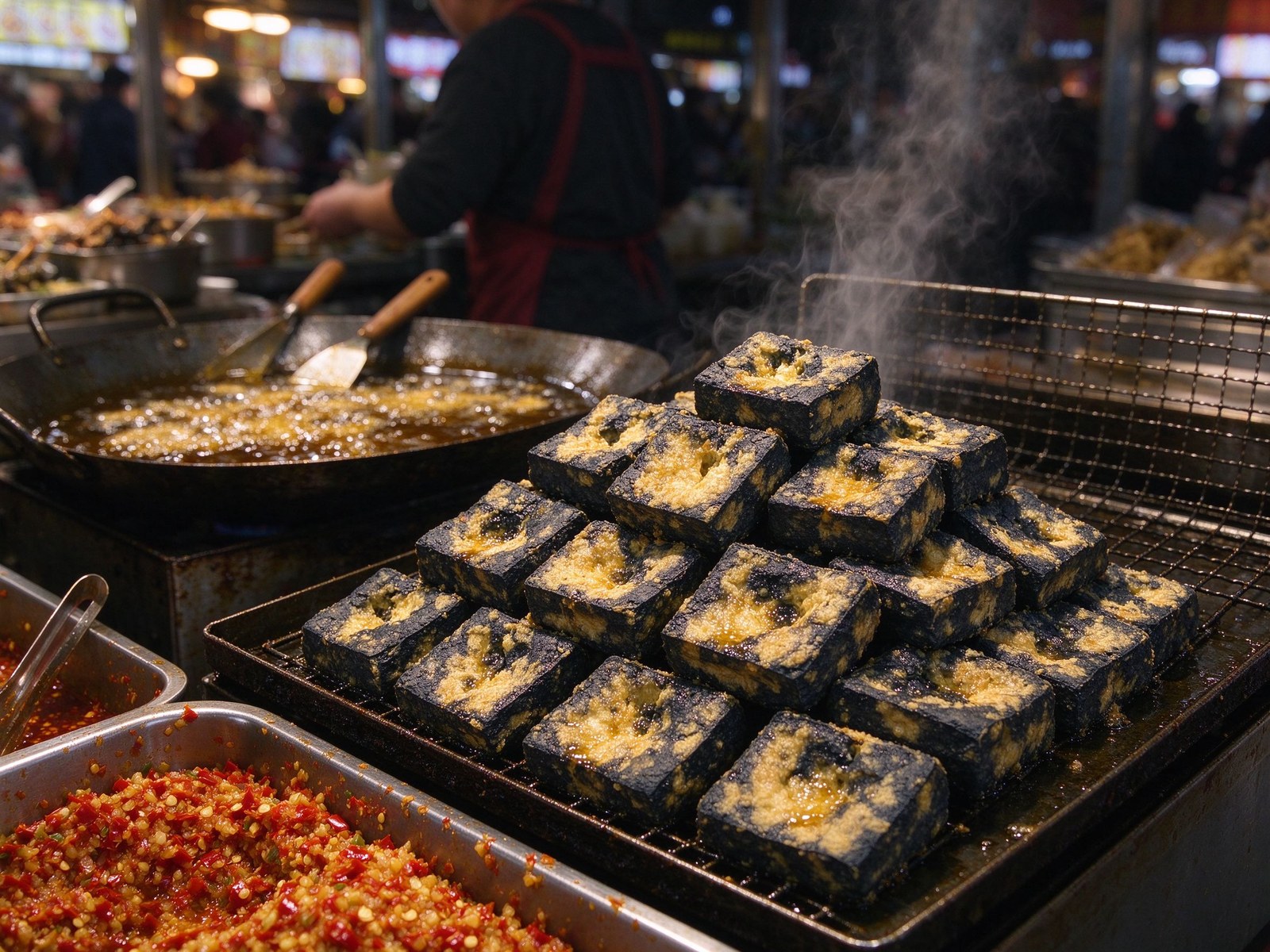
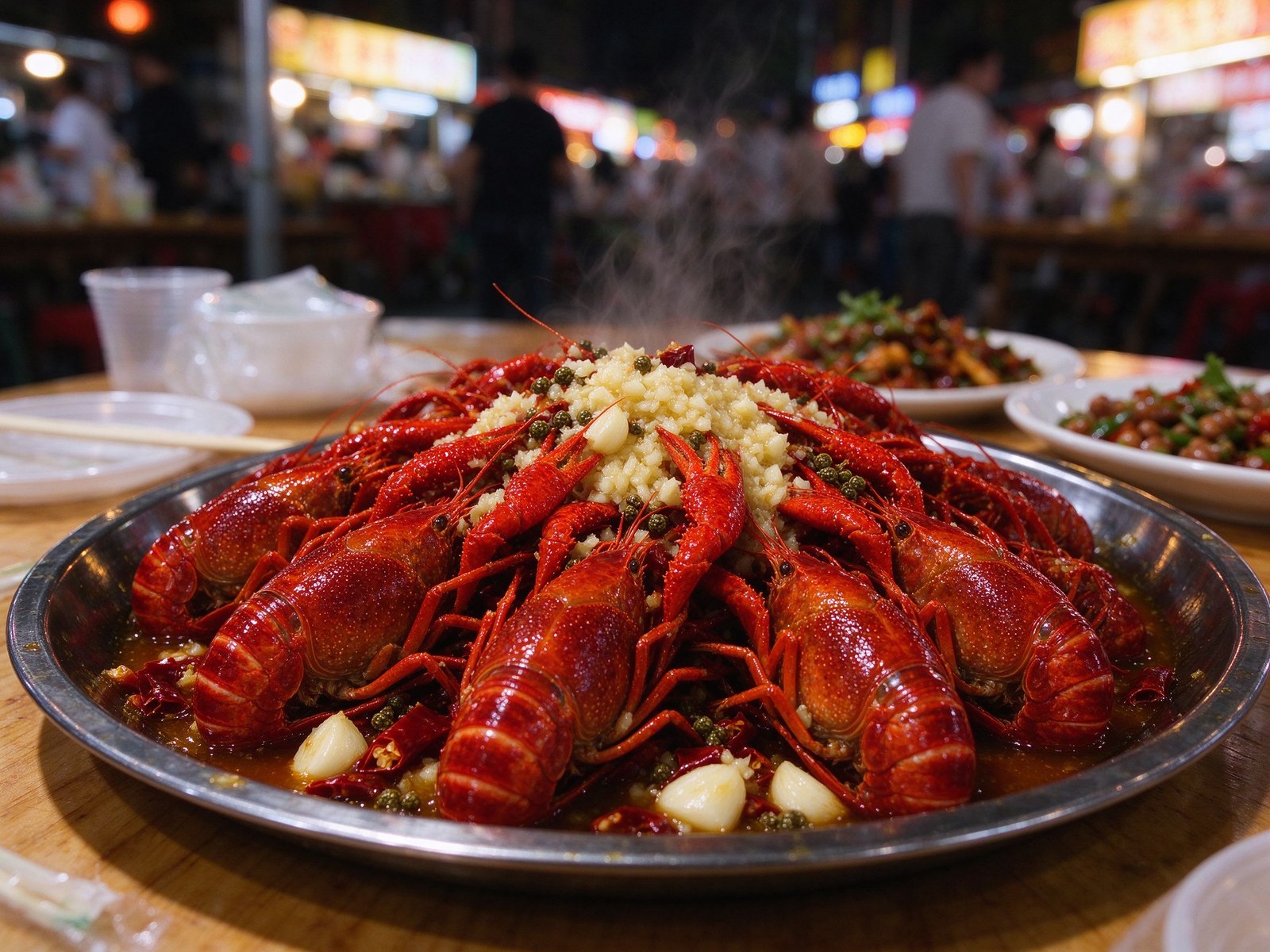
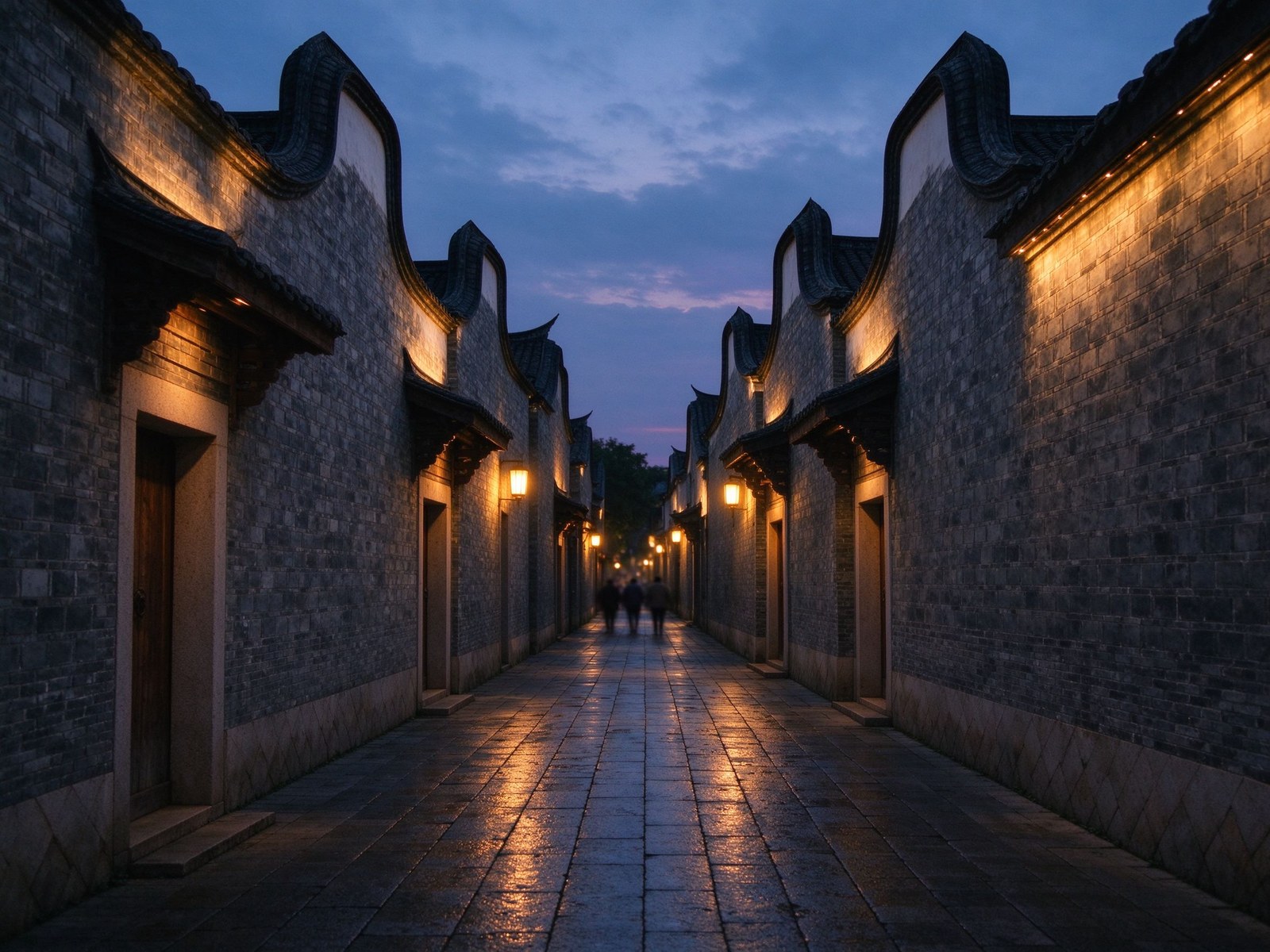
After dark the Wuyi Square–Taiping Street–Huangxing Road strip turns into a queue for stinky tofu, sugar-oil baba, crayfish and cream-topped tea. Eat where locals queue rather than at the entrance billboard stalls, and plan your museum morning around staying out late.

2

Museum morning, mountain-and-isle afternoon, food street night

The city’s signature line — depth entry, not a checklist.

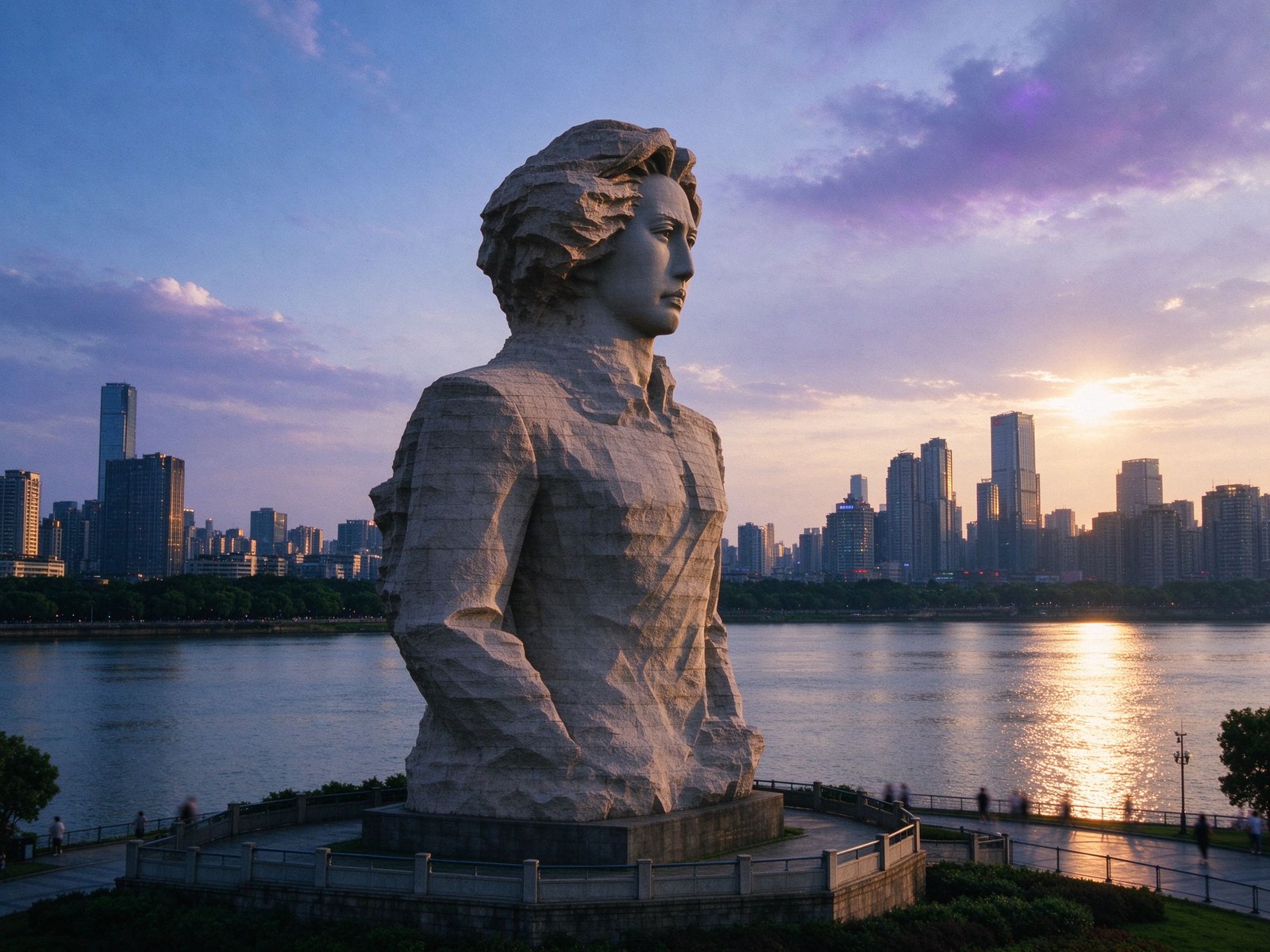
The signature Changsha sequence: a booked morning at Hunan Museum for the Mawangdui Han displays, a Metro Line 2 hop to Orange Isle for the 32-metre youth-Mao sculpture and the riverside sunset, then across to Yuelu Mountain for the millennium-old Yuelu Academy and Aiwan Pavilion. Finish back in the old city at Taiping Street, where the stinky tofu and cream-topped tea explain why this city stays up late.

Related sight detail
3

Bookable experiences

ChinaPie’s main shelf — add to trip or request a slot.

Experience inventory is still growing — plan with routes & culture, or request a study day.

4

Sights & culture

Beyond ticket notes — read the city’s character first.

Mawangdui: the Han kingdom under a suburb

The 1972–74 excavations of tombs at Mawangdui uncovered the family of Li Cang, Marquis of Dai and chancellor of the Changsha Kingdom. The T-shaped silk funeral banner, lacquerware and the exceptionally preserved body of Xin Zhui rewrote what we know about Han burial ritual and medicine—read the gallery before you judge anything 'ancient' in the city.

Yuelu Academy: a thousand years of continuous schooling

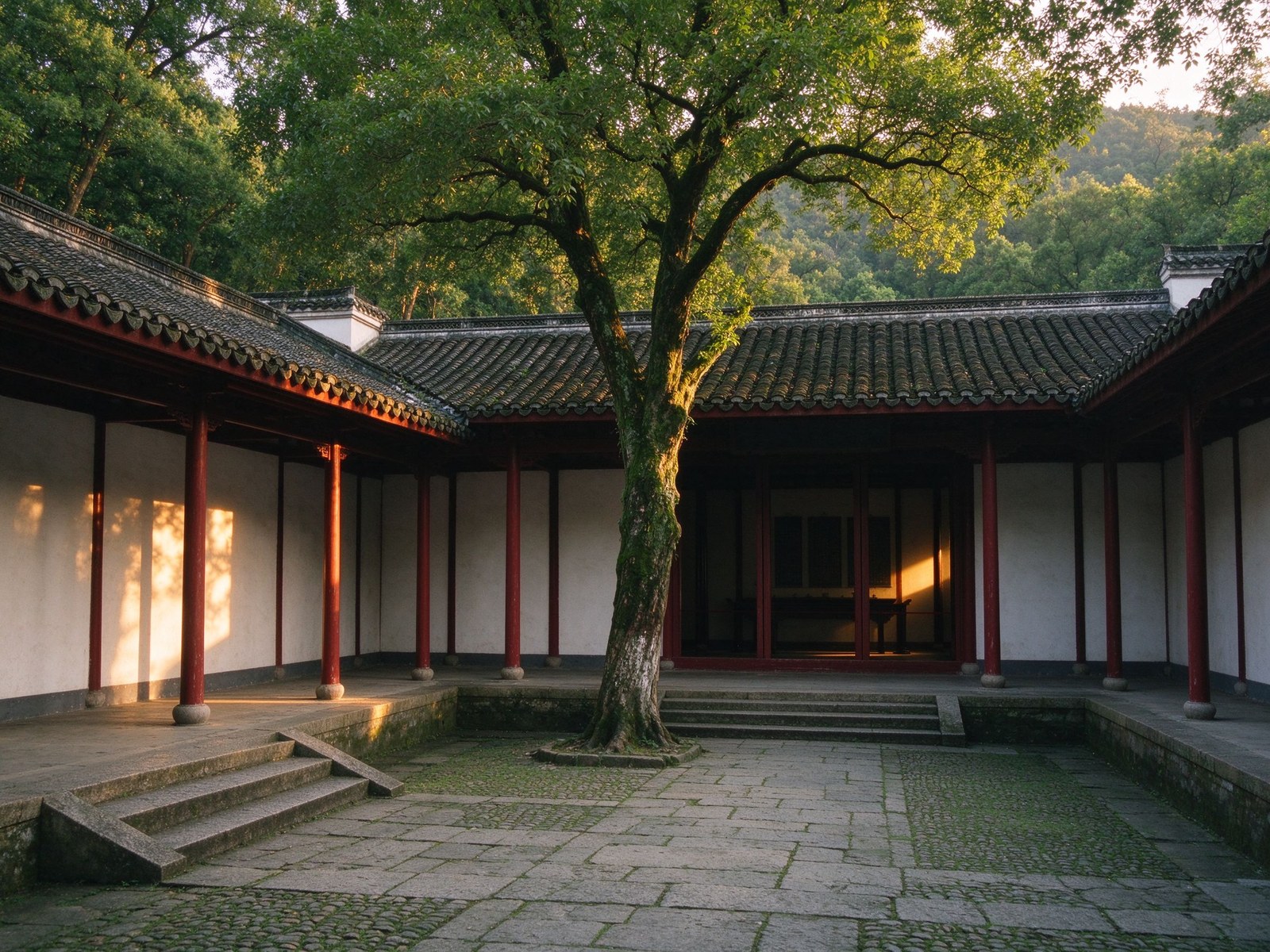
Founded in 976, Yuelu Academy is one of China's great imperial academies and a direct ancestor of today's Hunan University. Its gate couplet 'Only Chu produces talent; this academy overflows with it' is not marketing—it names the Hunan-centric intellectual confidence that produced modern China's generation of leaders.

Orange Isle and a poem that made a city

In autumn 1925 a young Mao Zedong stood on this 5-kilometre isle and wrote 'Changsha' in the tune 'Qinyuanchun'—'independent in cold autumn, the Xiang flows north…'. The 32-metre sculpture of the 1925 Mao, unveiled in 2009, is the isle's anchor; the poem, not a monument, is why overseas visitors come.

Hunanese food: the dockside, wok-heritage of a river town

Changsha grew as a Xiang River dock town where boatmen wanted food that kept them warm and awake. That is why the local palette leans on dry chili, smoked cured goods and sour-pickle heat—stinky tofu and crayfish are modern heirs, not inventions. Ask for 免辣 (no chili) when you must; most shops will adjust.

New-style tea and the 'internet-famous' remake

Chayan Yuese (founded 2013) and the retro-street complex Wenheyou are home-grown brands that rebuilt Changsha's image around youth and nostalgia rather than factories. Watch them as urban rebranding: dense direct-run tea bars on Taiping Street, a 1980s streetscape inside a mall—both engineered for the camera first.

5

1–3 day routes

Executable skeletons: 1-day essence, 2-day dual-store study, 3-day with Shenhou porcelain.

1-day

1-day core: Orange Isle + Yuelu Mountain

  1. Morning: Metro Line 2 to Juzizhou (Orange Isle) Station; enter by booked slot, take the sightseeing train to the isle head and the 32 m youth-Mao sculpture
  2. Midday: cross to the Yuelu (west) bank; university-district lunch near Hunan University
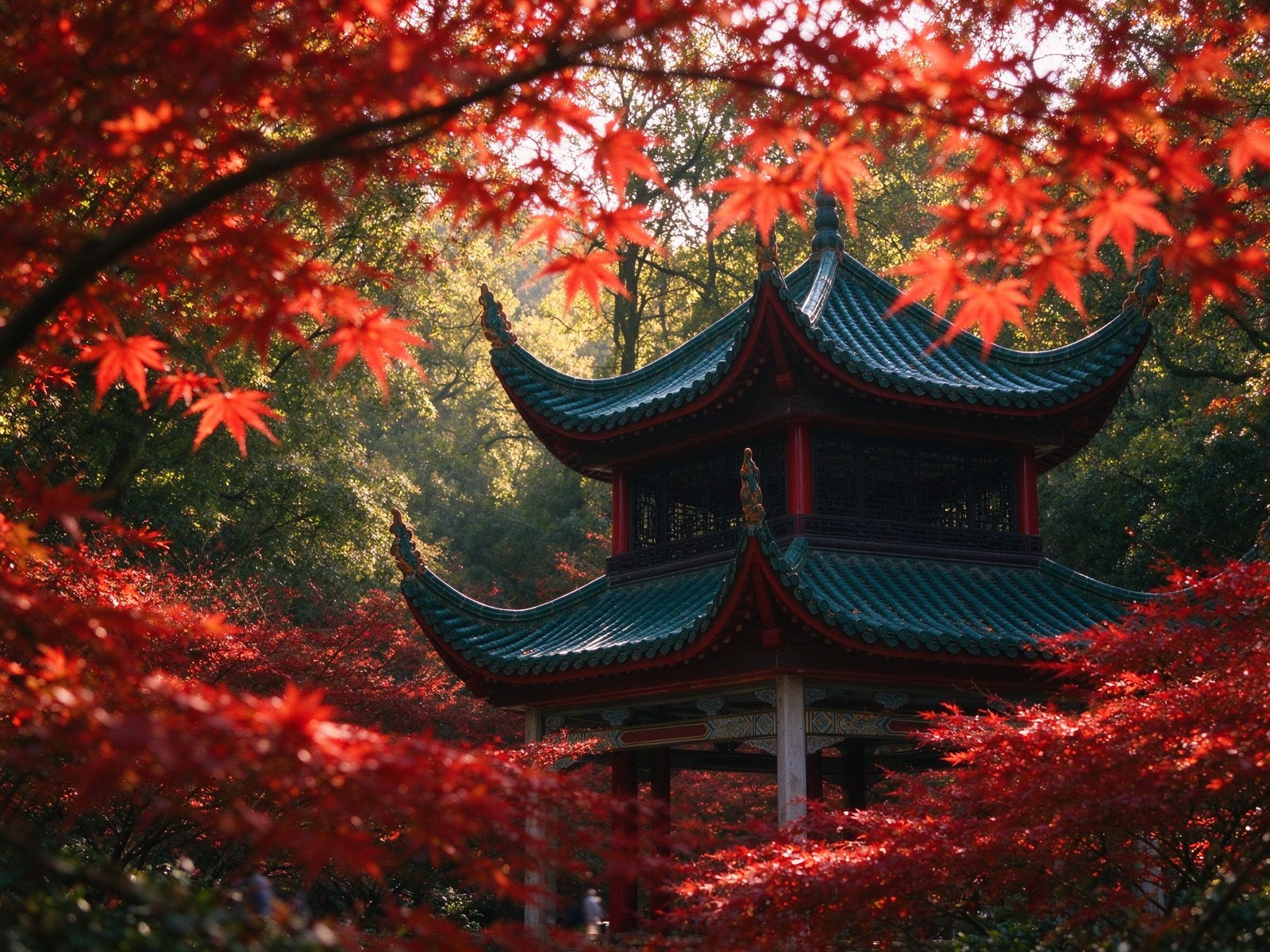
  3. Afternoon: Yuelu Academy (booked ¥40 ticket), then walk up to Aiwan Pavilion among the maples; late autumn for red leaves
  4. Evening: Metro back to Wuyi Square; Taiping Old Street for stinky tofu, sugar-oil baba and cream-topped Chayan Yuese tea

For travelers with a single day between HSR trains. Built around the free isle in the morning, the academy at noon, and the old-city food street after dark.

2-day

2-day loop: add the Han museum and the night strip

  1. Day 1: Orange Isle morning → Yuelu Academy & Aiwan Pavilion afternoon → Taiping Street / Wenheyou dinner
  2. Day 2 morning: Hunan Museum by booked slot (Tue–Sun, closed Monday); start with the Mawangdui Han Tombs Exhibition
  3. Day 2 afternoon: Wuyi Square – Huangxing Road pedestrian strip; Changsha IFS rooftop sculpture garden for the skyline
  4. Day 2 night: super Wenheyou retro-street complex or Jiefang West Road bar-and-snack strip; end late—it is a Changsha ritual

For culture-and-food travelers who want the Mawangdui context and the viral night streets in the same trip.

3-day

3-day depth: slow food streets + river context

  1. Day 1: Orange Isle → Yuelu Mountain/Academy → Taiping Street night food
  2. Day 2: Hunan Museum morning (Mawangdui + Hunan history hall) → Wuyi Square shopping strip → Wenheyou dinner
  3. Day 3 morning: re-walk Taiping Street by daylight to compare old brands and Jia Yi's former residence; buy vacuum-packed stinky tofu and spiced duck for gifting
  4. Day 3 optional: keep the museum special exhibition slot if sold out earlier, or leave early—Line 6 runs direct to Huanghua Airport T1/T2

Adds a slower read of the old-city grid, an optional museum special exhibition, and a relaxed departure buffer via the airport metro.

6

Food & what to buy

Eat where Changsha families queue: black-classic stinky tofu, sugar-oil baba, smoked-cured stir-fries, late-night crayfish and sour-spicy rice noodles. For souvenirs, buy sealed vacuum stinky tofu and spiced cured duck you will actually eat, and check Chayan Yuese tea bags against loose market leaf tea. Skip the gift boxes stacked at the pedestrian-street entrance—markup peaks where tour coaches unload.

  • Chayan Yuese cream-topped tea—drink it in-store on Taiping Street or Huangxing Square; queues are long on weekends, and the brand has almost no stores outside Hunan.
  • Stinky tofu—eat the just-fried black classic from the stall; sealed vacuum packs travel fine and make an odd, true Changsha gift.
  • Sugar-oil baba (糖油粑粑) is for here, not home—soft and sticky the same day, it hardens overnight; buy two skewers and share.
  • Spiced cured duck (酱板鸭) and smoked-cured goods—choose sealed, dated packs; ask for 微辣 if it is for foreign friends, and compare price per pack, not per box.
  • Crayfish (麻辣小龙虾) is a night dish—order it at dinner, not as a souvenir; portions come by the jin (500 g), and you will peel for an hour.
  • Tea: local Junshan silver-needle and other Hunan leaf teas—buy from a packaged tea shop rather than open sacks at the stall; ask to smell it before buying.
7

Getting there & tips

Best time: April and October–November are best—mild and dry. Late November brings Aiwan Pavilion's red maples. Avoid July–August's steamy peak heat; winter is cheap but damp and cold. · Humid subtropical: long, hot, muggy summers (35°C+), short, damp winters near freezing, frequent rain in spring and early summer.

Metro is the spine: Lines 1 and 2 interchange at Wuyi Square; Line 2 stops at Orange Isle and runs out to Changsha South HSR Station; Line 4 serves the Hunan University / Yuelu Mountain foot; Line 6 links the museum area and Huanghua Airport. Sightseeing bus up Yuelu Mountain is ~¥20 (platform-reference). Taxis/Didi are cheap for short hops; private cars are banned on Orange Isle. Huanghua Airport (CSX): Metro Line 6 direct to the city centre (~50 min, to ~23:00), or maglev (~7:00–22:40) to Changsha South HSR, then Line 2. Changsha South (HSR) = Metro Lines 2 and 4; Changsha Station (conventional) = Line 2.

Changsha visitor handbook

Payments

Chain shops, the metro and malls take Alipay/WeChat with a bound foreign card, but late-night stalls and small rice-noodle shops still prefer cash. Keep ¥200–400 small notes; for taxi, show the driver your Chinese destination text from the map app.

Reservations & crowds

Hunan Museum needs a free timed reservation up to 7 days ahead (releases at 20:00 daily, 9,000/day) and is closed Mondays. Orange Isle needs a free real-name reservation up to 3 days ahead; Yuelu Academy sells its own ¥40 ticket on top of the mountain-park entry. Grab slots at release time—weekends and holidays fill within hours.

Chili tolerance

Local cooking is aggressively chili-forward. When ordering, say 免辣 / 微辣 (no chili / mild) and confirm noodles come without chili oil on the side. Many menus have non-spicy options; the Chayan Yuese tea and sugar-oil baba are safe bets between spicy rounds.

Weather & seasons

Humid subtropical: summers are long, steamy and 35°C+; winters are damp and chilly with no central heating. April and October–November are the comfortable windows; Aiwan Pavilion's red maples peak around late November.

Nightlife & safety

The Wuyi Square, Jiefang West Road and Wenheyou area runs loud and crowded past midnight—it is the point of the visit. Keep phones out of back pockets in crowds, agree on a price or use Didi (not street-hailed touts) after a late night out.

Getting from the airport

Huanghua Airport (CSX) has a direct Metro Line 6 into the city (runs to ~23:00); the older option is the maglev link to Changsha South HSR Station, then Metro Line 2. Late arrivals after the last train need a taxi or Didi, roughly 40–60 minutes depending on traffic.

Getting around

Metro is the spine: Lines 1 and 2 interchange at Wuyi Square; Line 2 stops at Orange Isle and runs out to Changsha South HSR Station; Line 4 serves the Hunan University / Yuelu Mountain foot; Line 6 links the museum area and Huanghua Airport.

Navigation

Sightseeing bus up Yuelu Mountain is ~¥20 (platform-reference).

Pay

Metro, stalls, and rides mostly take Alipay or WeChat. Set up Alipay with a foreign card before you land.

Show this

Show the Chinese name “长沙” to drivers and staff. It beats a long English explanation.

MetroMetro is the spine: Lines 1 and 2 interchange at Wuyi Square; Line 2 stops at Orange Isle and runs out to Changsha South HSR Station; Line 4 serves the Hunan University / Yuelu Mountain foot; Line 6 links the museum area and Huanghua Airport. Sightseeing bus up Yuelu Mountain is ~¥20 (platform-reference). Taxis/Didi are cheap for short hops; private cars are banned on Orange Isle. Huanghua Airport (CSX): Metro Line 6 direct to the city centre (~50 min, to ~23:00), or maglev (~7:00–22:40) to Changsha South HSR, then Line 2. Changsha South (HSR) = Metro Lines 2 and 4; Changsha Station (conventional) = Line 2.
BusMetro is the spine: Lines 1 and 2 interchange at Wuyi Square; Line 2 stops at Orange Isle and runs out to Changsha South HSR Station; Line 4 serves the Hunan University / Yuelu Mountain foot; Line 6 links the museum area and Huanghua Airport. Sightseeing bus up Yuelu Mountain is ~¥20 (platform-reference). Taxis/Didi are cheap for short hops; private cars are banned on Orange Isle. Huanghua Airport (CSX): Metro Line 6 direct to the city centre (~50 min, to ~23:00), or maglev (~7:00–22:40) to Changsha South HSR, then Line 2. Changsha South (HSR) = Metro Lines 2 and 4; Changsha Station (conventional) = Line 2.
Taxi / DidiDidi or a licensed taxi is the simplest door-to-door. Set destination to “长沙” and pay in-app with Alipay/WeChat.

Changsha hotels, transfers & popular bookings

Book tickets, transfers, and popular tours via partners first — then request deeper local experiences through ChinaPie.

Disclosure: Some links are affiliate links. ChinaPie may earn a commission on eligible bookings at no extra cost to you.

Prices shown are planning references only. Actual rates fluctuate with season, holidays, demand, and partner promotions — the price at checkout on the booking site is authoritative.

8

Changsha FAQ & next step

Conversion stays soft — clear next steps: plan or request.

Is Changsha safe for tourists?

Yes for typical tourist areas. Keep phones and bags secure on metro and in crowded night spots; use licensed taxis or Didi.

Do I need a visa to visit Changsha?

Depends on your passport. Check ChinaPie Plan & Prep → Visa for 30-day visa-free and 240-hour transit options before booking.

Can I use Alipay in Changsha?

Yes—foreigners can set up Alipay with passport + international card. See /prep/alipay-setup for the step-by-step guide.

Is Hunan Museum free, how do I reserve, and when is it closed?

Permanent exhibitions are free but require a real-name timed reservation up to 7 days ahead (slots release at 20:00 daily, daily cap 9,000) via the official WeChat account or website. Open Tue–Sun 9:00–17:00 (last entry 16:00), closed Mondays and on Lunar New Year's Eve; bring your passport. Special exhibitions are separately ticketed.

Does Orange Isle cost money, and do I need the sightseeing train?

Entry is free but needs a real-name reservation up to 3 days ahead via the '岳麓山橘子洲旅游区' WeChat account; open 7:00–22:00 (last entry 21:00). The isle is 5 km long, so the ¥40 full-route / ¥25 one-way sightseeing train is the practical choice—walkers will spend most of the day on their feet.

Is Yuelu Mountain free, and what does Yuelu Academy cost?

The mountain park itself is free. Yuelu Academy inside charges ¥40 (¥20 half-price for students and 60–65 seniors; free for under-18 Chinese citizens and 65+), with a real-name reservation up to 4 days ahead via its WeChat account—passports are accepted for foreign visitors. Hours run 7:50–17:30 in summer and 7:50–17:00 in winter.

I cannot eat spicy food—can I still enjoy Changsha?

Yes. Most shops accept 免辣 / 微辣 orders and leave chili oil on the side. Reliable non-spicy anchors: Chayan Yuese milk tea, sugar-oil baba, steamed rice rolls, congee and Hunan-style cured-meat stir-fries made mild. Museum and isle visits need no spice at all—book those morning slots first.

Which countries are visa-free for China in 2026?

China offers unilateral visa-free entry to 40+ countries including France, Germany, UK, Japan, South Korea, Singapore, Malaysia, Thailand, Italy, Spain, Netherlands, Switzerland, Sweden, Norway, Denmark, Finland, Belgium, Austria, Ireland, Portugal, Greece, and more. Stay: up to 30 days. IMPORTANT: US passport holders are NOT on the unilateral visa-free list and need a visa. Check latest list at China Immigration official site before travel.

How many days do I need in Changsha?

Most first-timers do well with 1–3 days. Start with the 1-day core: Orange Isle + Yuelu Mountain, then expand to 2–3 days if you want slower food and culture. Use Plan this city to turn stops into a workable week.

Can I pay with a foreign card in Changsha?

Foreign cards work more often via Alipay / WeChat Pay tourist modes and some metro apps, but coverage still varies by merchant. Keep a small cash float and set payment apps up before peak sightseeing. See the practical section on this hub for city-specific notes.

Plan this city
ChangshaCity hub
Plan