Guangzhou

Guangzhou · 广州

Guangzhou Travel Guide

Guangzhou is two thousand years of trade wearing a dinner jacket: the same harbor that ran the Canton System now hosts the Canton Fair, and the city's best-known ritual—morning dim sum—is where its trade-meal culture is still lived.

Food travelers planning the trip around dim sum morningsHistory readers tracing the old Canton trade routeTrade & cross-border e-commerce observersGreater Bay Area transit base visitors (HK / Macau / Shenzhen)
Food cityFamily-friendlySourcing & trade hubs
Plan this city

City at a Glance

Suggested Stay
1–3 days
Travel Style
  • Food city
  • Family-friendly
  • Sourcing & trade hubs
Highlights
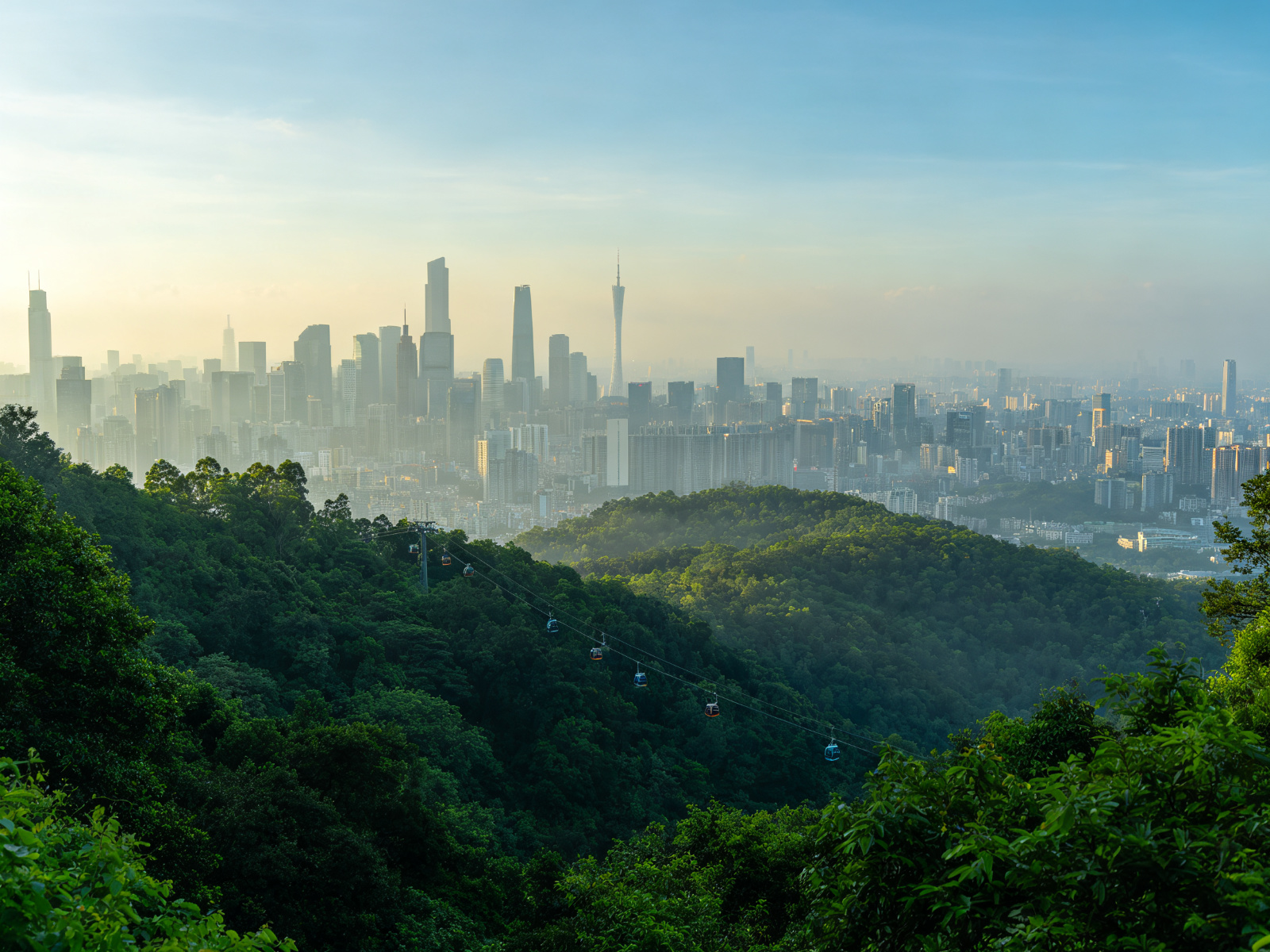
  • Canton Tower
  • Shamian Island
  • Chen Clan Academy
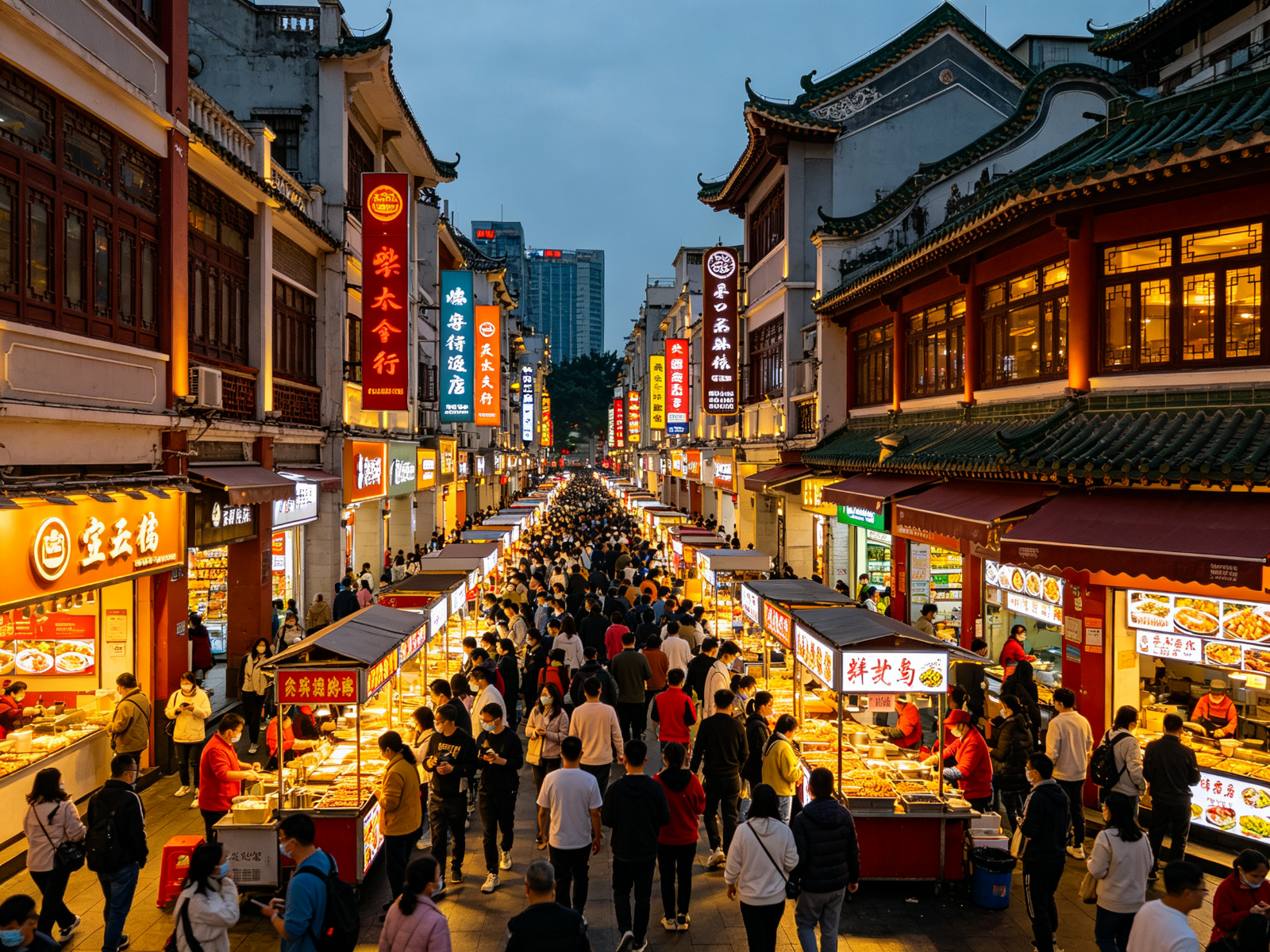
  • Shangxiajiu Pedestrian Street
Getting Around
Metro (16 lines) covers all attractions. Didi is cheap. High-speed rail to Hong Kong (47min), Shenzhen (30min), Zhuhai/Macau (1h).
1

Why make a special trip

Dim sum is the city's operating system

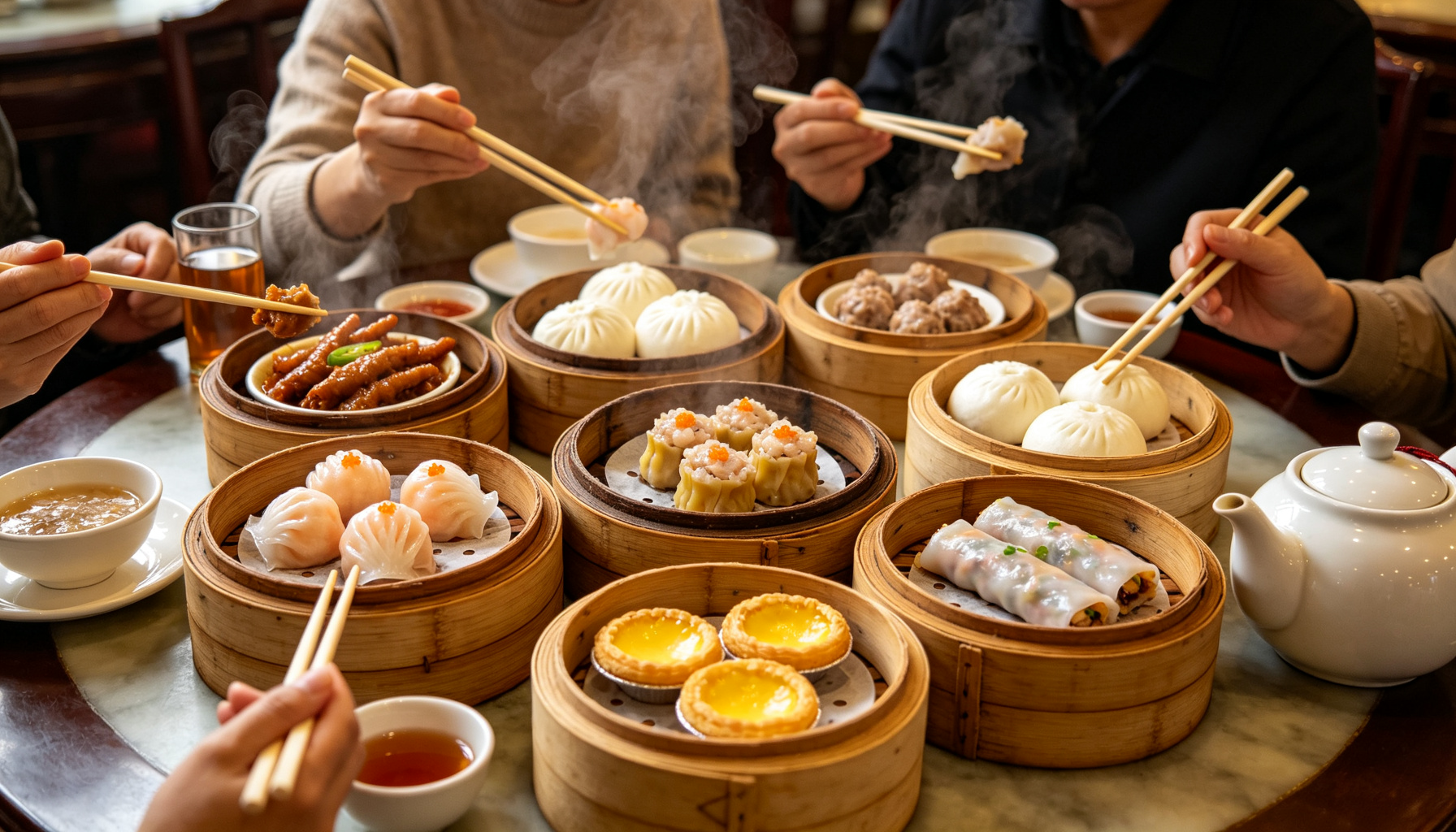
Guangzhou does not treat breakfast as fuel—morning tea is a multi-hour ritual of carts, steamer baskets and gossip. Judgment: this is the one meal worth building a day around; action: be seated by 08:30 at a local teahouse, not at a chain near your hotel.

Trade archaeology layers on top of each other

The old west district stacks 300 years of trade: the Thirteen Hongs riverfront, Shamian's treaty-port facades, Shangxiajiu's arcade shophouses. Judgment: you read this city's economic DNA on foot, not in a museum; action: walk Chen Clan Academy → Shangxiajiu → Shamian in one morning.

The Greater Bay Area's cheapest long-distance lounge

Guangzhou is the region's rail hub: high-speed trains reach Shenzhen in about half an hour and Hong Kong West Kowloon in under an hour. Judgment: base here for 2-3 nights and day-trip outward instead of hotel-hopping; action: book the HSR seat before you leave home—trains sell out on weekends.

2

Old west city trade-and-cuisine study walk

The city’s signature line — depth entry, not a checklist.

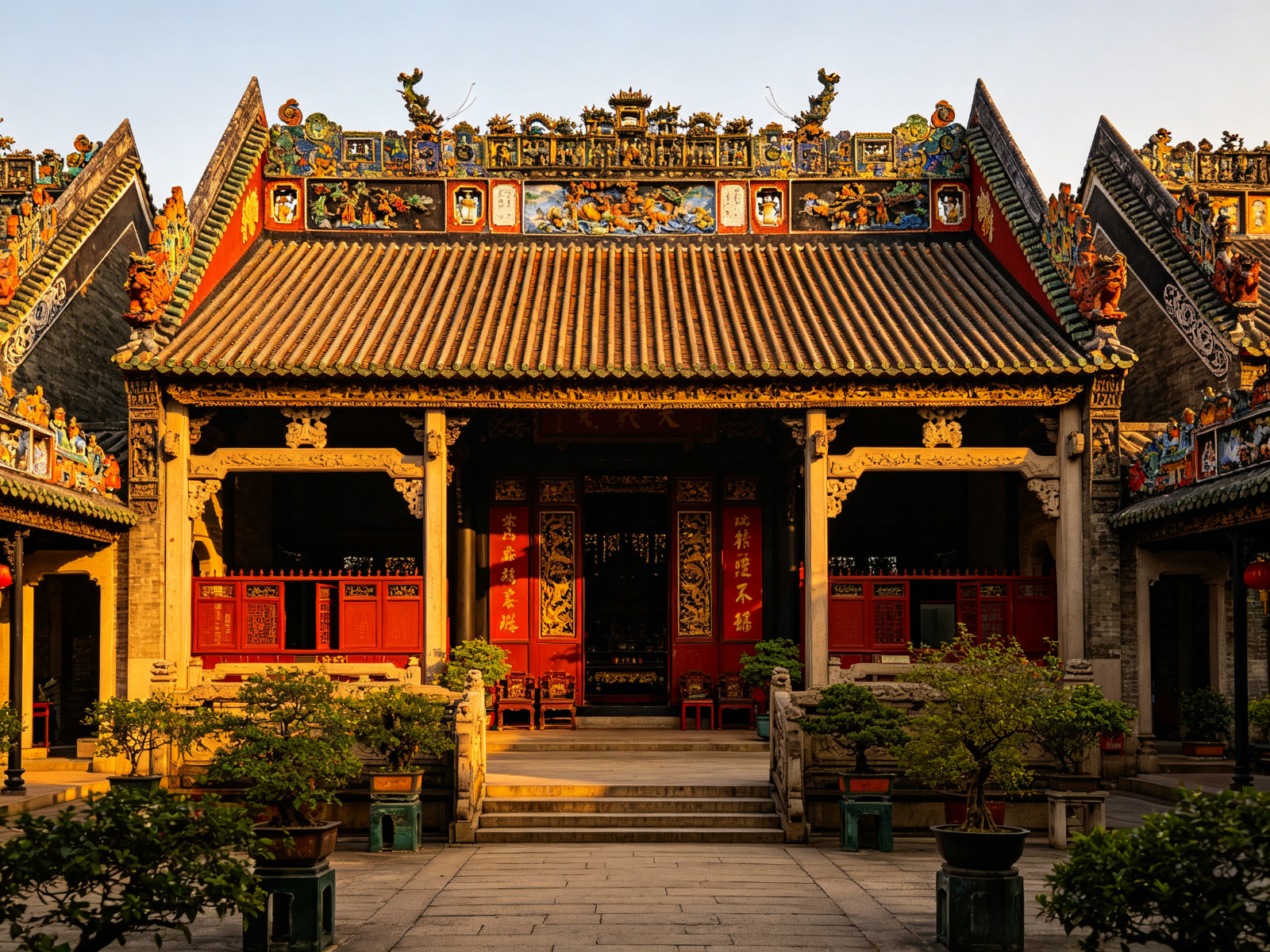
The signature line reads Lingnan merchant culture in one morning: Chen Clan Academy's carved roofs show the architectural wealth of Qing-era clan associations, Shangxiajiu's qilou arcades are the street-format that grew out of treaty-port commerce, and Shamian's tree-lined European facades are where foreign trade was physically walled off from the old city. End the study with dim sum—these merchants ate, and the meal survives them.

3

Experiences in this city

Add to trip to compare and prepare; check partner links for slots and price when shown.

4

Sights & culture

Beyond ticket notes — read the city’s character first.

The Thirteen Hongs—China's old trade window

From the mid-Qing, Guangzhou was the only port allowed foreign trade—the Canton System. The Thirteen Hongs riverfront (near today's Xiguan/Shangxiajiu) was where silver, tea and silk changed hands. Observation: stand near the former Hongs site and read the old city as a customs post, not a resort town.

Shamian as a walled treaty-port district

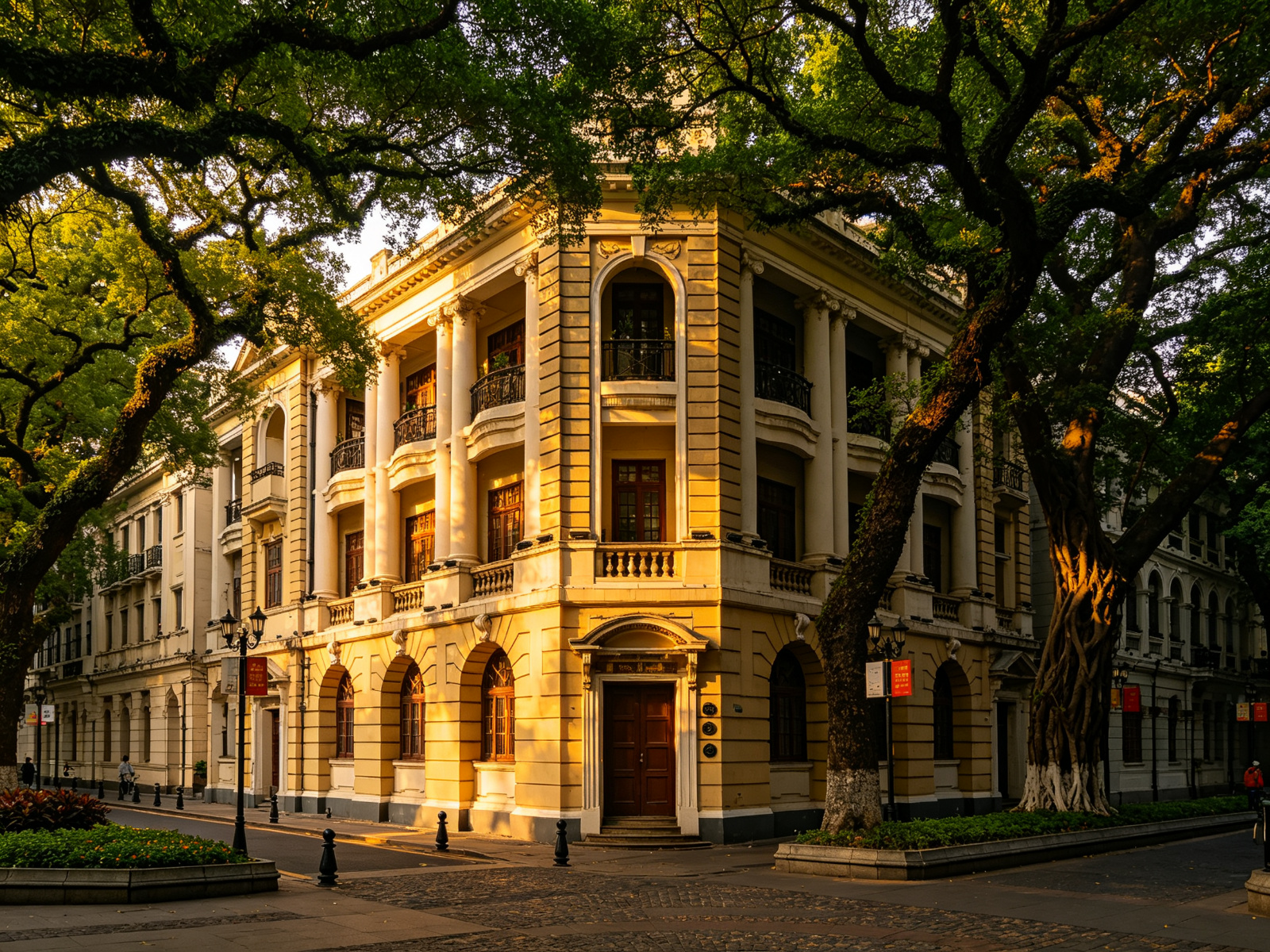
After the Opium Wars, the sandbar island was leased and rebuilt as a foreign enclave: consulates, banks, churches, banyan-lined roads. Judgment: it is architecture of segregation, now a public park; action: notice how the island's scale stays pedestrian-only, 150 years on.

Qilou arcade streets—commerce with a roof

The qilou (arcade) shophouse is Lingnan's answer to a rainy, subtropical climate: shopfront under a continuous covered walkway so trade can run in monsoon season. Walk Shangxiajiu or Enning Road to see the typology working, not staged.

Morning tea—一盅两件 as social software

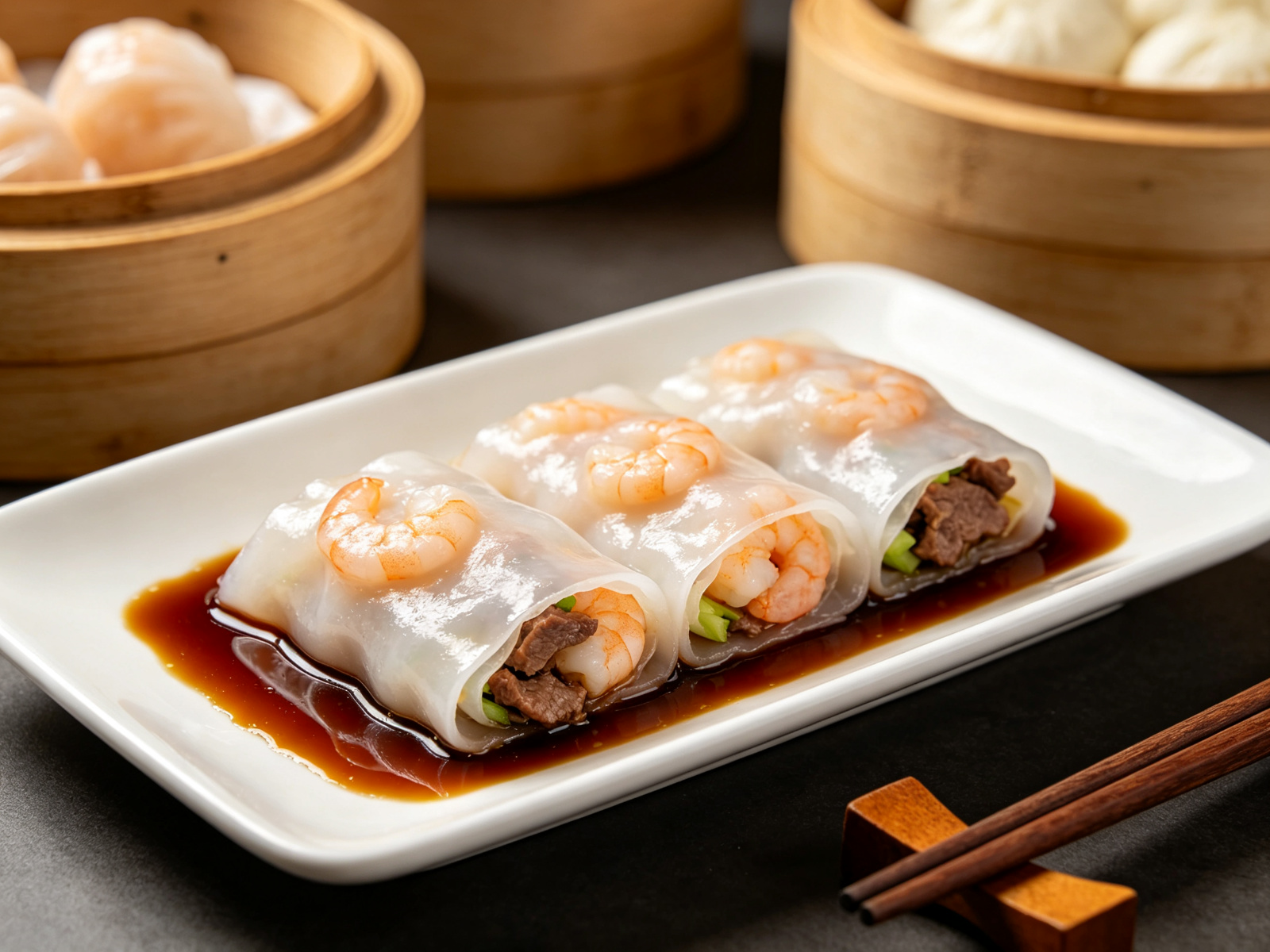
'One pot, two pieces' describes tea with a couple of steamed baskets: retired groups here for three hours, business tables negotiating over har gow. Judgment: dim sum is where Guangzhou does its social and commercial business; action: order like a local—har gow, siu mai, cheong fun, a char siu bao.

Five Rams—how the city tells its origin

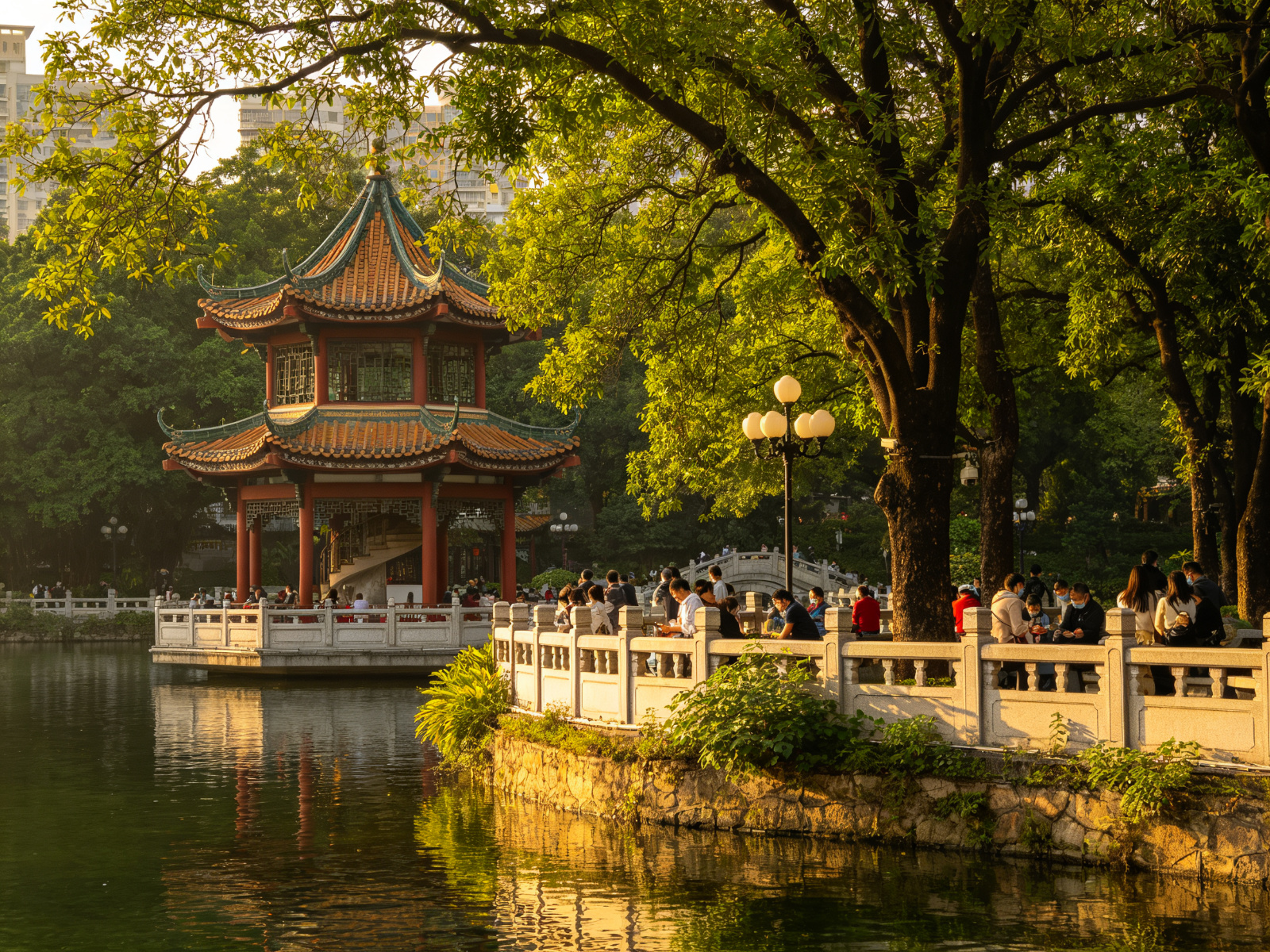
Guangzhou's nickname 'City of Rams' comes from a legend of five immortals riding rams with rice ears, blessing the local granaries. The Five Rams Statue in Yuexiu Park is the founding-myth photo stop; Zhenhai Tower beside it is the Ming wall where you can still see old city-wall remnants.

5

1–3 day routes

Executable skeletons: day-by-day anchors you can trim to fit.

1-day

1-day old west city: clan hall → arcade street → colonial island

  1. 08:00: dim sum breakfast at a neighborhood teahouse near old Liwan
  2. 10:00: Chen Clan Academy—study the roof and ridge carvings (1.5h)
  3. 12:00: Shangxiajiu pedestrian street—lunch street food: double-skin milk, beef balls
  4. 14:30: Shamian Island—slow walk the banyan avenues and former concession buildings
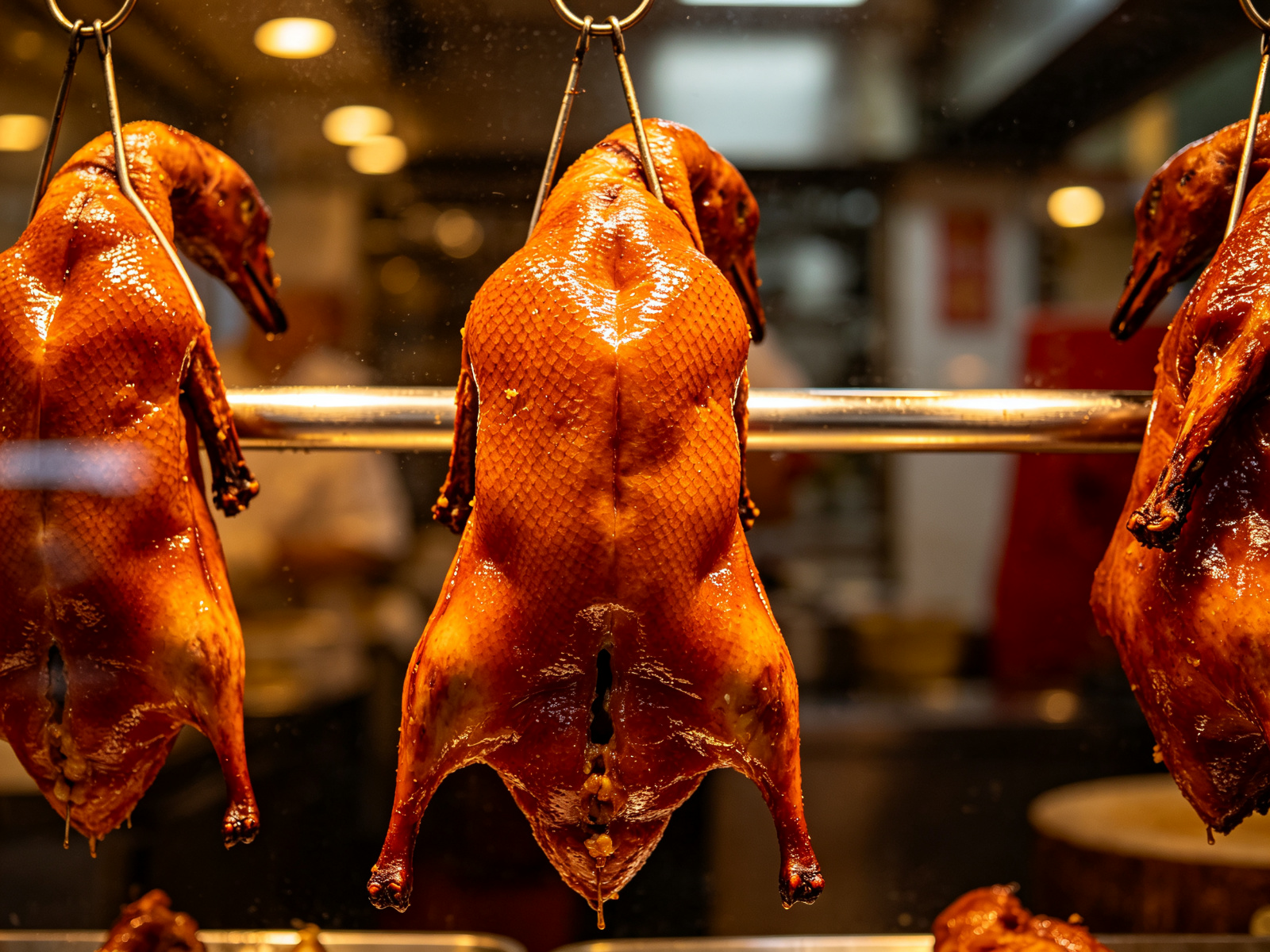
  5. 19:30: Pearl River evening cruise from a official pier (Tianzi/Canton Tower) or roast goose dinner

For transits with one free day; assumes a weekday—Chen Clan Academy is closed Tuesdays.

6

Food & what to buy

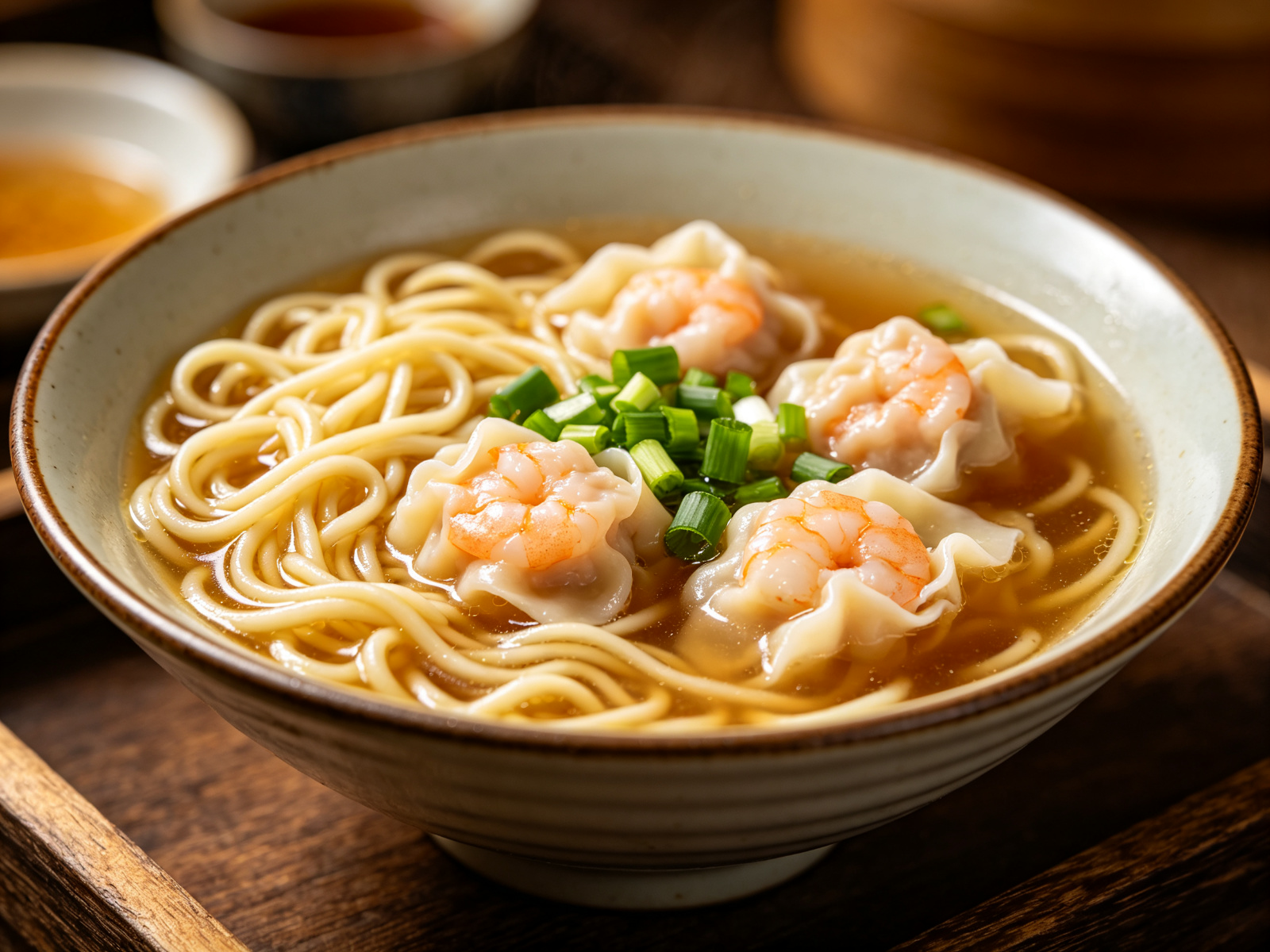
Eat Guangzhou by lane, not by brand: dim sum at teahouses where the round-tables are locals; roast goose at a po-lap (roast meat shop) window where the goose hangs all afternoon; cheong fun and wonton noodles at breakfast counters the neighborhood uses. Skip the airport gift boxes—real souvenirs are vacuum-sealed roast meats, cured sausages and packed soup ingredients, bought from the shops themselves, not from museum-side 'heritage' counters.

  • Vacuum-packed roast goose / cured sausages—buy them at the roast meat shop itself (ask for a restaurant-sealed pack); the same items at airport shelves are marked up.
  • Soup ingredients (煲汤料): dried tangerine peel, lotus seeds, lotus root powder—best weighed at Qingping market stalls; smell and ask before buying dried herbs.
  • Dim sum souvenirs: chicken-biscuit (鸡仔饼) and wife-cake (老婆饼) from legacy bakeries; eat them within a week—fresh means flaky, not 'gift-boxed'.
  • Herbal tea (凉茶): try it on site at a street counter; bottled versions are sweeter and miss the point. Ask for mild versions if you don't like bitter.
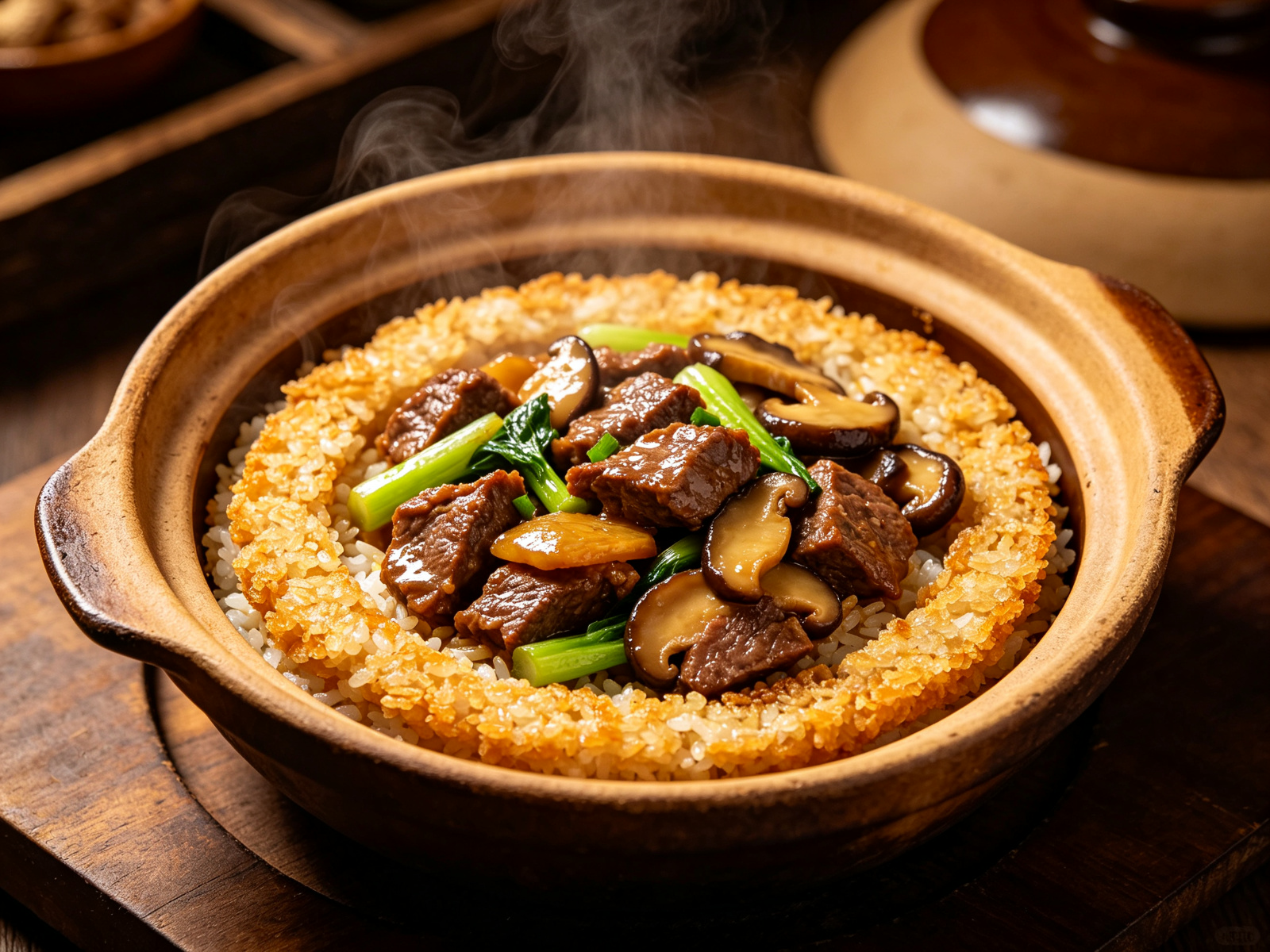
  • Claypot rice and street cheong fun are eat-on-site only—no souvenir version exists; don't pay for a packed 'Guangzhou flavor' bag.
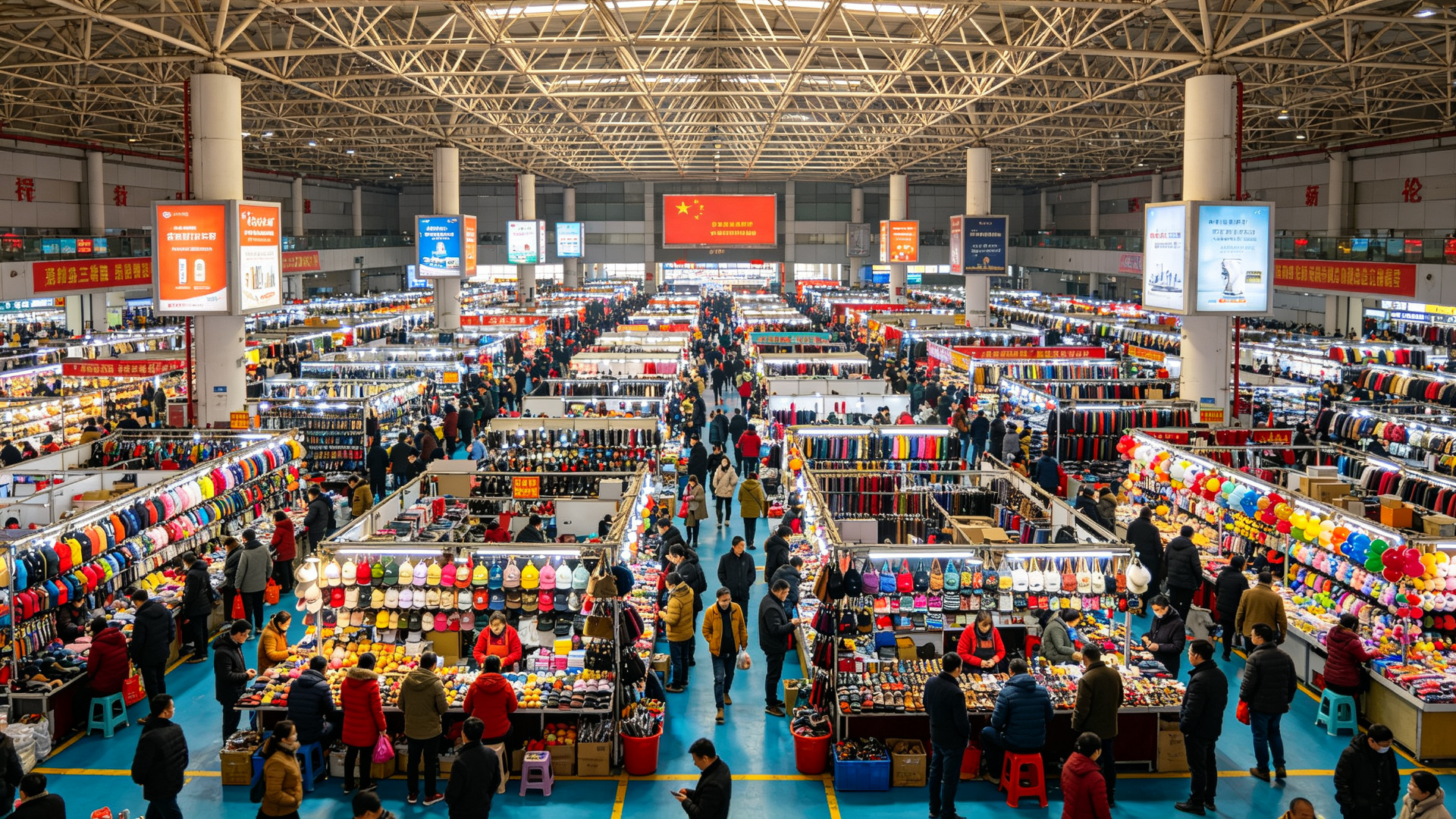
  • On Shangxiajiu clothes shopping, bargain is expected but watch for marked-price stalls; avoid 'jade' and 'silk' pitches near Shamian's photo spots.
7

Getting there & tips

Best time: October–December, March–April · Subtropical — hot humid summers, mild winters

Metro (16 lines) covers all attractions. Didi is cheap. High-speed rail to Hong Kong (47min), Shenzhen (30min), Zhuhai/Macau (1h).

Guangzhou visitor handbook

Payments

Foreign-card Alipay/WeChat Tour Cards work in metro chains and malls; keep ¥200-300 cash for old-Liwan roast meat counters, breakfast stalls and temple incense. Many small teahouses still put a paper bill on the table—scanned by staff, not by you.

Crowds & timing

During Canton Fair phases (mid-October to early November), Pazhou hotels price up and Line 8 crowds with badge-wearing buyers—book early. Dim sum queues peak 09:30-11:00 on weekends; metro Line 3 crush hour is 08:00-09:30. Baiyun Mountain is best on a clear weekday morning.

Etiquette

When pouring tea, tapping two fingers on the table is the local 'thank you'. At the table, shared dishes go on the lazy Susan—help yourself from the side nearest you. Keep voices down in museums; Chen Clan Academy's wood carvings must not be touched.

Scam & tout avoidance

Pearl River cruises: board only at official piers (Tianzi, Canton Tower, Haixinsha) and buy at the ticket window; riverside touts sell overpriced short loops. Ignore 'art school tea' and 'free tea tasting' pitches near old streets.

Documents & practical

Carry your passport for tower entry, museum tickets and hotels. If you cross to Hong Kong/Macao by HSR, you need a valid visa/endorsement in advance—border checks are at the station, not improvised. Carry an umbrella April-September: afternoon downpours are routine.

Connectivity & weather

Get a local SIM or portable Wi-Fi at the airport; major social and search apps need workarounds. June-September is typhoon season—watch weather alerts before mountain days; the Baiyun cable car suspends in high wind.

Getting around

Metro (16 lines) covers all attractions.

Navigation

Didi is cheap.

Pay

Metro, stalls, and rides mostly take Alipay or WeChat. Set up Alipay with a foreign card before you land.

Show this

Show the Chinese name “广州” to drivers and staff. It beats a long English explanation.

MetroMetro (16 lines) covers all attractions. Didi is cheap. High-speed rail to Hong Kong (47min), Shenzhen (30min), Zhuhai/Macau (1h).
BusCity buses serve the area, but routes change. Use Amap/Baidu for the live stop and last bus near Guangzhou.
Taxi / DidiDidi or a licensed taxi is the simplest door-to-door. Set destination to “广州” and pay in-app with Alipay/WeChat.

Guangzhou hotels, transfers & popular bookings

Book tickets, transfers, and popular tours via partners first — then request deeper local experiences through ChinaPie.

Disclosure: Some links are affiliate links. ChinaPie may earn a commission on eligible bookings at no extra cost to you.

Prices shown are planning references only. Actual rates fluctuate with season, holidays, demand, and partner promotions — the price at checkout on the booking site is authoritative.

8

Guangzhou as a working trade city—field observation notes

Authority field notes: case breakdown · East/West contrast · replicability — hidden on leisure-only cities.

Guangzhou is a live trade engine, not a heritage set: the Canton Fair still convenes the world's buyers at Pazhou, specialty wholesale market layouts around the city support low MOQ category hunts, Zhujiang New Town is a working CBD, and the city is one of China's earliest cross-border e-commerce pilot zones. Fair halls need badges; street-level category markets often allow no agent required first walks.

  • Pazhou during a Canton Fair phase—watch badge-wearing buyers stream out of Line 8/Tram; the exhibition city turns into a business district twice a year.
  • Zhujiang New Town at 09:00 commuter hour—the CTF/IFC towers are workplaces; observe pedestrian density on Huacheng Square, not just the skyline.
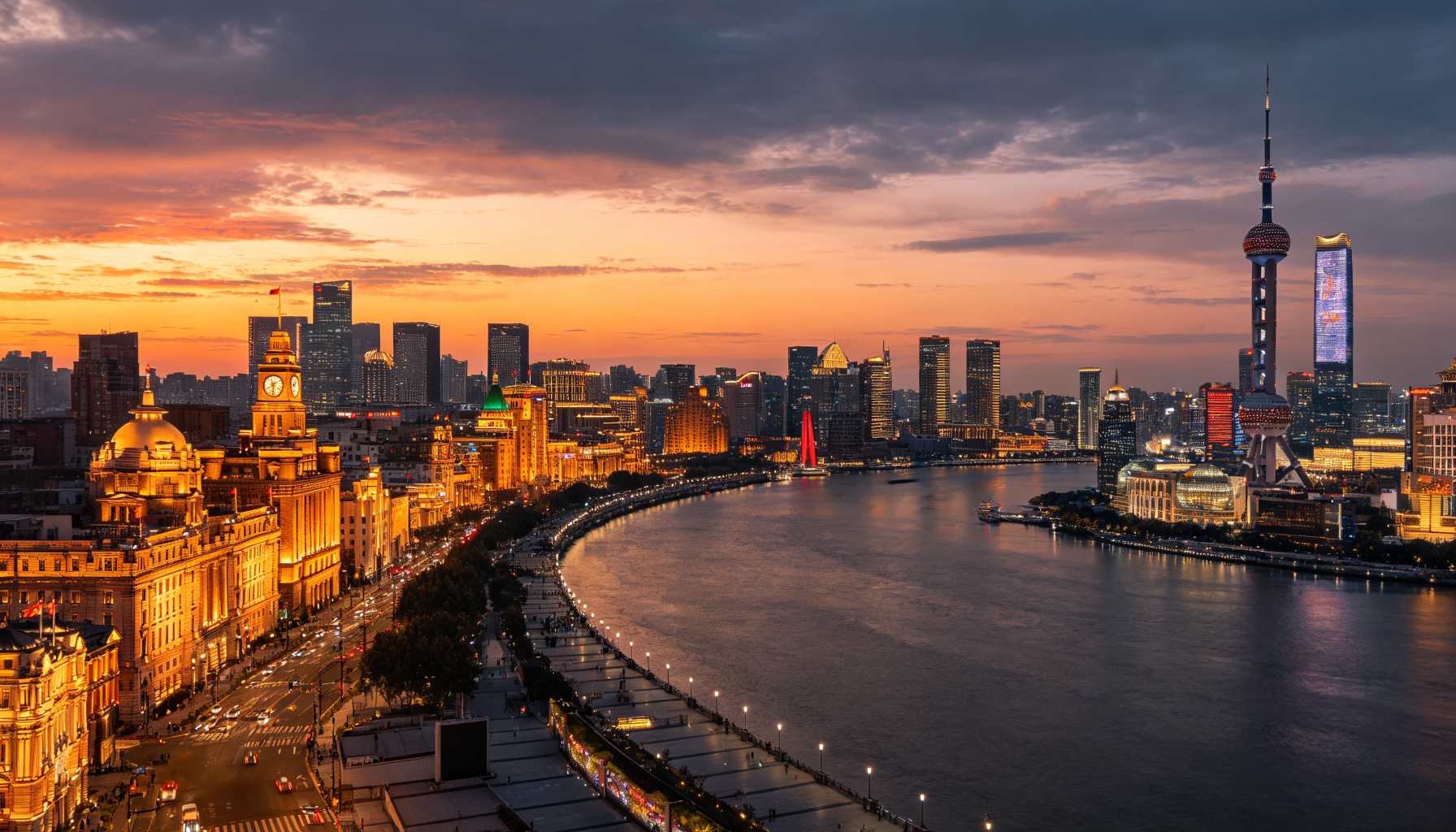
  • Old Xiguan vs Pazhou—300 years of the same export business, one on the riverfront lanes, one on reclaimed Pazhou island.
  • Cross-border e-commerce footprint—Guangzhou was among the first national pilot zones (2015); warehouse and logistics clusters are visible around the airport and Nansha, observed from public roads.

Case 1: Thirteen Hongs to Canton Fair—300 years of export geometry

Old Xiguan (Shangxiajiu/Shamian) was the riverfront where the Canton System routed all China's foreign trade; today's Canton Fair on Pazhou is the modern heir. Walk the old lanes, then ride Line 8 east to Pazhou—the geography of export never left the Pearl.

Case 2: Zhujiang New Town—new-axis finance & trade CBD

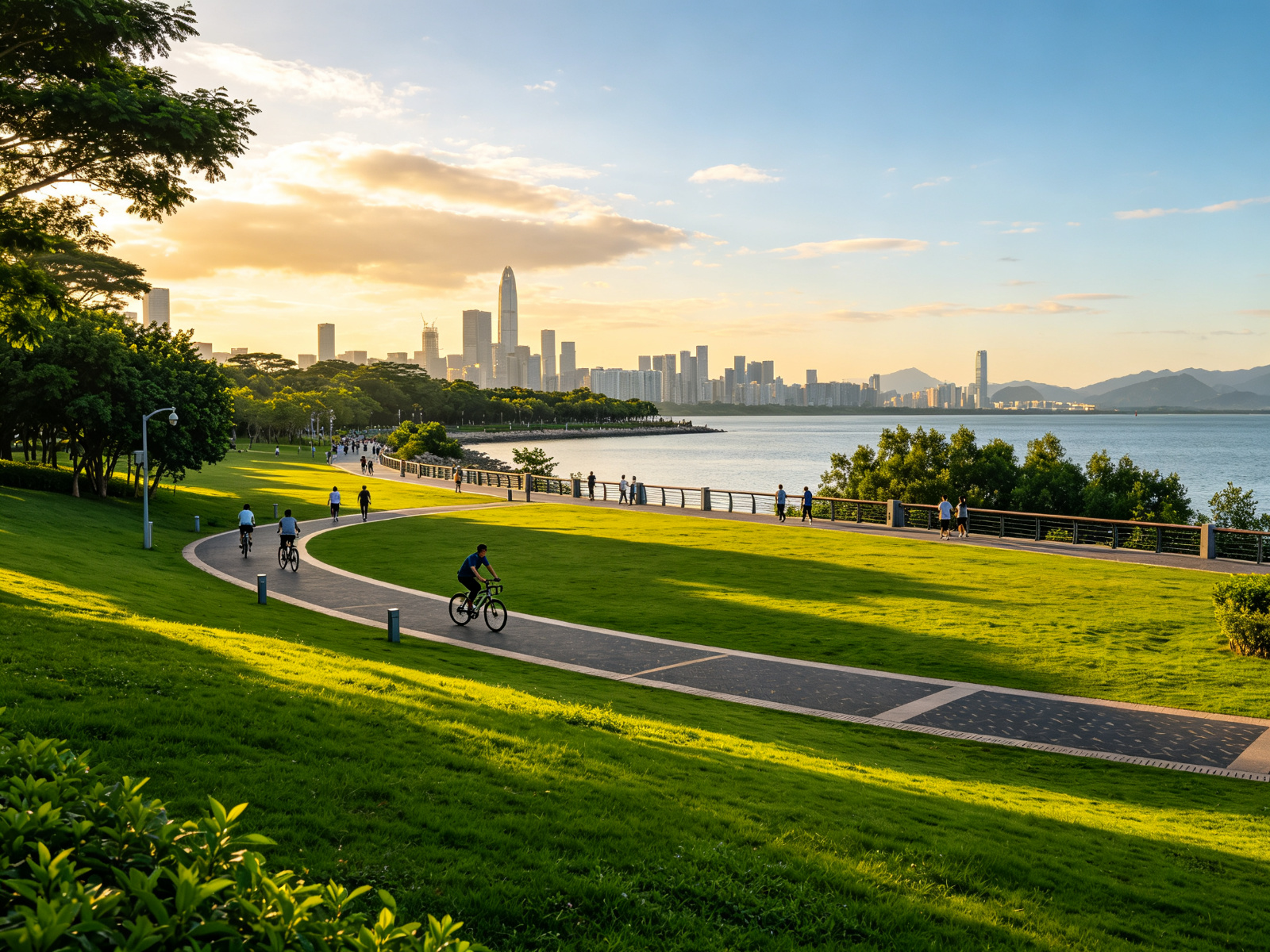
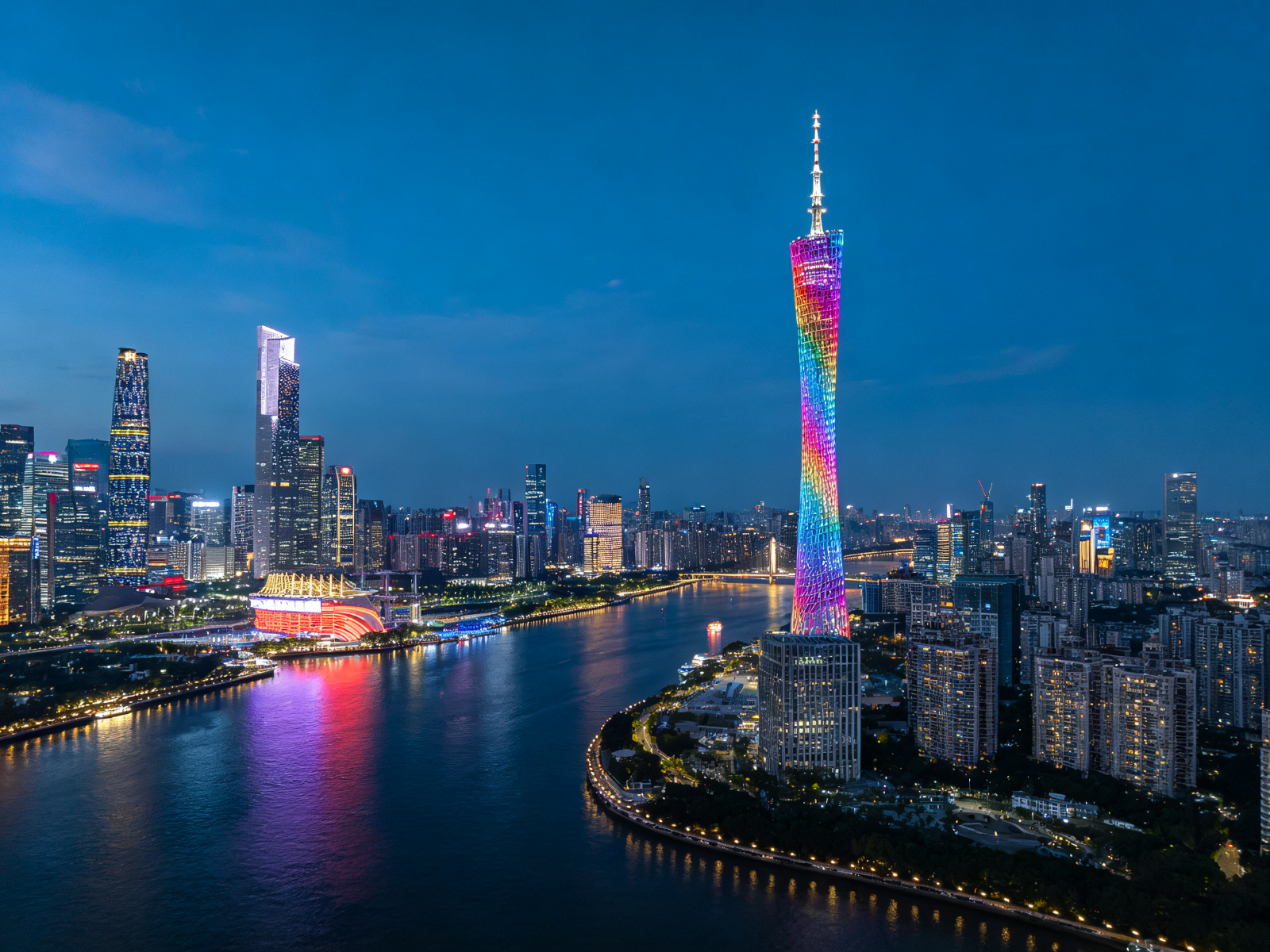
Huacheng Square frames the CTF Finance Centre and IFC—trading, logistics and trade-services offices. Judgment: read the density of lunchtime queues at food courts; action: compare morning commuter flows here with the emptied weekend square to feel when the city actually works.

Case 3: Cross-border e-commerce pilot—airport to Nansha corridor

Guangzhou was one of China's first batch of cross-border e-commerce comprehensive pilot zones (2015). The freight corridor between Baiyun Airport and Nansha port is visible as logistics parks and freight yards from public roads—observe trucks and warehouse signage, not confidential operations.

Case 4: Canton Fair as observable trade theater

The fair runs three October-November phases covering manufacturing, home goods and consumer products. Even without a buyer badge, the Pazhou metro, nearby hotels and restaurant streets let you watch global wholesale in motion—check official phase dates before planning a trip around it.

For buyers & business
9

Guangzhou FAQ & next step

Conversion stays soft — clear next steps: plan this city, or request planning help.

Is Guangzhou safe for tourists?

Yes for typical tourist areas. Keep phones and bags secure on metro and in crowded night spots; use licensed taxis or Didi.

Do I need a visa to visit Guangzhou?

Depends on your passport. Check ChinaPie Plan & Prep → Visa for 30-day visa-free and 240-hour transit options before booking.

Can I use Alipay in Guangzhou?

Yes—foreigners can set up Alipay with passport + international card. See /prep/alipay-setup for the step-by-step guide.

What time is dim sum served?

Traditional dim sum starts at 6:30–7:00am. Most restaurants serve until 2:00–3:00pm. The best selection is before 10am. Weekends are busy—go early or reserve.

Is Guangzhou a good base for Hong Kong/Macau?

Yes. High-speed train to Hong Kong West Kowloon takes 47 min (¥215+). Macau is 1 hour by train to Zhuhai + 10 min walk across the border. Great for multi-destination trips.

Which countries are visa-free for China in 2026?

China offers unilateral visa-free entry to 40+ countries including France, Germany, UK, Japan, South Korea, Singapore, Malaysia, Thailand, Italy, Spain, Netherlands, Switzerland, Sweden, Norway, Denmark, Finland, Belgium, Austria, Ireland, Portugal, Greece, and more. Stay: up to 30 days. IMPORTANT: US passport holders are NOT on the unilateral visa-free list and need a visa. Check latest list at China Immigration official site before travel.

Do US citizens need a visa for China?

Yes. US passport holders need a visa to enter mainland China. The 10-year multiple-entry tourist visa (L visa) is common: $185 fee, processing 3-5 business days. You can also use the 240-hour transit visa-free if transiting to a third country. Apply at Chinese embassy/consulate or via authorized visa agencies. Many travel blogs incorrectly say US is visa-free — this is false.

Can I use my foreign credit card in China?

Major hotels, international restaurants, and large malls accept Visa/Mastercard. But most small shops, street food, taxis, and local experiences only accept Alipay or WeChat Pay. Link your foreign card to Alipay (Tour Card) for daily use. Carry some cash (¥500-1000) as backup.

How many days do I need in Guangzhou?

Most first-timers do well with 1–3 days. Start with the 1-day old west city: clan hall → arcade street → colonial island, then expand to 2–3 days if you want slower food and culture. Use Plan this city to turn stops into a workable week.

Can I pay with a foreign card in Guangzhou?

Foreign cards work more often via Alipay / WeChat Pay tourist modes and some metro apps, but coverage still varies by merchant. Keep a small cash float and set payment apps up before peak sightseeing. See the practical section on this hub for city-specific notes.

Plan this city
GuangzhouCity hub
Plan