Yiwu

Yiwu · 义乌

Yiwu Travel Guide

Yiwu is a county-level city that turned door-to-door feather-for-candy peddling into the planet's largest small-commodities market—read it as a working supply chain you can walk through, not as a shopping mall with a past.

Procurement-style shoppers sourcing at wholesale pricesTrade & cross-border e-commerce observersYangtze River Delta transit visitors (Hangzhou / Shanghai day base)Night-market and street-food explorers
Sourcing & trade hubsModern cities
Plan this city

City at a Glance

Suggested Stay
1–3 days
Travel Style
  • Sourcing & trade hubs
  • Modern cities
Highlights
  • Yiwu International Trade City
  • Yiwu Museum
  • Fotang Ancient Town
  • Yiwu Wetland Park
Getting Around
Didi is essential (market is huge). Buses connect districts. High-speed rail to Hangzhou (30min), Shanghai (2h). Yiwu has its own airport.
1

Why make a special trip

The market itself is the destination

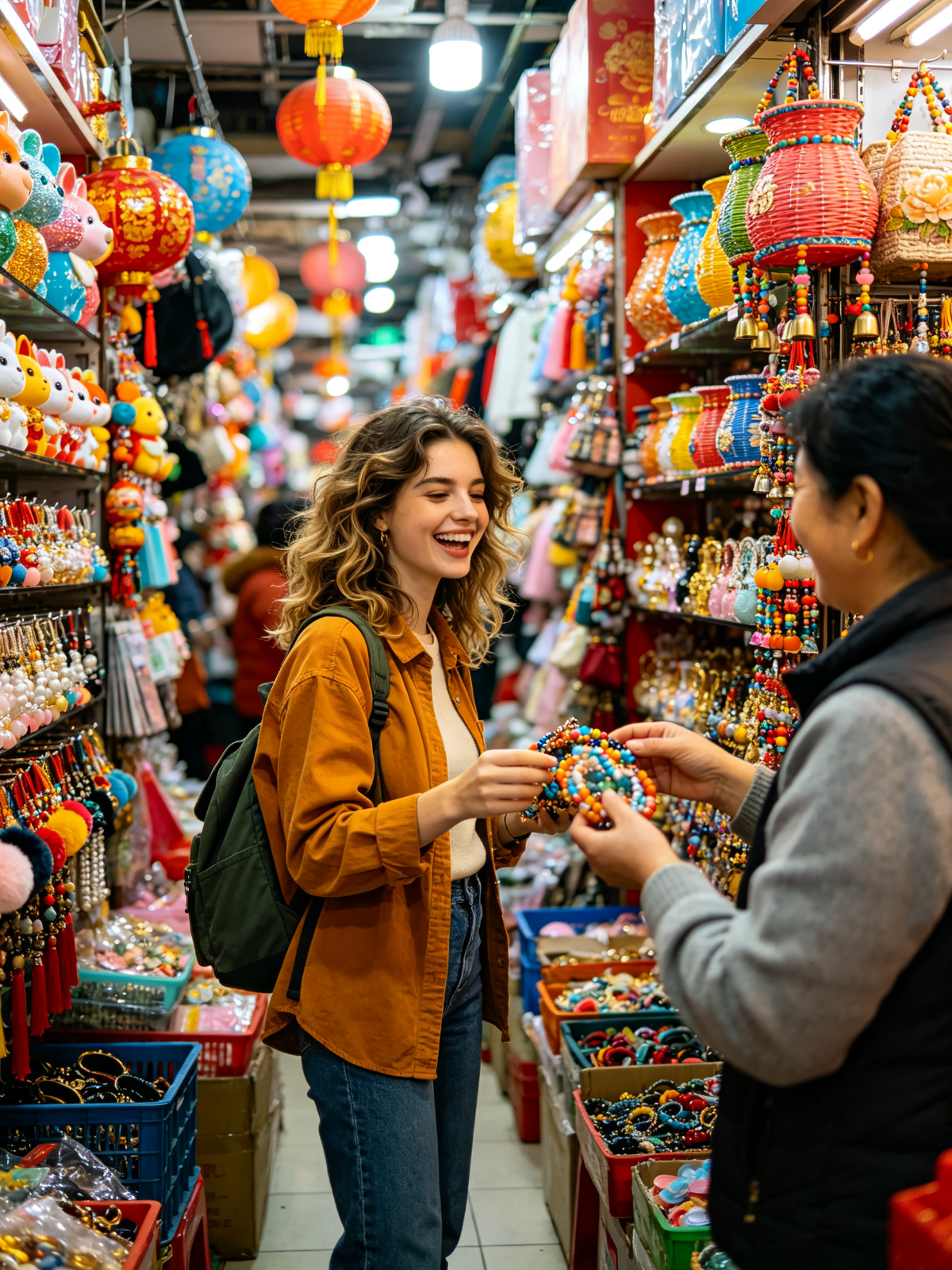
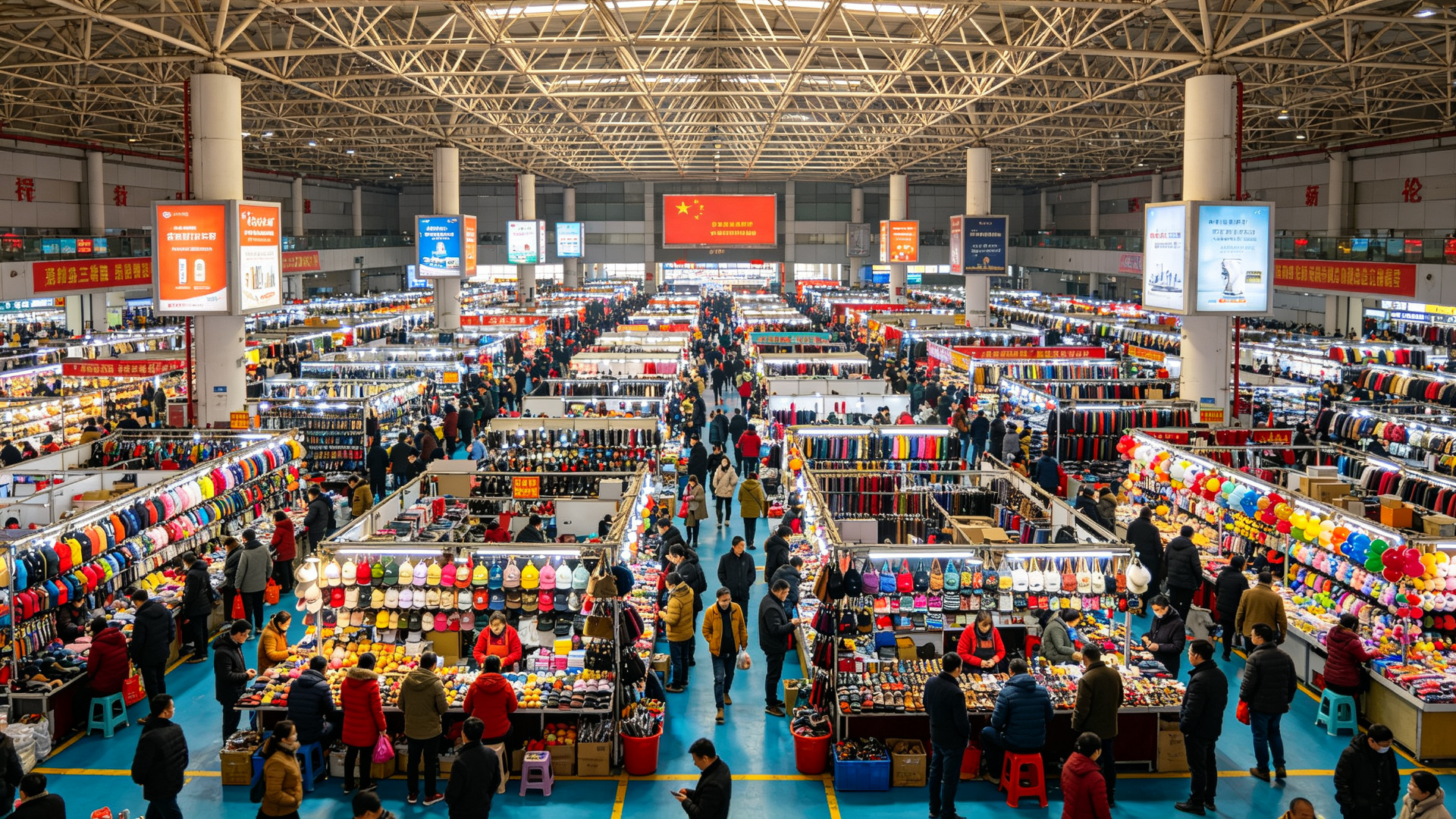
Yiwu International Trade City runs five districts with tens of thousands of booths from jewelry to Christmas decor, and you can walk in without a Chinese agent. Judgment: you are not sightseeing—you are watching the world's supply chain on foot; action: arrive with a one-page category list and start in District 1.

Trade archaeology on one map

Yiwu layers 40 years of trade in public space: the museum's feather-for-candy history, Fotang's old Qing-era commercial wharf, and today's market-procurement (1039) customs regime invented here. Judgment: the city's economic DNA is walkable; action: spend one half day at Fotang Ancient Town between market sessions.

The delta's cheapest between-Hangzhou-and-Shanghai base

High-speed trains run to Hangzhou East roughly every half hour (about 30-45 min), and Yiwu Airport keeps domestic routes including Hong Kong. Judgment: stay 2-3 nights and day-trip out instead of hotel-hopping between Hangzhou and Shanghai; action: book the HSR seat before arrival—peak trains sell out.

2

Feather-for-candy to world supermarket—trade study line

The city’s signature line — depth entry, not a checklist.

The signature line reads Yiwu's trade story in one day: the Museum explains the old peddler economy and how a county town became 'the world's supermarket'; the International Trade City is that story scaled into five walkable districts; Binwang Night Market is the same commercial instinct after dark—small lots, street food, a dozen languages. Study it in this order and the city's logic clicks.

3

Experiences in this city

Add to trip to compare and prepare; check partner links for slots and price when shown.

4

Sights & culture

Beyond ticket notes — read the city’s character first.

Feather-for-candy (鸡毛换糖)—the peddler origin

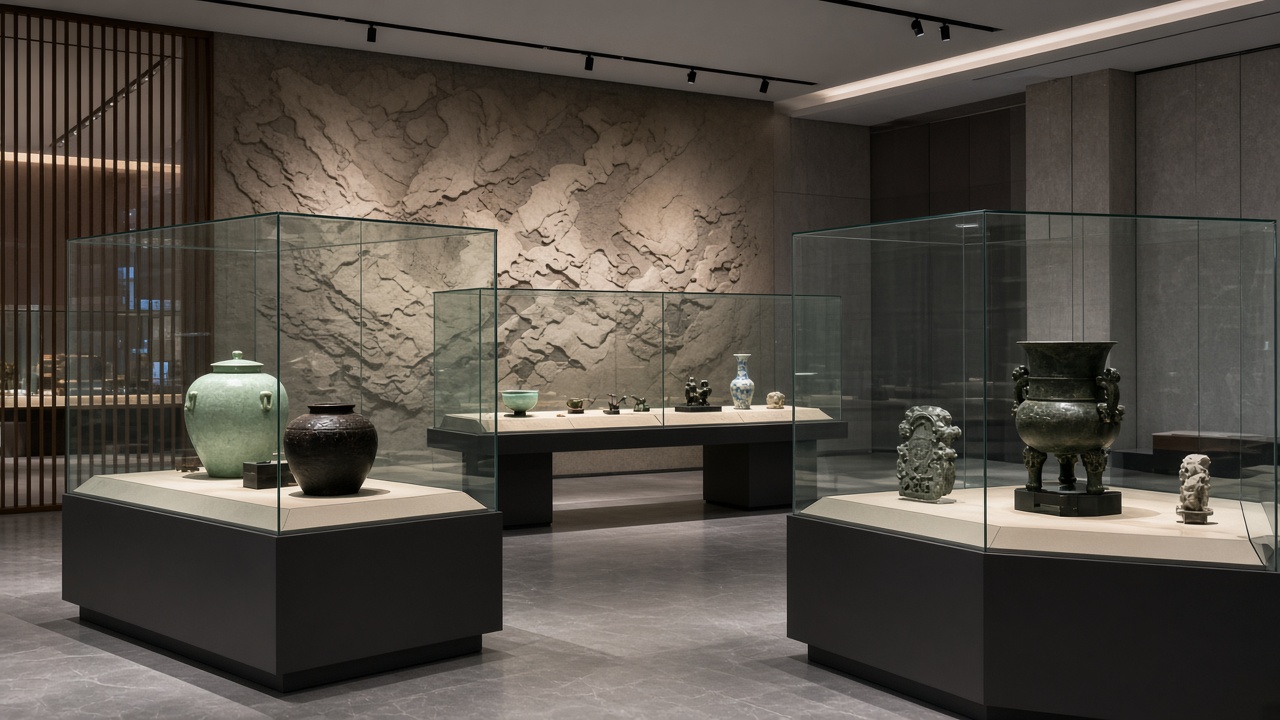
Yiwu's modern market grew from peddlers trading brown-sugar slabs for chicken feathers door to door—the feathers went to nearby dyer workshops. Judgment: this is not folk color, it is the original supply-chain thinking; action: see the exhibit in Yiwu Museum before you bargain at the booths.

Fotang—Qing-era commercial port on the river

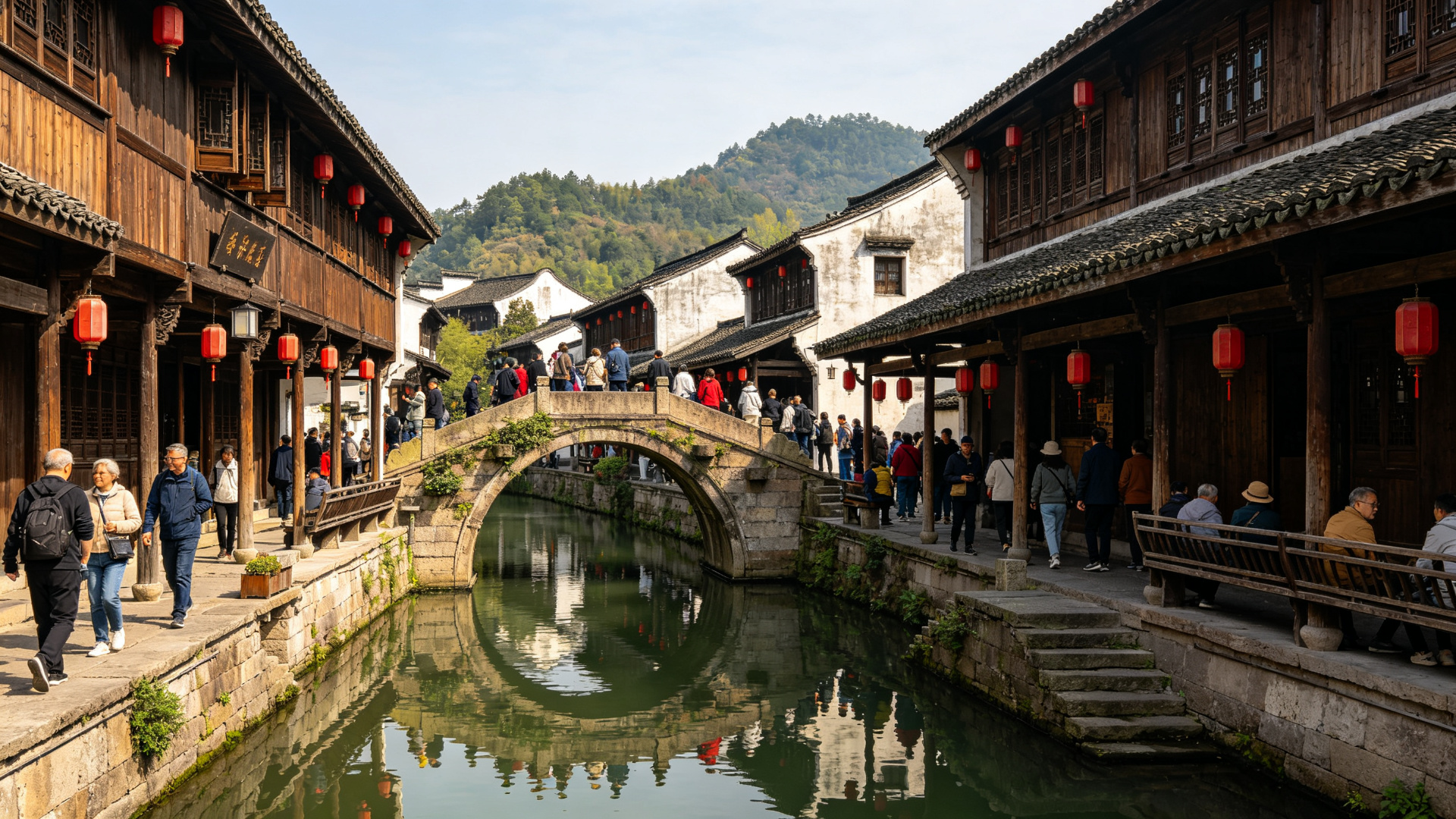
Fotang is counted among Zhejiang's four great ancient towns: river barge traffic on the Puyang River made it a trading hub before the wholesale market existed, and its old wharf street is now a provincial tourism leisure block. Judgment: today's market city has a pre-industrial trade layer; action: walk the old wharf stretch and read the riverbank as the loading dock of its time.

The 1039 regime—customs rules invented here

In 2011 Yiwu won national approval as China's first county-level international-trade reform pilot; out of it came the 'market procurement trade' mode (customs code 1039), since replicated across dozens of Chinese markets. Judgment: small-lot, no-invoice export is policy, not workaround; action: read the booth signs and logistics counters as an operating regulatory regime, not as chaotic trade.

Yiwu-Xinjiang-Europe train—land bridge out of a county town

The first Yiwu-Madrid China-Europe freight train left Yiwu West station in 2014, cutting roughly two months of sea transit to about three weeks of rail. Judgment: this market's goods leave by rail as well as sea; action: listen for freight-logistics booths near the market—they are where rail export is actually booked.

The foreign merchant district—trade diaspora on the sidewalk

Middle Eastern, African and South Asian buyers have clustered around Binwang and the trade city for years—their restaurants, currency-exchange counters and multilingual signage are visible on ordinary streets. Judgment: Yiwu is one of China's most globally mixed small cities; action: walk Binwang's evening streets and notice which languages the menus are printed in.

Brown sugar as regional heritage food

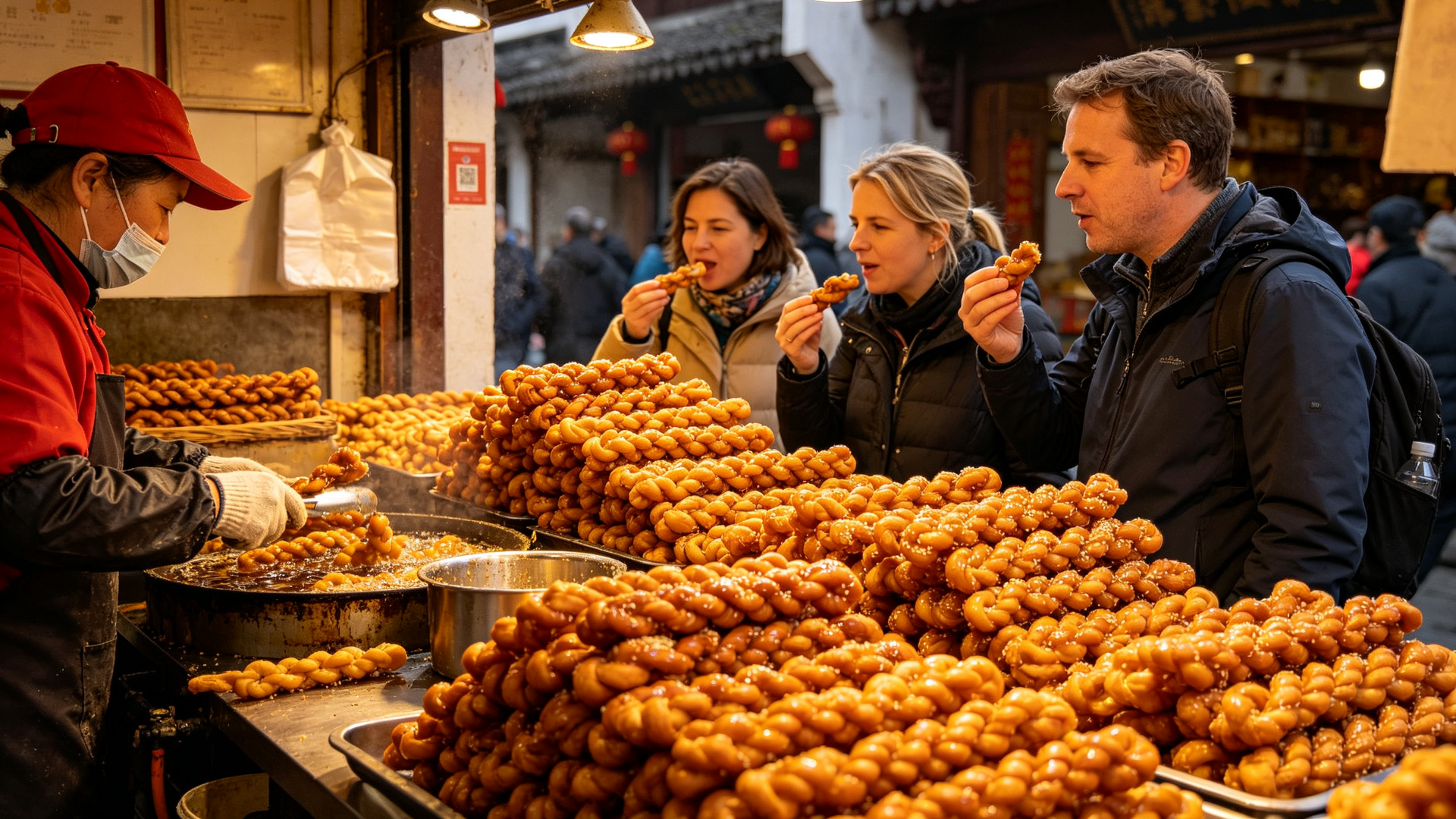
Yiwu brown sugar (红糖) is the region's signature processed food—sugar cakes, fried dough (麻花) and rice cakes sold from Fotang stalls in season. Judgment: it is edible local industrial heritage, not a generic tourist snack; action: buy freshly made sticks where steam is still rising, and check the production date.

5

1–3 day routes

Executable skeletons: day-by-day anchors you can trim to fit.

1-day

1-day procurement core: market districts by day, night market by night

  1. 08:30: arrive at International Trade City District 1 (jewelry / toys / artificial flowers) as booths open; pick up a district map at the service center
  2. 10:30: District 2 (hardware / electrical goods)—note booth numbers of promising suppliers
  3. 12:30: lunch at the market food court; check whether your categories cluster near Districts 3-4
  4. 14:00: District 3 (stationery) and District 4 (apparel/socks); District 5 (imported goods) if time remains
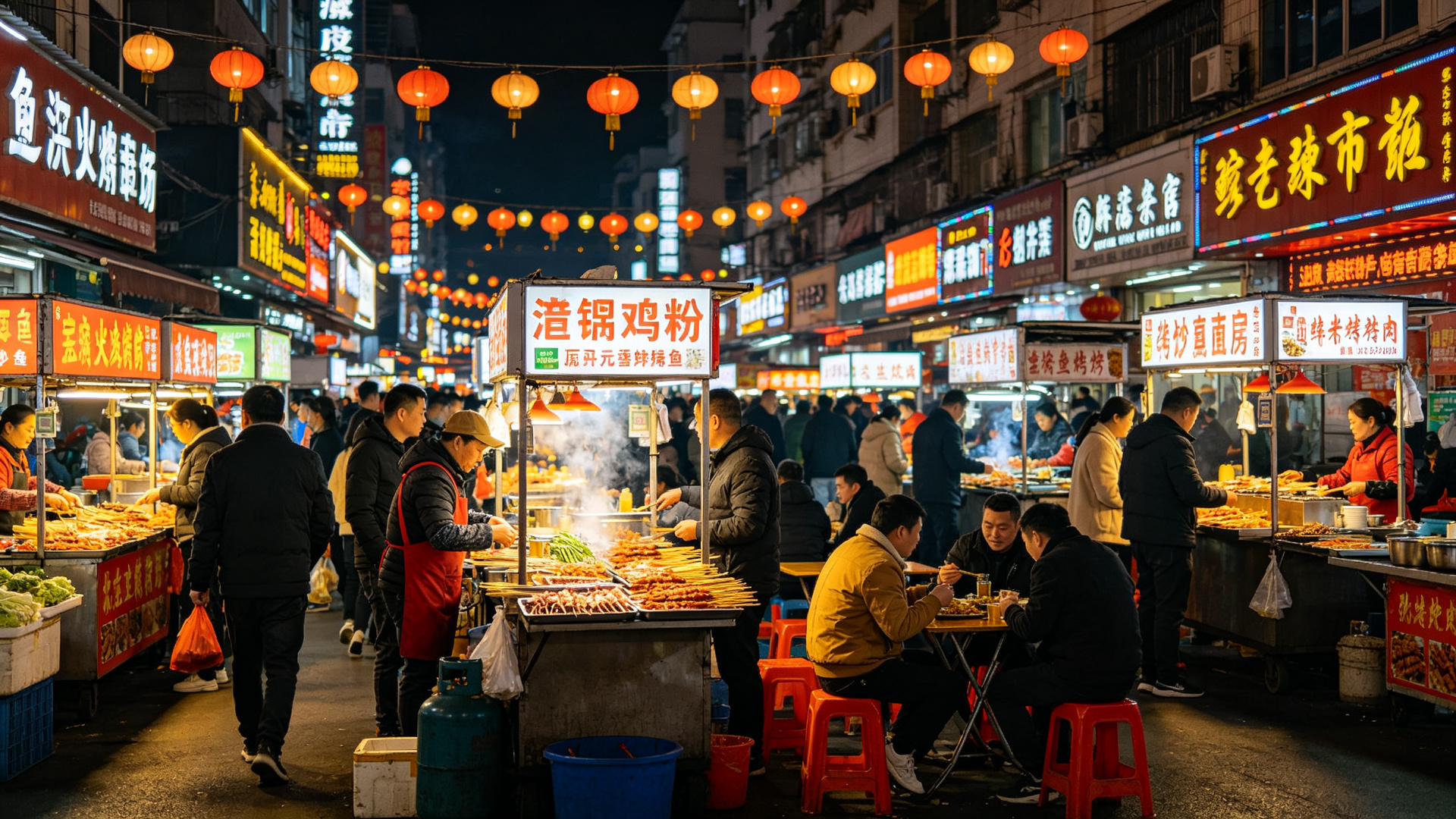
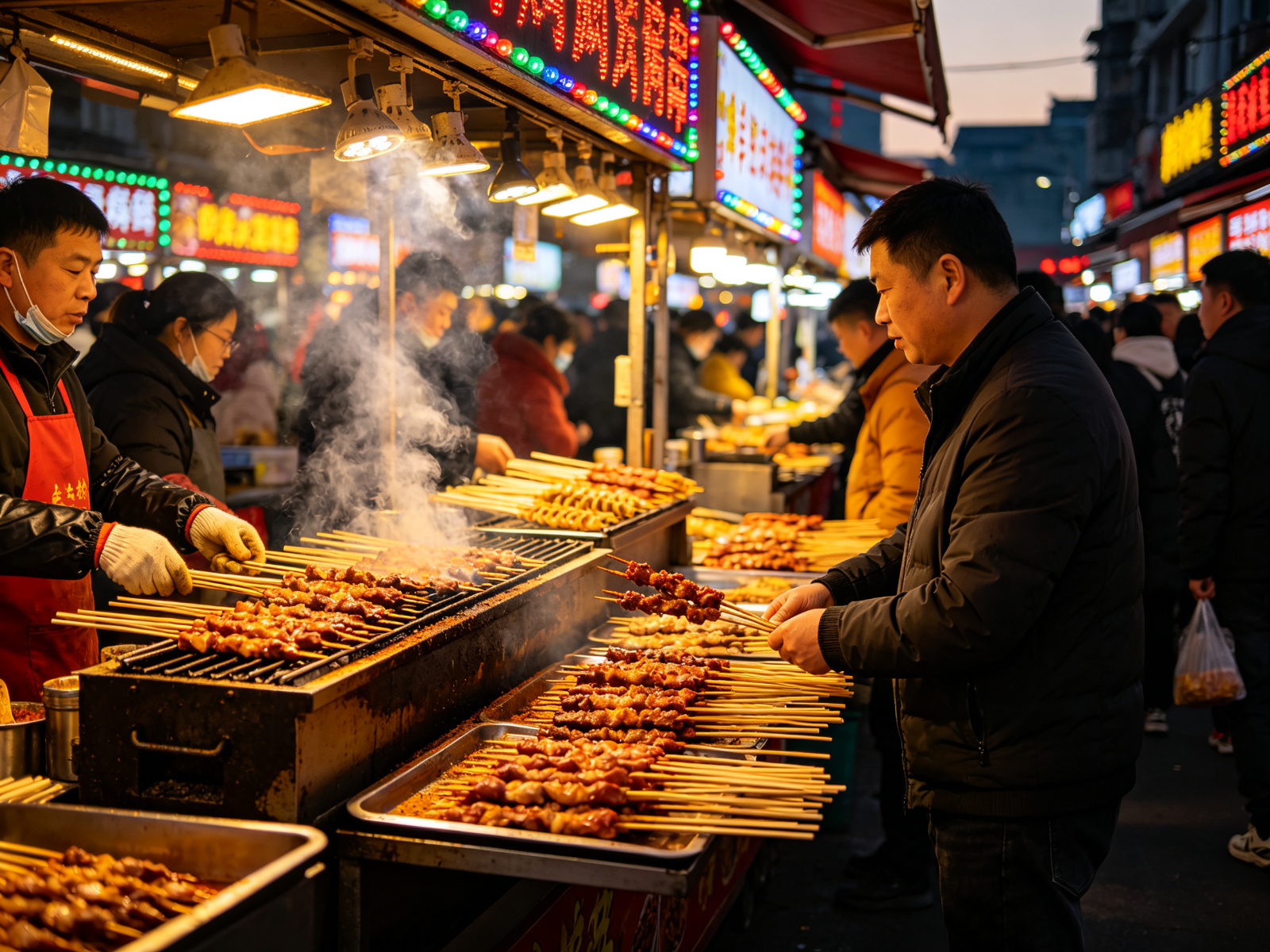
  5. 18:30: Binwang Night Market—skewers and small-quantity buys; compare with wholesale prices seen by day

For first-timers with one day in the city; assume a weekday—most booths rest on Sundays.

6

Food & what to buy

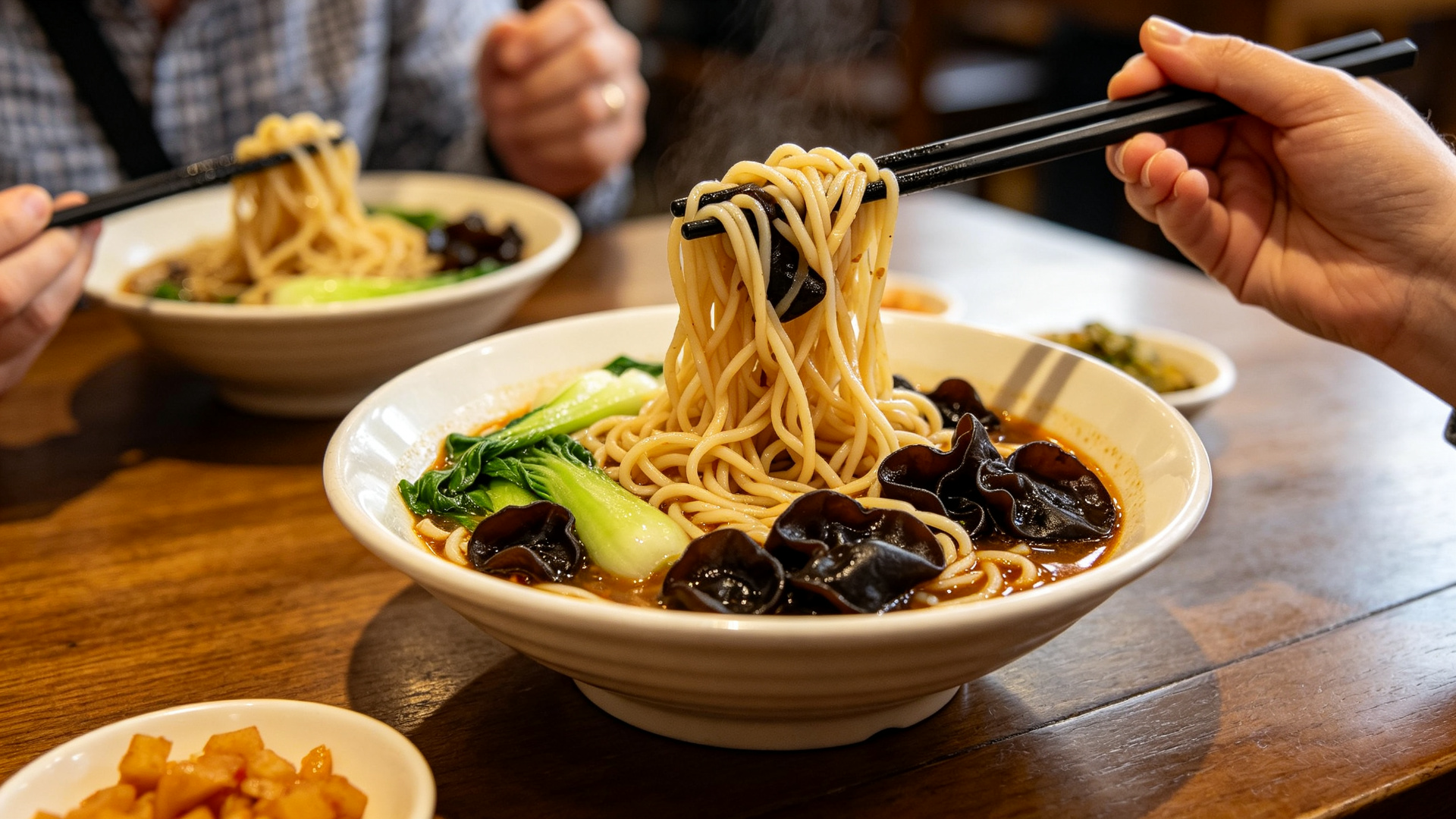
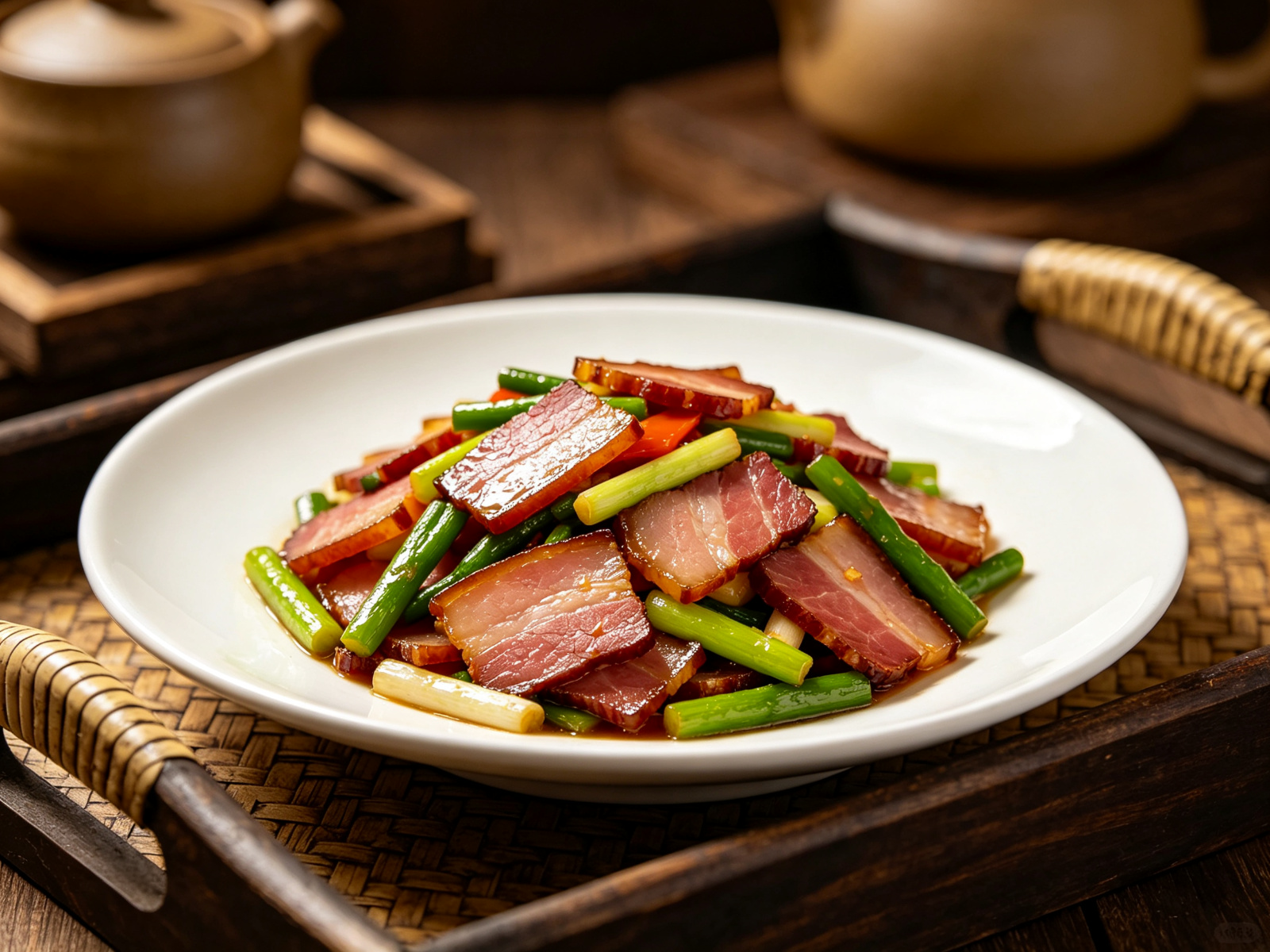
Eat Yiwu by district logic, not by guidebook lists: brown-sugar snacks at Fotang's own stalls, Dongyang wood-ear noodles at the neighborhood noodle shop where delivery riders queue, Jinhua ham home-style dishes at local restaurants, and skewers at Binwang Night Market after the booths close. The real souvenir here is not food—it is whatever small-commodity category you sourced by day; bring an empty suitcase. Skip the airport 'Yiwu gift boxes'—the market booths sell the same goods cheaper, and the snacks only taste right warm from the stall.

  • Entry to the Trade City is free; a buyer card (采购商证) is checked at some entrances—bring your passport and register at the official service center, not at gate-side 'agents'.
  • Minimum order quantities vary booth to booth (often counted in cartons). Always ask '起订量' before admiring goods; the night market is where you buy singles.
  • Five districts are too much for one walk—use Didi between districts or the free market shuttle lines (2/3/5) that loop between the railway station, airport and passenger center.
  • Brown-sugar snacks: buy from Fotang stall counters where it is made in front of you; check the production date—fresh means within days, not vacuum-boxed for months.
  • On-site shipping: logistics and freight counters operate inside the market—ask the booth or the service center; compare sea vs rail (Yiwu-Madrid rail corridor) lead times before paying.
  • Payments: many booths run on WeChat/Alipay transfer or cash; foreign-card Tour Cards work at chains but keep ¥500+ cash for stall-level deals and night market bargaining.
  • Photography: some booths forbid photos of designs (IP-sensitive jewelry/toy lines)—ask before aiming your phone at the samples.
7

Getting there & tips

Best time: March–May, September–November · Subtropical — hot humid summers

Didi is essential (market is huge). Buses connect districts. High-speed rail to Hangzhou (30min), Shanghai (2h). Yiwu has its own airport.

Yiwu visitor handbook

Payments

Foreign-card Alipay/WeChat Tour Cards work at chain restaurants and malls; booth-level deals still run on domestic-transfer or cash, so keep ¥500-1000 in small bills. Currency exchange counters exist near the Binwang trade hotels; large hotel fronts give worse rates.

Crowds & timing

The Trade City runs roughly Monday-Saturday; most booths rest on Sundays, and the whole market shuts for Spring Festival (reopening dates are published by the market operator each year). Weekend mornings are packed with domestic buyers—weekday afternoons are calmer. Museums are closed Mondays.

Etiquette

Browsing is free, but touching samples seriously signals a real order—vendors treat price-asking as doing business. Don't photograph booth designs without asking. At Binwang Night Market, bargaining is expected; start around half the first quoted number and keep smiling.

Safety & practical

Wear walking shoes—one district alone is kilometers of aisle. Carry your passport: hotel check-in, buyer registration and some booth areas ask for it. Keep small valuables in a front pocket; the crowds are dense and honest, but bags get bumped.

Language & connectivity

Market signs are bilingual and many vendors use basic English plus translator apps; load a translation app and the Chinagoods/YiwuGo market map before you arrive. Get a local SIM or portable Wi-Fi on landing—social and search workarounds are on you.

Where to stay

Stay near the Trade City / Binwang belt: buyers' hotels cluster within 10-15 minutes by Didi of the booths, and Binwang's evening food streets are a short ride away. Business-trip hotels price up during spring-buying season—book early.

Getting around

Didi is essential (market is huge).

Navigation

Buses connect districts.

Pay

Metro, stalls, and rides mostly take Alipay or WeChat. Set up Alipay with a foreign card before you land.

Show this

Show the Chinese name “义乌” to drivers and staff. It beats a long English explanation.

MetroIf there is no direct metro pin, ride metro to a central Yiwu hub, then transfer by bus or Didi to Yiwu.
BusDidi is essential (market is huge). Buses connect districts. High-speed rail to Hangzhou (30min), Shanghai (2h). Yiwu has its own airport.
Taxi / DidiDidi or a licensed taxi is the simplest door-to-door. Set destination to “义乌” and pay in-app with Alipay/WeChat.

Yiwu hotels, transfers & popular bookings

Book tickets, transfers, and popular tours via partners first — then request deeper local experiences through ChinaPie.

Disclosure: Some links are affiliate links. ChinaPie may earn a commission on eligible bookings at no extra cost to you.

Prices shown are planning references only. Actual rates fluctuate with season, holidays, demand, and partner promotions — the price at checkout on the booking site is authoritative.

8

Yiwu as a working small-commodities trade city—field observation notes

Authority field notes: case breakdown · East/West contrast · replicability — hidden on leisure-only cities.

Yiwu is a live trade engine, not a themed shopping town: the International Trade City wholesale market layout (districts 1–5 by category) is where small lots from a million products actually change hands, the 1039 market-procurement regime was invented here, and Yiwu is the starting point of a China-Europe rail corridor to Madrid. Many first passes run with no agent required for samples and low MOQ booth buys; factories and export paperwork may still need local help. This lens helps overseas visitors read trade from public floors and streets—no badge required.

  • Trade City wholesale market layout on a weekday morning—districts 1–5 by category; watch buyers with sample books and suitcases; many booths allow no agent required sample buys at low MOQ.
  • Logistics counters near the market—sea freight and Yiwu–Madrid rail desks side by side; ask how a mixed-carton sample order ships before you commit.
  • Binwang after dark—restaurants and exchange counters in a dozen languages; this is the trade diaspora's home turf, visible from the sidewalk.
  • Direct-from-factory vs booth reality: Trade City is often the open shelf; factories sit outside the market—confirm whether you are buying booth stock or arranging a factory trial order.

Case 1: International Trade City floor—the world's open shelf

Five districts, tens of thousands of booths, millions of SKUs, open to walk-in buyers. Judgment: this is where product trends become shelf inventory in days; action: pick one category and ask three booths the MOQ and sample price—watch how the negotiation actually closes.

Case 2: The 1039 market-procurement regime

From the 2011 national pilot, Yiwu invented the market-procurement export mode (customs code 1039), now replicated across dozens of Chinese markets—designed exactly for small-lot, multi-category export that traditional customs rules choke. Judgment: low MOQ export is institutionalized here; action: ask a logistics counter how a mixed-carton order gets declared—it is the regime working.

Case 3: Yiwu-Madrid rail corridor

The first China-Europe train from Yiwu West to Madrid left in 2014; rail cut roughly two months of sea transit to about three weeks, and the corridor now reaches over a thousand overseas cities. Judgment: this county town is a land-bridge terminus; action: spot the freight-logistics desks near the market and compare rail vs sea quotes yourself.

Case 4: The Binwang trade diaspora

Middle Eastern, African and South Asian buyers have long clustered around Binwang—their halal restaurants, exchange counters and multilingual signs are ordinary street furniture. Judgment: Yiwu's foreign trade is embodied residents, not statistics; action: eat an evening meal along Binwang's food streets and read the menu languages.

For buyers & business
9

Yiwu FAQ & next step

Conversion stays soft — clear next steps: plan this city, or request planning help.

Is Yiwu safe for tourists?

Yes for typical tourist areas. Keep phones and bags secure on metro and in crowded night spots; use licensed taxis or Didi.

Do I need a visa to visit Yiwu?

Depends on your passport. Check ChinaPie Plan & Prep → Visa for 30-day visa-free and 240-hour transit options before booking.

Can I use Alipay in Yiwu?

Yes—foreigners can set up Alipay with passport + international card. See /prep/alipay-setup for the step-by-step guide.

Can foreigners buy small quantities in Yiwu?

It depends. Many booths require wholesale minimums (1–10 cartons), but some sell retail. The night market (Binwang) is better for small quantities. For serious procurement, hire a buying agent (¥200–500/day) who speaks English and knows the market. Shipping logistics are available on-site.

Which countries are visa-free for China in 2026?

China offers unilateral visa-free entry to 40+ countries including France, Germany, UK, Japan, South Korea, Singapore, Malaysia, Thailand, Italy, Spain, Netherlands, Switzerland, Sweden, Norway, Denmark, Finland, Belgium, Austria, Ireland, Portugal, Greece, and more. Stay: up to 30 days. IMPORTANT: US passport holders are NOT on the unilateral visa-free list and need a visa. Check latest list at China Immigration official site before travel.

Do US citizens need a visa for China?

Yes. US passport holders need a visa to enter mainland China. The 10-year multiple-entry tourist visa (L visa) is common: $185 fee, processing 3-5 business days. You can also use the 240-hour transit visa-free if transiting to a third country. Apply at Chinese embassy/consulate or via authorized visa agencies. Many travel blogs incorrectly say US is visa-free — this is false.

Can I use my foreign credit card in China?

Major hotels, international restaurants, and large malls accept Visa/Mastercard. But most small shops, street food, taxis, and local experiences only accept Alipay or WeChat Pay. Link your foreign card to Alipay (Tour Card) for daily use. Carry some cash (¥500-1000) as backup.

Is China safe for foreign tourists?

China is consistently ranked among the safest countries for tourists. Violent crime against foreigners is extremely rare. Common issues: pickpocketing in crowded areas (train stations, metro), taxi scams at airports, and fake goods at markets. Normal precautions apply: keep valuables secure, use licensed taxis/Didi, don't accept unsolicited tours. Women traveling solo generally feel very safe even at night.

How many days do I need in Yiwu?

Most first-timers do well with 1–3 days. Start with the 1-day procurement core: market districts by day, night market by night, then expand to 2–3 days if you want slower food and culture. Use Plan this city to turn stops into a workable week.

Can I pay with a foreign card in Yiwu?

Foreign cards work more often via Alipay / WeChat Pay tourist modes and some metro apps, but coverage still varies by merchant. Keep a small cash float and set payment apps up before peak sightseeing. See the practical section on this hub for city-specific notes.

Plan this city
YiwuCity hub
Plan