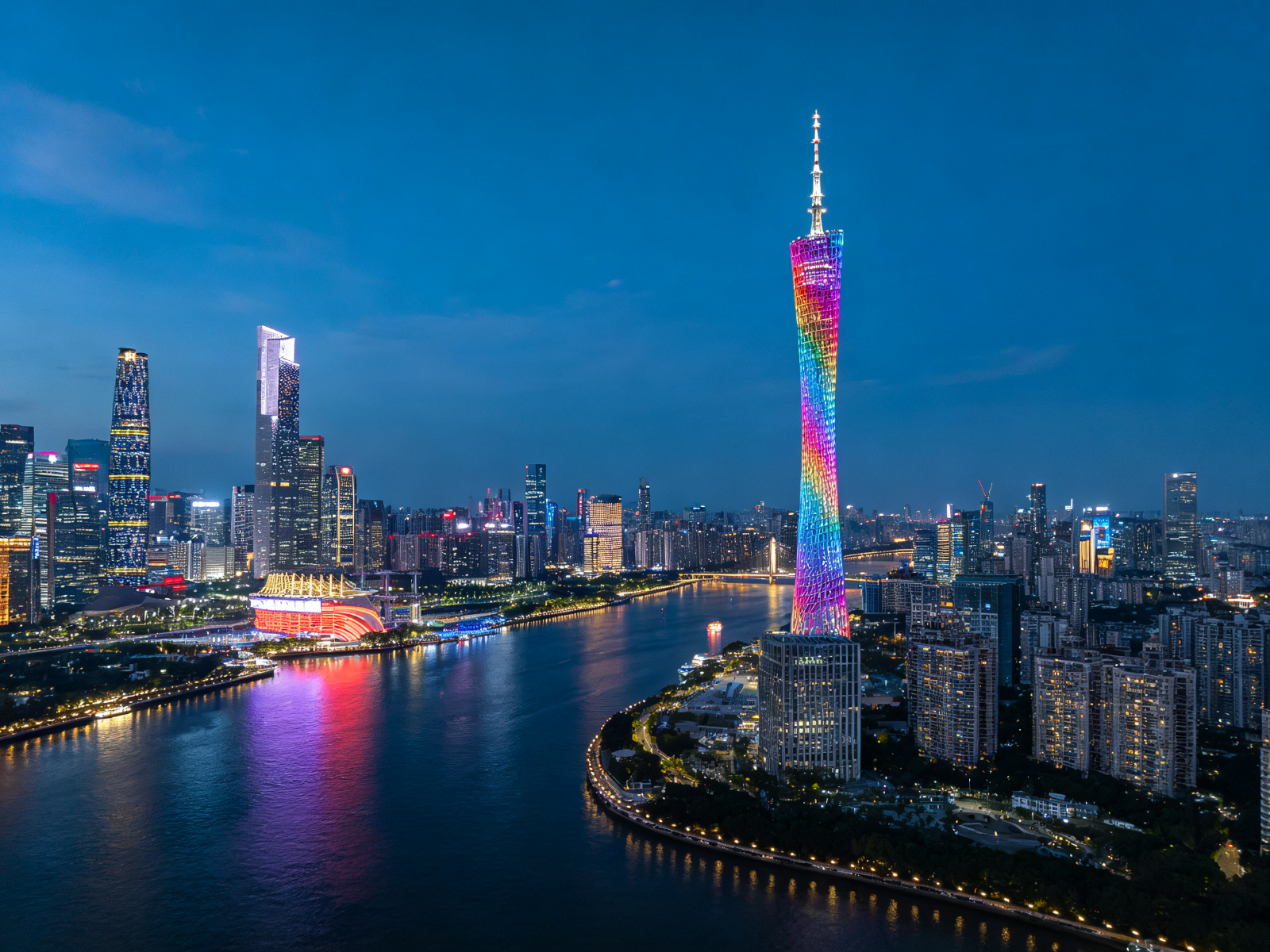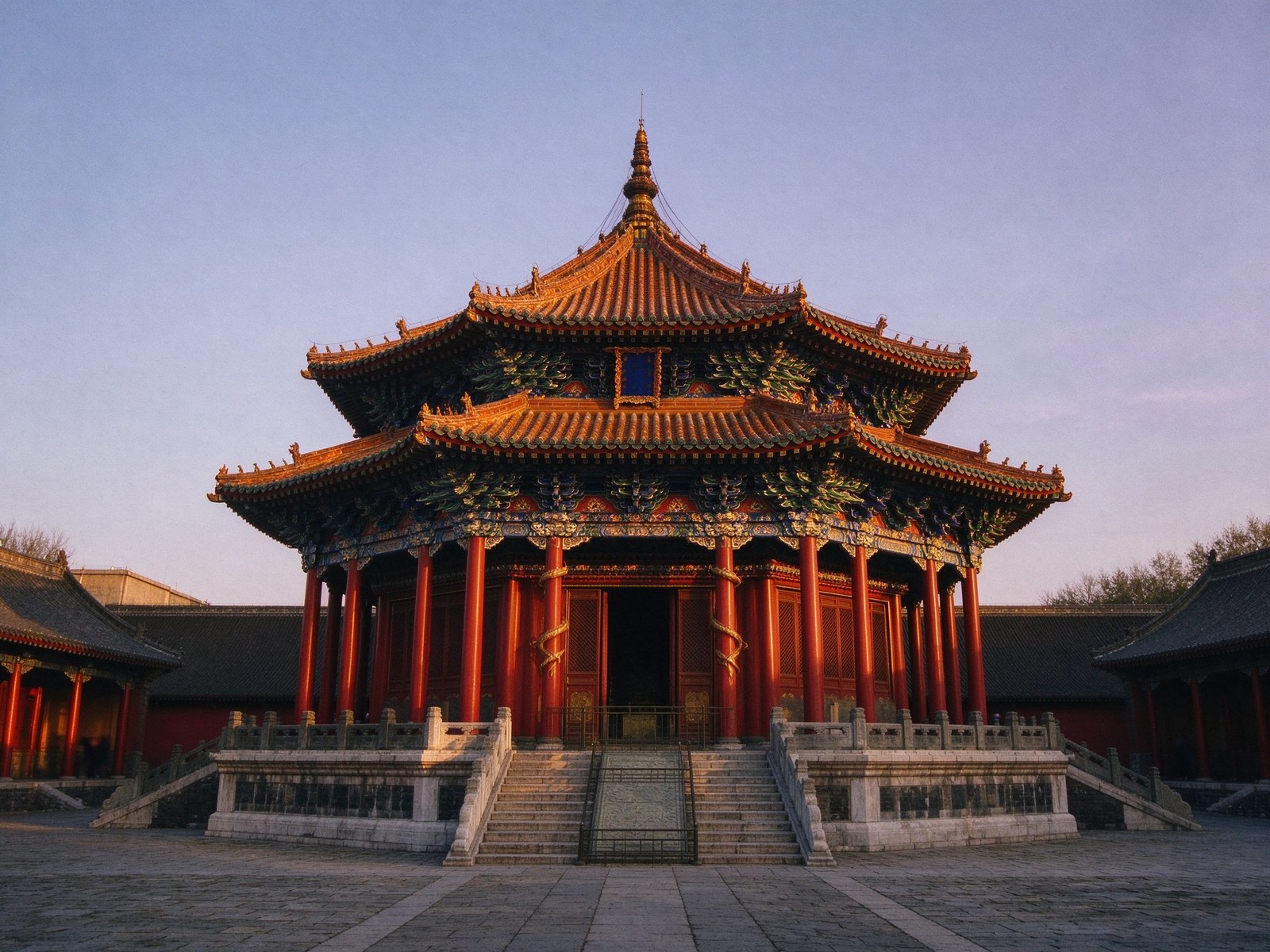
A dual-core city thesis
Xuchang is both a Cao Wei heritage city and the home of Pangdonglai. Few Chinese destinations let you read loyalty culture in the morning and observe people-first retail in the afternoon.
Xuchang · 许昌
Three Kingdoms loyalty culture + China’s most discussed people-first supermarket — a study tour, not a selfie stop.
Xuchang is both a Cao Wei heritage city and the home of Pangdonglai. Few Chinese destinations let you read loyalty culture in the morning and observe people-first retail in the afternoon.
Come to observe service design, staff culture, and trust mechanics. Shop if you like — but the value is watching how the store runs.
Less over-touristy than Beijing or Xi’an. Friendly locals, short Didi hops, and space to think — ideal for a focused 1–2 day study stop.
The city’s signature line — depth entry, not a checklist.
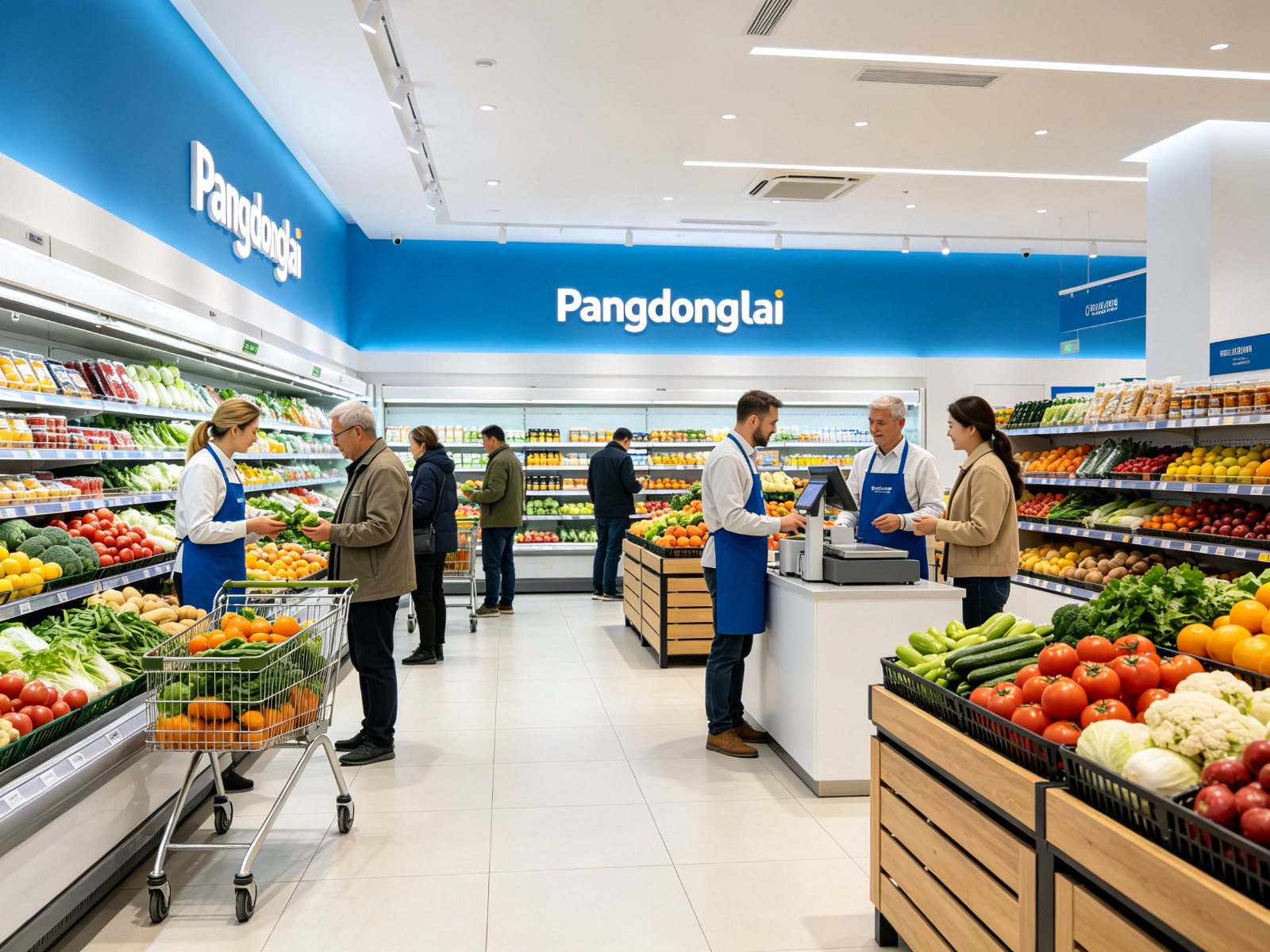
Visit Angel City / Times Square as a local supermarket, not a scenic spot. Slow down: notice free service desks, return policy language, staff interactions, and how trust is designed into the floor. Pair with a ChinaPie retail-culture experience if you want an English-friendly walkthrough.
Add to trip to compare and prepare; check partner links for slots and price when shown.
Beyond ticket notes — read the city’s character first.
ChinaPie’s authority frame for Xuchang: Pangdonglai did not appear in a vacuum. Stories of Guan Yu’s integrity and Cao Wei pragmatism sit in the same city that later produced a trust-heavy retail culture. You do not need to romanticize history — but you should walk the heritage sites before judging the supermarket as a random viral quirk.
Legend places Guan Yu here reading the Spring and Autumn Annals. Overseas visitors often connect with the integrity / loyalty framing — it also helps explain why a trust-heavy business culture could grow in this city.
The classic story of Guan Yu parting from Cao Cao. Short stop, strong narrative — useful context before you talk about modern service ethics in the supermarket aisle.
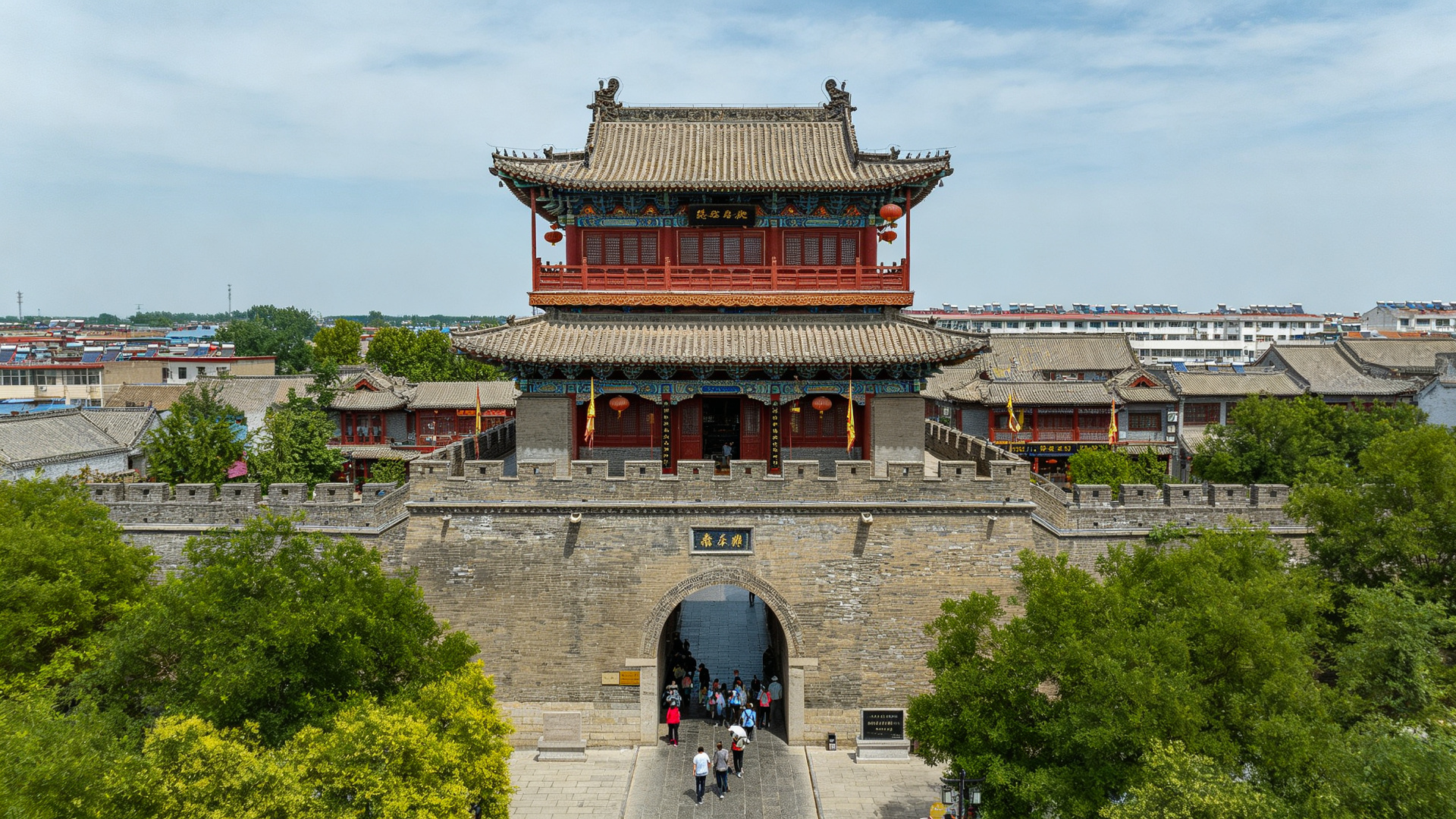
Xuchang’s Cao Wei sites (mansion, townscape) keep the city from being “only Pangdonglai.” History + retail is the ChinaPie framing for this hub — a dual-core study destination, not a single viral store.
Tickets, duration, transport — ready for your trip cart.
EmergingA supermarket chain famous for extraordinary customer service: free repairs, pet care, child care, and legendary empl…
 Emerging
Historic site where Guan Yu (Three Kingdoms general) reportedly read the Spring and Autumn Annals. Temple complex wit…
 Emerging
Recreated mansion of Cao Cao, the famous Three Kingdoms warlord. Exhibits on Wei kingdom history, with underground tu…
 Emerging
1,000-year-old town famous for Jun porcelain (钧瓷), one of China's five famous kilns. Ancient kilns, porcelain shops,…
Executable skeletons: 1-day essence, 2-day dual-store study, 3-day option with Shenhou porcelain.
1-day
Best first visit if you arrive by HSR and leave the same evening.
Treat Pangdonglai as a quality lab, not a haul destination. Taste prepared foods, note packaging and pricing transparency, then add one or two gifts you will actually use — snacks for the train, or Jun porcelain if you visit Shenhou.
 Emerging
The viral prepared food section: roast chicken, sushi, braised meats, and baked goods. Famous for quality and reasona…
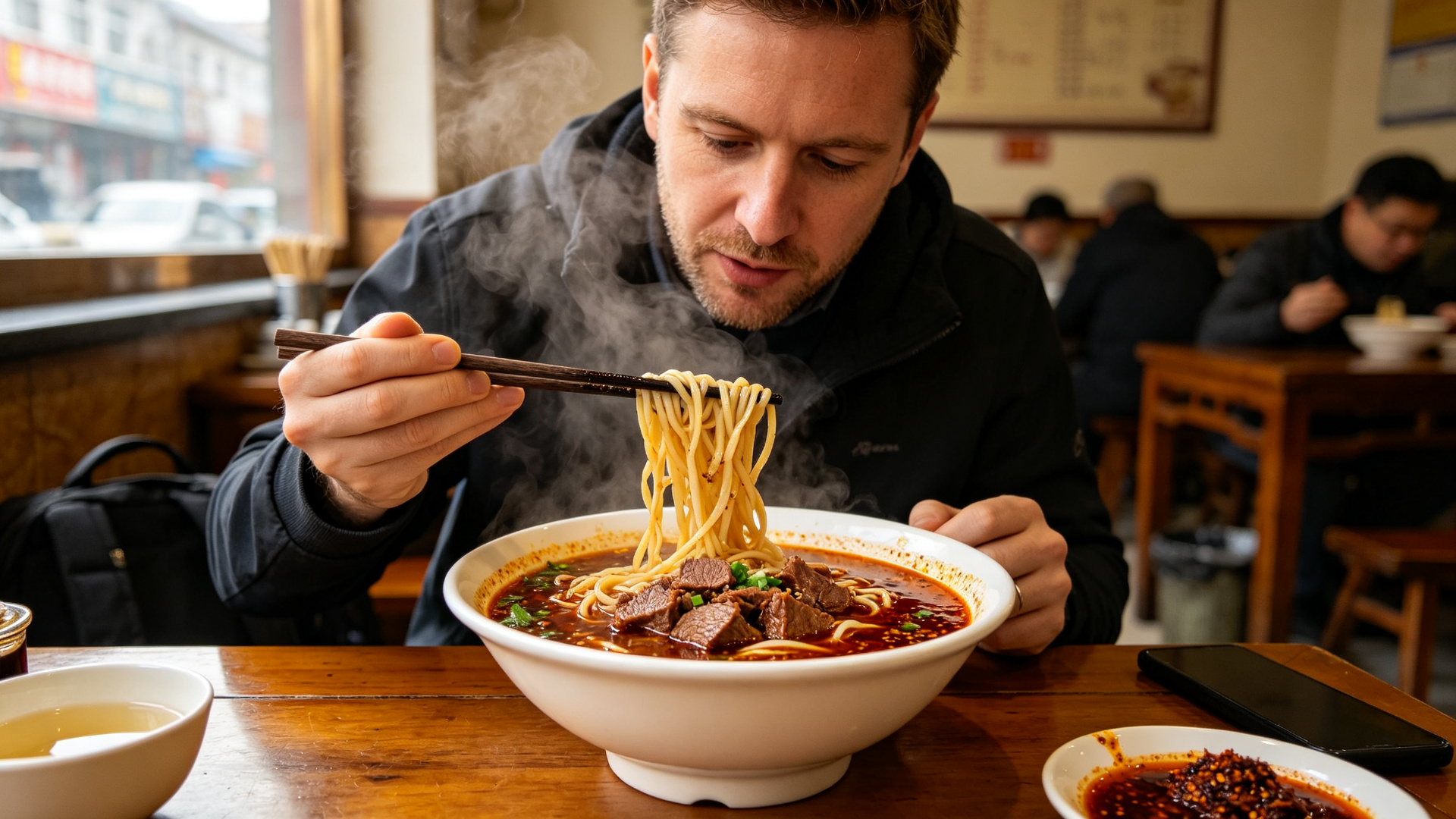 Emerging
Local-style beef noodles with rich broth and tender beef. Breakfast staple. Cheap and filling.
 Emerging
Not food, but a unique local product. Jun porcelain tea sets make great souvenirs. Each piece is unique due to kiln c…
Best time: April–May, September–November · Continental — cold winters, hot summers
Small city—Didi is cheap and convenient. High-speed rail to Zhengzhou (40min), Wuhan (2h). No metro. Pangdonglai is 15 min from station by Didi.
Pangdonglai is not a ticketed attraction. Shop and browse like a neighbor. Do not block aisles for long photo shoots, and do not treat staff as performers.
Expect free water, charging, simple repairs, sewing kits, first-aid style help, and generous return culture. Use what you need; do not stage “content” that wastes staff time.
Stores have fixed rest schedules — confirm before you travel. Weekends and holidays are crowded; weekday mornings are better for observation.
English signage is limited. Bring a translator app. Alipay / WeChat with a foreign card usually works; keep a little cash as backup. Show Chinese place names to Didi drivers.
Slow down. Watch how trust is designed (returns, service desks, staff tone). Ask permission before filming faces. Operators: take notes, not viral clips that disrupt shoppers.
Small city—Didi is cheap and convenient.
High-speed rail to Zhengzhou (40min), Wuhan (2h).
Metro, stalls, and rides mostly take Alipay or WeChat. Set up Alipay with a foreign card before you land.
Show the Chinese name “许昌” to drivers and staff. It beats a long English explanation.
Book tickets, transfers, and popular tours via partners first — then request deeper local experiences through ChinaPie.
Disclosure: Some links are affiliate links. ChinaPie may earn a commission on eligible bookings at no extra cost to you.
Prices shown are planning references only. Actual rates fluctuate with season, holidays, demand, and partner promotions — the price at checkout on the booking site is authoritative.
Authority field notes: case breakdown · East/West contrast · replicability — hidden on leisure-only cities.
Pangdonglai’s fame is not “cheap prices.” Operators come to Xuchang to watch employee priority, free public services, return/trust design, and a deliberate refusal of frantic national expansion. A retail study day needs no agent required — walk the floor as a customer with a notebook. Use this hub as a structured field notebook; pair it with a slow store walk — not a haul video.
Observed pattern: invest in staff welfare and customer trust mechanisms first; brand virality follows as a byproduct. For overseas operators, the transferable lesson is usually process + culture — not copying slogans or freebies one-for-one.
Many Western chains optimize margin, private label, and national scale. Pangdonglai’s public narrative emphasizes employee dignity, local depth, and trust recovery (returns, free help desks). The point of the comparison is not “East good / West bad” — it is to name different objective functions so visitors know what they are studying.
Copycats often import free services without the wage structure, local governance, founder discipline, or city cultural soil that makes trust believable. ChinaPie’s study framing: separate what you can redesign tomorrow (floor process) from what takes years (culture and incentives).
Conversion stays soft — clear next steps: plan this city, or request planning help.
Yes for typical tourist areas. Keep phones and bags secure on metro and in crowded night spots; use licensed taxis or Didi.
Depends on your passport. Check ChinaPie Plan & Prep → Visa for 30-day visa-free and 240-hour transit options before booking.
Yes—foreigners can set up Alipay with passport + international card. See /prep/alipay-setup for the step-by-step guide.
Yes. It is a normal community supermarket, not a ticketed attraction. Shop and use public services like locals. English support is limited — bring a translator app, and respect staff who are working a real shift.
Yes if you care about quiet heritage + retail study. Combine with Zhengzhou HSR access. Casual sightseeing-only travelers may prefer pairing it with Luoyang or a Henan loop.
Pangdonglai is a regional supermarket chain famous for extreme customer service: free repairs, free water/charging, pet care, child play areas, and industry-leading employee pay (¥5,000+/month for entry-level). It went viral on Chinese social media and people now travel specifically to visit. The fresh food and prepared food sections are legendary for quality and value.
Pieces can travel — service process design, return policy clarity, staff dignity as a KPI — but the full model sits on local wages, founder discipline, and city cultural soil. Treat Xuchang as a case study city, not a franchise blueprint. See the Business lens section on this hub for soil · culture · system notes.
Not a direct corporate lineage — a city narrative. Loyalty / integrity stories (Guan Yu) and pragmatic governance memory (Cao Wei) help overseas readers understand why a trust-heavy retail culture feels native here. Walk Chunqiu Lou and Baling Bridge before your store study if you want that framing.
Most first-timers do well with 1–3 days. Start with the 1-day essence: heritage morning + Pangdonglai afternoon, then expand to 2–3 days if you want slower food and culture. Use Plan this city to turn stops into a workable week.
Foreign cards work more often via Alipay / WeChat Pay tourist modes and some metro apps, but coverage still varies by merchant. Keep a small cash float and set payment apps up before peak sightseeing. See the practical section on this hub for city-specific notes.
Buyer / fair route: prioritize adjacent hubs and prep guides — not lookalike leisure cities.