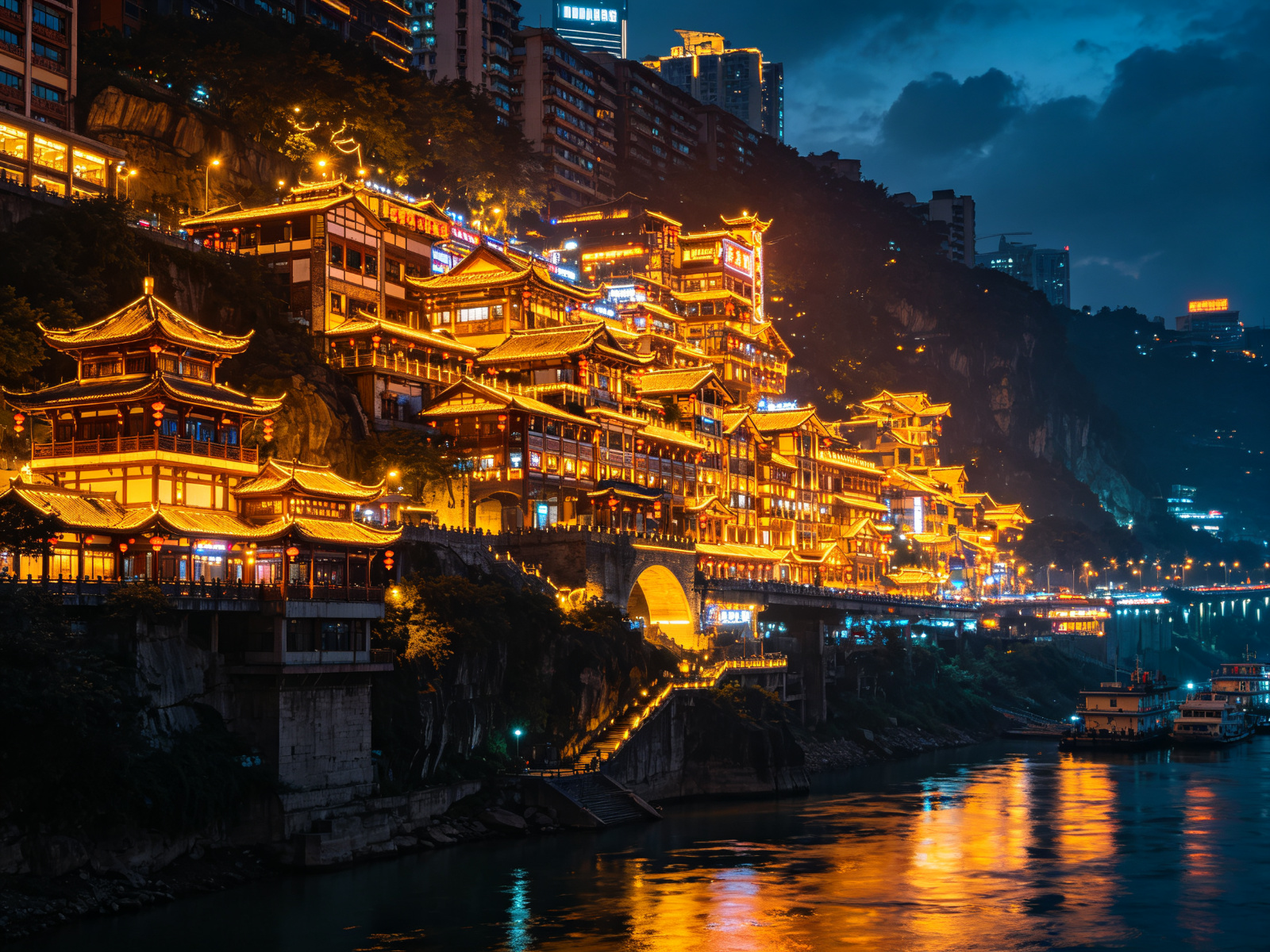
Shenyang

Shenyang · 沈阳

Shenyang Travel Guide

Shenyang is where the Qing dynasty was born and the 20th century began: an early-Qing Manchu palace second only to Beijing's Forbidden City, the walled pine-forest tombs of Qing emperors outside Shanhai Pass, and the documented 1931 Mukden Incident—all in a cold-winter city that now lives on Xita Korean noodles and street-corner chicken racks.

History travelers coming for the early-Qing palace, the imperial tombs and Manchu heritage20th-century history travelers tracing the Mukden Incident and the Young Marshal eraFood travelers after Korean-Chinese cold noodles, barbecue and Shenyang chicken racksWinter travelers chasing snow, ice and the city's famous bath-house (xiyu) culture
History & cultureFood cityModern cities
Plan this city
1

Why make a special trip

Shenyang is where the Qing dynasty was born and the 20th century began: an early-Qing Manchu palace second only to Beijing's Forbidden City, the walled pine-forest tombs of Qing emperors outside Shanhai Pass, and the documented 1931 Mukden Incident—all in a cold-winter city that now lives on Xita Korean noodles and street-corner chicken racks.

Mukden Palace is the Manchu Qing's birthplace, not a Beijing copy

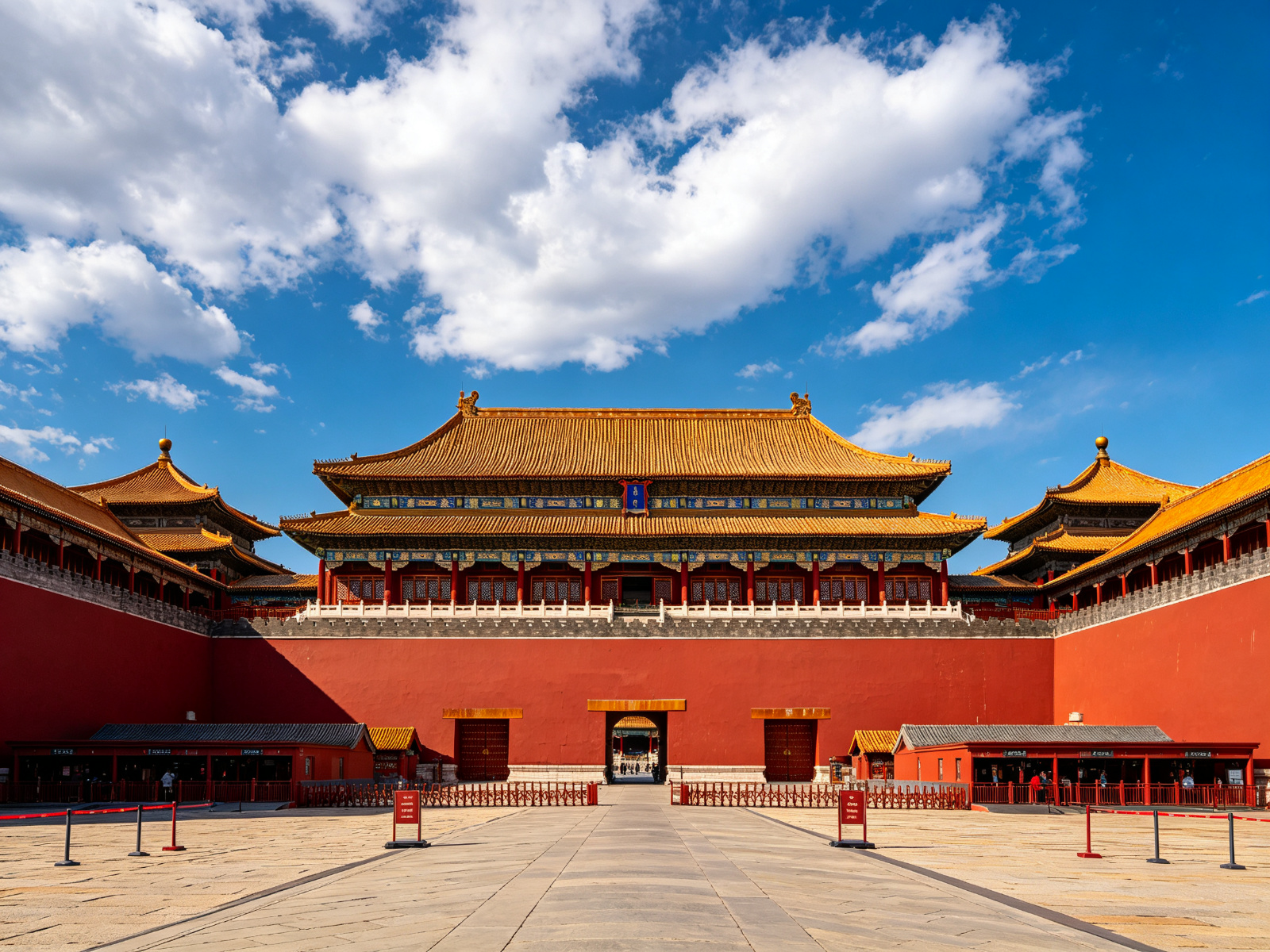
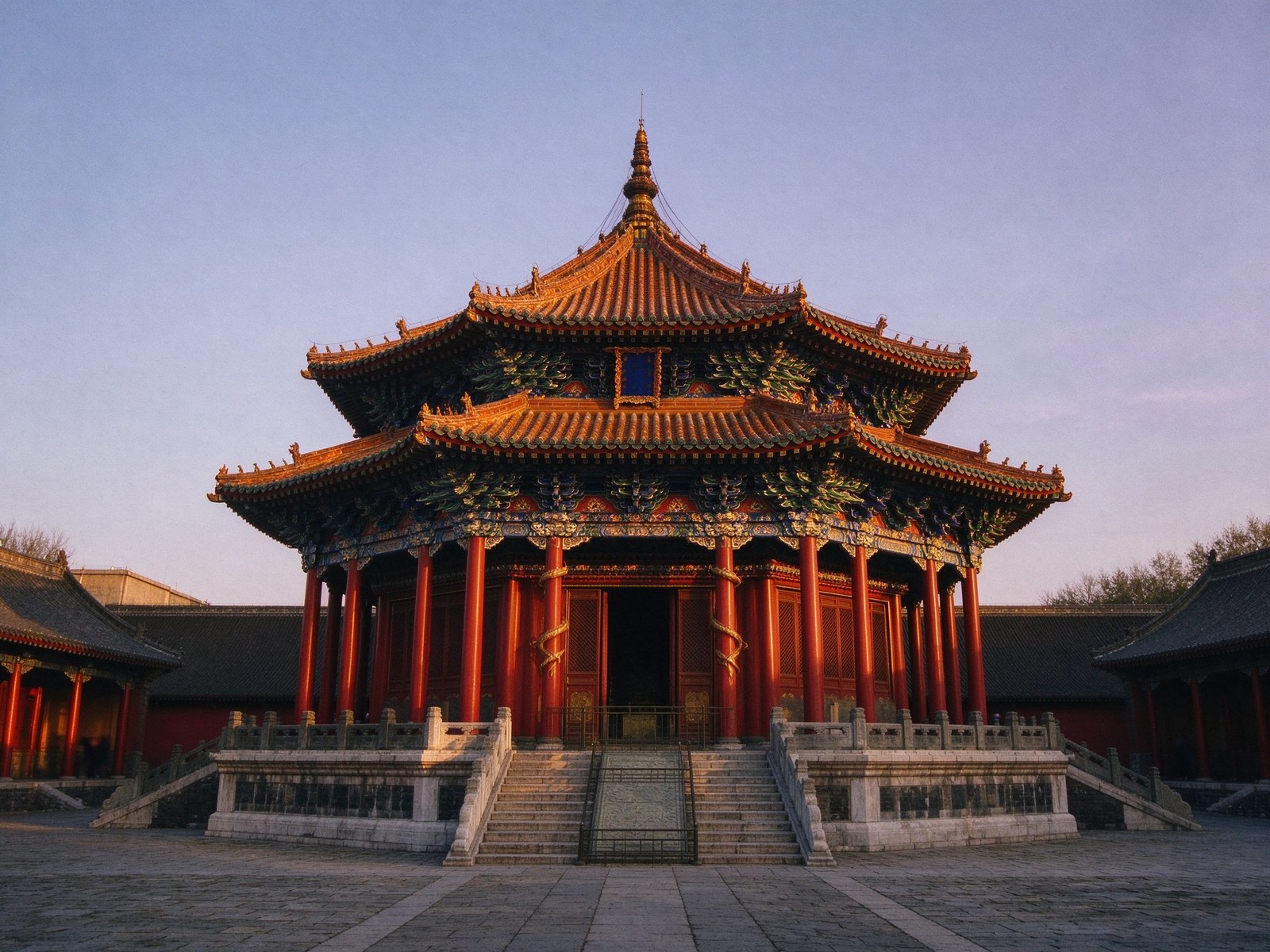
Built from 1625 before the 1644 move to Beijing, it is China's second surviving imperial palace and the only one showing Manchu Eight-Banners layout—the square Dazheng Hall with its flanking banner pavilions has no parallel in Beijing. Buy online and arrive early: in winter (Oct 11–Apr 9) last entry is 15:45.

The imperial tombs are a pine-forest park you enter for pocket change

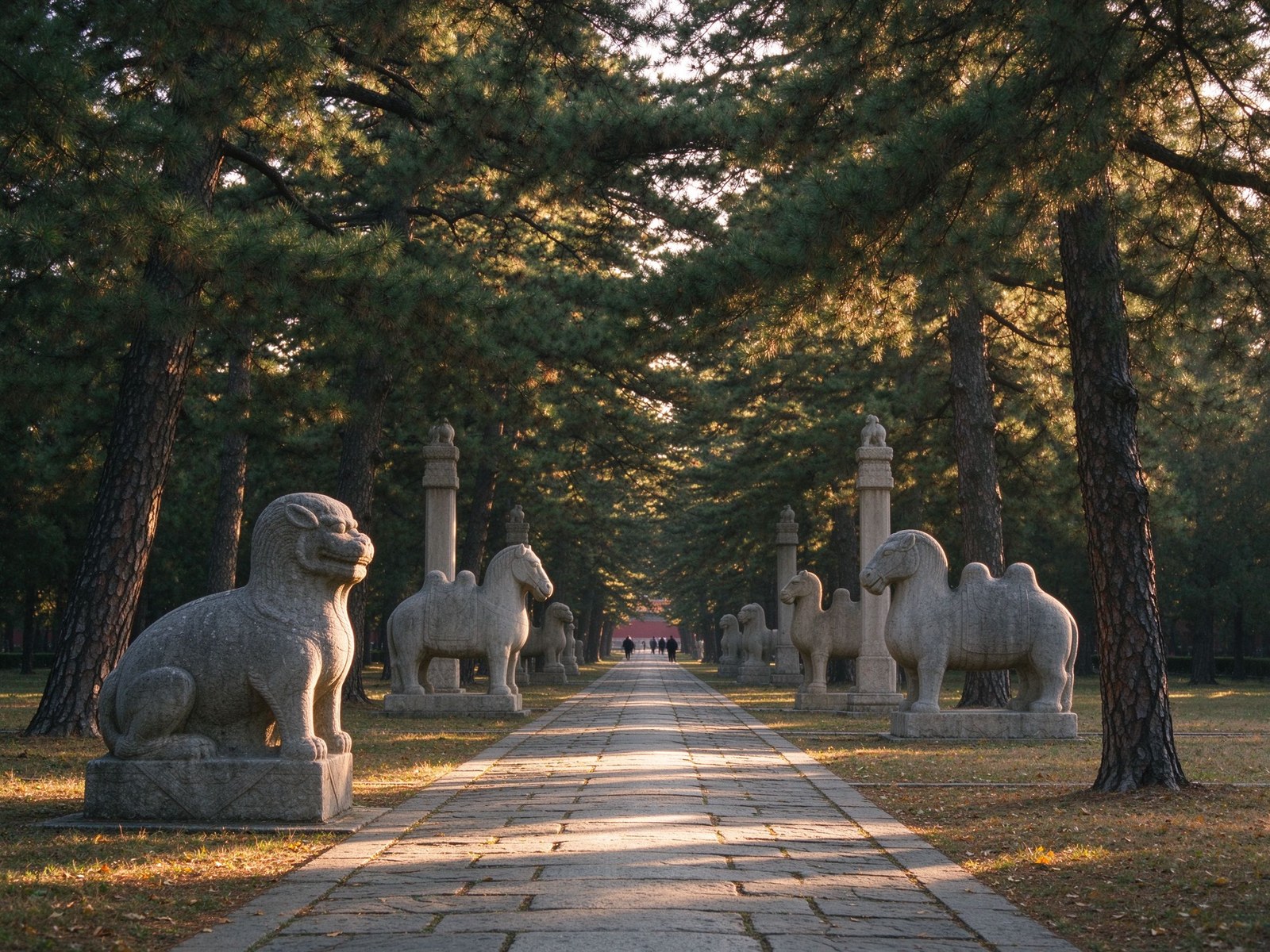
Beiling Park wraps Hong Taiji's walled Zhao Mausoleum in 3.3 km² of old pines—park ticket sales run 7:00–17:00 and gates close 21:30. Morning light on the stone spirit way is why you come before the tour coaches; watch the squirrels in the back pine forest.

The city's 20th-century history is walkable and mostly free

Zhang Xueliang's former residence sits a short walk from the old palace, and the September 18th History Museum documents the 1931 Mukden Incident that began fourteen years of occupation. Both are closed Mondays and the museum is free—bring your passport for real-name entry.

2

Palace morning, warlord-mansion afternoon, Xita cold-noodle night

The city’s signature line — depth entry, not a checklist.

The signature Shenyang sequence: a morning at Mukden Palace reading Nurhaci and Hong Taiji's early-Qing court, a short walk across old Shenhe to Zhang Xueliang's former residence and the Financial Museum, then west to Xita for Korean-Chinese cold noodles and barbecue. Add Beiling's pine-forest spirit way as the morning that takes the Qing story out of the palace walls.

Related sight detail
3

Bookable experiences

ChinaPie’s main shelf — add to trip or request a slot.

Experience inventory is still growing — plan with routes & culture, or request a study day.

4

Sights & culture

Beyond ticket notes — read the city’s character first.

Mukden Palace and the Eight Banners that conquered China

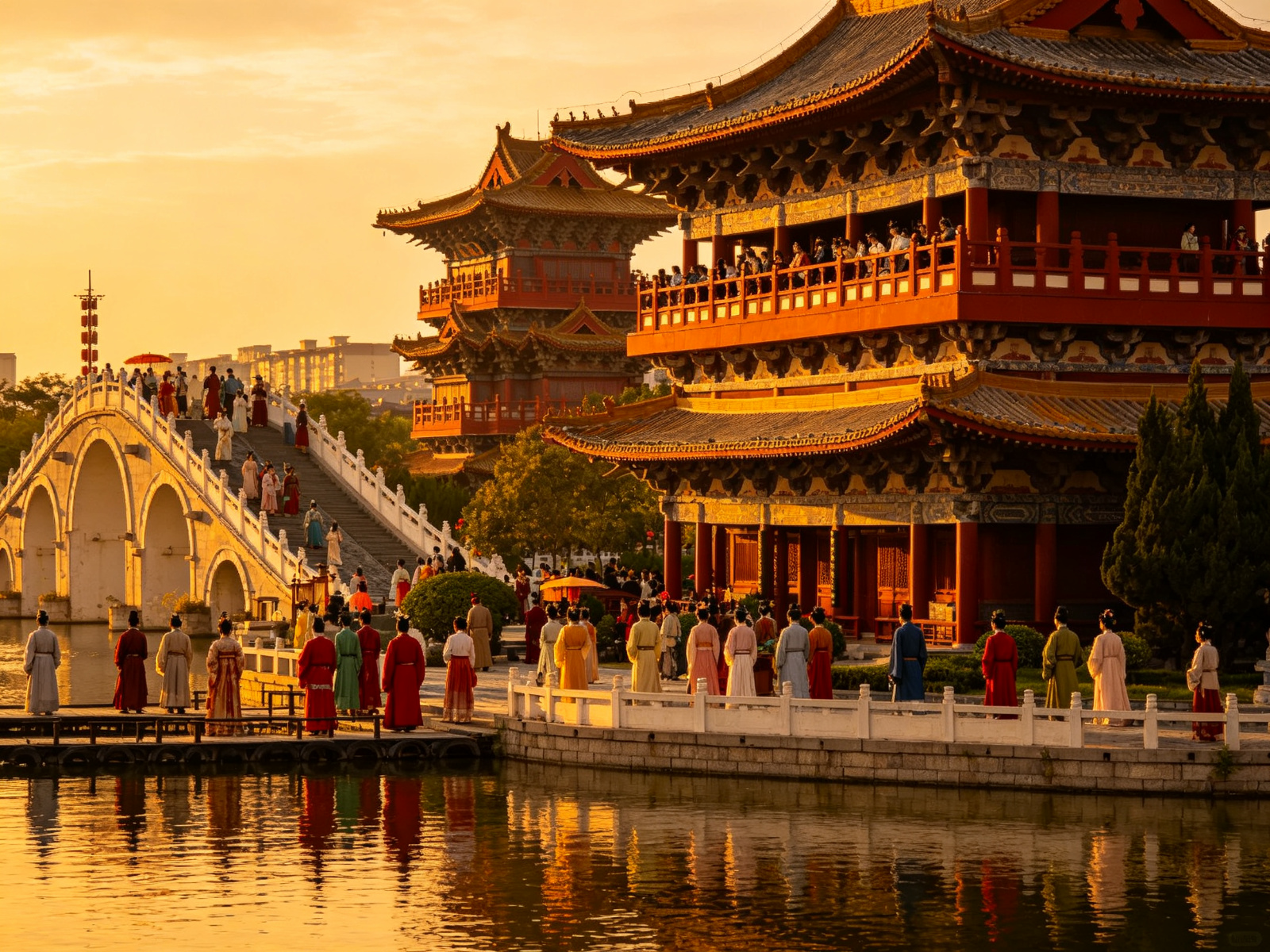
Built from 1625 for Nurhaci and Huang Taiji, the palace centers on Dazheng Hall—a square, eight-sided tent-style hall where banner affairs were deliberated, flanked by pavilion-style值班房. This layout reflects a court that still lived partly in saddle; read it before Beijing's axial Forbidden City, and the difference between a tribal confederation and a settled empire becomes visible.

The 'Three Tombs Outside Shanhai Pass' and a pine-forest mausoleum

Beiling is the tomb of Huang Taiji, the Qing ruler who took the dynasty title and the Han-style institutional frame before entering the pass. Its spirit way, stone animals and walled square city (方城) sit inside a public park that locals use for morning tai chi—the mausoleum is living urban forest, not a cordoned relic.

The September 18th Incident: a war that began here

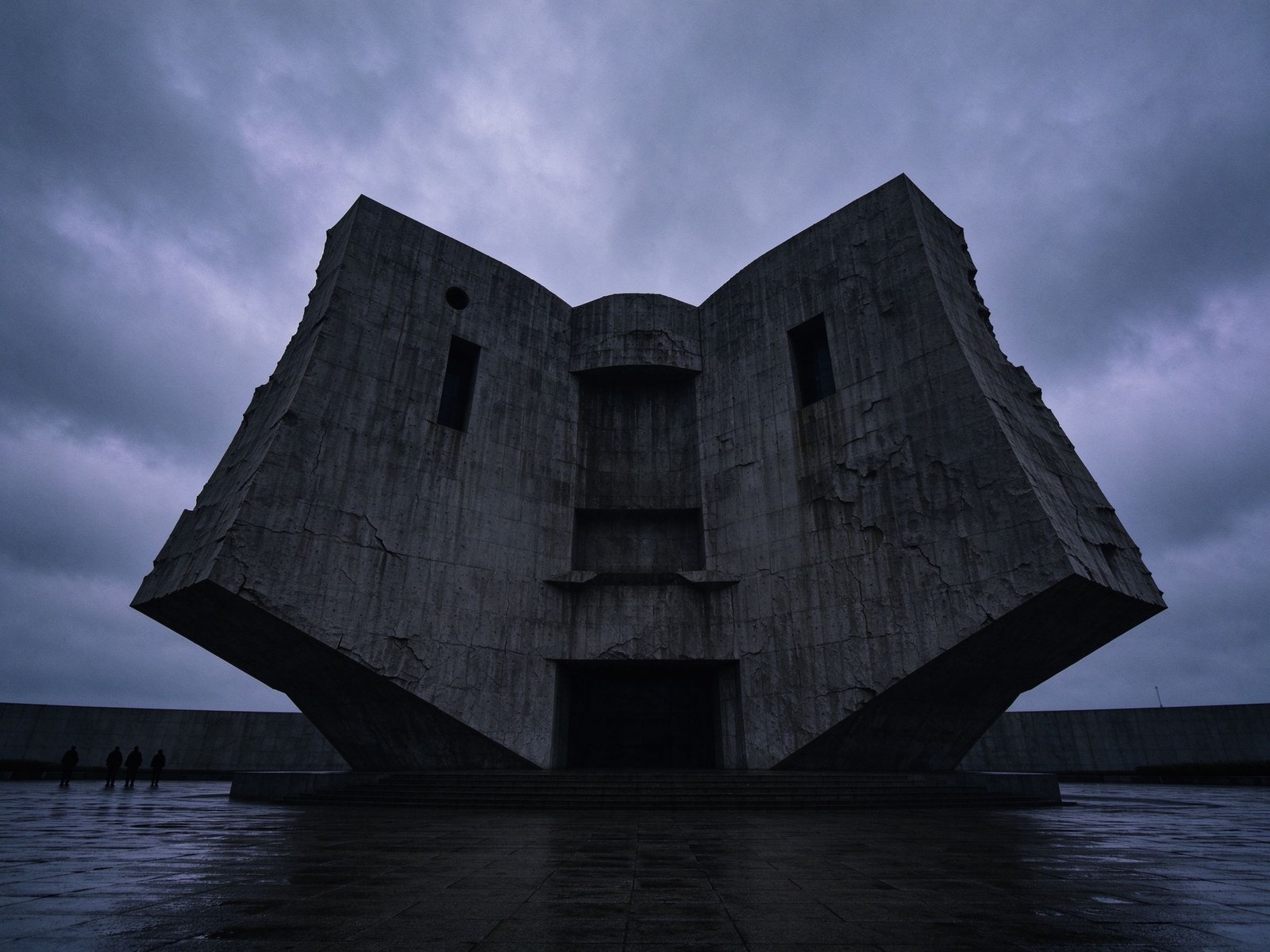
Near the Liutiao Lake (柳條湖) railway siding, a staged explosion on 18 September 1931 was used as the pretext for the occupation of Northeast China. The museum's broken-calendar tower (残历碑) marks the date; every 9/18 at 9:18 a.m. air-raid sirens sound across the city. Plan it as a serious, quiet visit—not a photo stop.

Zhang Xueliang: the Young Marshal who changed China's direction

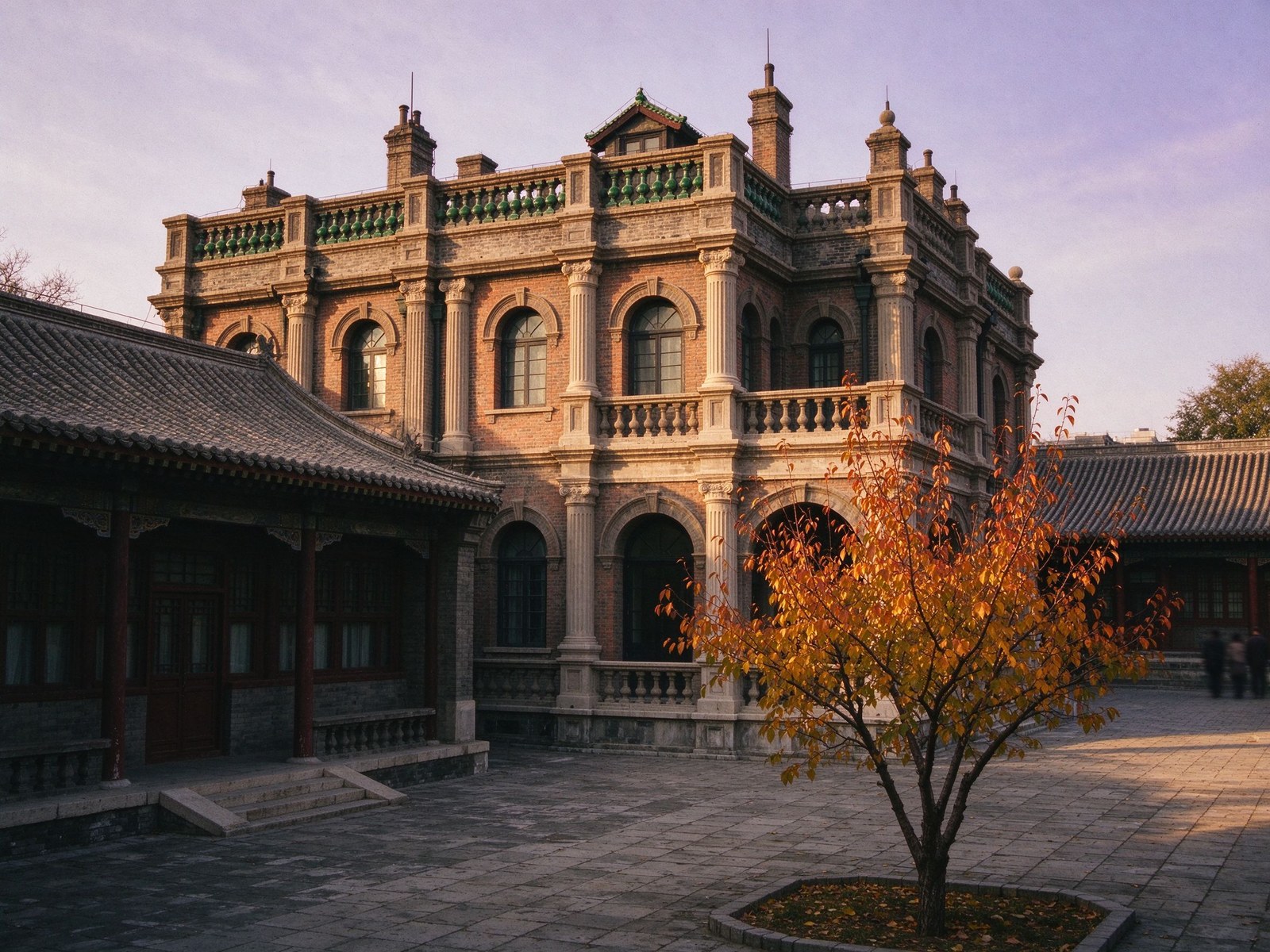
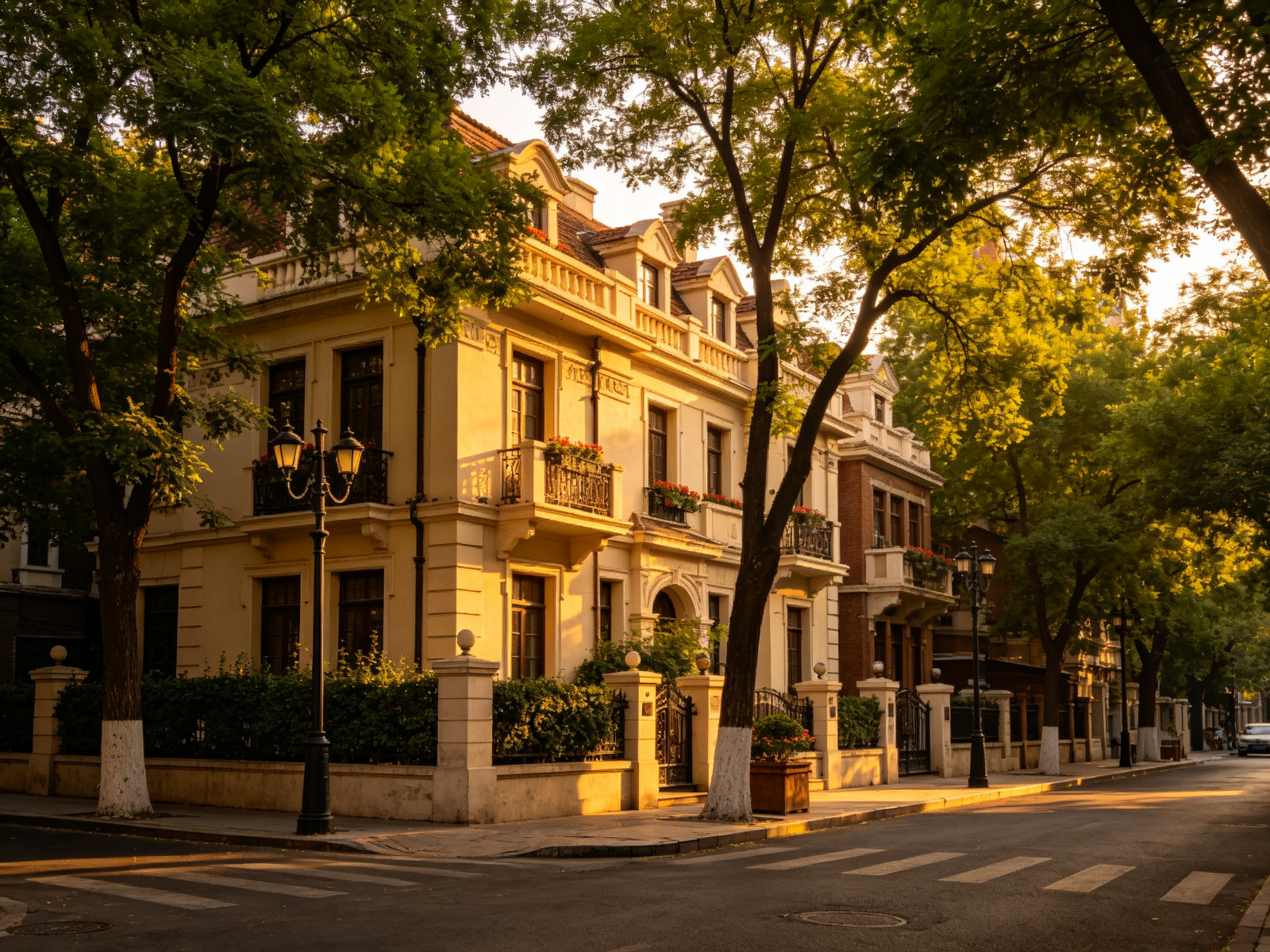
His father Zhang Zuolin built the Fengtian warlord regime from this city; the Young Marshal's former residence blends Chinese courtyard, Arabic-roofed baroque and the Green-tiled (赵四小姐) building. In 1936 he detained Chiang Kai-shek in Xi'an to force a united front against Japan—the mansion's rooms explain a man caught between warlord legacy and national cause.

Xita: a borderland food culture of Korean-China

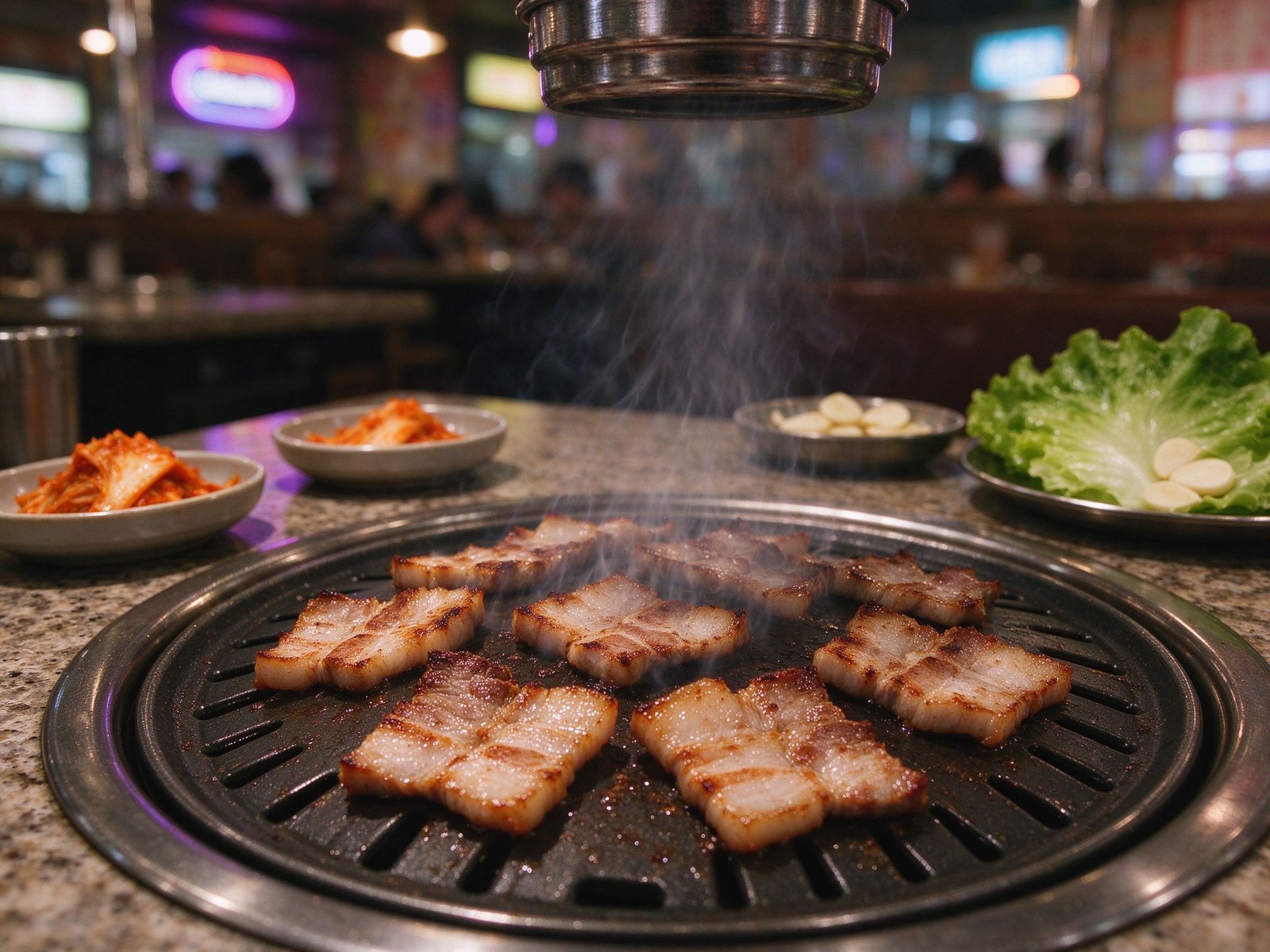
Around the 17th-century West Pagoda (Yanshou Temple), Shenyang hosts the largest Chaoxianzu (Korean-Chinese) community in China. The cold noodles (naengmyeon), barbecue and kimchi here are not 'Korean food for tourists'—they are the daily table of a borderland people whose homeland straddles two countries. Go hungry, and order noodles even at a BBQ place.

5

1–3 day routes

Executable skeletons: 1-day essence, 2-day dual-store study, 3-day with Shenhou porcelain.

1-day

1-day core: palace, mansion, Xita

  1. Morning: enter Mukden Palace via booked/online ticket; start at Dazheng Hall, then Chongzheng Hall and the Phoenix Tower (winter last entry 15:45, summer 16:15)
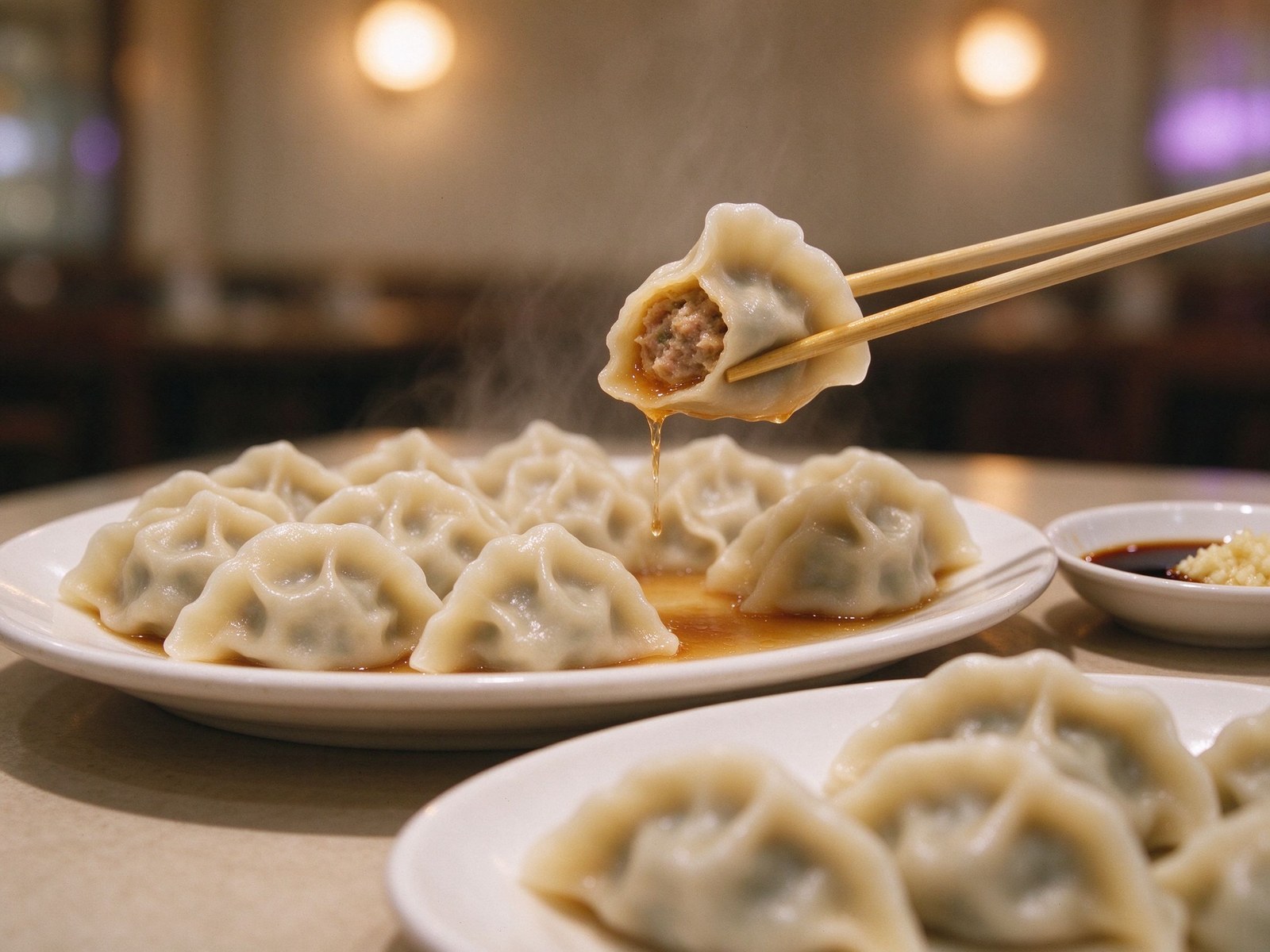
  2. Midday: walk to Zhongjie pedestrian street for Laobian dumplings or old-brand shaomai
  3. Afternoon: Zhang Xueliang's former residence (summer 8:30–17:30, winter 9:00–16:30, closed Monday) + Shenyang Financial Museum next door; the ¥88 three-museum combo covers both plus the palace
  4. Evening: Metro Line 1 to Xita Station; Korean-Chinese cold noodles, BBQ and kimchi at the biggest Chaoxianzu community in China

For travelers with a single day. Built around the palace's early last-entry and the dinner shift in Xita.

2-day

2-day loop: imperial tomb + provincial museum

  1. Day 1: Mukden Palace morning → Zhongjie lunch → Zhang residence & Financial Museum afternoon → Xita dinner
  2. Day 2 morning: Metro Line 2 to Beiling Park Station; enter 7:00–17:00 ticket sales, walk the spirit way and stone animals up to the walled Zhao Mausoleum (Hong Taiji)
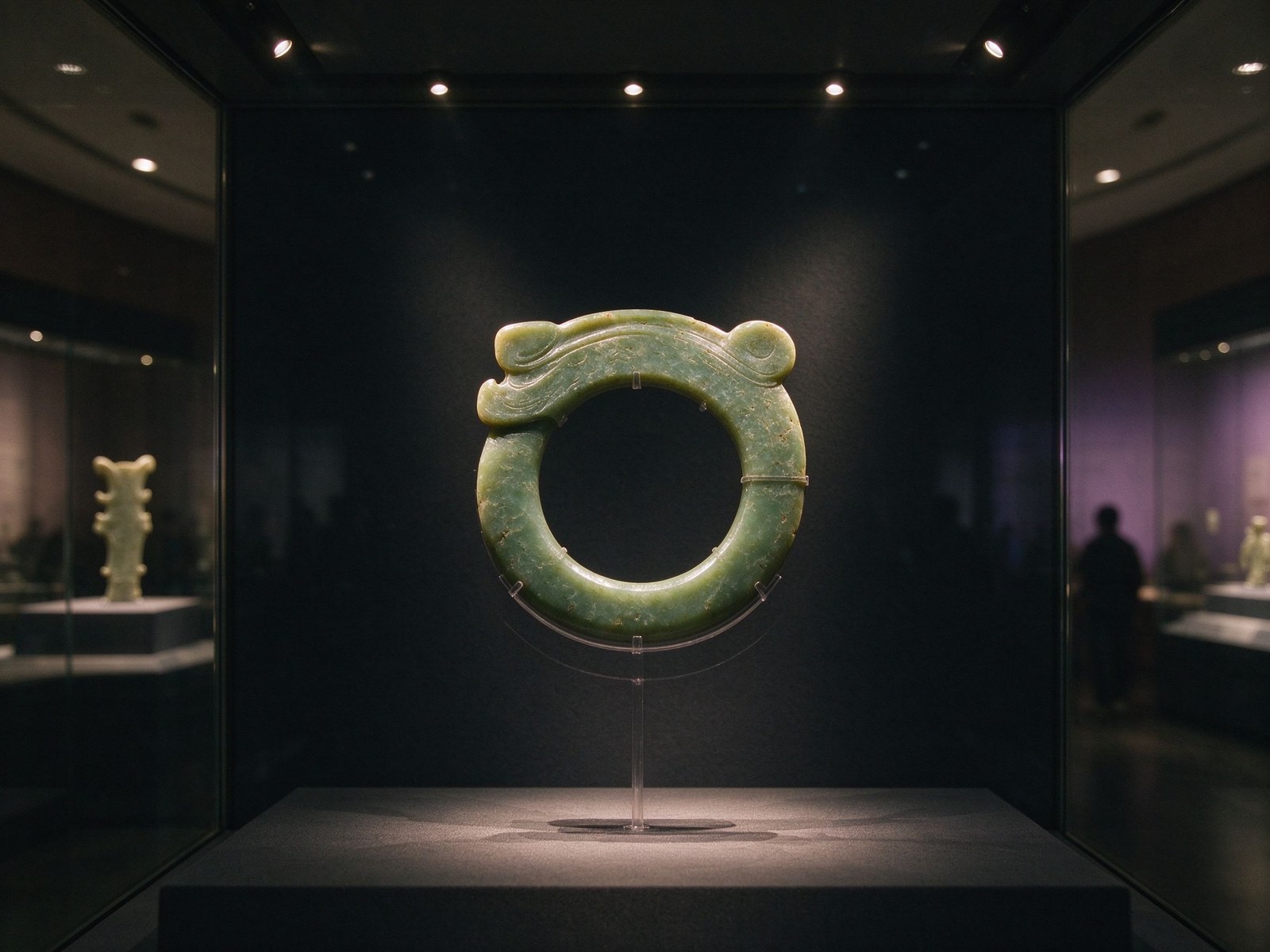
  3. Day 2 afternoon: Metro Line 2 out to Liaoning Provincial Museum (Hunnan); free, Tue–Sun 9:00–17:00, start with the C-shaped Hongshan jade dragon and ancient maps
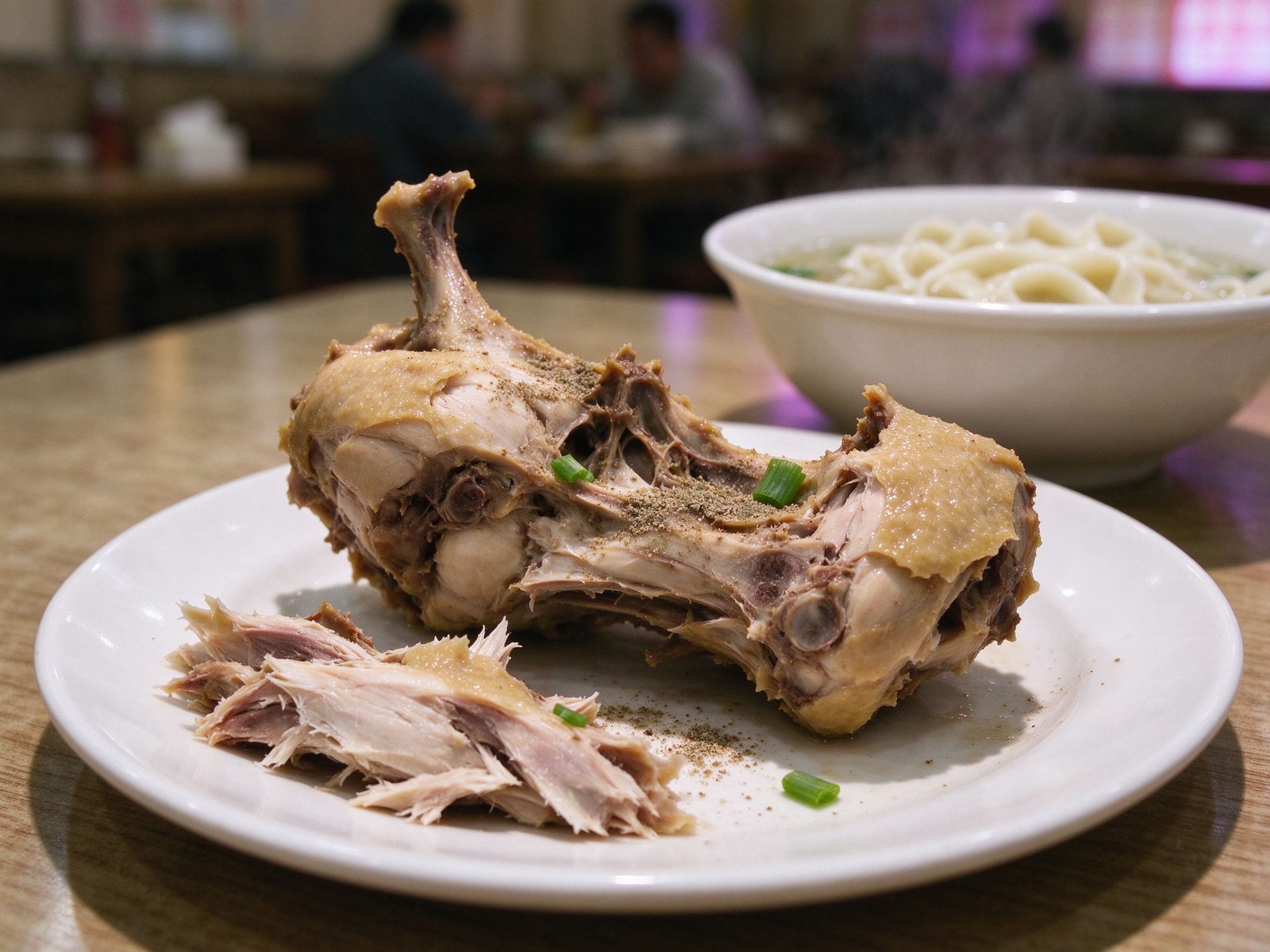
  4. Day 2 night: back to the city; old-site chicken rack (jijia) with hand-pulled noodles, or Taiyuan Street for a slower dinner

For culture travelers who want the Qing tomb gardens and the Hongshan-jade provincial collection in the same trip.

3-day

3-day depth: Incident history + slow food streets

  1. Day 1: Mukden Palace → Zhongjie → Zhang residence & Financial Museum → Xita night
  2. Day 2: Beiling Park & Zhao Mausoleum morning → Liaoning Provincial Museum afternoon → chicken-rack dinner
  3. Day 3 morning: September 18th History Museum (Dadong District, free, Tue–Sun 9:00–17:00, closed Monday) near the Liutiao Lake site; allow 2–3 hours, somber subject matter
  4. Day 3 midday: back to Zhongjie for Bulaolin candy, Zhongjie Daguo ice cream and vacuum-packed sausages as gifts; leave early—Metro Line 2 runs to Taoxian Airport

Adds the memorial museum of the 1931 Mukden Incident, a slower read of Zhongjie brands, and a relaxed departure buffer.

6

Food & what to buy

Eat where Shenyang workers queue: boiled chicken rack (jijia) with hand-pulled noodles, Laobian dumplings on Zhongjie, Xita cold noodles and tabletop Korean BBQ. For souvenirs, buy sealed Bulaolin candy, Zhongjie Daguo ice cream bars and vacuum-packed local sausages you will actually eat. Skip the souvenir boxes stacked at Mukden Palace exit stalls—markup peaks where tour coaches unload.

  • Jijia (chicken rack) with hand-pulled noodles—Shenyang's working-class ritual; boiled with salt and pepper at old shops like Laosiji. It is a meal, not a snack—order a rack plus mian.
  • Laobian dumplings (老边饺子, est. 1829)—the Zhongjie flagship; try the soup-filled boiled style. Eat in-store; takeout skins go soggy.
  • Xita cold noodles (冷面)—buckwheat noodles in iced broth at Chaoxianzu restaurants; order a plate of pork belly BBQ alongside. Best for dinner, closed late-morning.
  • Zhongjie Daguo (中街大果) ice cream bars—the street-side cold-storage staple; grab one walking Zhongjie, no souvenir box needed.
  • Bulaolin candy (不老林糖)—sealed nut-candy packs; compare price per 500 g, not per box. A light, true Shenyang gift.
  • Local sausages (Kelagusi-style 克拉古斯) and Xita-market kimchi—buy vacuum-sealed sausages from deli counters; kimchi by the box at Xita's morning market, check the date label.
7

Getting there & tips

Best time: May–June and September–October are best—mild, dry, green. Winter (Dec–Feb) is off-peak and cheap but brutally cold; palace hours shrink to 9:00–16:30. The Beiling spring flower festival runs April–May. · Humid continental monsoon: short, warm summers (up to 30°C+), long, dry, very cold winters (−10 to −20°C), spring dust and early autumn as the comfort window.

Metro is the spine: 6 lines (1/2/3/4/9/10), ~218 km. Line 1 stops at Zhongjie (Mukden Palace), Shenyang Station and Xita (Korean food street); Line 2 serves Beiling Park Station, the Provincial Museum (Hunnan) and runs to Taoxian Airport. Line 1 first train ~5:30, last ~23:00. Didi is cheap for short hops. Taoxian Airport (SHE) connects to the city centre via Metro Line 2's southern extension (~1 h). Shenyangbei (North HSR) = Metro Lines 2 and 4; Shenyang Station (conventional + some HSR) = Line 1. Late arrivals after ~23:00 need a taxi/Didi into town.

Shenyang visitor handbook

Payments

Chain stores, the metro and malls take Alipay/WeChat with a bound foreign card, but old dumpling counters, chicken-rack stalls and Xita small restaurants still prefer cash. Keep ¥200–400 small notes; for taxis, show the driver your Chinese destination text from the map app.

Mondays & last-entry traps

Mukden Palace, Zhang residence, Liaoning Museum and the 918 Museum are all closed Mondays (except statutory holidays). Mukden Palace stops entry at 15:45 in winter (Oct 11–Apr 9) and 16:15 in summer—do not plan the palace for a late afternoon. Free museums still want your passport/ID at the gate.

Winter cold and layered dress

December–February runs roughly −10 to −20°C outdoors with strong central heating indoors—a coat you take off the moment you step inside. Wear thermal layers, non-slip boots (sidewalks ice over) and keep hands free for the security checks.

Etiquette at memorial sites

The September 18th History Museum is a war memorial—no playful selfies, no raised voices, and treat the air-raid-siren moment every 9/18 seriously. At Mukden Palace and the tombs, flash photography inside halls is prohibited; ask before photographing staff or worshippers at the pagoda temples.

ID & security checks

Carry your passport at all times: free museums run real-name entry (918 Museum, Liaoning Museum), and the ¥88 three-museum combo is checked by swiping the ID used to buy. Bag checks are standard at all sights; keep liquids to a minimum.

Bath-house (xiyu) culture

Shenyang's signature social ritual is a half-day at a bath complex (洗浴中心): scrub, sauna, hot pools, then a meal and rest hall. Ticket from ~¥169–360 at major resorts; bring your own swimsuit for pool zones and budget 4–6 hours—it is an afternoon, not a pit stop.

Getting around

Metro is the spine: 6 lines (1/2/3/4/9/10), ~218 km.

Navigation

Line 1 stops at Zhongjie (Mukden Palace), Shenyang Station and Xita (Korean food street); Line 2 serves Beiling Park Station, the Provincial Museum (Hunnan) and runs to Taoxian Airport.

Pay

Metro, stalls, and rides mostly take Alipay or WeChat. Set up Alipay with a foreign card before you land.

Show this

Show the Chinese name “沈阳” to drivers and staff. It beats a long English explanation.

MetroMetro is the spine: 6 lines (1/2/3/4/9/10), ~218 km. Line 1 stops at Zhongjie (Mukden Palace), Shenyang Station and Xita (Korean food street); Line 2 serves Beiling Park Station, the Provincial Museum (Hunnan) and runs to Taoxian Airport. Line 1 first train ~5:30, last ~23:00. Didi is cheap for short hops. Taoxian Airport (SHE) connects to the city centre via Metro Line 2's southern extension (~1 h). Shenyangbei (North HSR) = Metro Lines 2 and 4; Shenyang Station (conventional + some HSR) = Line 1. Late arrivals after ~23:00 need a taxi/Didi into town.
BusCity buses serve the area, but routes change. Use Amap/Baidu for the live stop and last bus near Shenyang.
Taxi / DidiDidi or a licensed taxi is the simplest door-to-door. Set destination to “沈阳” and pay in-app with Alipay/WeChat.

Shenyang hotels, transfers & popular bookings

Book tickets, transfers, and popular tours via partners first — then request deeper local experiences through ChinaPie.

Disclosure: Some links are affiliate links. ChinaPie may earn a commission on eligible bookings at no extra cost to you.

Prices shown are planning references only. Actual rates fluctuate with season, holidays, demand, and partner promotions — the price at checkout on the booking site is authoritative.

8

Shenyang FAQ & next step

Conversion stays soft — clear next steps: plan or request.

Is Shenyang safe for tourists?

Yes for typical tourist areas. Keep phones and bags secure on metro and in crowded night spots; use licensed taxis or Didi.

Do I need a visa to visit Shenyang?

Depends on your passport. Check ChinaPie Plan & Prep → Visa for 30-day visa-free and 240-hour transit options before booking.

Can I use Alipay in Shenyang?

Yes—foreigners can set up Alipay with passport + international card. See /prep/alipay-setup for the step-by-step guide.

Is Mukden Palace worth visiting if I have already seen Beijing's Forbidden City?

Yes—it is a different building typology. Smaller (about one-tenth the size) but unique: Manchu Eight-Banners layout, the octagonal tent-style Dazheng Hall, and the 1625–1644 early-Qing court before the move to Beijing. Summer hours 8:30–17:00, winter 9:00–16:30 with last entry 15:45; closed Mondays. Palace ticket about ¥50, or buy the ¥88 three-museum combo covering the palace, Zhang residence and Financial Museum.

Do Shenyang museums need advance reservations, and when are they closed?

Mukden Palace and Zhang residence sell online tickets and are closed Mondays (except holidays); Mukden Palace stops entry early (15:45 winter, 16:15 summer). The Liaoning Provincial Museum and the September 18th History Museum are free—Liaoning Museum currently runs walk-in entry (Tue–Sun 9:00–17:00), and the 918 Museum is free with your ID/passport, also closed Mondays. Carry your passport for real-name entry at free sites.

How cold is a winter trip to Shenyang, and does winter still work for sightseeing?

December–February runs roughly −10 to −20°C outdoors, with strong central heating indoors—layer up and wear non-slip boots. It works for sightseeing: off-peak crowds and cheaper stays, but palace hours shrink to 9:00–16:30 (last entry 15:45) and Beiling's mausoleum precinct closes early. The upside is Shenyang's bath-house (xiyu) culture and Xita hot food in the cold.

What is Xita, and why should I eat dinner there?

Xita (West Pagoda) is China's largest Korean-Chinese (Chaoxianzu) community, centered on the 17th-century Yanshou Temple near Metro Line 1's Xita Station. The cold noodles in iced buckwheat broth, tabletop barbecue and kimchi here are the daily food of a borderland community, not tourist Korean food. Go for dinner—most shops open late morning and run late into the night.

Which countries are visa-free for China in 2026?

China offers unilateral visa-free entry to 40+ countries including France, Germany, UK, Japan, South Korea, Singapore, Malaysia, Thailand, Italy, Spain, Netherlands, Switzerland, Sweden, Norway, Denmark, Finland, Belgium, Austria, Ireland, Portugal, Greece, and more. Stay: up to 30 days. IMPORTANT: US passport holders are NOT on the unilateral visa-free list and need a visa. Check latest list at China Immigration official site before travel.

How many days do I need in Shenyang?

Most first-timers do well with 1–3 days. Start with the 1-day core: palace, mansion, Xita, then expand to 2–3 days if you want slower food and culture. Use Plan this city to turn stops into a workable week.

Can I pay with a foreign card in Shenyang?

Foreign cards work more often via Alipay / WeChat Pay tourist modes and some metro apps, but coverage still varies by merchant. Keep a small cash float and set payment apps up before peak sightseeing. See the practical section on this hub for city-specific notes.

Plan this city
ShenyangCity hub
Plan