Shangri-La

Shangri-La · 香格里拉

Shangri-La Travel Guide

Shangri-La is where a fictional paradise became a real Tibetan town: Jiantang, the 3,300m Tea-Horse trading seat, rebuilt after fire, ringed by Gelug monasteries and the alpine lakes of the Three Parallel Rivers World Heritage site.

First-time Tibetan-cultural travelers landing on the plateau for 2-3 nightsCulture travelers into Gelug monasteries, kora circuits, and living Tibetan festivalsNature travelers adding Potatso National Park and Napa Hai wetland to a Yunnan loopSlow travelers who prefer old-town guesthouses over coach-bus sightseeing
ScenicHistory & cultureFirst-time friendly
Plan this city
1

Why make a special trip

Shangri-La is where a fictional paradise became a real Tibetan town: Jiantang, the 3,300m Tea-Horse trading seat, rebuilt after fire, ringed by Gelug monasteries and the alpine lakes of the Three Parallel Rivers World Heritage site.

It is a living Tibetan trading town, not a themed resort

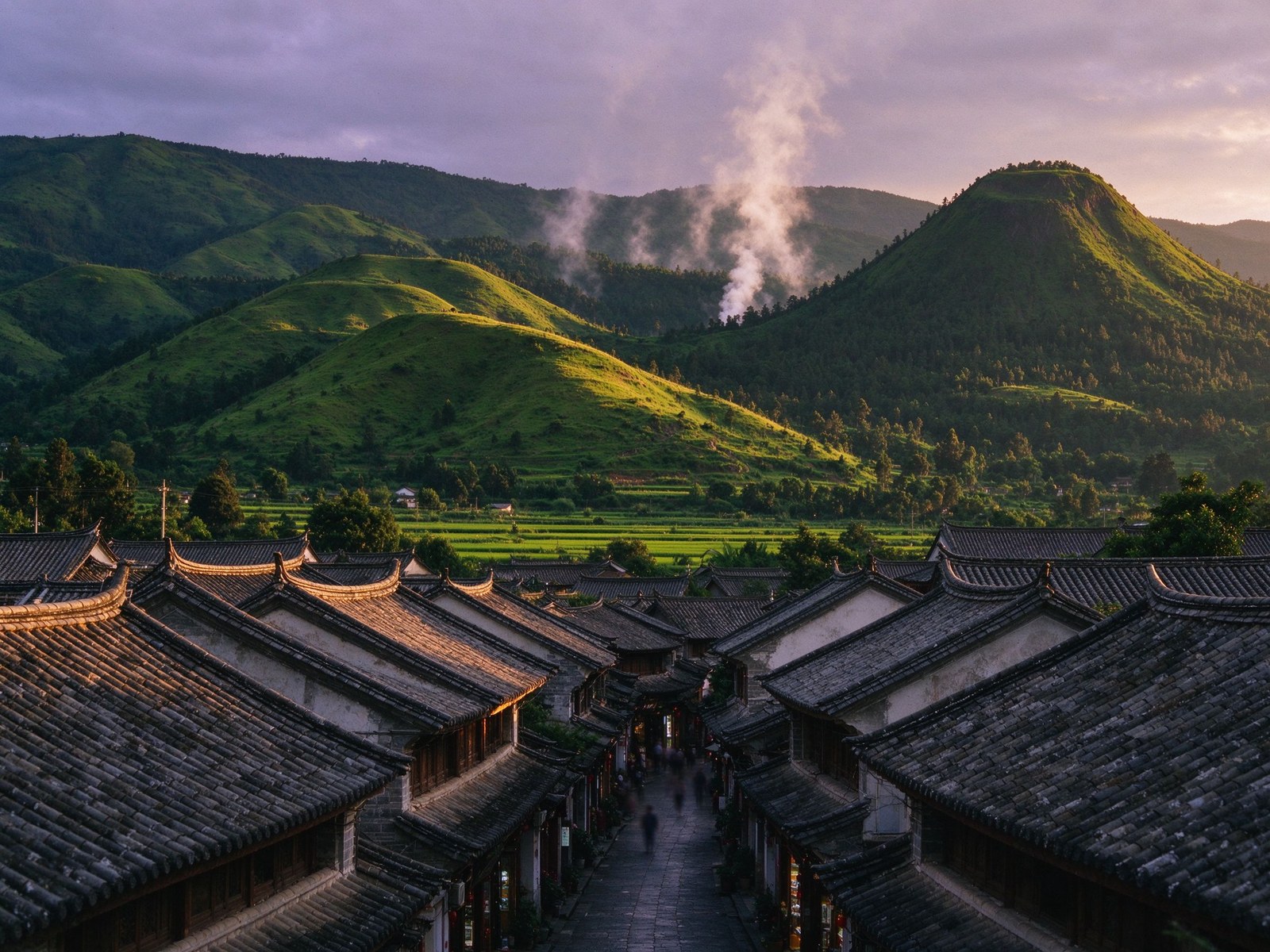
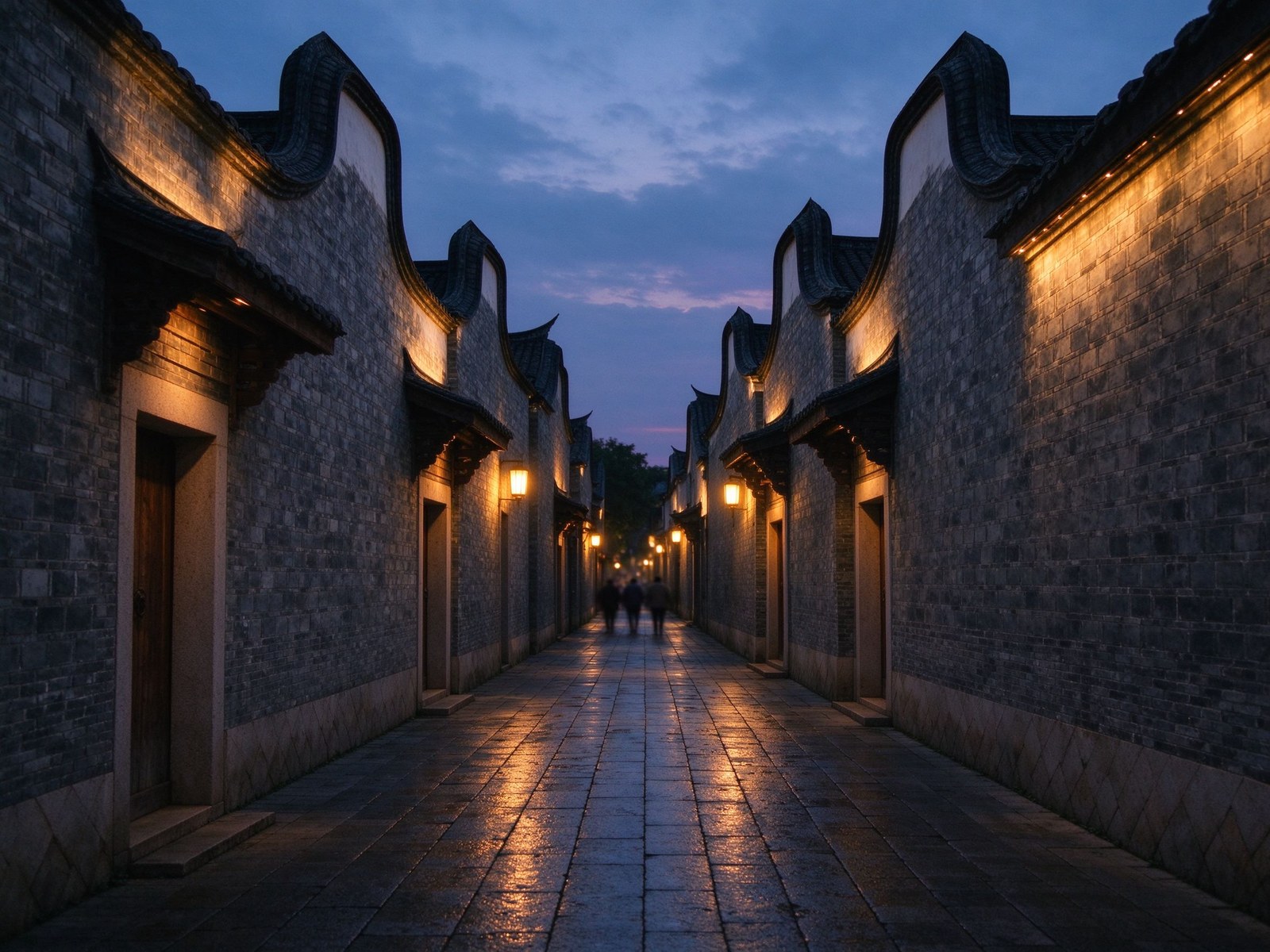
Dukezong has carried Tea-Horse caravans for 1,300 years; after the 2014 fire it was rebuilt on the same street grid. Start at Sifang Street at dusk and watch the Guozhuang circle dance—not staged, just locals.

Yunnan's largest Gelug monastery sits on the edge of town

Ganden Songzanlin, founded 1679, holds the 'Little Potala' silhouette at 3,300m. Walk the kora around Lamuyangcuo Lake first, then climb—read the eight Kangcan halls as the monastery's regional monk districts.

The national park at your doorstep is a UNESCO site inside

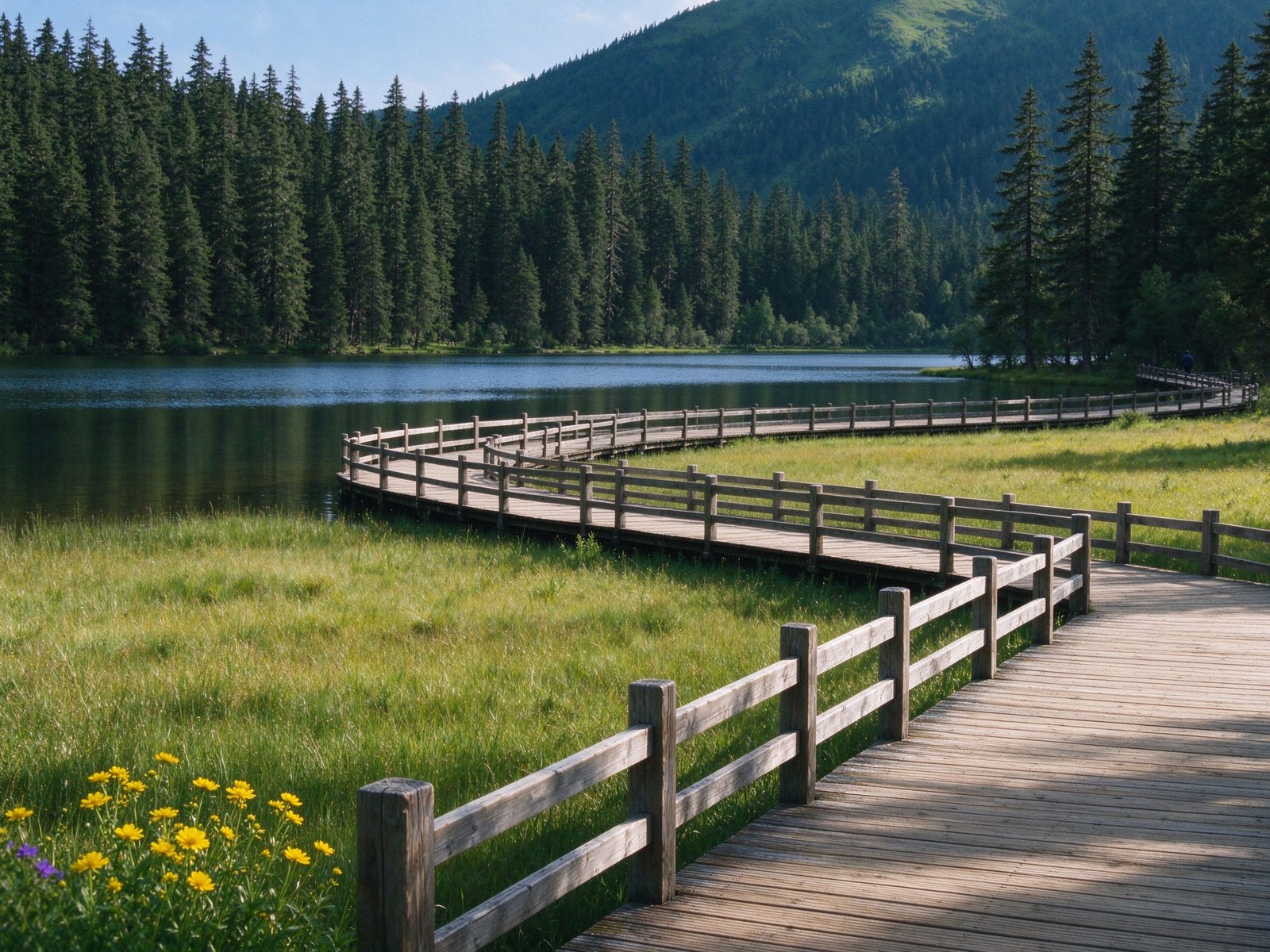
Potatso, 22km out, is China's first national park and sits in the Three Parallel Rivers World Heritage area: Shudu Lake at 3,595m, primeval fir forest, and Bitahai wetland—do the boardwalk, not a sprint.

2

Read the Tibetan town by kora: lake loop, old-town prayer wheel, park boardwalk

The city’s signature line — depth entry, not a checklist.

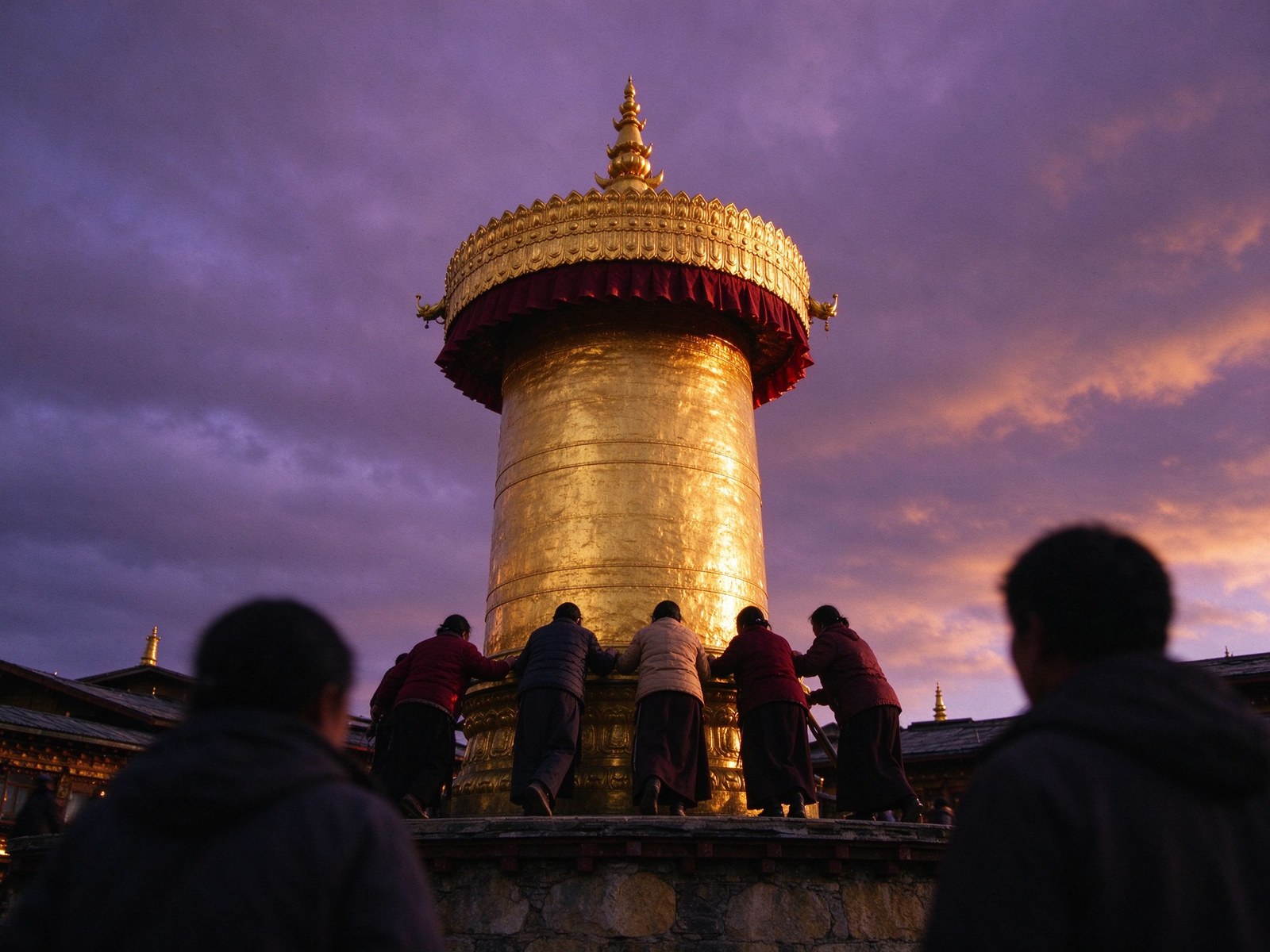
The signature Shangri-La day: circle Lamuyangcuo Lake at Songzanlin first light, climb the monastery halls, then descend into Dukezong Old Town and push the 21m, 60-tonne Guishan prayer wheel clockwise three turns with strangers. It turns the place from a guidebook word into a practice: clockwise, slow, shared.

Related sight detail
3

Bookable experiences

ChinaPie’s main shelf — add to trip or request a slot.

Experience inventory is still growing — plan with routes & culture, or request a study day.

4

Sights & culture

Beyond ticket notes — read the city’s character first.

How a Hilton novel named a Chinese county

James Hilton's 1933 novel Lost Horizon imagined 'Shangri-La' in the Himalayas; in 2001 Zhongdian County took the name Shangri-La, and it became a county-level city in 2014. The real Jiantang town it names was a Tibetan Tea-Horse caravan seat long before the novel—read the naming as branding grafted onto a living town.

Songzanlin: eight Kangcan monk districts on one hillside

Founded in 1679 by the 5th Dalai Lama, the Gelug monastery organizes monks by home region into eight Kangcan halls—Dukang, Rongba, Xiangcheng, Zhaya, Dongwang, Naxi, Yangtang and Jidi. When you climb the hill, the spread of flat-roofed halls is not random: it is a map of where Yunnan's Tibetan monks came from.

Dukezong: the fire, the rebuild, the same grid

On 11 January 2014 a fire starting in a guesthouse destroyed 246 households and 343 buildings of the old Tibetan town; reconstruction followed the original street layout. Much of the stone lane you walk today is new timber on an old grid—authentic craft, rebuilt town, not untouched antiquity.

Three Parallel Rivers: why the plateau lake belongs to a global list

UNESCO inscribed the Three Parallel Rivers (1.7 million hectares) in 2003 under criteria (vii)-(x): the Jinsha, Lancang and Nu rivers run roughly parallel through gorges up to 3,000m deep. Potatso's Bitahai and Shudu lakes sit inside that serial site—the reason the park protects what it looks like.

Black-necked cranes and a lake that changes season

Napa Hai at 3,260m is a wetland that floods broad in summer and withdraws to grassland in winter; the winter pull is the black-necked crane, a high-altitude crane that winters here. Respect the reserve fence and the paid horse-riding enclosures—view from the ring road for free.

5

1–3 day routes

Executable skeletons: 1-day essence, 2-day dual-store study, 3-day with Shenhou porcelain.

1-day

1-day essence: monastery outer loop + old-town night

  1. Morning: Songzanlin outer kora around Lamuyangcuo Lake, then the halls (book the 90 yuan combined ticket via the official WeChat account the night before)
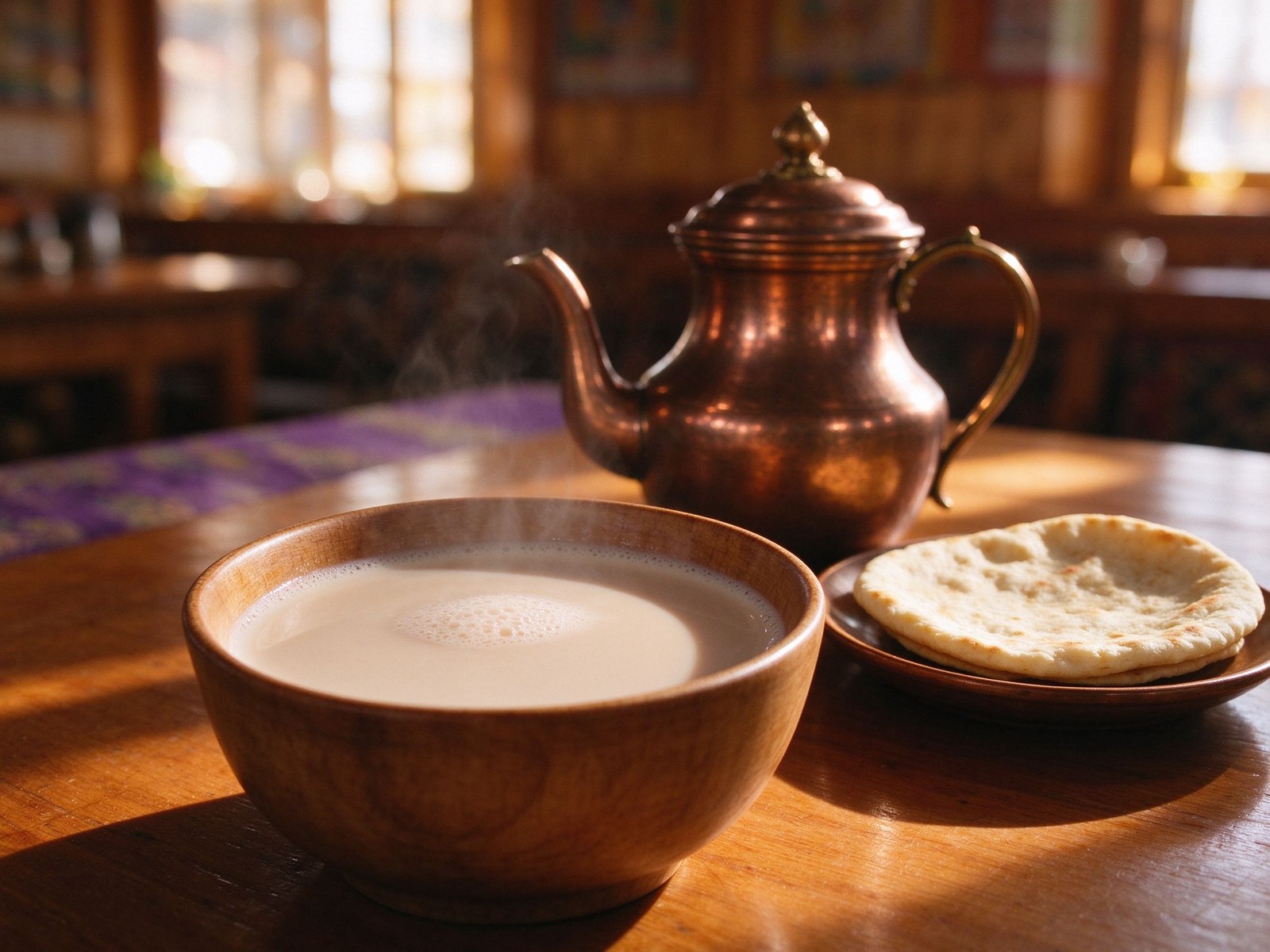
  2. Midday: back to town for Tibetan noodles or yak-butter tea; rest during the two coldest UV hours
  3. Afternoon: Dukezong Old Town lanes—stone streets rebuilt after the 2014 fire
  4. Evening: climb Guishan Park steps, push the 21m prayer wheel clockwise three turns, then Guozhuang circle dance at Sifang Street

For travelers who arrived today. The town sits at 3,300m—keep day one gentle and skip alcohol.

2-day

2-day loop: add Potatso National Park

  1. Day 1 morning: Songzanlin monastery, outer kora first
  2. Day 1 afternoon: Dukezong lanes, Guishan prayer wheel at sunset, Guozhuang dance at Sifang Street
  3. Day 2 early: take the 08:00 or 08:30 direct bus from Shangri-La passenger station to Potatso (about 30 min)
  4. Day 2 midday: Shudu Lake boardwalk at 3,595m—fir forest, meadow, do not run
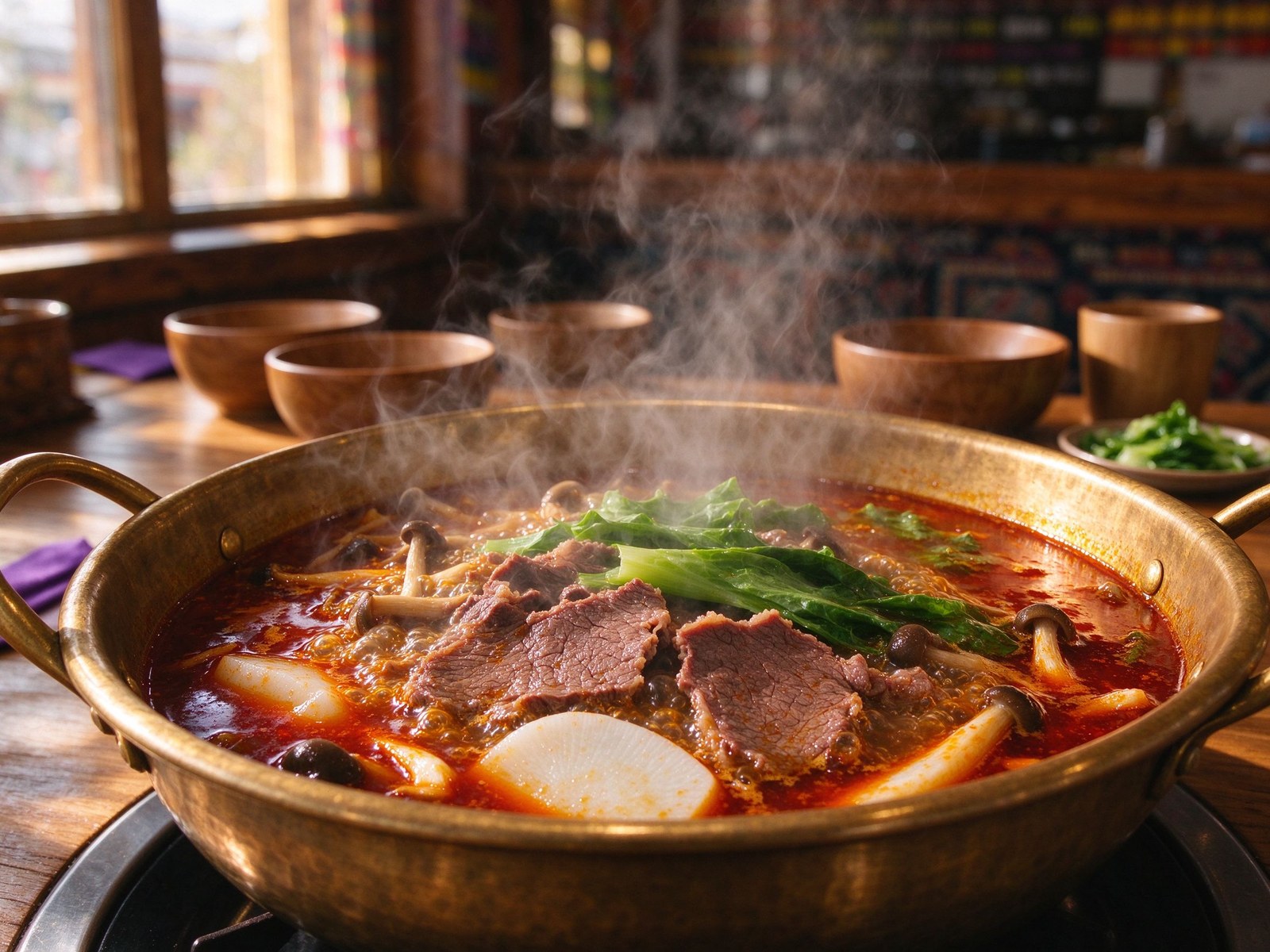
  5. Day 2 afternoon: return bus 14:00-16:30 window; back in town for yak hot pot

For travelers acclimatised after night one. The park is a half-day minimum; take the earliest bus.

3-day

3-day depth: add Napa Hai wetland and the Upper Gorge

  1. Day 1: Songzanlin kora and halls, then Dukezong old-town night with the Guishan prayer wheel
  2. Day 2: Potatso National Park—Shudu Lake boardwalk, fir forest, back for yak hot pot
  3. Day 3 morning: loop Napa Hai by car or bike—free roadside viewpoints, black-necked crane reserve in winter
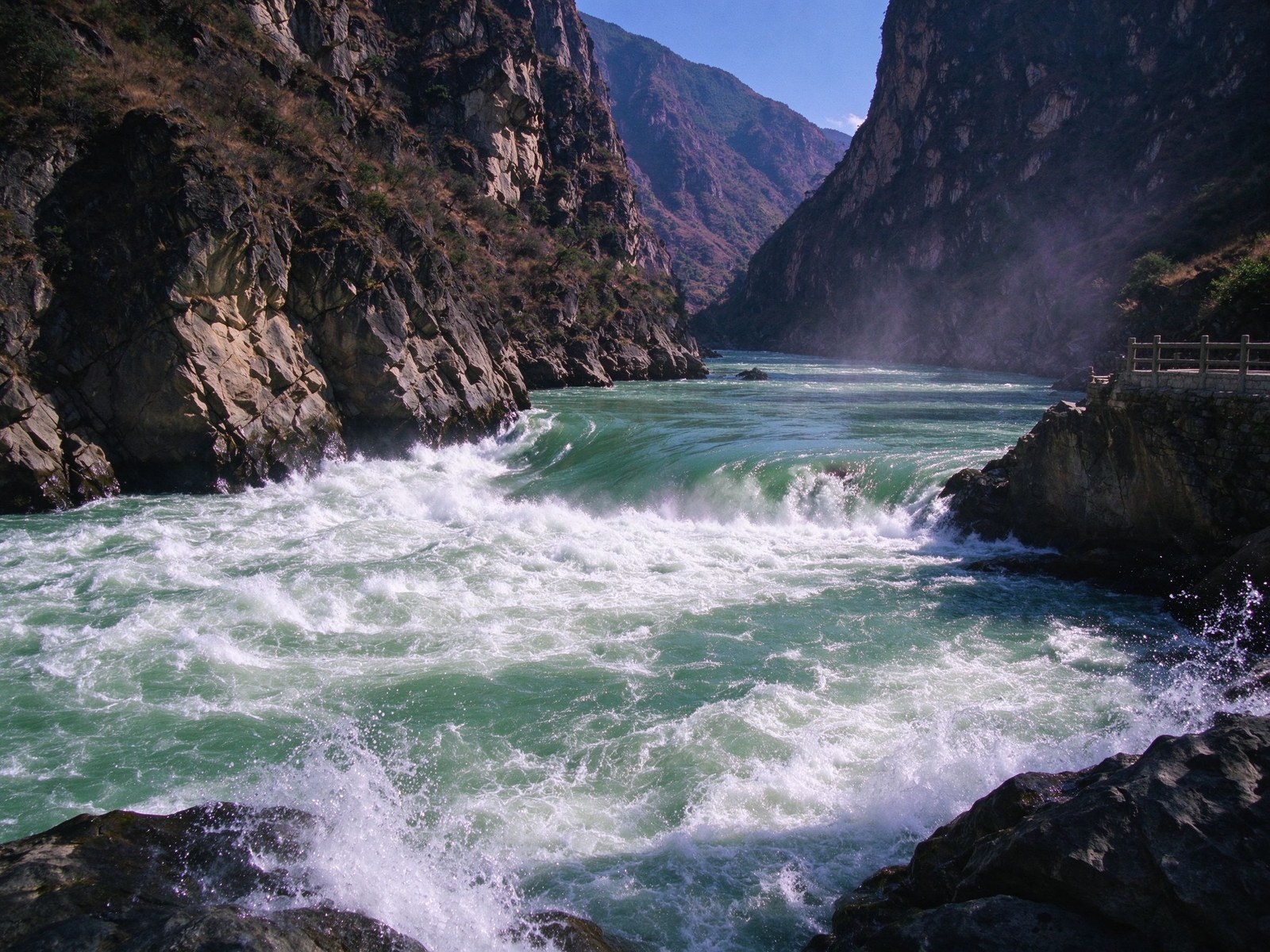
  4. Day 3 midday: drive toward Tiger Leaping Gorge Upper (Shangri-La side) boardwalk for a half-day, or keep it short if catching an evening train

For travelers who want the plateau wetland and the Yangtze gorge on top of the town-and-park loop.

6

Food & what to buy

Eat where the Tibetans eat: yak hot pot and butter tea for warmth, highland barley cakes for the carbs that actually stick. Old-town gate restaurants price for the photo; walk one lane back and the same yak meat costs less. Skip anything sold as 'exclusive altitude medicine'—there is no such thing.

  • Yak jerky in vacuum packs: compare the lean-to-fat ratio; it is a daily regional food, not a luxury—resist the 'plateau premium' sticker.
  • Butter tea in bricks or pouches: smell it first; rancid butter fat is a real risk at altitude—buy where locals shop, not at the old-town gate.
  • Highland barley products (barley cakes, barley wine): light and travel-friendly; taste the barley wine before buying by the bottle.
  • Tibetan incense: buy hand-rolled sticks from shops that show the ingredients; machine-made tourist incense smells uniformly chemical.
  • Thangka: ask who painted it and see the pigments; mass-printed scrolls are not thangka—price reflects hand-lining time.
  • Matsutake (summer only, roughly July-September): buy from weighed stalls with a receipt; out-of-season 'fresh matsutake' is either frozen or mislabeled.
  • Skip the 'three Xizang specialties' gift bundle at the old-town arch—markup is highest where coaches unload.
7

Getting there & tips

Best time: Apr-Jun and Sep-Nov: clear skies, comfortable walking days; winter adds black-necked cranes but is cold. · Plateau climate at 3,300m—strong sun by day, near-freezing nights year-round, summer showers; dry, crisp winters.

Dukezong Old Town is walkable inside; Songzanlin is ~5km / 15 min by taxi from town (the official operator page lists the route). Potatso has direct buses from Shangri-La passenger station at 08:00/08:30/09:30/10:00 (return 14:00-16:30, ~¥15 one way, ~30 min). Napa Hai is looped by road—free roadside viewpoints; paid horse-riding enclosures are separate. Taxis and Didi work in town; remote sights need a chartered car for the day. The Lijiang-Shangri-La railway opened 2023-11-26: Lijiang to Shangri-La runs as fast as ~1h10, Kunming as fast as ~4h30, ending Diqing's no-rail history. Diqing Shangri-La Airport (DIG) sits a few km from town with mainly Kunming links; the train is now the default arrival mode. Shangri-La Station to Dukezong old town is a short taxi ride.

Shangri-La visitor handbook

Payments

Chains and sights take Alipay/WeChat with foreign cards; keep ¥300-500 cash for night stalls, oxygen canisters (~¥30), and Tibetan teahouses. Songzanlin tickets go through the scenic-area WeChat account—set that up before arrival.

Altitude & health

The town sits at 3,300m—skipped: alcohol on day one, hot showers at night, and sprinting for trains. Potatso adds another 300-600m. Oxygen canisters are sold everywhere; if a headache persists or breathing gets hard, descend to Lijiang.

Crowds & timing

National Day (Oct 1-7) and July-August peak; winter (Nov-Mar) is cold, thin, and the black-necked crane season at Napa Hai. Book Songzanlin and Potatso slots the night before—they sell out on summer weekends.

Etiquette

Circumambulate monasteries, stupas and prayer wheels clockwise; no photos inside temple halls; hats and sunglasses off in the halls; do not point a finger at Buddha statues; step over—not on—doorways.

Safety & practical

UV is strong at 3,300m—sunscreen, hat, lip balm. Nights are cold even in summer; carry a down layer. Rainy season (Jun-Sep) makes mountain roads slippery—prefer day trips in daylight; check the weather before Tiger Leaping Gorge.

Connectivity

Sort an eSIM before you land; roaming covers maps and messaging in town and on the main ring roads. Potatso inside the deep forest has patchy signal—download offline maps for the Shudu Lake boardwalk.

Getting around

Dukezong Old Town is walkable inside; Songzanlin is ~5km / 15 min by taxi from town (the official operator page lists the route).

Navigation

Potatso has direct buses from Shangri-La passenger station at 08:00/08:30/09:30/10:00 (return 14:00-16:30, ~¥15 one way, ~30 min).

Pay

Metro, stalls, and rides mostly take Alipay or WeChat. Set up Alipay with a foreign card before you land.

Show this

Show the Chinese name “香格里拉” to drivers and staff. It beats a long English explanation.

MetroIf there is no direct metro pin, ride metro to a central Shangri-La hub, then transfer by bus or Didi to Shangri-La.
BusDukezong Old Town is walkable inside; Songzanlin is ~5km / 15 min by taxi from town (the official operator page lists the route). Potatso has direct buses from Shangri-La passenger station at 08:00/08:30/09:30/10:00 (return 14:00-16:30, ~¥15 one way, ~30 min). Napa Hai is looped by road—free roadside viewpoints; paid horse-riding enclosures are separate. Taxis and Didi work in town; remote sights need a chartered car for the day. The Lijiang-Shangri-La railway opened 2023-11-26: Lijiang to Shangri-La runs as fast as ~1h10, Kunming as fast as ~4h30, ending Diqing's no-rail history. Diqing Shangri-La Airport (DIG) sits a few km from town with mainly Kunming links; the train is now the default arrival mode. Shangri-La Station to Dukezong old town is a short taxi ride.
Taxi / DidiDidi or a licensed taxi is the simplest door-to-door. Set destination to “香格里拉” and pay in-app with Alipay/WeChat.

Shangri-La hotels, transfers & popular bookings

Book tickets, transfers, and popular tours via partners first — then request deeper local experiences through ChinaPie.

Disclosure: Some links are affiliate links. ChinaPie may earn a commission on eligible bookings at no extra cost to you.

Prices shown are planning references only. Actual rates fluctuate with season, holidays, demand, and partner promotions — the price at checkout on the booking site is authoritative.

8

Shangri-La FAQ & next step

Conversion stays soft — clear next steps: plan or request.

Is Shangri-La safe for tourists?

Yes for typical tourist areas. Keep phones and bags secure on metro and in crowded night spots; use licensed taxis or Didi.

Do I need a visa to visit Shangri-La?

Depends on your passport. Check ChinaPie Plan & Prep → Visa for 30-day visa-free and 240-hour transit options before booking.

Can I use Alipay in Shangri-La?

Yes—foreigners can set up Alipay with passport + international card. See /prep/alipay-setup for the step-by-step guide.

Will altitude sickness hit me arriving in Shangri-La at 3,300m?

Many people feel the first-night effects—headache, short breath—at 3,300m. Skip alcohol and hot showers on day one, drink water, and walk slowly. Buy an oxygen canister (~¥30) if needed; Potatso adds another 300-600m, so acclimatise in town for a day first. If a headache persists, descend to Lijiang (1h10 by train).

How do I get from Lijiang to Shangri-La now?

The Lijiang-Shangri-La railway opened on 2023-11-26: Lijiang to Shangri-La runs as fast as ~1h10, and Kunming to Shangri-La as fast as ~4h30. The road (G214, ~3.5 hours from Lijiang) passes Tiger Leaping Gorge; choose the train for reliability, the road for the gorge stop.

Is Dukezong Old Town free to enter?

Walking the open lanes is free. The paid bits are the small Guishan Park temple (~¥3 with 3 incense sticks, by donation) and costume photo studios. The 21m, ~60-tonne Guishan prayer wheel itself is on the hilltop—push it clockwise three turns with the group.

What does the Potatso ¥138 ticket actually include?

Per the operator and the municipal price board: ¥138 = park entry ¥68 + in-park eco shuttle ¥70. The shuttle is the only way to move between the Shudu Lake and Bitahai districts. Boat rides, where open, are ~¥50 extra. Gates 08:00-16:30 year-round, adjusted by season.

Which countries are visa-free for China in 2026?

China offers unilateral visa-free entry to 40+ countries including France, Germany, UK, Japan, South Korea, Singapore, Malaysia, Thailand, Italy, Spain, Netherlands, Switzerland, Sweden, Norway, Denmark, Finland, Belgium, Austria, Ireland, Portugal, Greece, and more. Stay: up to 30 days. IMPORTANT: US passport holders are NOT on the unilateral visa-free list and need a visa. Check latest list at China Immigration official site before travel.

How many days do I need in Shangri-La?

Most first-timers do well with 1–3 days. Start with the 1-day essence: monastery outer loop + old-town night, then expand to 2–3 days if you want slower food and culture. Use Plan this city to turn stops into a workable week.

Can I pay with a foreign card in Shangri-La?

Foreign cards work more often via Alipay / WeChat Pay tourist modes and some metro apps, but coverage still varies by merchant. Keep a small cash float and set payment apps up before peak sightseeing. See the practical section on this hub for city-specific notes.


Plan this city
Shangri-LaCity hub
Plan