Tengchong

Tengchong · 腾冲

Tengchong Travel Guide

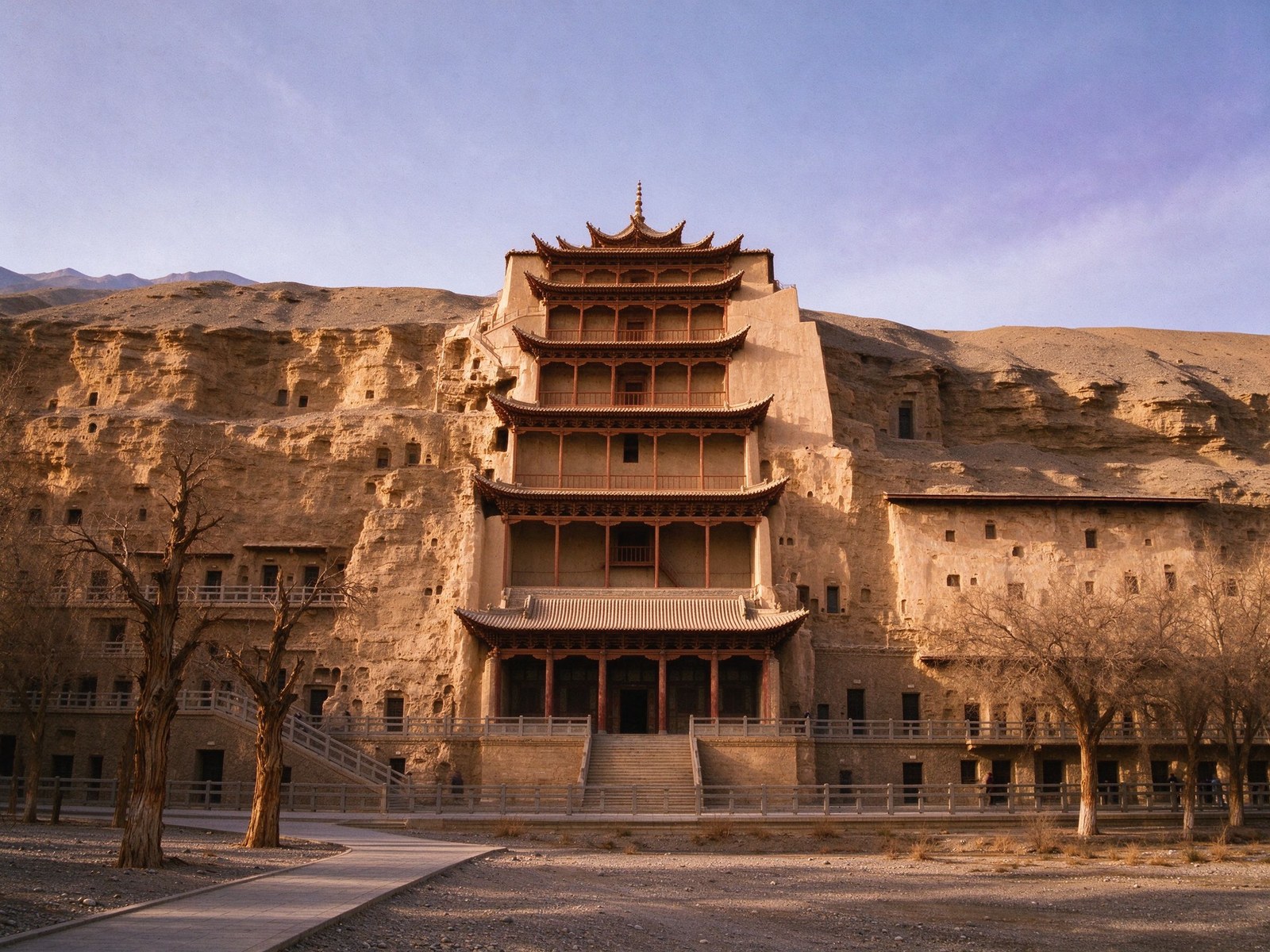
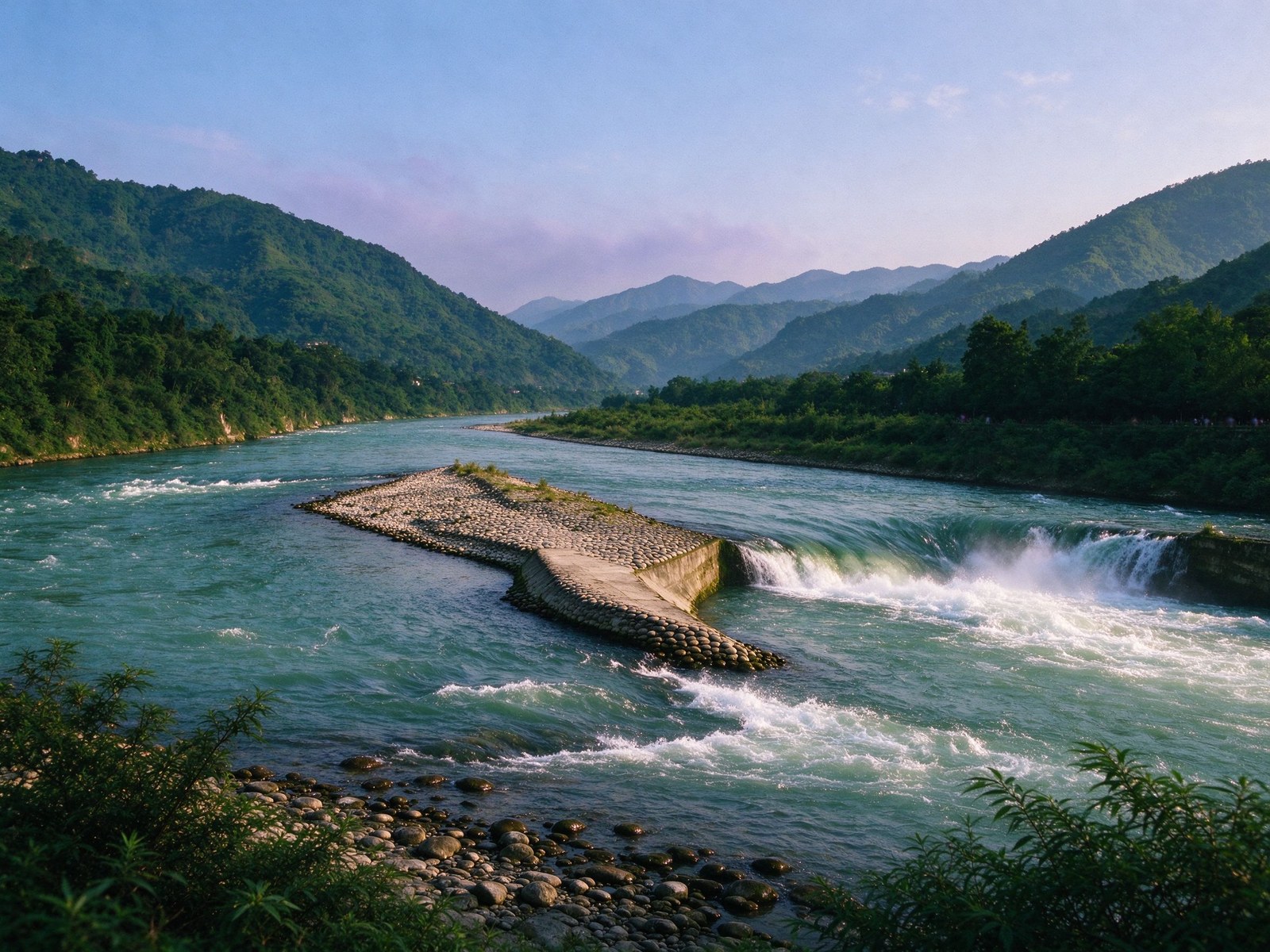
Tengchong is China's geothermal frontier on the Myanmar border: a county where 97 Quaternary volcanoes, a 96°C boiling pool you can cook eggs in, a 600-year-old overseas-Chinese canal town and a hillside cemetery for the 1944 Burma Counter-offensive all sit within a half-day drive.

Geology & hot-spring travelers chasing live volcanoes and sulfur soakingHistory travelers reading the 1944 Western Yunnan counter-offensive and the Burma RoadSlow-living travelers drawn to canal-side qiaoxiang lanes, rural library and Yunnan coffeeBorder-trade curious travelers interested in jade, amber and southern Silk Road ties
ScenicHistory & cultureFirst-time friendly
Plan this city
1

Why make a special trip

Tengchong is China's geothermal frontier on the Myanmar border: a county where 97 Quaternary volcanoes, a 96°C boiling pool you can cook eggs in, a 600-year-old overseas-Chinese canal town and a hillside cemetery for the 1944 Burma Counter-offensive all sit within a half-day drive.

You can stand inside a crater rim and boil eggs in a 96°C pool in the same trip

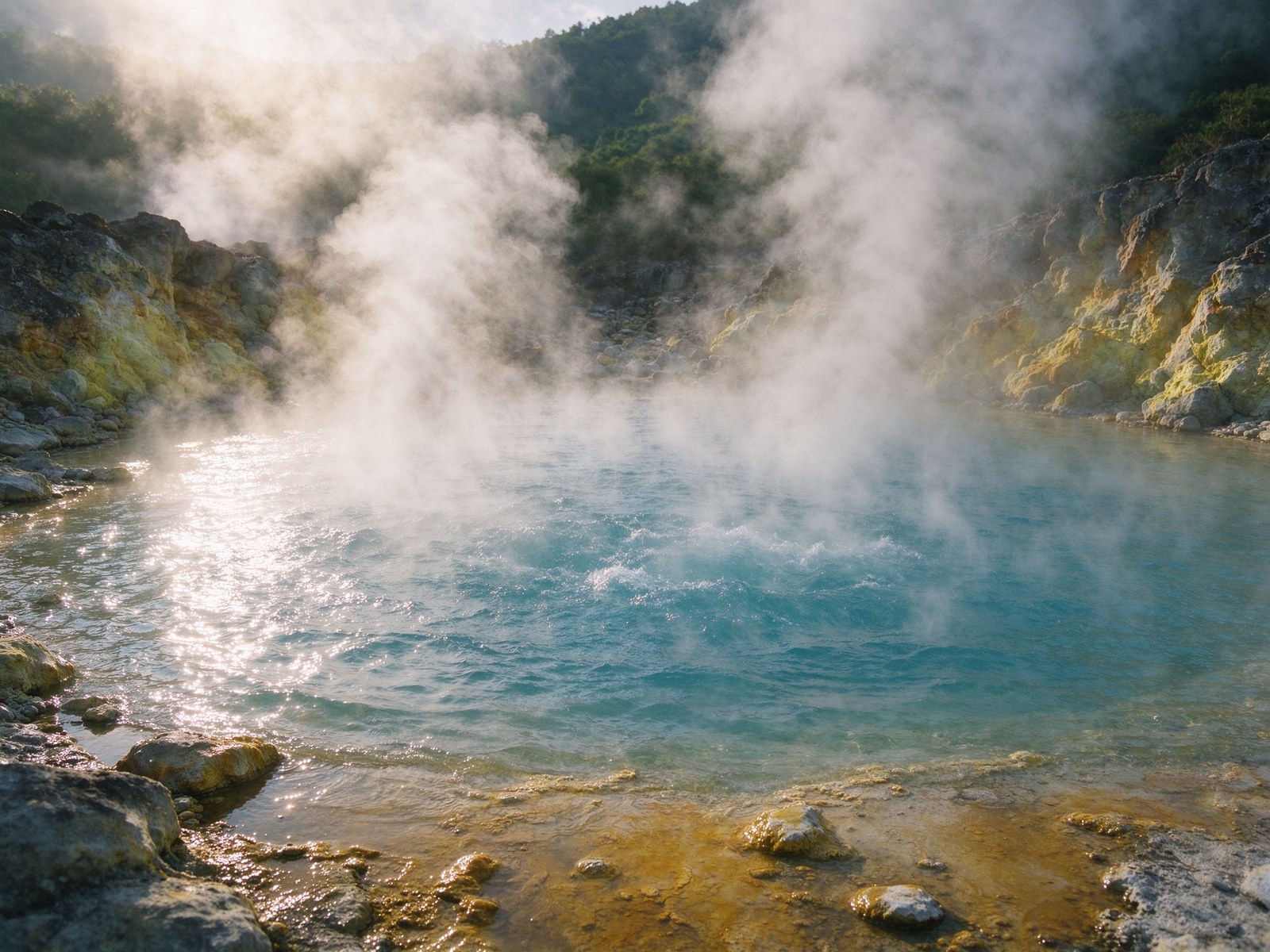
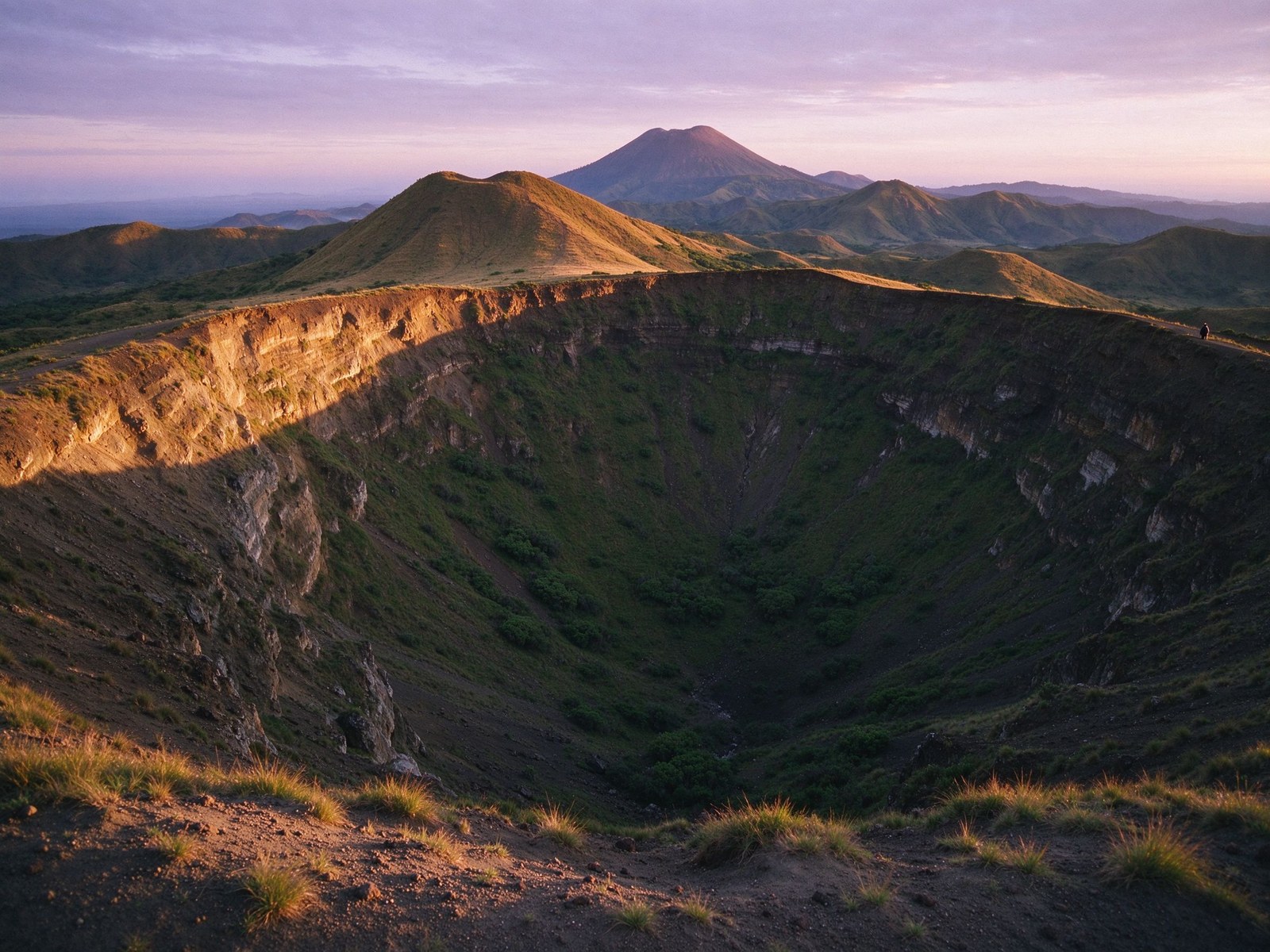
The Volcano Geopark's hollow cones let you climb onto the crater rim; Rehai's Big Boiling Pool holds near-boiling water where locals boil eggs to sell. Do the volcano cone in the cool morning, then soak at Rehai in the afternoon—geology and soaking on one ticket zone.

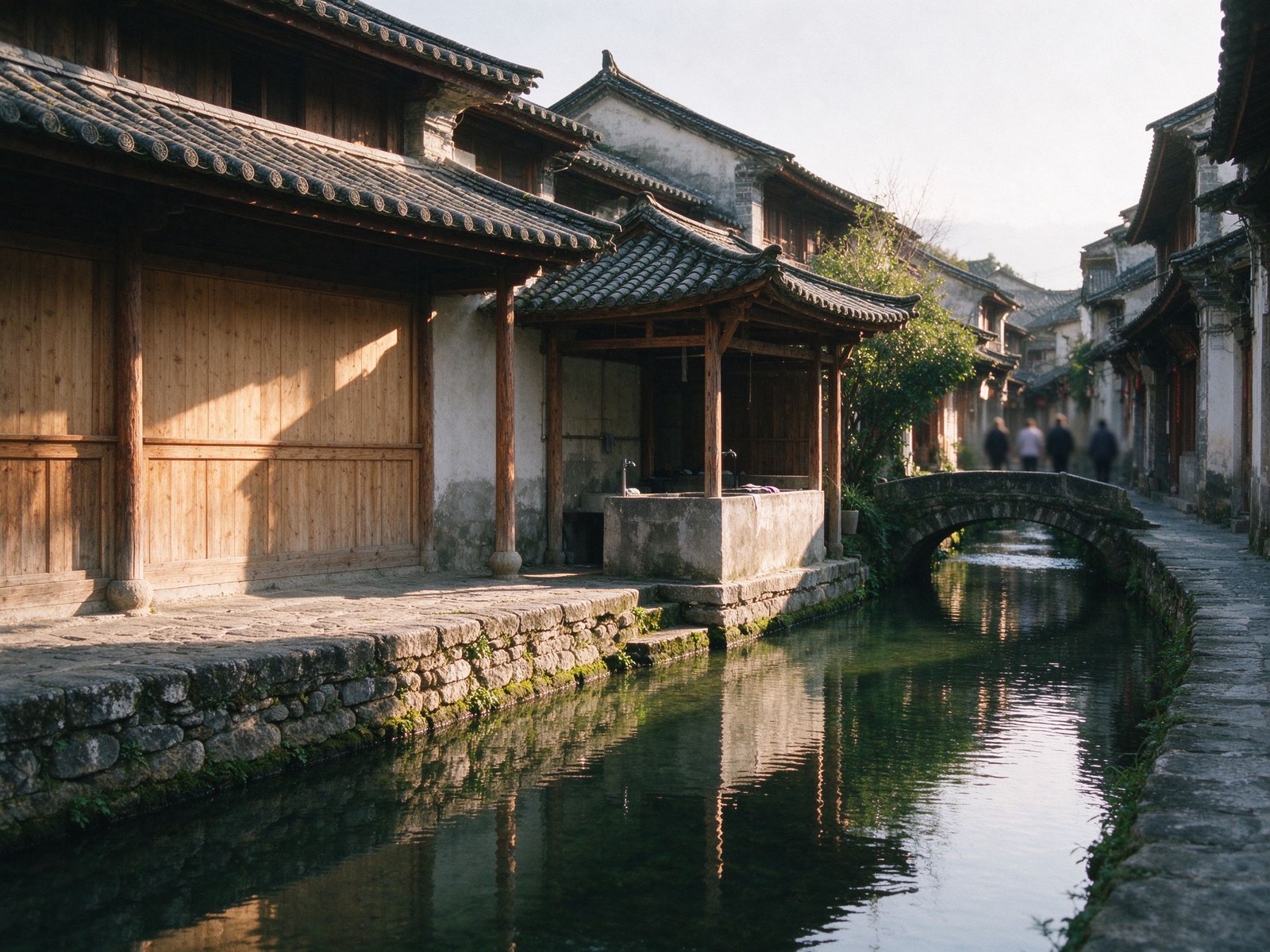
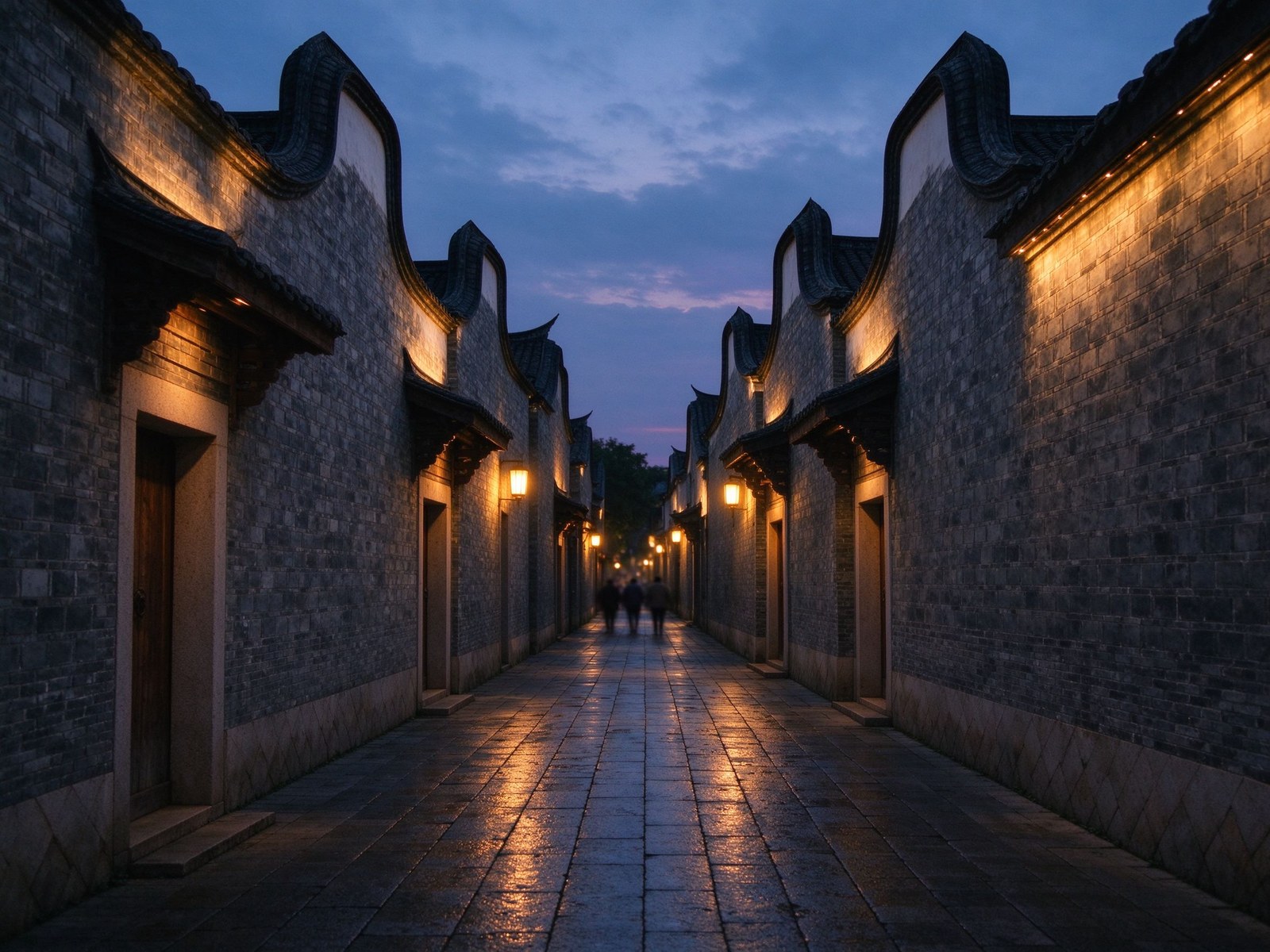
Heshun is a living 600-year-old overseas-Chinese town, not a film set

Canals, stone lanes, ancestral halls and China's oldest rural library still function. Wander the lanes free; the ¥55 one-ticket covers the hall, Ai Siqi's former residence and the museums, and is valid 7 days for re-entry.

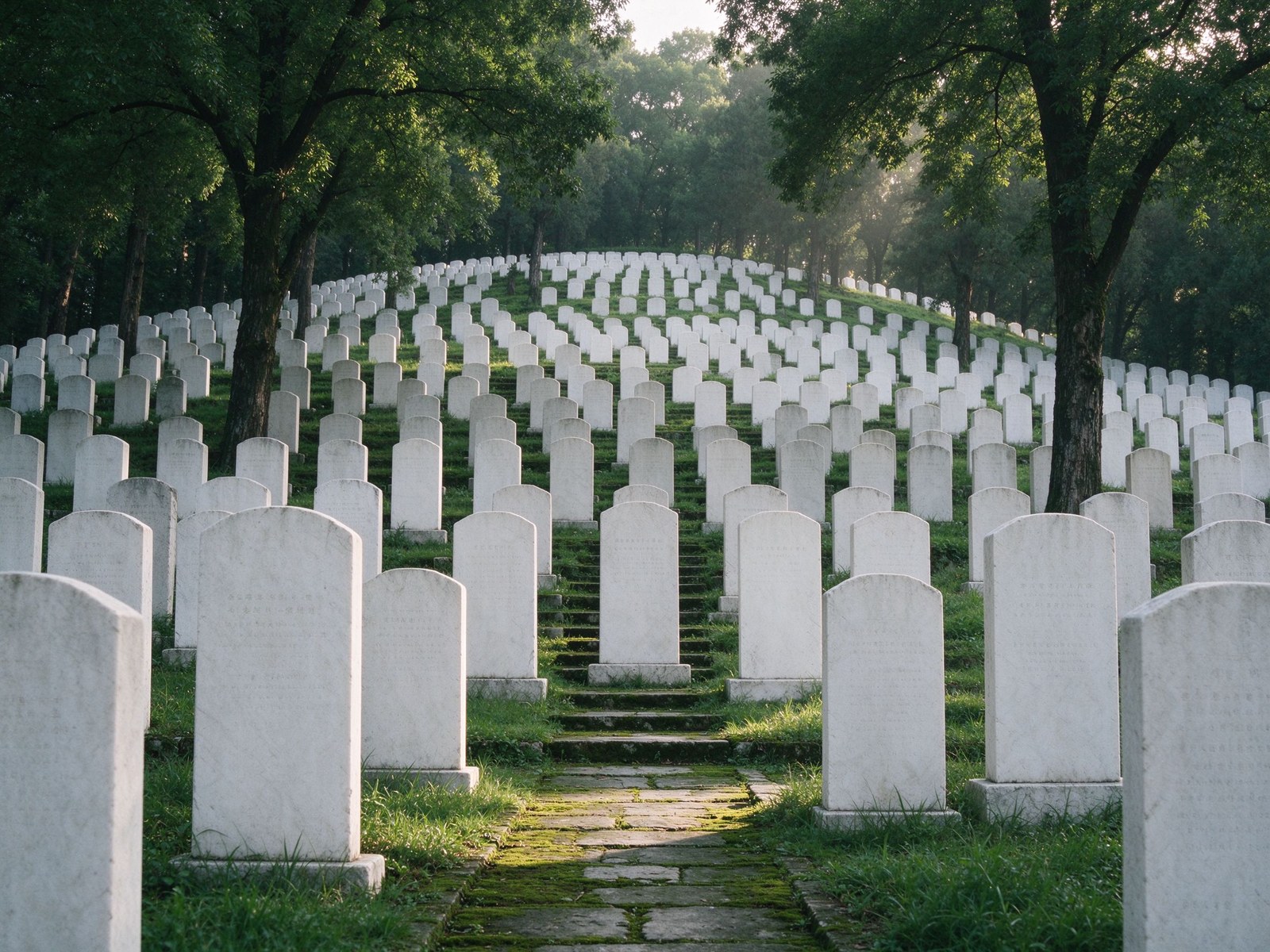
The hillside war cemetery makes the Burma War legible in one afternoon

White headstones climb Laifeng Mountain for the Chinese Expeditionary Force fallen in the 1944 Battle of Tengchong; next door the Memorial Hall lays out the Burma Road campaign in seven halls. Free, closed Mondays—dress quietly and give it half a day.

2

Volcano rim at dawn, boiling-pot eggs at noon, canal lanes at dusk

The city’s signature line — depth entry, not a checklist.

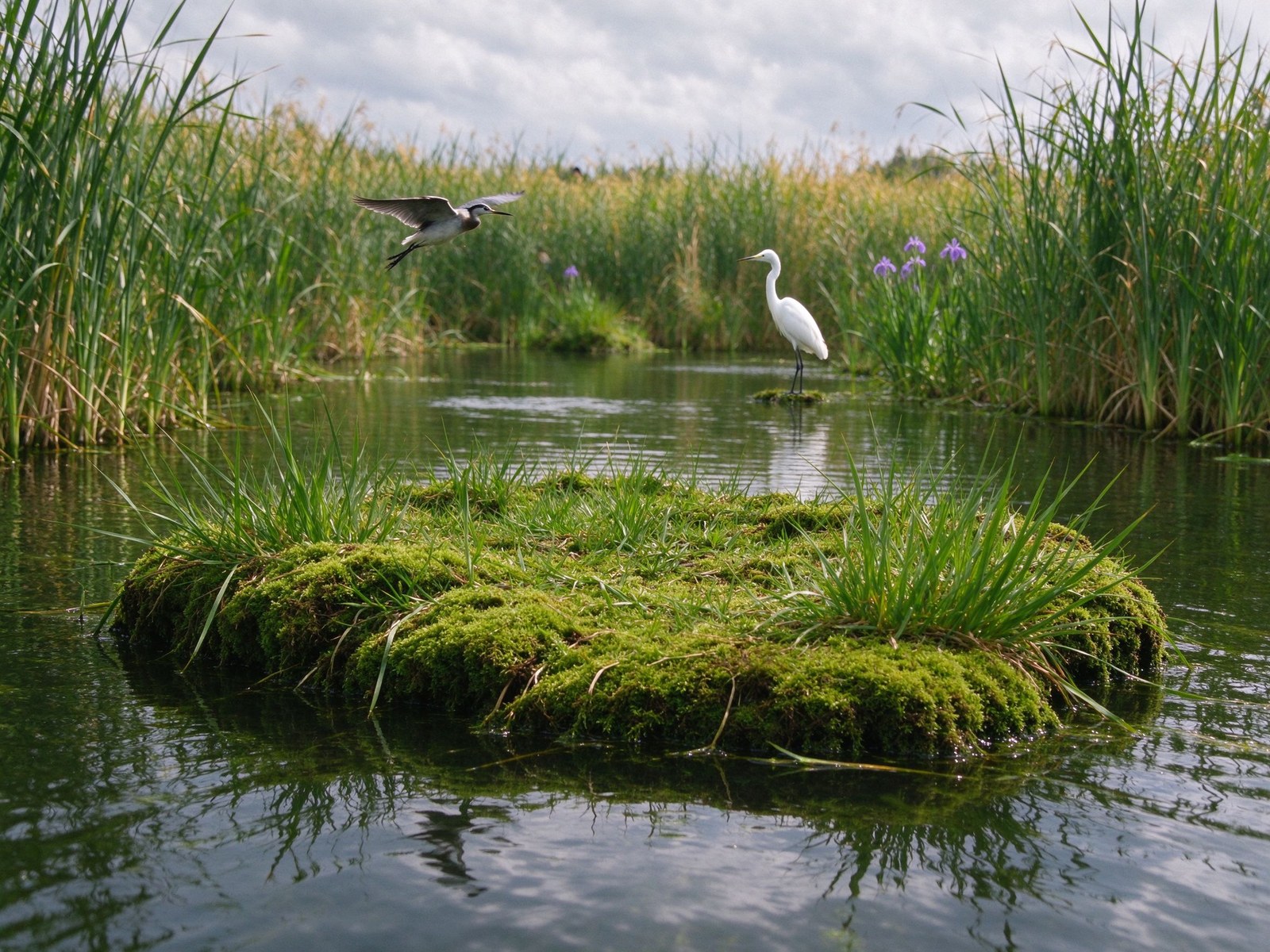
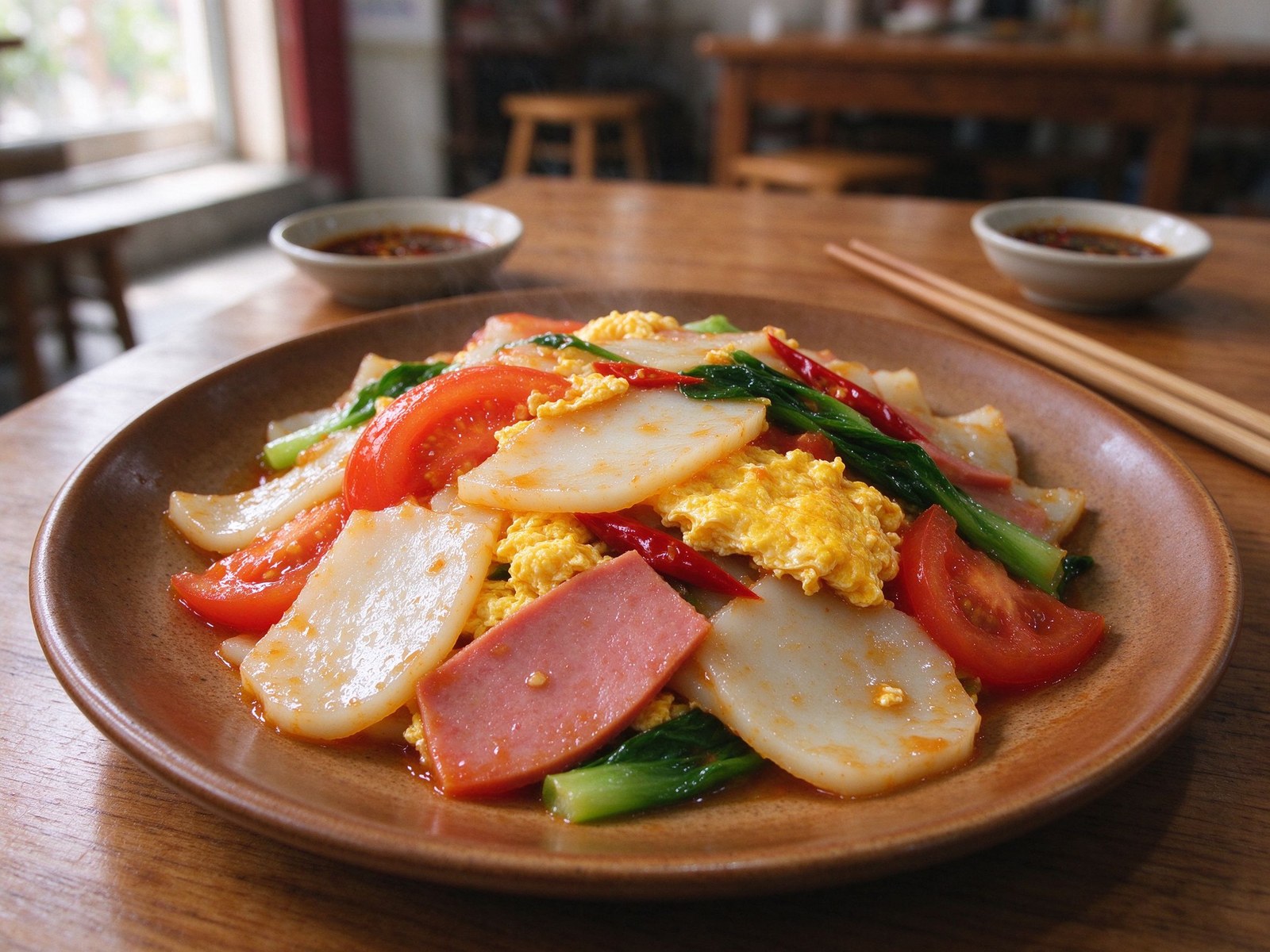
The signature Tengchong sequence: an early morning at the Volcano Geopark climbing the hollow cones (add the dawn hot-air balloon in good weather), a late morning at Rehai circling the steaming Big Boiling Pool and Pearl Spring, an afternoon reading the Expeditionary Force cemetery and Memorial Hall, and a slow evening eating stir-fried rice cakes in Heshun's canal lanes. Add Beihai's floating grass-mat wetland as the nature half-day on day three.

Related sight detail
3

Bookable experiences

ChinaPie’s main shelf — add to trip or request a slot.

Experience inventory is still growing — plan with routes & culture, or request a study day.

4

Sights & culture

Beyond ticket notes — read the city’s character first.

'Extreme frontier' (jibian) is Tengchong's self-image

At the edge of Yunnan facing Myanmar, Tengchong calls itself jibian diyicheng—the first city on the far frontier. Its identity was shaped by the Southern Silk Road and jade-and-horse caravans, not by inland court culture.

Qiaoxiang: a town that looked out to the world

Heshun's merchants emigrated to Myanmar, Burma Road and beyond, remitting money home to build a rural library that opened in 1928. Walk Heshun Library to feel how a border town educated itself before the railways arrived.

The 1944 counter-offensive and the Expeditionary Force

Tengchong was one of the first county seats recovered by Chinese forces in the Burma counter-offensive; the battle cost heavily on both sides. The cemetery on Laifeng Mountain is China's largest Expeditionary Force resting place—read it as history, not patriot pageantry.

Volcanoes as daily life: eggs, soaking and steam

About 97 cones sit around Tengchong; the geothermal heat is not scenery—it cooks eggs, feeds bathhouses and heats winters. At Rehai, watch locals sell eggs boiled in the Big Boiling Pool steam.

Jade and amber: border trade you can still touch

Tengchong's jade street deals in Burmese jade and local amber. Buy from shops that let you inspect under light, and remember 'old pit' claims need a trusted dealer—low price is not a guarantee.

5

1–3 day routes

Executable skeletons: 1-day essence, 2-day dual-store study, 3-day with Shenhou porcelain.

1-day

1-day geothermal core: volcano cones in the AM, Rehai soaking in the PM

  1. Morning: Volcano Geopark (~20 km north, Mazhan) — climb Da Kongshan / Xiao Kongshan crater rims; dawn hot-air balloon if weather permits
  2. Midday: return toward town, lunch of tuguazi clay-pot hot pot or stir-fried rice cakes (da jiu jia)
  3. Afternoon: Rehai (~15 km southwest) — loop trail past Big Boiling Pool, Pearl Spring, Pregnancy Well and the hot-water waterfall; optional sulfur bath at Beauty Pool
  4. Evening: back to Tengchong town for xidoufen pea-flour dinner and early rest

For travelers with one clear day and a rental/di-di base. Built around the morning volcano hike and the afternoon hot-spring loop.

2-day

2-day history & qiaoxiang: Heshun old town + war cemetery

  1. Day 1: geothermal core route (Volcano Geopark morning → Rehai afternoon)
  2. Day 2 morning: Heshun Ancient Town (~4 km southwest) — Heshun Library, Ai Siqi's former residence, ancestral halls and canal lanes; use the 7-day ticket to re-enter
  3. Day 2 afternoon: National Martyrs Cemetery (Guoshang) up Laifeng Mountain slopes, then the Western Yunnan Anti-Japanese War Memorial Hall next door (closed Mondays)

For culture travelers who want the border overseas-Chinese town and the Western Yunnan war story on foot.

3-day

3-day depth: add Beihai floating-mat wetland + Ginkgo village

  1. Day 1: geothermal core (Volcano Geopark → Rehai)
  2. Day 2: Heshun Ancient Town lanes → Guoshang Cemetery → Memorial Hall
  3. Day 3 morning: Beihai Wetland (~12.5 km northeast) — walk or boat the floating grass mats; iris flowers May–June
  4. Day 3 afternoon: in Nov–Dec, detour to Gudong Ginkgo Village's golden canopy; otherwise a slow coffee stop in Heshun (Yunnan small-bean) before departure

Adds the volcanic-dammed wetland and (in late autumn) the Ginkgo village day for travelers who want both ecology and seasonal color.

6

Food & what to buy

Eat where locals eat: da jiu jia (stir-fried rice cakes, the dish 'saved the emperor'), tuguazi clay-pot hot pot, xidoufen pea-flour for breakfast and Rehai-boiled eggs. For souvenirs buy locally roasted Yunnan small-bean coffee and real amber/jade from light-inspection shops; skip the over-packaged 'Tengchong specialties' gift boxes at the coach drop-off. Jade claims need a trusted dealer, not a bargain price.

  • Rehai boiled eggs (大滚锅煮蛋)—sold as strings of eggs cooked in the geothermal steam; eat warm on site, they are a snack, not a packed gift.
  • Yunnan small-bean coffee—Tengchong/Heshun has home-grown roasters (e.g. YLK, BEATON). Ask for roast date and bean origin; buy whole beans, not pre-ground tourist packs.
  • Tengchong jade and amber—buy only from shops with light inspection; ask about certification and return policy, and never pay impulse prices at 'private mine' pitches.
  • Xidoufen (稀豆粉) and tubu—best eaten fresh at breakfast stalls; vacuum packs travel but lose texture, treat as a snack.
  • Ginkgo-related snacks (银杏果/银杏茶, Nov–Dec)—buy roasted ginkgo nuts in season; check the pack date and avoid the heavily sugared souvenir tins.
  • Tengchong volcanic stone crafts—small lava-rock tea pets are light buys; inspect for cracks, and treat them as decor, not investment.
7

Getting there & tips

Best time: Oct–Apr for mild sunny days and hot-spring soaking; May–June for Beihai's irises; mid-Nov–early Dec for Gudong Ginkgo Village. Avoid the July–August rain peak and national holidays; the volcano balloon runs early morning in clear weather. · Mild subtropical highland climate around 1,600 m—comfortable year-round, strong UV, large day-night difference, a wet season June–September and cool, dry, sunny winters ideal for hot springs.

No metro. Local bus 6 links town center, Heshun and Rehai; the tourist coach station runs the volcano line to Mazhan. Di-di/taxi is cheap for short hops; for the volcano, wetland and Ginkgo Village, hire a car or join a day tour—remote departures are sparse. All sights sit within ~25 km of town. Fly to Tengchong Tuofeng Airport (TCZ, ~15 min from town); the airport bus runs ¥10 to the city center after each arrival. Tengchong has no HSR—take the train to Baoshan Station, then a long-distance bus (~1.5–2.5 h, ~¥50–60) to Tengchong coach station. Confirm the last bus and airport-bus timing for late arrivals.

Tengchong visitor handbook

Payments

Sights, cafes and taxis take Alipay/WeChat with bound foreign cards; remote wetland and village stalls prefer cash or local mobile pay. Keep ¥200–300 small notes for the volcano shuttle, wetland boat and roadside eggs; show drivers the Chinese address.

Crowds & timing

The war Memorial Hall is free but closed Mondays and fills on holidays; the dawn hot-air balloon at the volcano runs only in calm clear weather—go early. Beihai's grass-mat boats pause in wind/rain; Ginkgo Village peaks mid-Nov to early Dec. National holidays are crowded.

Altitude, UV & geothermal caution

Tengchong sits around 1,600 m with strong UV and big day-night swings—pack sunscreen and layers. At Rehai do not touch the 90°C+ pools or steam vents; follow railing signs and keep children close. Wetland water is up to 13 m deep—do not swim.

Etiquette at the cemetery & temples

At Guoshang Cemetery and the Memorial Hall keep voices low, dress modestly and avoid selfie poses on the headstone slopes. At Heshun's ancestral halls and temples, remove shoes where asked and ask before photographing people.

ID & entry rules

Heshun and the volcano-hot-spring parks use real-name ID/passport tickets; the Heshun ¥55 ticket is one-ticket-per-person, valid 7 days for re-entry. The Memorial Hall recommends booking by phone or the Yunnan APP ('游云南'). Reductions require valid ID.

Connectivity & transport

No metro in Tengchong; local bus 6 links town, Heshun and Rehai, and the tourist coach station runs the volcano line. Buy a local SIM/eSIM on landing at Tuofeng Airport. Signal is strong in town but drops on remote cone and wetland edges.

Getting around

No metro.

Navigation

Local bus 6 links town center, Heshun and Rehai; the tourist coach station runs the volcano line to Mazhan.

Pay

Metro, stalls, and rides mostly take Alipay or WeChat. Set up Alipay with a foreign card before you land.

Show this

Show the Chinese name “腾冲” to drivers and staff. It beats a long English explanation.

MetroNo metro. Local bus 6 links town center, Heshun and Rehai; the tourist coach station runs the volcano line to Mazhan. Di-di/taxi is cheap for short hops; for the volcano, wetland and Ginkgo Village, hire a car or join a day tour—remote departures are sparse. All sights sit within ~25 km of town. Fly to Tengchong Tuofeng Airport (TCZ, ~15 min from town); the airport bus runs ¥10 to the city center after each arrival. Tengchong has no HSR—take the train to Baoshan Station, then a long-distance bus (~1.5–2.5 h, ~¥50–60) to Tengchong coach station. Confirm the last bus and airport-bus timing for late arrivals.
BusNo metro. Local bus 6 links town center, Heshun and Rehai; the tourist coach station runs the volcano line to Mazhan. Di-di/taxi is cheap for short hops; for the volcano, wetland and Ginkgo Village, hire a car or join a day tour—remote departures are sparse. All sights sit within ~25 km of town. Fly to Tengchong Tuofeng Airport (TCZ, ~15 min from town); the airport bus runs ¥10 to the city center after each arrival. Tengchong has no HSR—take the train to Baoshan Station, then a long-distance bus (~1.5–2.5 h, ~¥50–60) to Tengchong coach station. Confirm the last bus and airport-bus timing for late arrivals.
Taxi / DidiDidi or a licensed taxi is the simplest door-to-door. Set destination to “腾冲” and pay in-app with Alipay/WeChat.

Tengchong hotels, transfers & popular bookings

Book tickets, transfers, and popular tours via partners first — then request deeper local experiences through ChinaPie.

Disclosure: Some links are affiliate links. ChinaPie may earn a commission on eligible bookings at no extra cost to you.

Prices shown are planning references only. Actual rates fluctuate with season, holidays, demand, and partner promotions — the price at checkout on the booking site is authoritative.

8

Tengchong FAQ & next step

Conversion stays soft — clear next steps: plan or request.

Is Tengchong safe for tourists?

Yes for typical tourist areas. Keep phones and bags secure on metro and in crowded night spots; use licensed taxis or Didi.

Do I need a visa to visit Tengchong?

Depends on your passport. Check ChinaPie Plan & Prep → Visa for 30-day visa-free and 240-hour transit options before booking.

Can I use Alipay in Tengchong?

Yes—foreigners can set up Alipay with passport + international card. See /prep/alipay-setup for the step-by-step guide.

Does Tengchong have a high-speed train? How do I get there?

Tengchong itself has no HSR. Either fly to Tengchong Tuofeng Airport (TCZ, ~15 min to town; airport bus ¥10), or take the train to Baoshan Station then a long-distance bus (~1.5–2.5 h, ~¥50–60) to Tengchong coach station. Confirm last departures for late arrivals.

What are the official Rehai and Volcano Geopark ticket prices and hours?

Per the scenic-area operator: Rehai entry ¥50, open 08:00–20:00 (sales stop 19:00); Volcano Geopark entry ¥35, open 08:00–18:00 (sales stop 17:00). The dawn hot-air balloon (~¥280, platform reference) runs only in calm clear weather. Bath and shuttle are separate; reconfirm on the official channel.

Is the war memorial free, and is it closed on Mondays?

The Western Yunnan Anti-Japanese War Memorial Hall and National Martyrs Cemetery are free, open 09:00–17:00 and closed Mondays (national holidays excepted). Book by phone or the 'Yunnan' APP and bring ID. Visit the cemetery slopes and the Memorial Hall together in a quiet, respectful manner.

When is the best time to visit Tengchong, including the ginkgo village?

Oct–Apr gives mild sunny days and hot-spring weather; May–June for Beihai's irises; mid-Nov to early Dec for Gudong Ginkgo Village's golden canopy. UV is strong and days cool fast—pack layers and sunscreen, and avoid the July–August rain peak and national holidays.

Which countries are visa-free for China in 2026?

China offers unilateral visa-free entry to 40+ countries including France, Germany, UK, Japan, South Korea, Singapore, Malaysia, Thailand, Italy, Spain, Netherlands, Switzerland, Sweden, Norway, Denmark, Finland, Belgium, Austria, Ireland, Portugal, Greece, and more. Stay: up to 30 days. IMPORTANT: US passport holders are NOT on the unilateral visa-free list and need a visa. Check latest list at China Immigration official site before travel.

How many days do I need in Tengchong?

Most first-timers do well with 1–3 days. Start with the 1-day geothermal core: volcano cones in the AM, Rehai soaking in the PM, then expand to 2–3 days if you want slower food and culture. Use Plan this city to turn stops into a workable week.

Can I pay with a foreign card in Tengchong?

Foreign cards work more often via Alipay / WeChat Pay tourist modes and some metro apps, but coverage still varies by merchant. Keep a small cash float and set payment apps up before peak sightseeing. See the practical section on this hub for city-specific notes.

Plan this city
TengchongCity hub
Plan