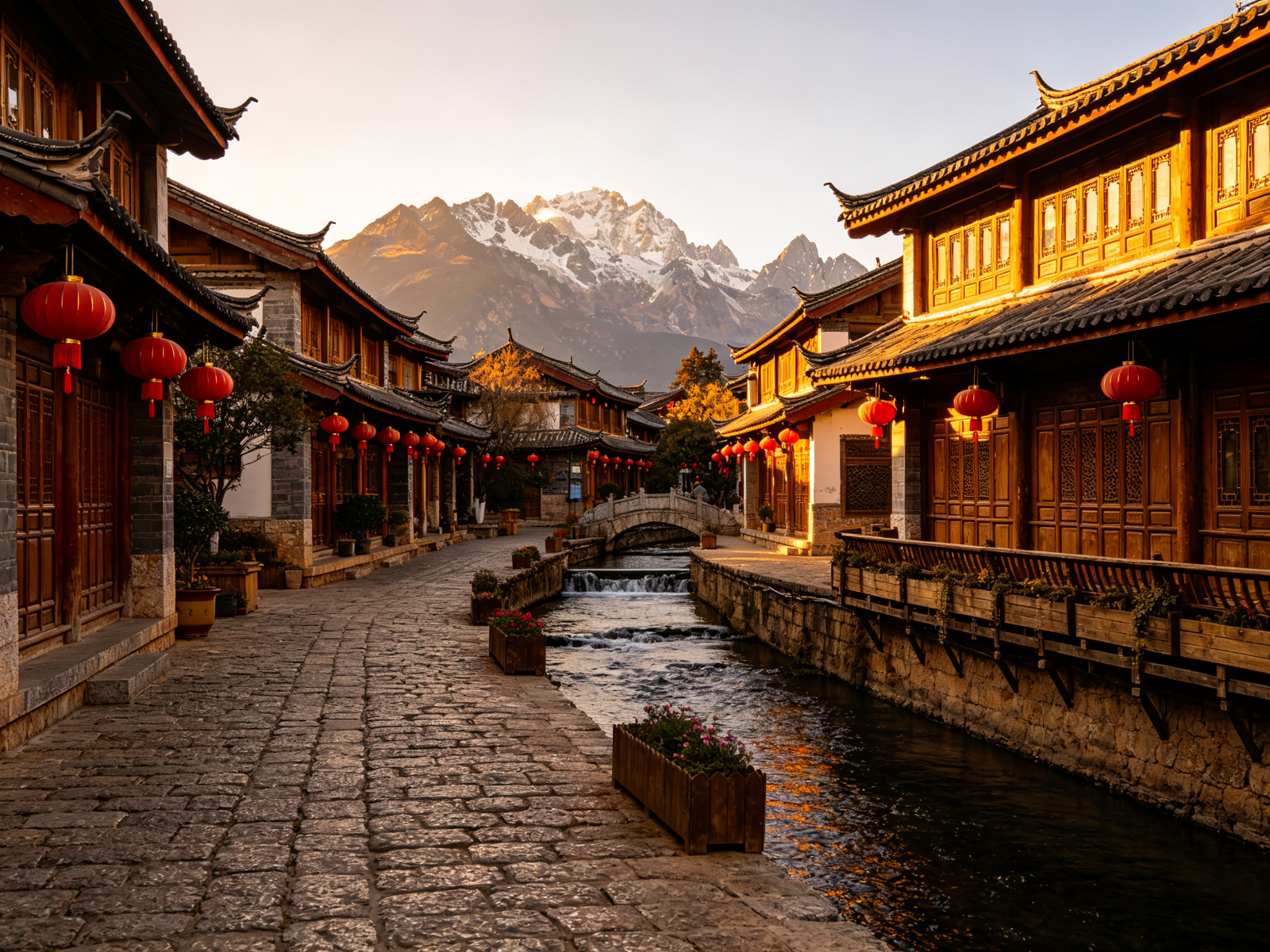
The old town is a living water system, not a film set
UNESCO cites the spring-fed canals from Black Dragon Pool that still supply Dayan town. Follow the water upstream past the small bridges—this is how the town was laid out, and it still works.
Lijiang · 丽江
Lijiang is two cores in one frame: a Naxi Tea-Horse trading town inscribed by UNESCO in 1997 whose canal network still runs on spring water, and the 5,596m Jade Dragon Snow Mountain that is both its backdrop and its water source—the staging point for Tiger Leaping Gorge beyond.
UNESCO cites the spring-fed canals from Black Dragon Pool that still supply Dayan town. Follow the water upstream past the small bridges—this is how the town was laid out, and it still works.
Jade Dragon Snow Mountain (5,596m) sits north of the plain and feeds the canals below. The cable car reaches 4,506m—book it ahead and treat Blue Moon Valley, at lower altitude, as the easier half of the day.
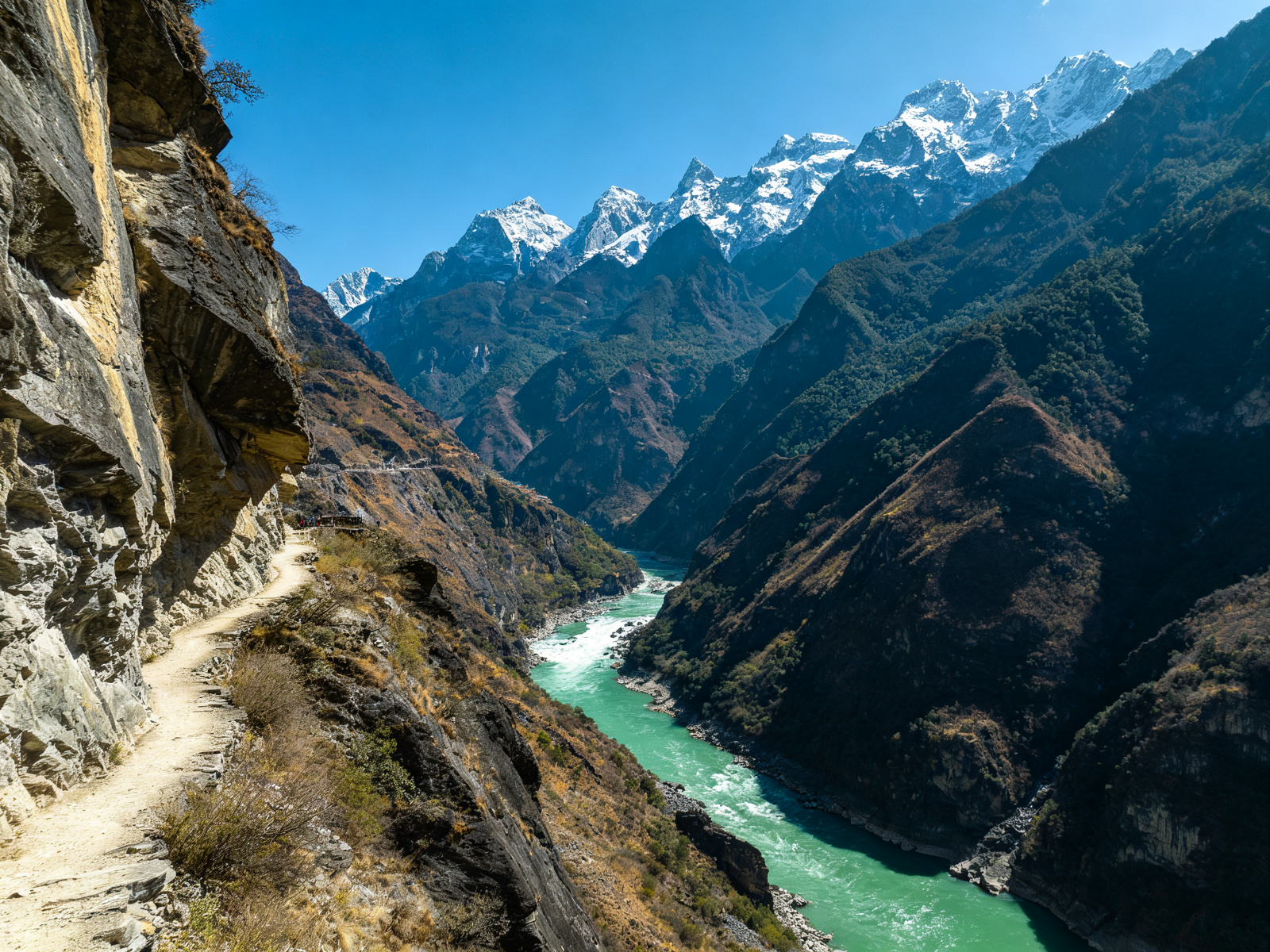
Tiger Leaping Gorge, roughly two hours by road, drops about 3,000m from rim to river. The Upper Gorge boardwalk suits half-day visitors; the high trail is a multi-day walk—go in the dry season.
The city’s signature line — depth entry, not a checklist.
The signature Lijiang day: start where the water emerges at Black Dragon Pool, walk the canal lanes of Dayan Old Town past Mu Fu, then shift scale to Jade Dragon Snow Mountain—cable car up, Blue Moon Valley down. It makes the UNESCO criterion (v)—town and water and mountain as one habitat—visible in a single day.
Add to trip to compare and prepare; check partner links for slots and price when shown.
Beyond ticket notes — read the city’s character first.
Naxi Dongba priests used a pictographic script that UNESCO lists as part of the town's intangible heritage. It is not a decorative motif—seek it in manuscripts at Dongba-script exhibitions near Black Dragon Pool before judging it as souvenir art.
From the 12th century Lijiang distributed goods between Sichuan, Yunnan and Tibet—UNESCO criterion (ii). Shuhe and Baisha were caravan stops; the quiet of Shuhe today is the quiet of a former staging post.
The Mu chieftains governed Naxi lands under imperial appointment for centuries; Mu Fu inside Dayan is their rebuilt palace compound. Walk its courtyard axis to read how Naxi, Han and Tibetan architectural elements were blended.
Water from Black Dragon Pool forks into lanes, feeds every household's doorstep, and supplied fire-fighting—UNESCO criterion (v). The town has no city wall; its walls are the mountains and its streets follow the water.
The February 3, 1996 quake damaged a large part of the old town; reconstruction preceded the 1997 inscription. Much of the timber streetscape you walk is post-1996 craft—real Naxi building technique, rebuilt rather than untouched.
Tickets, duration, transport — ready for your trip cart.
 Emerging
5,596m snow mountain with cable car to 4,506m. Glacier Park, Blue Moon Valley, and Impression Lijiang show. Dress war…
EmergingUNESCO old town with cobblestone streets, canals, and Naxi wooden houses. Very touristy but atmospheric. Free entry (…
 Emerging
One of the world's deepest gorges (3,900m). The Upper Gorge is accessible by road; the Middle Gorge requires hiking.…
 Popular
Quieter alternative to Lijiang Old Town, 4km away. Naxi village with less commercialization. Good for a slow afternoon.
Executable skeletons: day-by-day anchors you can trim to fit.
1-day
For travelers who arrive today or leave tomorrow. No cars inside the old town—wear flat shoes.
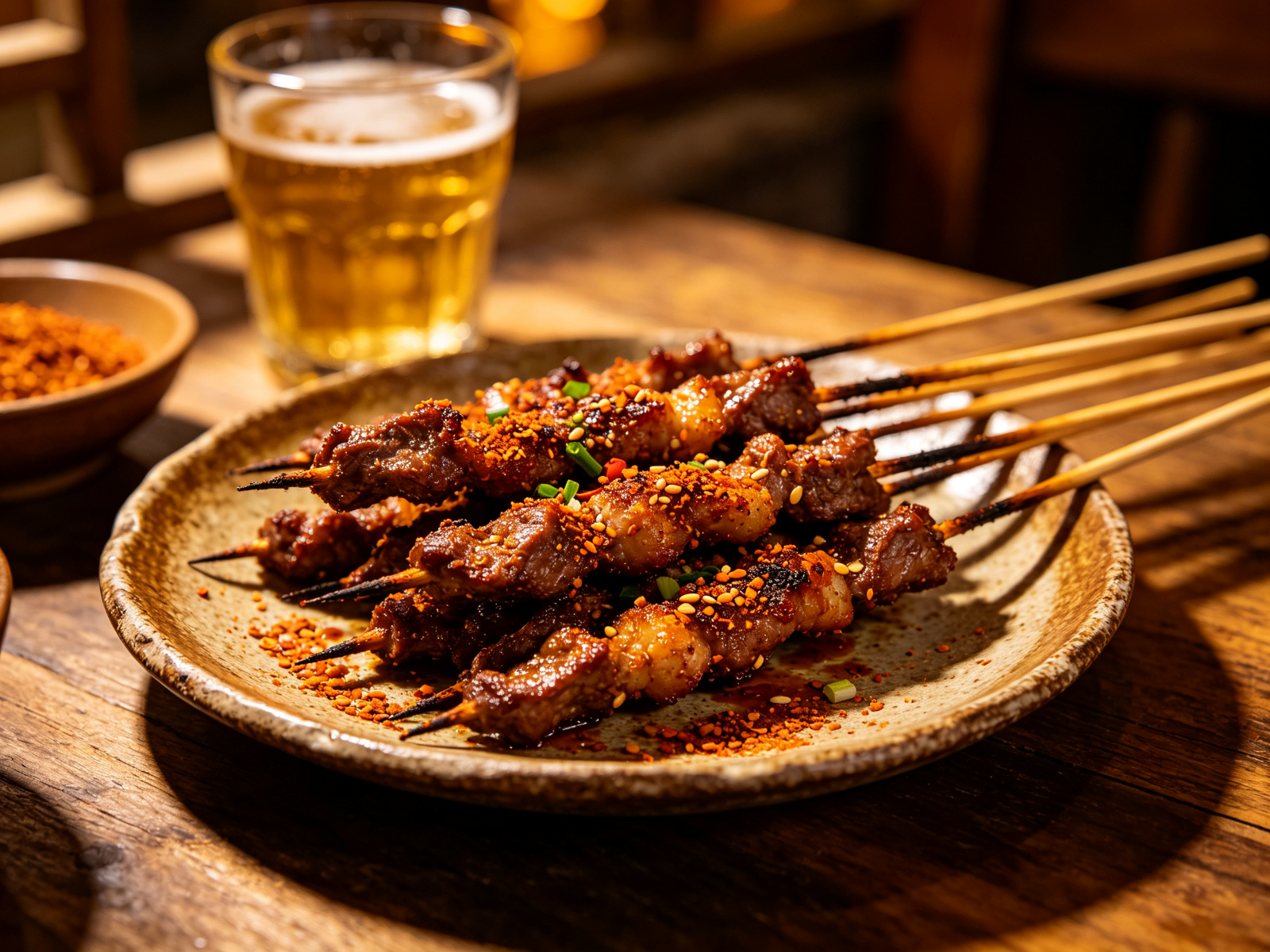
Eat where locals queue, not where tour coaches unload. Naxi barbecue on a tabletop grill is the night move; crossing-the-bridge noodles and yak hotpot are the reliable daytime anchors. Old-town main-drag restaurants price for the view—walk a lane back and the same dishes cost less.
 Emerging
Grilled meat, mushrooms, and vegetables on tabletop grills. Wash down with local beer. A Lijiang night tradition.
 Emerging
Yunnan's signature dish: boiling broth with raw ingredients that cook at the table. Served with rice noodles.
 Emerging
High-altitude yak meat, lean and flavorful. Try yak hotpot or yak skewers. A Tibetan-Naxi specialty.
Best time: April–June, September–November · Highland — sunny days, cold nights
Old Town is walkable (no cars). Didi for city. Tour buses/private transfers for snow mountain and Tiger Leaping Gorge. Airport 40 min away.
Chains and major sights take Alipay/WeChat with foreign cards; keep ¥200–300 cash for night-stall barbecue, oxygen canisters (~¥30), and small tea houses. The old town is pedestrian-only—show drivers the Chinese gate name.
National Day (Oct 1–7) and July–August peak everywhere. The Glacier Park cable car sells out 1–2 days ahead via the official mini program—book first. Sunrise in the old town is empty; midday is for tour groups.
The old town sits at 2,400m—most people adapt, but skip alcohol on day one and drink water. The cable-car upper station is 4,506m: go slow, oxygen canisters are sold everywhere, and descend if a headache persists.
Ask before photographing Naxi people in villages; do not touch or flip Dongba religious objects; step over—not on—the threshold of traditional courtyards; keep voices low around temples and the Mu Fu halls.
Cobblestones everywhere—flat shoes, not heels. UV is strong at 2,400m: sunscreen and a hat. Summer rain makes Tiger Leaping Gorge trails slippery—check weather and prefer the dry season (Nov–Apr) for the gorge.
Sort an eSIM or pick up a tourist SIM at Sanyi Airport on arrival; standard roaming covers maps and messaging. Cable-car and old-town entry are handled via Chinese WeChat mini programs—set that up before you go.
Old Town is walkable (no cars).
Didi for city.
Metro, stalls, and rides mostly take Alipay or WeChat. Set up Alipay with a foreign card before you land.
Show the Chinese name “丽江” to drivers and staff. It beats a long English explanation.
Book tickets, transfers, and popular tours via partners first — then request deeper local experiences through ChinaPie.
Disclosure: Some links are affiliate links. ChinaPie may earn a commission on eligible bookings at no extra cost to you.
Prices shown are planning references only. Actual rates fluctuate with season, holidays, demand, and partner promotions — the price at checkout on the booking site is authoritative.
Conversion stays soft — clear next steps: plan this city, or request planning help.
Yes for typical tourist areas. Keep phones and bags secure on metro and in crowded night spots; use licensed taxis or Didi.
Depends on your passport. Check ChinaPie Plan & Prep → Visa for 30-day visa-free and 240-hour transit options before booking.
Yes—foreigners can set up Alipay with passport + international card. See /prep/alipay-setup for the step-by-step guide.
Lijiang Old Town is 2,400m—most people adapt fine. Jade Dragon Snow Mountain cable car goes to 4,506m where altitude sickness is possible. Drink water, avoid alcohol first day, and go slow. Oxygen canisters available everywhere (¥30).
China offers unilateral visa-free entry to 40+ countries including France, Germany, UK, Japan, South Korea, Singapore, Malaysia, Thailand, Italy, Spain, Netherlands, Switzerland, Sweden, Norway, Denmark, Finland, Belgium, Austria, Ireland, Portugal, Greece, and more. Stay: up to 30 days. IMPORTANT: US passport holders are NOT on the unilateral visa-free list and need a visa. Check latest list at China Immigration official site before travel.
Yes. US passport holders need a visa to enter mainland China. The 10-year multiple-entry tourist visa (L visa) is common: $185 fee, processing 3-5 business days. You can also use the 240-hour transit visa-free if transiting to a third country. Apply at Chinese embassy/consulate or via authorized visa agencies. Many travel blogs incorrectly say US is visa-free — this is false.
Major hotels, international restaurants, and large malls accept Visa/Mastercard. But most small shops, street food, taxis, and local experiences only accept Alipay or WeChat Pay. Link your foreign card to Alipay (Tour Card) for daily use. Carry some cash (¥500-1000) as backup.
China is consistently ranked among the safest countries for tourists. Violent crime against foreigners is extremely rare. Common issues: pickpocketing in crowded areas (train stations, metro), taxi scams at airports, and fake goods at markets. Normal precautions apply: keep valuables secure, use licensed taxis/Didi, don't accept unsolicited tours. Women traveling solo generally feel very safe even at night.
Most first-timers do well with 1–3 days. Start with the 1-day essence: water system + old-town lanes, then expand to 2–3 days if you want slower food and culture. Use Plan this city to turn stops into a workable week.
Foreign cards work more often via Alipay / WeChat Pay tourist modes and some metro apps, but coverage still varies by merchant. Keep a small cash float and set payment apps up before peak sightseeing. See the practical section on this hub for city-specific notes.