
China Travel 2.0: Tourists Are Trading Landmarks for Daily Life — and the Data Proves It
Q3 foreign arrivals hit 23.27M — but the viral China Travel clips of 2026 rarely show the Great Wall. Wet markets, night markets, hanfu fittings and morning exercises are the new draw. Here's what the data says, and how to experience China 2.0 on a budget.
Key takeaway
2026 Q3 外国人入境 2327 万人次、同比 +15.6%,免签入境 899.2 万人次、同比 +24.1%(国家移民管理局 10-20 发布);入境游正从'景点打卡'转向'日常生活在场':菜市场、夜市、拍八虚、汉服旅拍、中医药手作成为新的体验入口,国务院'十五五'扩消费规划把夜间文旅消费占比目标从 27% 提至 42%。
Full report
The numbers landing from China's immigration bureau this week are big — 23.27 million foreign border crossings in Q3, up 15.6% year on year, with 8.99 million visa-free entries, up 24.1% (National Immigration Administration, Oct 20). But the more interesting part is what those visitors are actually doing once they're in.
Landmarks are out. Daily life is in.
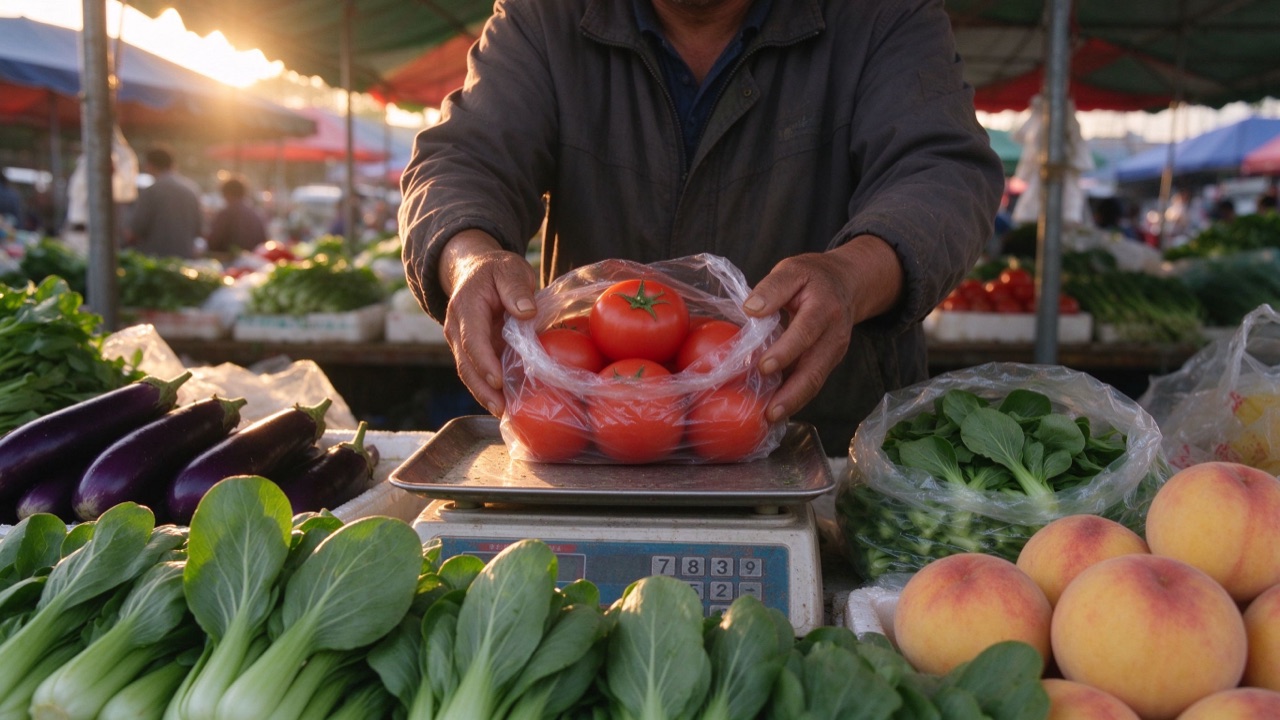
That's the core of what Chinese media have labeled "China Travel 2.0" (中国新闻网, May 2026). The viral China Travel clips of this year rarely open on the Great Wall. They open on a high-speed rail app, a QR-code order at a corner noodle shop, a night market in full steam, a county-town homestay, a wet market at 7 a.m.
State media have clocked the shift too. People's Daily reported this spring that wet markets are emerging as tourism magnets, pulling young travelers away from traditional sightseeing toward immersive city walks — with produce prices that regularly stop foreign visitors mid-aisle: a kilo of tomatoes for about $0.20, a bag of cilantro that costs 3,000 won in Seoul for the price of a snack.
Night is becoming the main event
The State Council's 15th Five-Year Plan for Expanding Consumption (July 13, 2026) sets an explicit target: raise nighttime consumption's share of cultural tourism from 27% to over 42%. Night markets, live music and immersive performances are replacing souvenir stalls as after-dark anchors — and foreign tourists are the trend's most visible converts. A night-market feast in Shenzhen runs about $14, per our own price-check last week.
Hands-on "Chinese living" is the new frontier
CCTV reported on Oct 20 that visitors are lining up for pa baxu (traditional eight-slop exercises), hanfu photo shoots and TCM handicraft workshops — "Chinese lifestyle" experiences as a full day out. The "China Haul" shopping wave is part of the same story: daily-life consumption — supermarkets, milk tea shops, markets — is becoming the attraction itself (Guangming Daily, Oct 22).
Why this matters for your wallet
The "China Haul" point isn't just about shopping. Everyday Chinese experiences are also cheap ones: a wet-market haul of seasonal fruit costs less than a single smoothie in London or New York. That's the 1/5-to-1/10 price gap — not as marketing, just as math.
How to experience China 2.0 in three moves
- Start at the wet market. Go early, point at what looks good, let the vendor pick for you. Bring cash and an empty stomach.
- Stay out after dark. Pick one night market per city, eat in rounds, share everything, save room for dessert.
- Do something with your hands. A hanfu fitting, a clay workshop, a calligraphy lesson — the souvenir is the hour you spent, not the thing you bought.
The bottom line: China Travel in 2026 is less about checking boxes and more about borrowing a life for a few days. The data says the trend is real — the hard part is leaving.
Browse bookable China Travel experiences and daily-life adventures at chinapie.ai.
What to do next
旅行者三步行:①早起逛菜市场(带现金、空腹、让摊主帮你挑);②每晚选一个夜市分轮吃;③动手做一件手作(汉服试穿/陶艺/书法课)。落地体验可在 chinapie.ai 分类页浏览可预订项目。
What may vary
各市菜市场开放时间与摊位差异较大(早市约 6:00-9:00);夜经济占比目标为五年规划口径,分省落地节奏不同;免签适用国家与停留期限以国家移民管理局最新公告为准。