
China Travel 2026: The Shift From Sightseeing to Experiences, Backed by Official Data
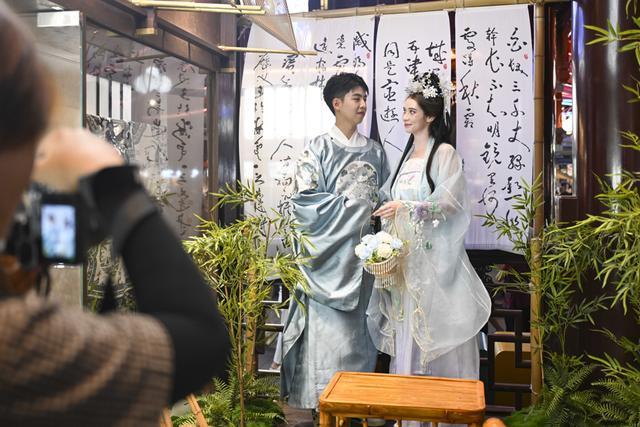
Chinese state media called it in early October: inbound travelers are no longer just seeing China, they're doing China. CCTV and CGTN data from the Golden Week holiday show foreign visitors queuing for hanfu photos at Shanghai's Yu Garden, throwing pots in Jingdezhen, and sitting down with robot waiters in Shenzhen - immersive experiences that now define how the world travels in China.
Key takeaway
State media data from the 2026 National Day holiday shows inbound travelers shifting from sightseeing to hands-on experiences: CCTV (6 Oct 2026) reported tourists moving 'from sightseeing China to experiencing China,' with hanfu photoshoots at Shanghai's Yu Garden, pottery in Jingdezhen and robot cafes in Shenzhen defining the trend. A CGTN poll found 92.2% now see payments, high-speed rail and ride-sharing as core to the China travel experience.
Full report
The Official Numbers Behind the Shift
During the 2026 National Day holiday, Chinese state media tracked a clear change in how foreign visitors travel the country. CCTV's coverage (6 October 2026) reported that inbound tourists are moving "from sightseeing China to experiencing China" - and the examples were everywhere.
At Shanghai's Yu Garden, foreign visitors dressed in traditional hanfu and took photo shoots against upturned eaves and Ming-era pavilions. In Zhangjiajie, Dutch visitor Max told CCTV he had spent three days in the national park and found the atmosphere "excellent." In Dazu, Chongqing, a visitor named Mariha Sheikh said the rock carvings were "so stunning." CGTN's holiday coverage (7 October 2026) framed it as immersive experiences reshaping inbound travel.
Why Experiences Are Replacing Photo Stops
The infrastructure is finally effortless. Payments, high-speed rail and translation apps mean the practical friction of travel is gone, so the remaining question is what to actually do. A CGTN poll from Golden Week found 92.2% of respondents said mobile payments, high-speed rail and ride-sharing are now an important part of the China travel experience.
The price gap makes hands-on experiences irresistible. A hanfu photoshoot with a professional studio in a historic quarter typically costs 100-300 RMB (14-42 USD) - a fraction of comparable shoots in Kyoto or Paris. Pottery classes, tea ceremonies, lacquer fan painting and robot cafes all sit in the same value band.
It photographs better than a landmark. A traveler wearing hanfu in front of a Song-dynasty tower generates content that gets engagement; a skyline photo does not. That is not a cynical point - it is why the trend is self-reinforcing across social platforms.
Three Experiences That Define the Trend
- Hanfu photoshoot, Shanghai Yu Garden: Rent a full outfit, get hair and makeup done, and shoot in a historic garden. Book a morning slot to beat the crowds.
- Hands-on pottery, Jingdezhen: The porcelain capital offers workshops where foreigners throw, glaze and fire their own piece - about 150-300 RMB for a session, with English-speaking instructors at the main studio clusters.
- Robot cafes and AI tours, Shenzhen and Beijing: From kung fu robots to robot waiters, tech-experience venues are now a mainstream stop on the inbound itinerary.
How to Plan Around It
- Pair each landmark with one hands-on experience in the same district - Yu Garden with hanfu, Jingdezhen's museum with a workshop.
- Book experiences that require reservations (hanfu studios, pottery kilns) 1-2 days ahead via the platform or hotel concierge.
- Set up Alipay or WeChat Pay with a foreign card before arrival; most experience vendors now accept QR payment.
- Look for English-speaking workshops in tourist-heavy districts; prices there are still a fraction of equivalent classes in Western capitals.
The Takeaway
China travel in 2026 is not about checking off landmarks - the official data from the holiday period says visitors are staying longer, spending on experiences, and going home with something made or worn rather than just photographed. For first-timers, the advice is simple: pick one hands-on experience per city and book it early.
More China travel guides: Jingdezhen hands-on pottery · how immersive experiences are reshaping China travel
What to do next
Pair each landmark with one hands-on experience in the same district, book hanfu studios and pottery workshops 1-2 days ahead, set up Alipay or WeChat Pay with a foreign card before arrival, and look for English-speaking workshops in tourist-heavy districts.
What may vary
Experience prices and availability vary by city, season and studio; the 100-300 RMB range is typical for major tourist districts based on travel guides and state media, not a guaranteed rate. Reservation requirements differ by venue.