
Why Global Media Is Telling Travelers to Go to China Right Now: Visa-Free Entry, High-Speed Rail and Immersive Culture | China Travel
Visa-free arrivals in China were up 26.8% year on year in Jan–Aug 2026, and American outlet Travel & Tourism World recently told readers why the country is worth visiting: easier visas, faster trains, phone-everything convenience and culture you experience rather than observe. Here's what the coverage says — and what it means for your itinerary.
Key takeaway
Visa-free arrivals in China rose 26.8% year on year in Jan–Aug 2026, and US outlet Travel & Tourism World has told readers the four reasons to visit: expanding visa-free arrangements (the 240-hour transit policy covers 10 days, 60 ports and 24 regions), a high-speed rail network that turns multi-city trips into day hops, mobile payments and translation tools that make solo touring easy, and a shift toward immersive cultural experiences in neighborhood markets and regional festivals.
Full report
Chinese tourism officials at a recent State Statistics Bureau press conference pointed to one number that keeps climbing: visa-free arrivals in the first eight months of 2026 were up 26.8 percent year on year. And it isn't only Chinese media saying so. American travel outlet Travel & Tourism World recently published a breakdown of why "people all over the world are rushing to China," and its four reasons map almost exactly onto the four things travelers ask us about most.
Reason one: visa-free entry lowered the barrier
Travel & Tourism World credits China's expanding visa-free arrangements as the main driver of its inbound tourism growth. The 240-hour visa-free transit policy — ten full days, available at 60 ports and valid across 24 provincial-level regions — turns a China stopover from a paperwork project into a decision you can make on a long layover. Simplified entry procedures cut the cost of planning, which matters most for short breaks and multi-destination itineraries.
Reason two: high-speed rail made multi-city trips easy
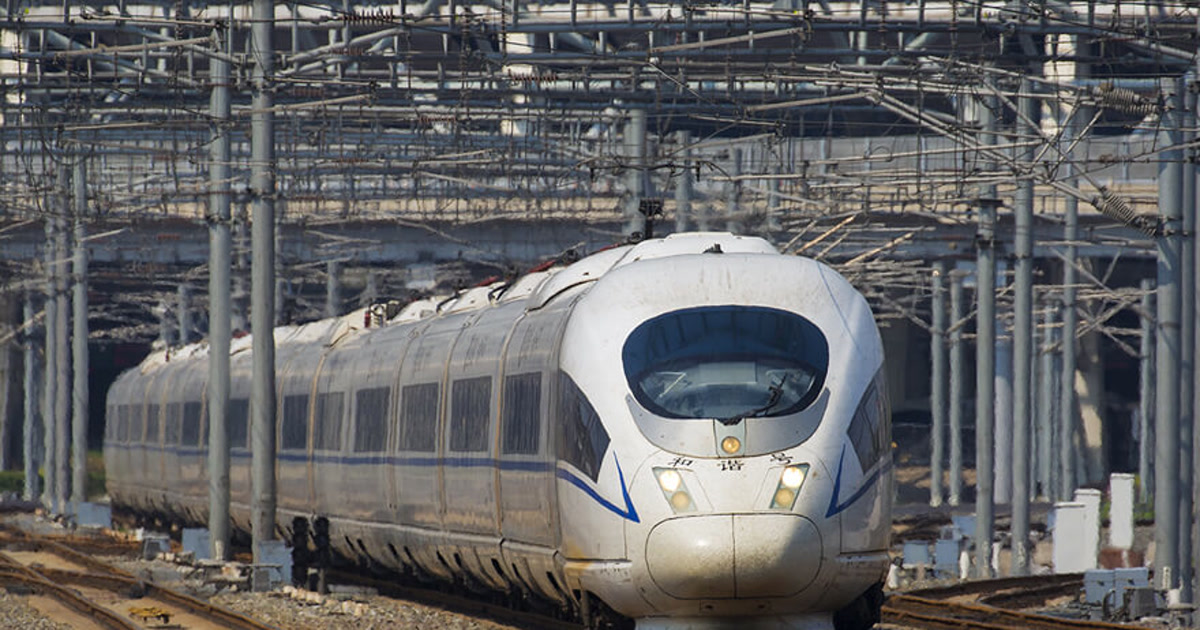
The same report highlights the rail network as a core part of China's tourism upgrade: efficient connections let visitors see several destinations in one vacation, and for travelers unfamiliar with Chinese transit, the train ride itself becomes a highlight. Beijing–Shanghai runs in about four and a half hours; Shanghai–Hangzhou is under an hour; Suzhou is a half-hour hop from Shanghai. Foreign visitors book on the same 12306 system as locals — same seats, same published prices, no tourist markup.
Reason three: digital services removed the friction
The outlet notes that mobile payments, online booking, ride-hailing apps and translation tools have made it possible to tour China on your own. You can pay for a noodle bowl, hail a car, book a museum slot and translate a menu with the phone you already own. International cards now work at more and more stations, shops and hotel desks, and the major ride-hailing and booking apps ship English interfaces.
Reason four: immersive culture is the new must-do
While Beijing's landmarks and Shanghai's skyline still pull the big crowds, the report says travelers are increasingly exploring neighborhood markets, traditional communities and regional festivals — experiences built around direct interaction with residents. That shift is opening room for smaller destinations to build distinctive local tourism products, which is exactly the layer ChinaPie covers city by city: a morning market in the old quarter, a night food street, a village festival you would never find in a guidebook.
The bottom line
Visa-free entry, faster trains, phone-everything convenience and culture you experience rather than observe — the reasons global media give for visiting China are the same reasons travelers keep coming back. For the practical half, chinapie.ai keeps honest city-by-city guides: what to do, what it costs, what's actually worth it.
Planning a trip around the APEC window? Shenzhen hosts the summit on November 14 — tech-city energy, night markets and hardware markets worth building an itinerary around. Start at chinapie.ai.
What to do next
Pick one corridor and plan a multi-city run around it — for example Beijing, Shanghai and Suzhou on the high-speed network — add one neighborhood market or night food street per city, set up mobile payment and a translation app before you land, and browse chinapie.ai's city-by-city guides for what to do, what it costs and what's actually worth it. If your dates fall near November 14, build an itinerary around Shenzhen during the APEC window.
What may vary
Visa-free eligibility depends on nationality, port of entry and itinerary type — always confirm against official immigration channels before booking. High-speed rail fares and schedules vary by train type and travel date, and tickets can sell out at peak holiday windows.