Harbin

Harbin · 哈尔滨

Harbin Travel Guide

Harbin is a rail-port city that borrowed a European streetscape from the 1898 Chinese Eastern Railway, then re-branded itself as a winter machine: read its Russian-layered streets by day, and walk its engineered ice architecture after dark.

Winter travelers chasing the Ice & Snow World spectacleArchitecture fans who want a real Russian-layered downtown, not a theme parkFamilies combining tiger conservation park with snow activitiesSummer escape seekers after mild 18–25°C river-park days
ScenicFamily-friendlyFirst-time friendly
Plan this city

City at a Glance

Suggested Stay
1–3 days
Travel Style
  • Scenic
  • Family-friendly
  • First-time friendly
Highlights
  • Ice and Snow World
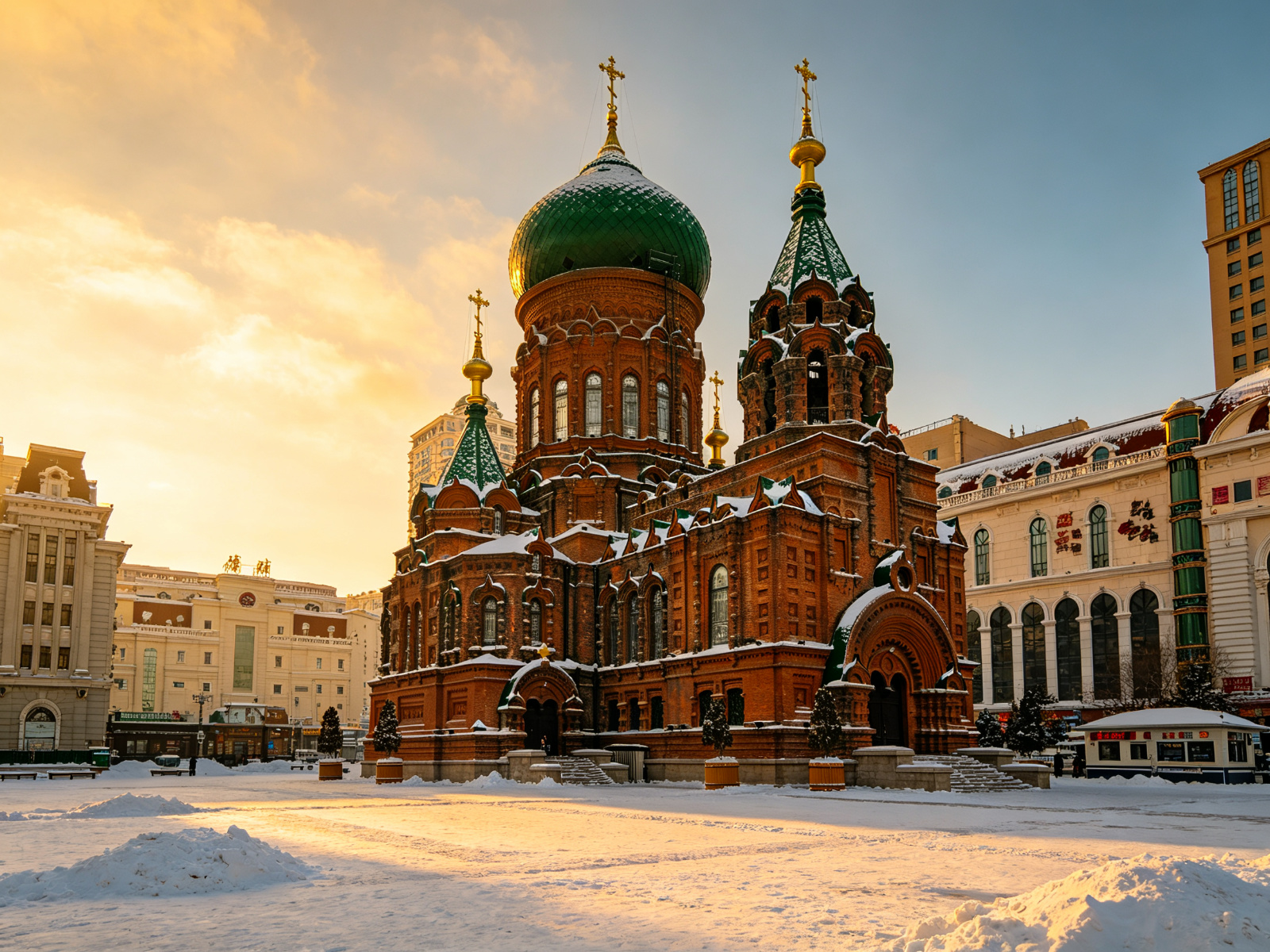
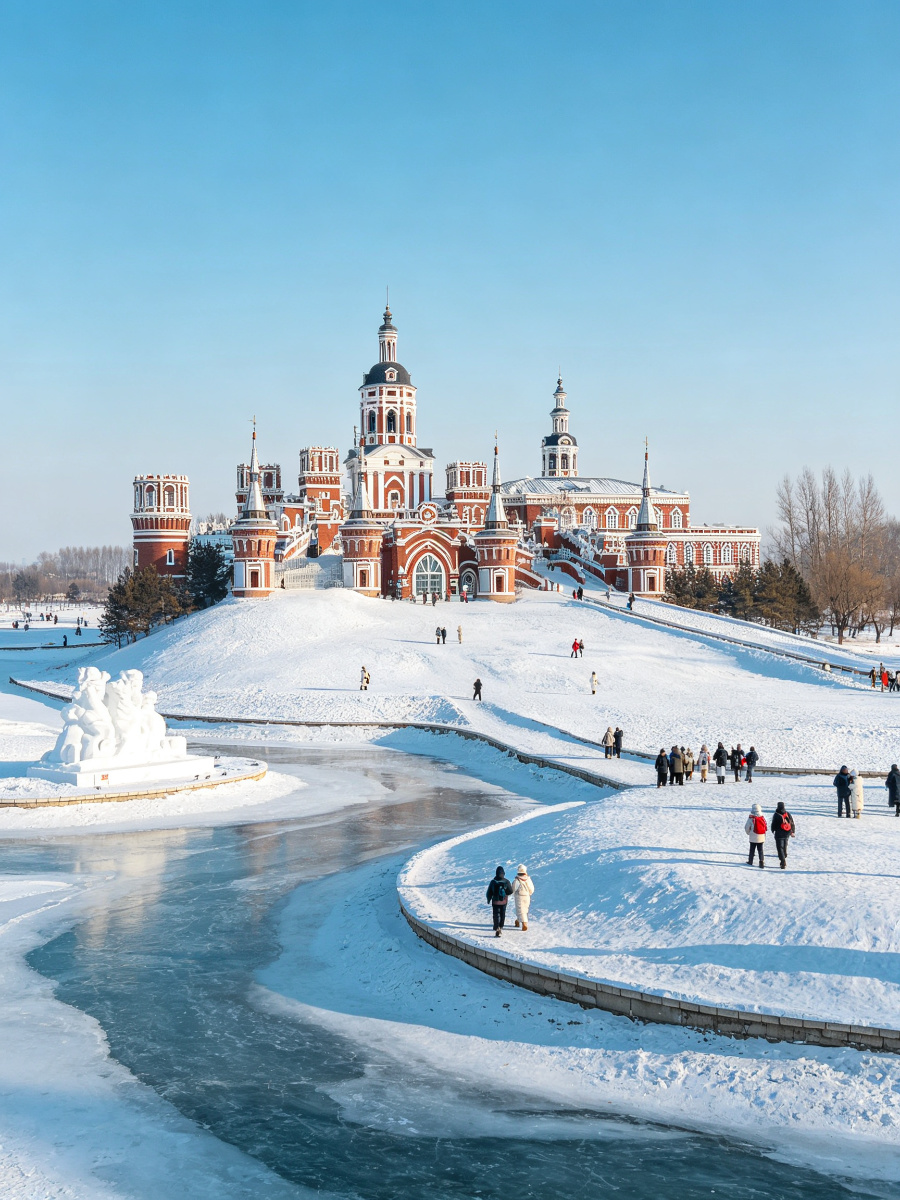
  • Saint Sophia Cathedral
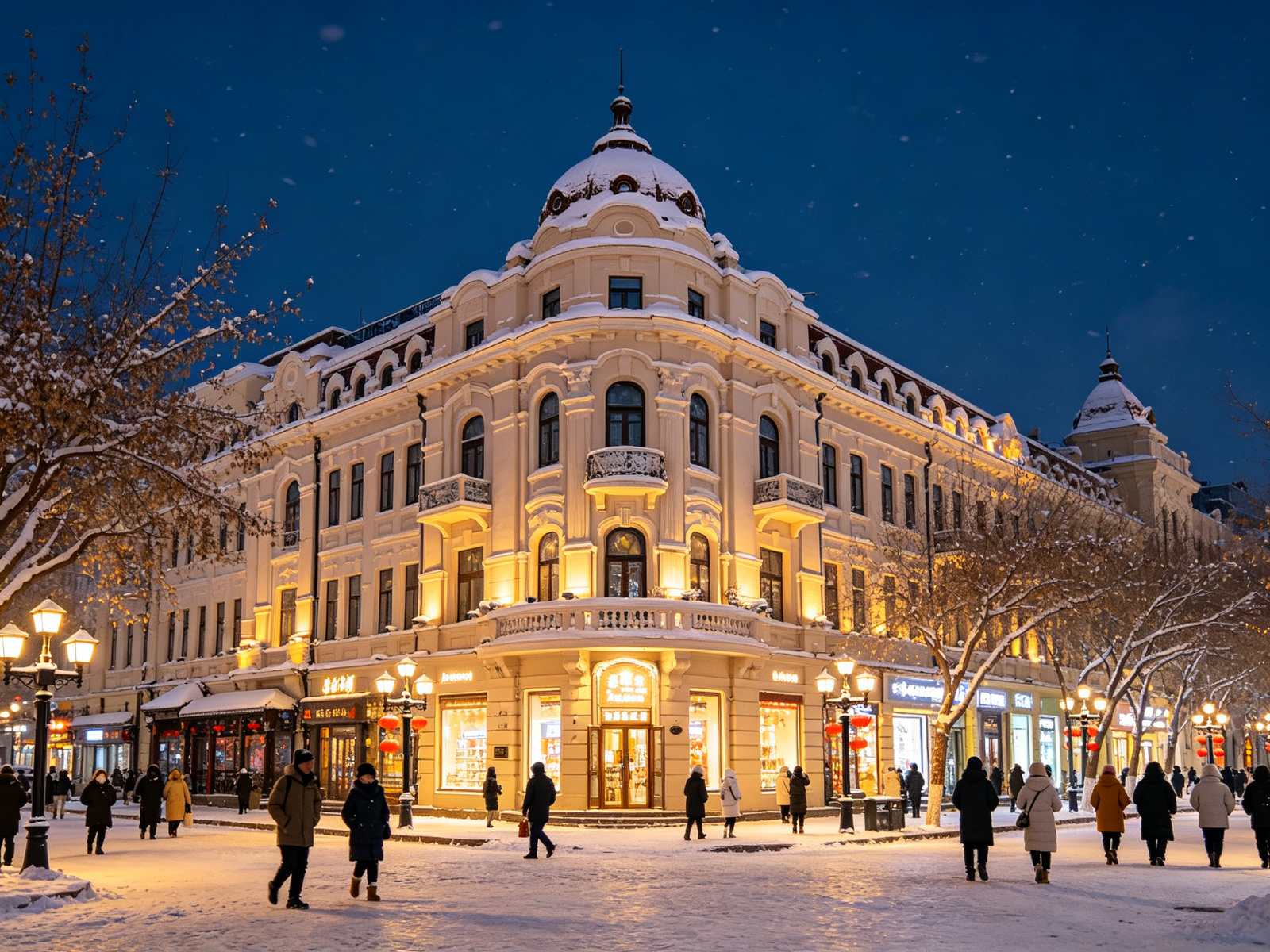
  • Central Street
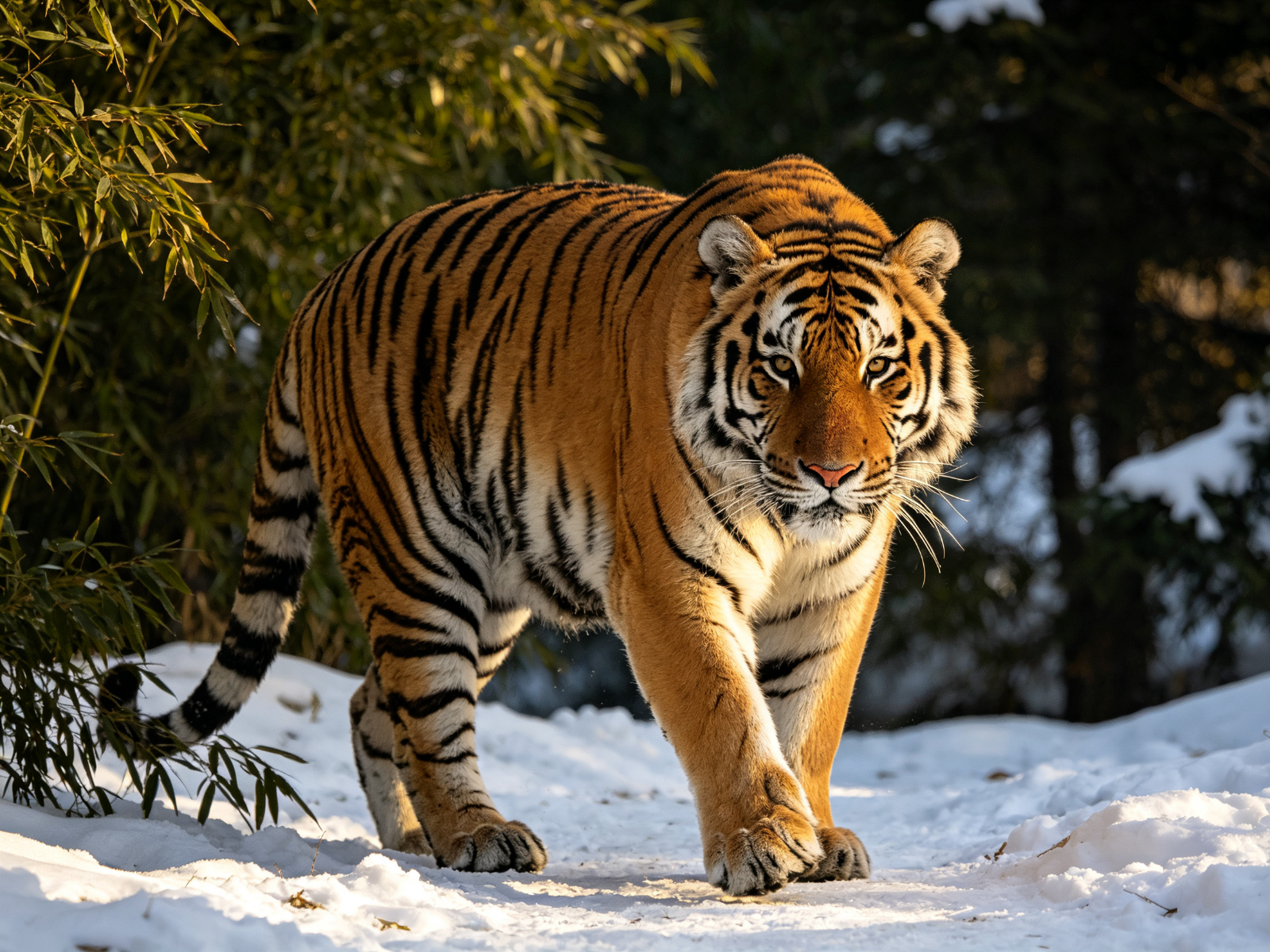
  • Siberian Tiger Park
Getting Around
Metro Line 1-3 covers central areas. Taxis are affordable; use DiDi. Central Street is walkable.
1

Why make a special trip

It is a seasonal machine, not a year-round city

The headline product—Ice and Snow World—is rebuilt from scratch every December and melts by March. Plan around the winter window and dress for -20°C; come off-season for cheap, empty, green river parks.

The Russian streets are genuine, not a set

Central Street and Saint Sophia grew out of the 1898 Chinese Eastern Railway and the 1907 open port—65+ protected European-style buildings on a 1450m pedestrian strip. Walk it at dusk, not just at noon.

One metro line does the whole winter loop

Metro Line 2 runs Central Street → Harbin Station → Sun Island → Ice and Snow World on a single north-south spine. You can finish the streetscape by afternoon and stand under lit ice castles by evening without a taxi.

2

Rail-port ice line: Central Street → Saint Sophia → Sun Island Snow Expo → Ice and Snow World

The city’s signature line — depth entry, not a checklist.

The signature study line reads Harbin in one compressed arc: a century-old European pedestrian street, a Byzantine church that became an art museum, snow sculptures on the Songhua River island, and the lit ice theme park that is the city's modern self-branding. Ride Metro Line 2 end to end—each stop is one layer of the story.

Related sight detail
3

Experiences in this city

Add to trip to compare and prepare; check partner links for slots and price when shown.

Experience listings are still growing — plan with routes & culture, or request planning help.

4

Sights & culture

Beyond ticket notes — read the city’s character first.

The Chinese Eastern Railway is the city's birth certificate

Harbin did not grow from a walled old town—it was laid out from 1898 as a Russian-run rail junction on the Songhua River. Observation point: cross the old Binzhou railway bridge and notice how Daoli's grid still follows the rail-era street plan.

A foreign streetscape without a treaty concession

Unlike Shanghai or Tianjin, Harbin was never carved into treaty concessions, yet a Russian-led open port (1907) imported Renaissance, Baroque, and Art-Nouveau architecture. Read Central Street as an open-air architecture museum, not a shopping strip.

Ice architecture as a modern brand, not an old tradition

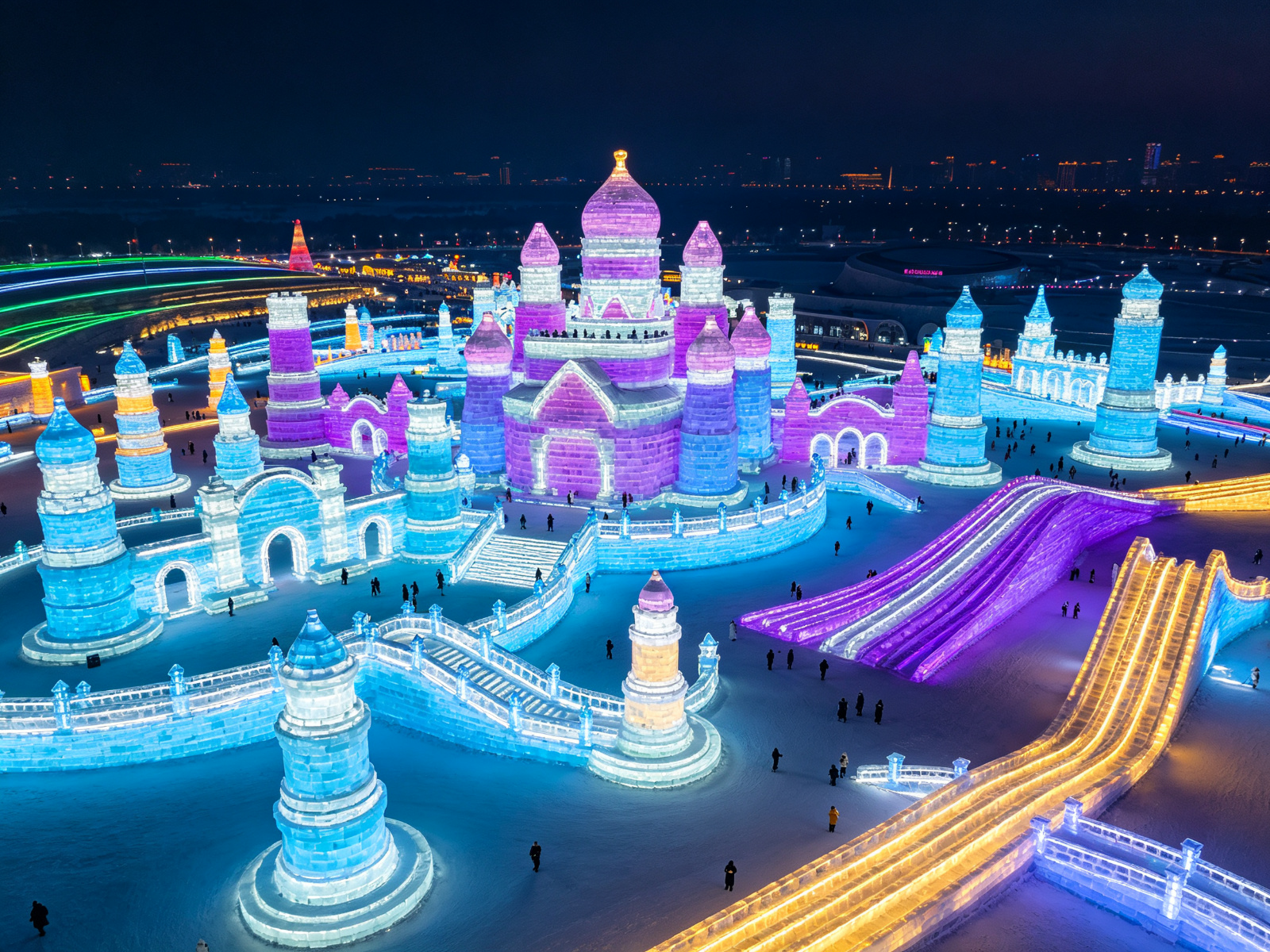
Rural ice-lamp folklore is old, but the world-scale Ice and Snow World is a post-1999 engineered city product—engineers freeze river water, stack it, and light it. Judgment: respect it as large-scale temporary civil work; it is rebuilt from zero every year.

Northeast cooking adapted for the Russian table

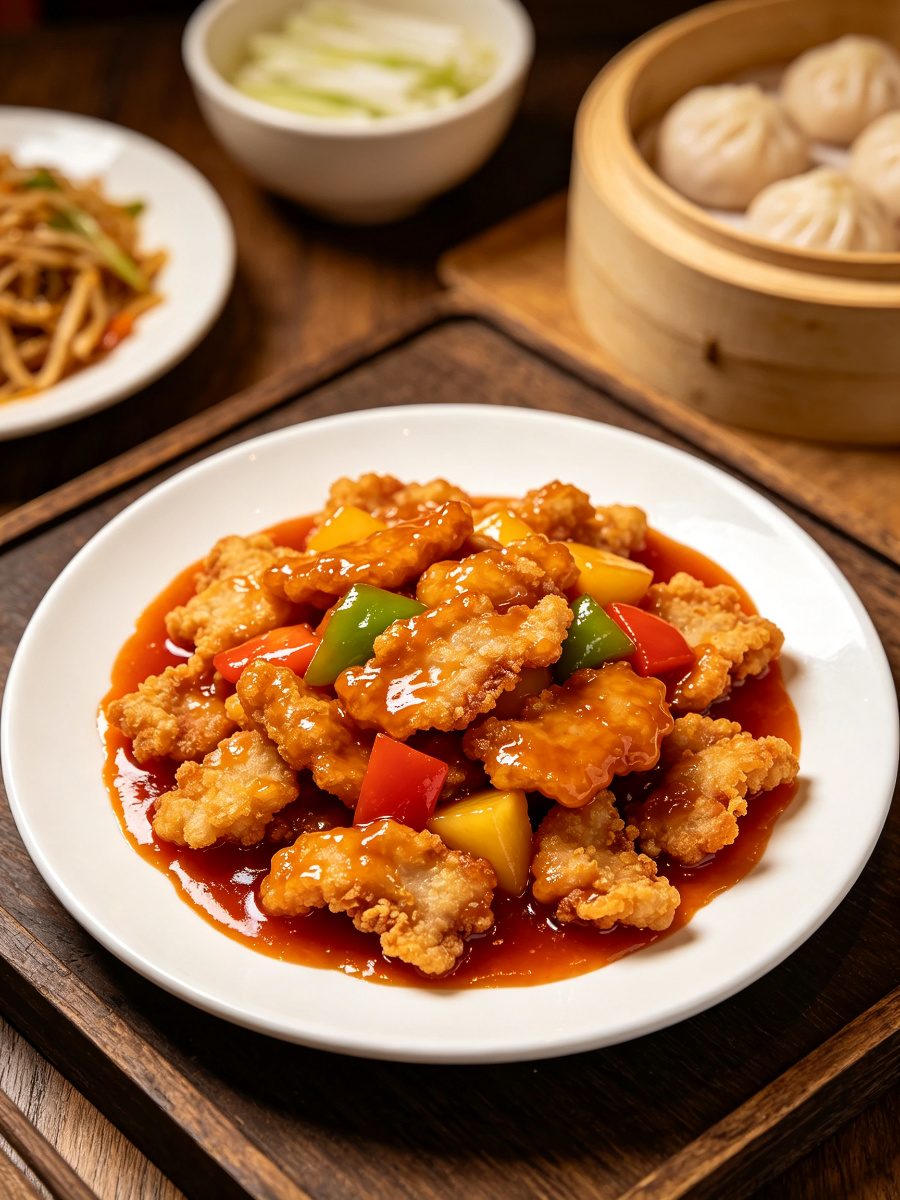
Guo bao rou is said to have been created in Harbin (early 1900s) when chefs sweetened the sour batter to suit Russian residents' tastes; red sausage and kvass came the same way. Eat both in the same trip and taste the border exchange.

The tiger park is a breeding base, not a petting zoo

Heilongjiang Northeast Tiger Garden is a national 4A science-education base for Amur (Siberian) tiger conservation; you view tigers from reinforced vehicles. Judgment: go in the morning when tigers are active, and read it as conservation, not entertainment.

5

1–3 day routes

Executable skeletons: day-by-day anchors you can trim to fit.

1-day

1-day winter core: old streets by day, ice by night

  1. Morning: Saint Sophia square (free, exterior) → step inside the architectural art museum if open
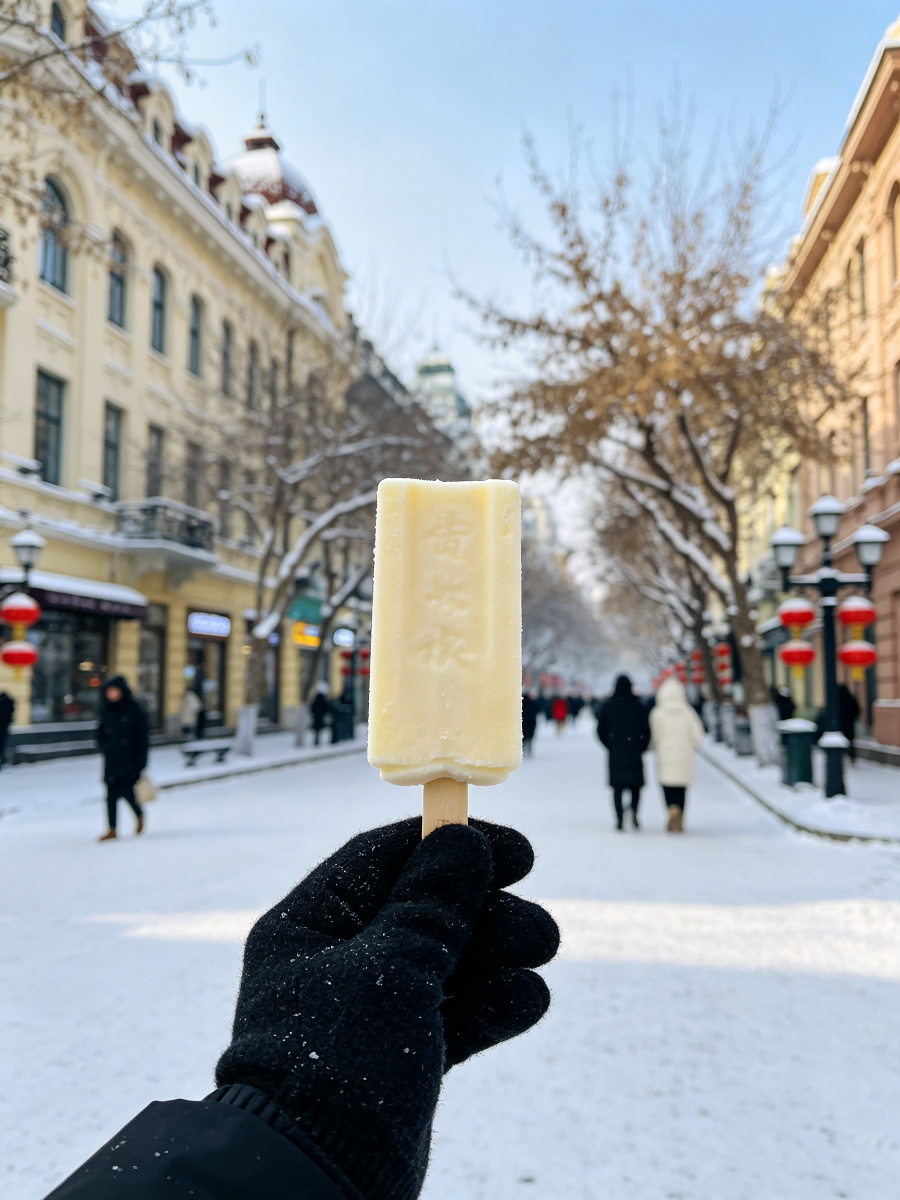
  2. Midday: Central Street pedestrian strip—try a Modern (Ma Die Er) popsicle and Russian bread
  3. Afternoon: Metro Line 2 to Sun Island, walk the Snow Expo snow sculptures while daylight lasts
  4. Evening: Metro one stop on to Ice and Snow World—enter after 16:00 for the lights on, leave before 22:00 close

For winter short-stayers; assumes cold-weather gear. Best on a weekday.

6

Food & what to buy

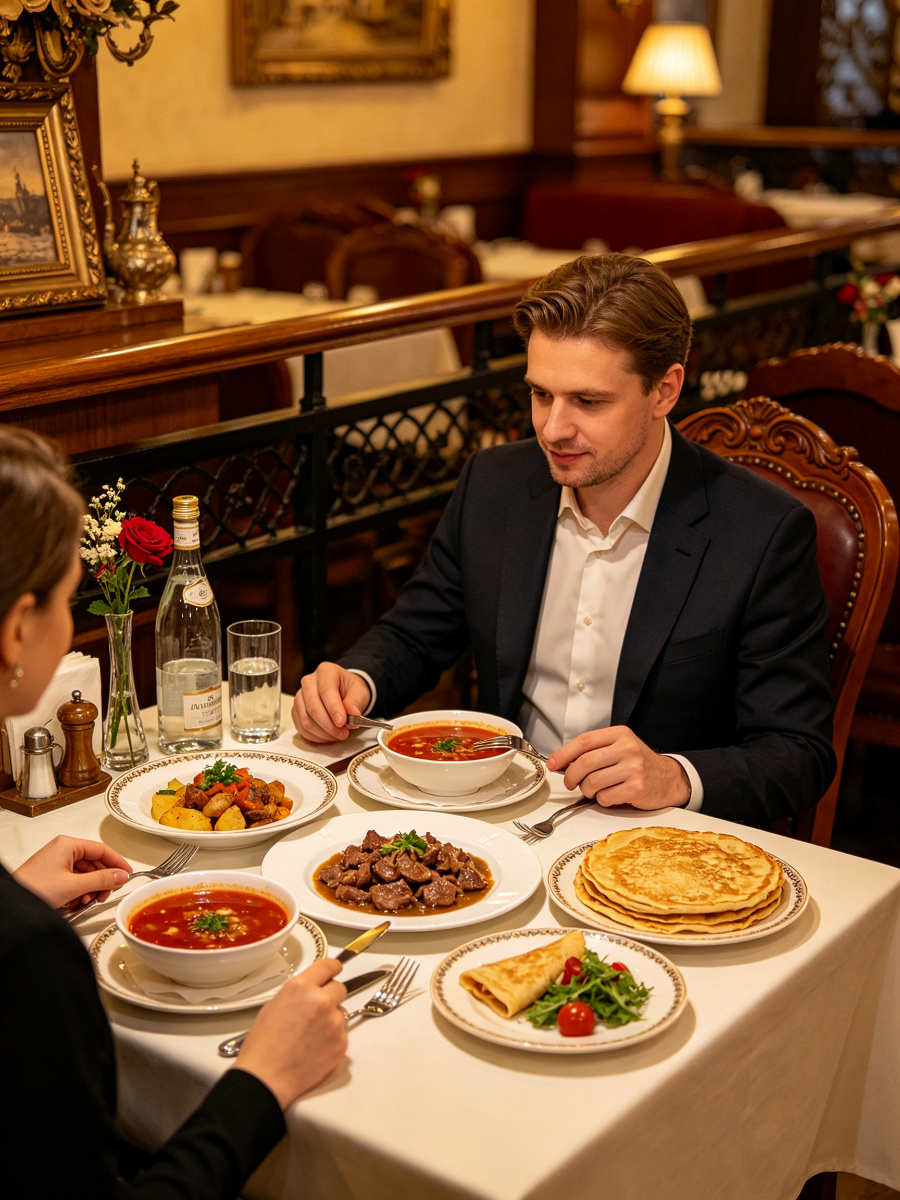
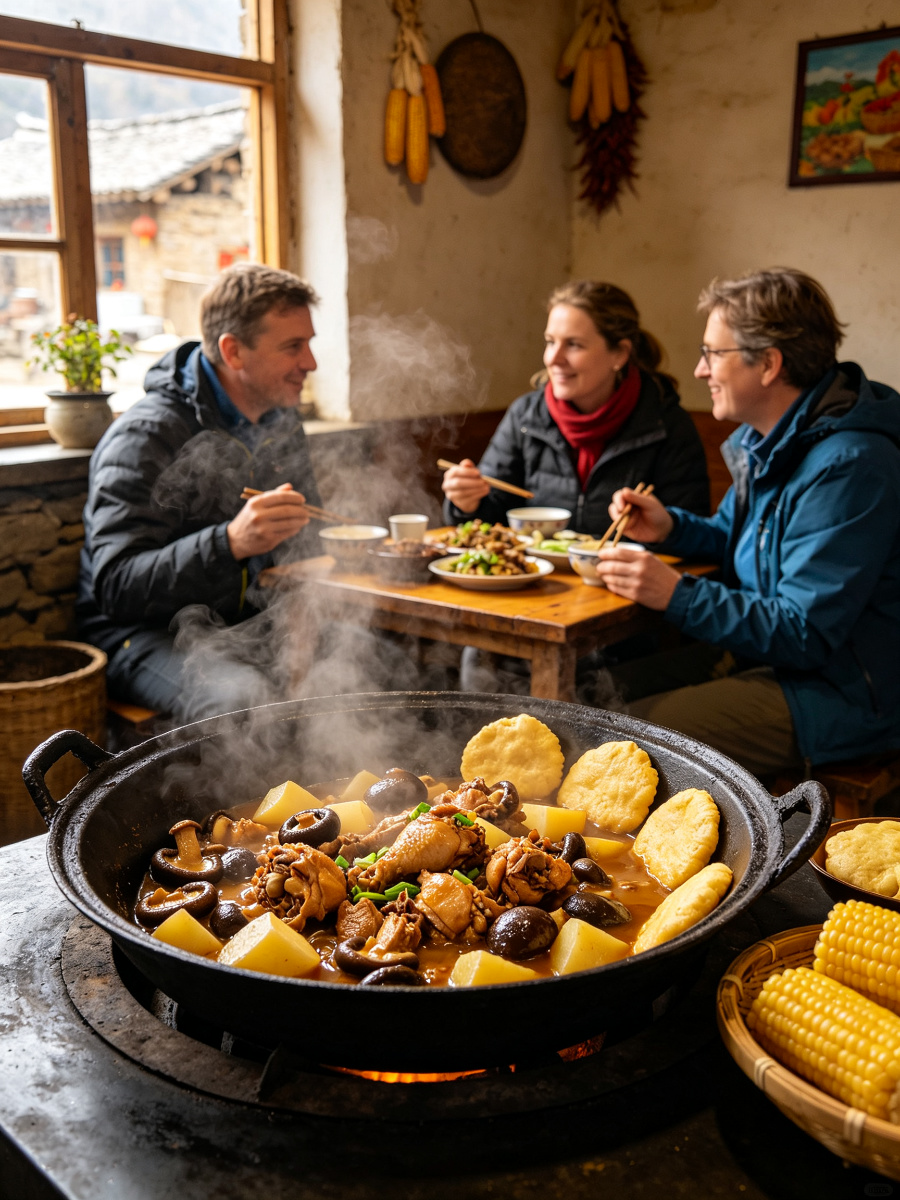
Harbin eating splits three honest lanes: the Northeast-North-China food that locals live on (guo bao rou, iron-pot stew), the Russian-imported layer (red sausage, kvass, dark bread, borscht), and the nostalgic street snack (Modern popsicle). Skip the 'heritage gift boxes' at scenic gates—buy red sausage at Qiulin-style shops, eat the popsicle on Central Street where it's sold, and order guo bao rou at a working Northeast restaurant.

  • Harbin red sausage (hongchang): buy vacuum-sealed packs at Qiulin Liusi-style official shops, not street stalls near the square; it travels well as a gift.
  • Modern (Ma Die Er) vanilla popsicle: eat it on Central Street—selling it in -20°C weather is the whole point; no fridge needed.
  • Guo bao rou: order it at a working Northeast diner; Harbin style is the sweet-vinegar crisp batter, distinct from Shenyang-style versions.
  • Russian-style dark bread (dalieba): a heavy sourdough loaf from Qiulin bakeries—buy sliced, it's dense enough to be a conversation piece.
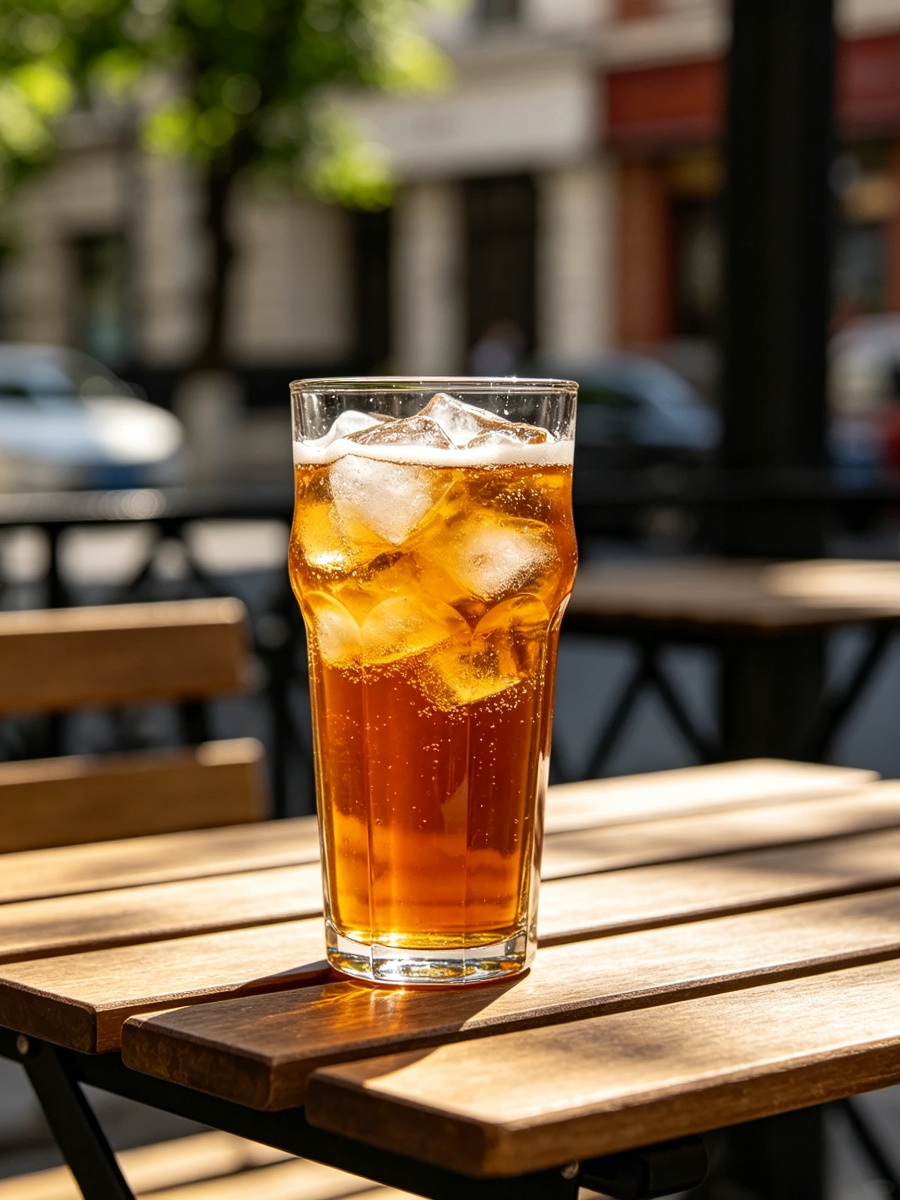
  • Kvass (gewasi): a lightly fermented low-alcohol bread drink; try the bottled Qiulin version rather than a random street cup.
  • Never buy 'same-day Ice & Snow World tickets' from scalpers—official entry is by ID card online/on-site; peak weeks sell out.
7

Getting there & tips

Best time: December-February (Ice Festival, winter magic) · Continental climate — long, cold winters (-20°C to -10°C), warm summers (20–28°C)

Metro Line 1-3 covers central areas. Taxis are affordable; use DiDi. Central Street is walkable.

Harbin visitor handbook

Payments

Foreign-card Alipay/WeChat Tour Card works on metro and in chains; keep ¥200–300 cash for Central Street snack stalls and small diners. Cards are rarely accepted at street stalls.

Crowds & timing

Ice and Snow World peaks on weekends and around the January 5 festival anniversary; go weekday, enter after 16:00 for the lights. It closes ~22:00 and the season ends when warm weather hits—watch the official account for closing announcements.

Cold-weather practical

January averages -18 to -25°C and can drop below -30°C. Wear thermals, a down parka, hat, gloves, and non-slip boots. Phone batteries drain fast—keep a power bank in an inner pocket, not an outer one.

Etiquette & safety

Do not climb or walk on ice/snow sculptures—they are slippery and protected. Keep voices low inside the church/museum. Use Didi or licensed taxis to Volga Manor; ask before photographing locals.

Getting around

Metro Line 2 is the winter spine (Central Street, Sun Island, Ice and Snow World, Harbin North HSR); Lines 1 and 3 cover the old city. Taxis/Didi are cheap for reaching Volga Manor and the Tiger Park. Source: Harbin government transport guidance.

Connectivity

Get a local SIM or pocket Wi-Fi at Taiping airport; major social and search apps need workarounds. Use Amap (Gaode) for metro navigation—it handles Harbin station names better than alternatives.

Getting around

Metro Line 1-3 covers central areas.

Navigation

Taxis are affordable; use DiDi.

Pay

Metro, stalls, and rides mostly take Alipay or WeChat. Set up Alipay with a foreign card before you land.

Show this

Show the Chinese name “哈尔滨” to drivers and staff. It beats a long English explanation.

MetroMetro Line 1-3 covers central areas. Taxis are affordable; use DiDi. Central Street is walkable.
BusCity buses serve the area, but routes change. Use Amap/Baidu for the live stop and last bus near Harbin.
Taxi / DidiDidi or a licensed taxi is the simplest door-to-door. Set destination to “哈尔滨” and pay in-app with Alipay/WeChat.

Harbin hotels, transfers & popular bookings

Book tickets, transfers, and popular tours via partners first — then request deeper local experiences through ChinaPie.

Disclosure: Some links are affiliate links. ChinaPie may earn a commission on eligible bookings at no extra cost to you.

Prices shown are planning references only. Actual rates fluctuate with season, holidays, demand, and partner promotions — the price at checkout on the booking site is authoritative.

8

Harbin FAQ & next step

Conversion stays soft — clear next steps: plan this city, or request planning help.

When is the Ice and Snow Festival?

The Harbin Ice and Snow World typically opens in late December and runs through late February. The official opening ceremony is usually January 5th. Check exact dates before traveling as they vary slightly each year.

How cold does it get in winter?

January is the coldest month with average temperatures of -18°C to -25°C (0°F to -13°F). It can drop below -30°C on the coldest days. Dress in layers — thermal underwear, thick sweater, down jacket, hat, gloves, scarf and warm boots are essential.

Is Harbin worth visiting in summer?

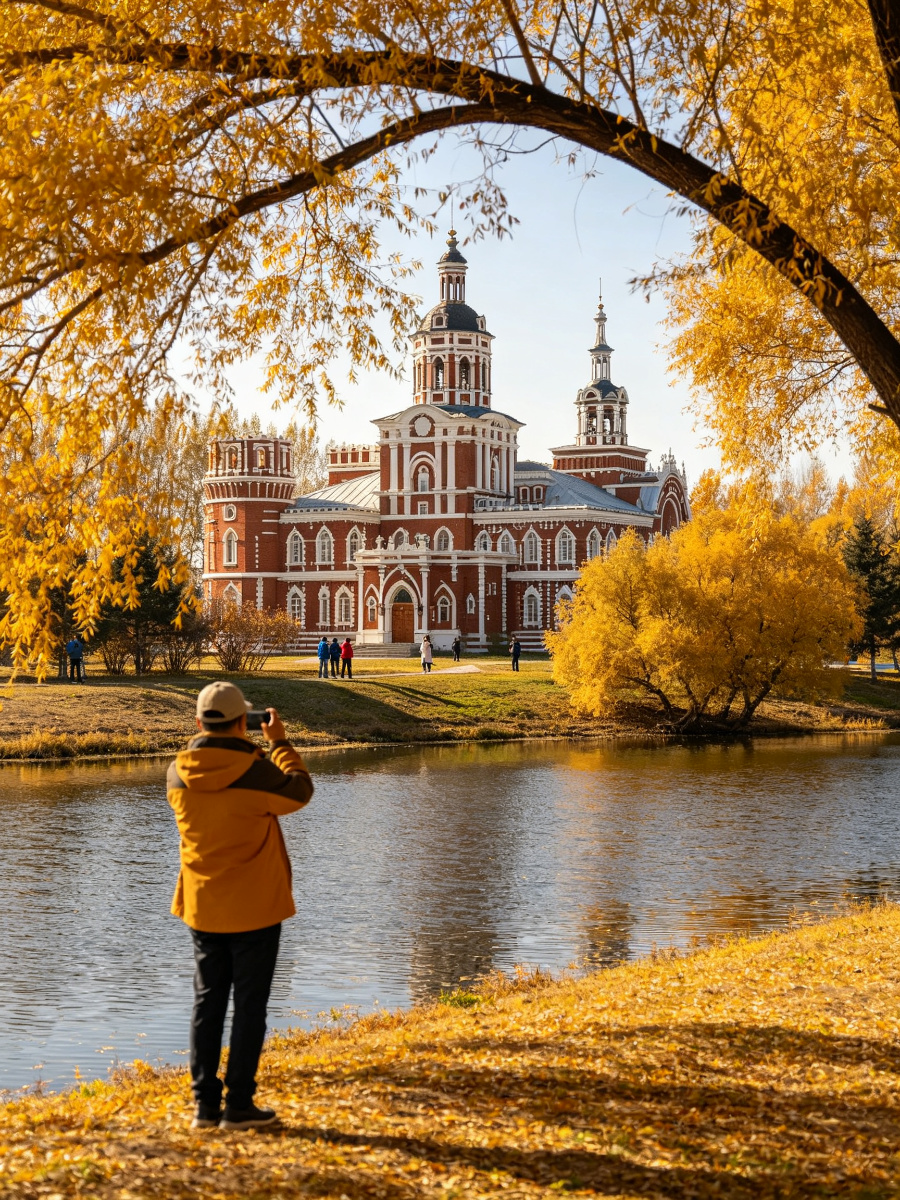
Yes! Harbin is a great summer escape with average temperatures of 18-25°C (64-77°F). The city has beautiful parks, river scenery and the unique Russian-influenced architecture. It's much less crowded and cheaper than winter.

Can I see Siberian tigers safely?

Yes! At the Siberian Tiger Park, visitors ride in specially reinforced buses through the tiger enclosures. The tigers are outside and you're safely inside the bus. You can also view them from elevated walkways. It's completely safe.

What's the food like for vegetarians?

Northeast Chinese cuisine is very meat-heavy, but vegetarian options are available at most restaurants — try dishes like Di San Xian (eggplant, potato, pepper), stewed tofu, and various vegetable dishes. Russian restaurants also have vegetarian options. Buddhist vegetarian restaurants can be found near temples.

How many days do I need in Harbin?

2-3 days is ideal for the main sights. Day 1: Central Street, Saint Sophia Cathedral, Ice and Snow World (evening). Day 2: Siberian Tiger Park, Volga Estate, Sun Island. Day 3: Russian food experience, shopping for red sausage, day trip to Snow Town or Yabuli if time permits.

Which countries are visa-free for China in 2026?

China offers unilateral visa-free entry to 40+ countries including France, Germany, UK, Japan, South Korea, Singapore, Malaysia, Thailand, Italy, Spain, Netherlands, Switzerland, Sweden, Norway, Denmark, Finland, Belgium, Austria, Ireland, Portugal, Greece, and more. Stay: up to 30 days. IMPORTANT: US passport holders are NOT on the unilateral visa-free list and need a visa. Check latest list at China Immigration official site before travel.

Do US citizens need a visa for China?

Yes. US passport holders need a visa to enter mainland China. The 10-year multiple-entry tourist visa (L visa) is common: $185 fee, processing 3-5 business days. You can also use the 240-hour transit visa-free if transiting to a third country. Apply at Chinese embassy/consulate or via authorized visa agencies. Many travel blogs incorrectly say US is visa-free — this is false.

Can I pay with a foreign card in Harbin?

Foreign cards work more often via Alipay / WeChat Pay tourist modes and some metro apps, but coverage still varies by merchant. Keep a small cash float and set payment apps up before peak sightseeing. See the practical section on this hub for city-specific notes.

Plan this city
HarbinCity hub
Plan