Zhangjiajie

Zhangjiajie · 张家界

Zhangjiajie Travel Guide

Zhangjiajie is the quartz-sandstone pillar forest that became the visual reference for floating mountains on screen: a 26,400-ha UNESCO World Heritage site of more than 3,000 peaks, plus a cable-car mountain rising straight out of the city—planned as a multi-day walk among the pillars, not a single viewpoint.

First-time China travelers chasing landscape-scale geology and the 'Avatar' peaksHikers and photography travelers who want multi-day ridge-and-stream routes, not one-day coach stopsTujia-culture travelers pairing the peaks with riverside folk streets and Sanxiaguo hotpotFamilies using a 3-day base in Wulingyuan with one easy mountain day in town
ScenicFamily-friendlyFirst-time friendly
Plan this city
1

Why make a special trip

Zhangjiajie is the quartz-sandstone pillar forest that became the visual reference for floating mountains on screen: a 26,400-ha UNESCO World Heritage site of more than 3,000 peaks, plus a cable-car mountain rising straight out of the city—planned as a multi-day walk among the pillars, not a single viewpoint.

It is a 4-day walk in one ticket, not a single viewpoint

The core ticket is valid four days across five entry stations—use it to split Yuanjiajie, Tianzi Mountain and Golden Whip Stream into separate mornings. The value is pacing the pillars, not rushing them in one coach loop.

Tianmen Mountain starts from your hotel rooftop

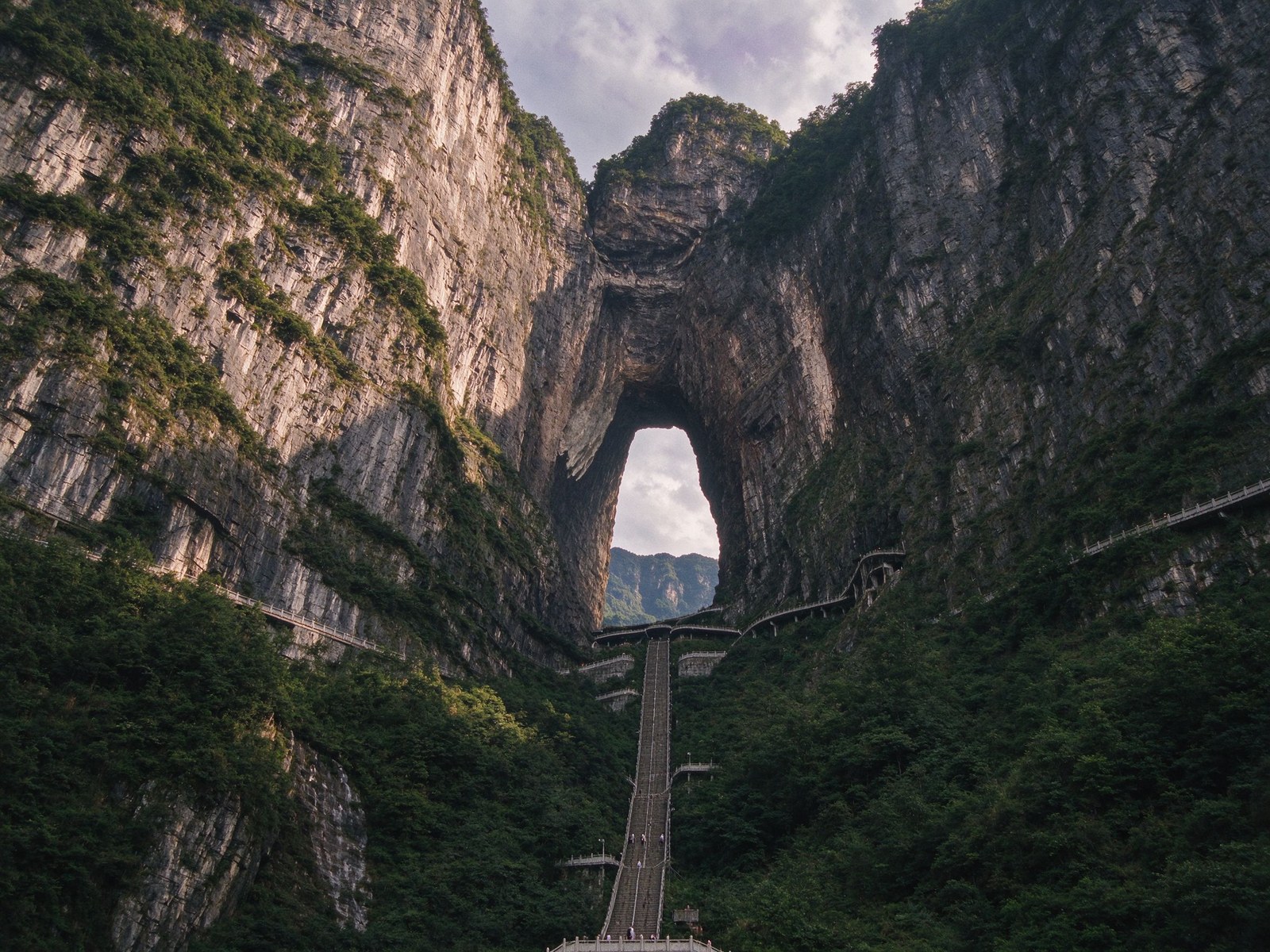
A 7,455-m urban cableway climbs from downtown to a natural cave arch 1,518 m up. Book a timed slot, take it as a half-day, and keep the rest of the day for the city—no transfer required.

The geology reads like a textbook once you know what to look at

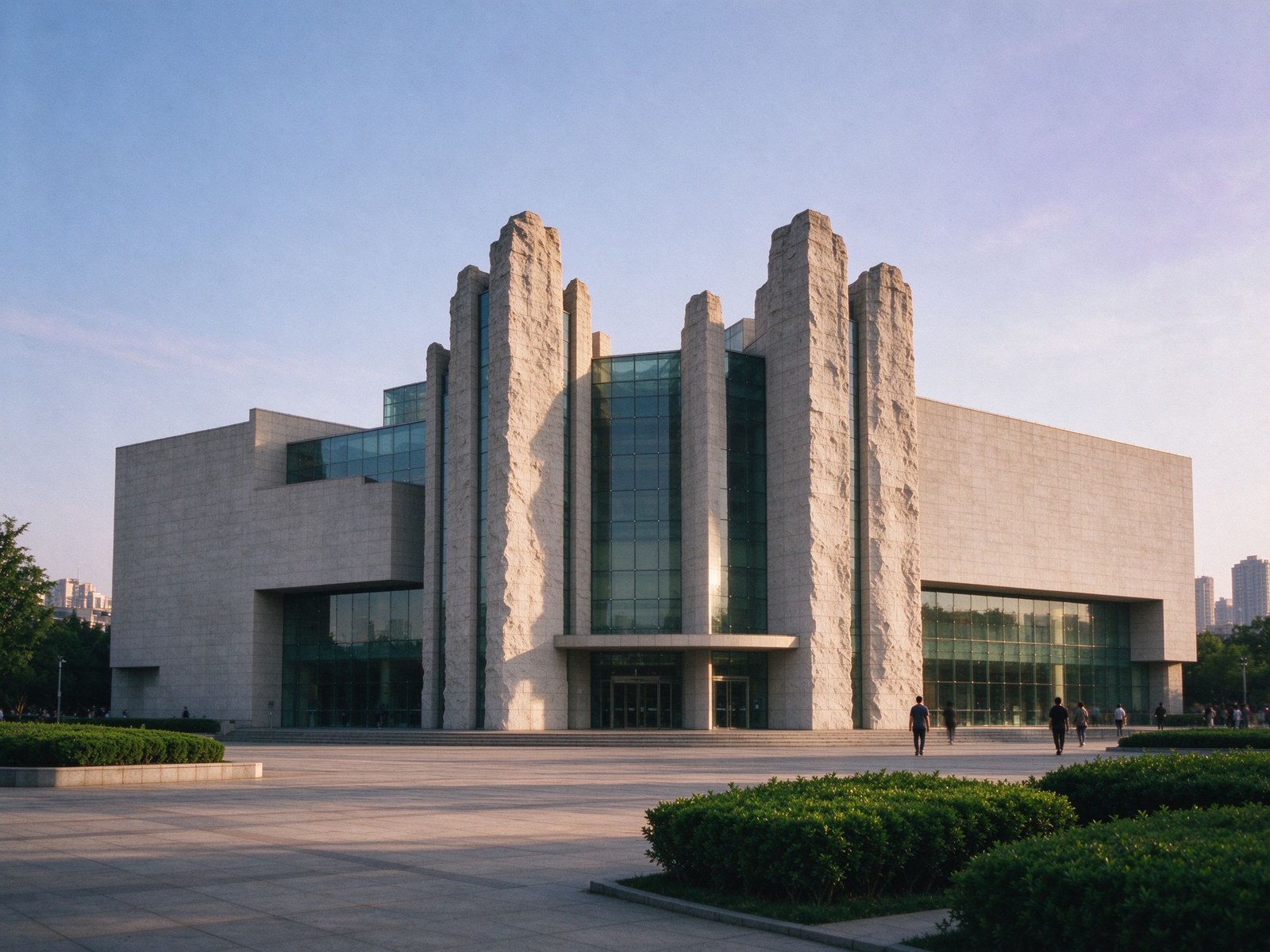
These are quartz sandstone pillars, most over 200 m, formed by erosion. Start at the free city museum to read the geology and Tujia history first—then the peaks make sense as a process, not just a picture.

2

Four days in the pillar forest, one half-day on the city mountain

The city’s signature line — depth entry, not a checklist.

The signature Zhangjiajie sequence: base in Wulingyuan, enter through the East (Wujiayu) gate, ride the Bailong glass elevator up to Yuanjiajie's 'Hallelujah Mountain' column, then spread Tianzi Mountain, the Ten-Mile Gallery and Golden Whip Stream across the four-day ticket. Cap it with a timed half-day on Tianmen Mountain—cable car up from downtown, cliff walkway, then down through the Tianmen Cave escalators.

Related sight detail
3

Bookable experiences

ChinaPie’s main shelf — add to trip or request a slot.

Experience inventory is still growing — plan with routes & culture, or request a study day.

4

Sights & culture

Beyond ticket notes — read the city’s character first.

Why the pillars look like they float

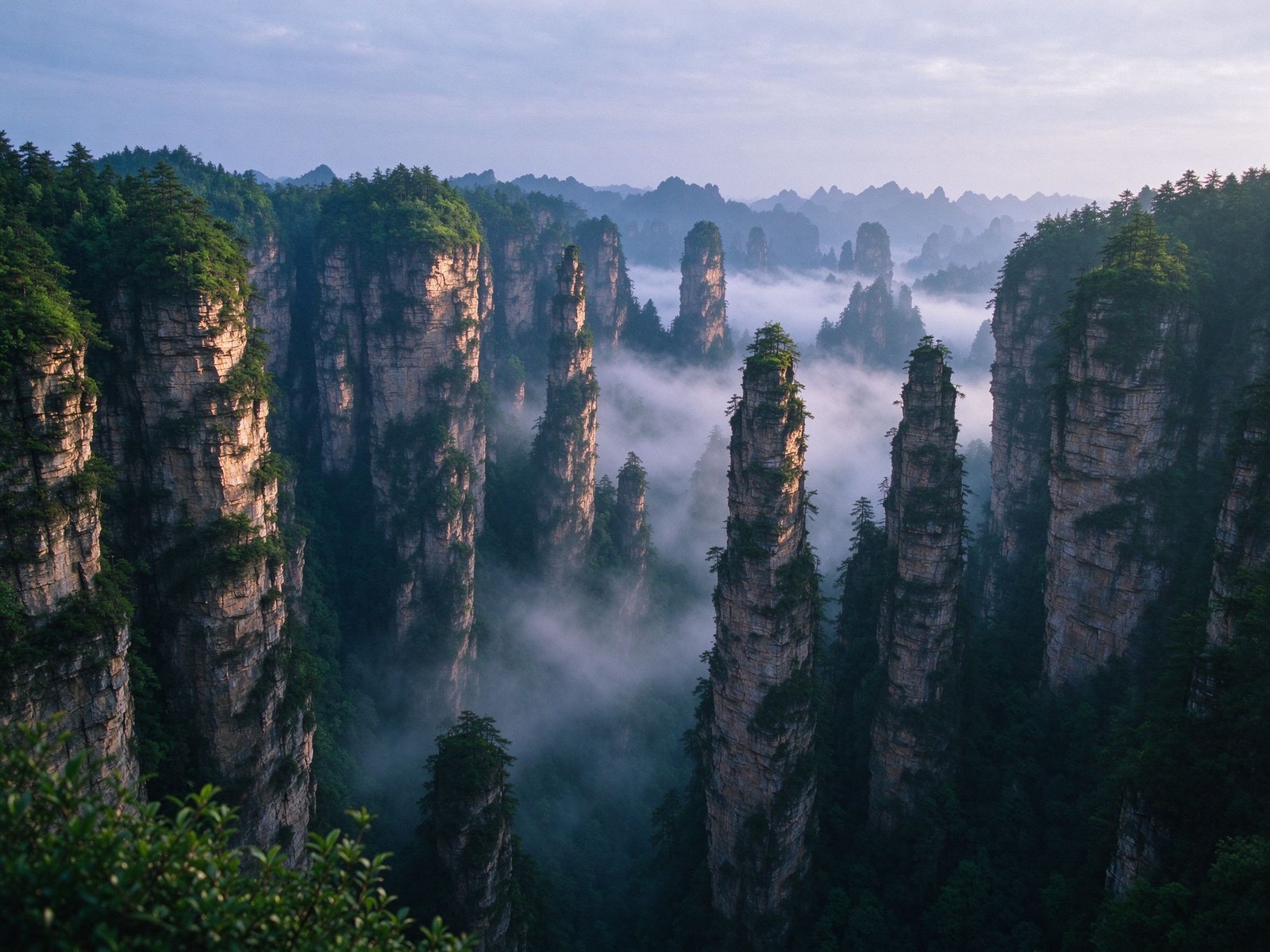
Wulingyuan is quartz sandstone—harder cap rock on softer layers, split by vertical joints and eroded over time into 3,000+ towers. The 'floating' effect is mist settling between the columns; the UNESCO citation praises the spectacle, not a fantasy set.

The column that became a movie reference

Yuanjiajie's Southern Sky Column (previously the 'Avatar Hallelujah Mountain' naming moment) is a single 150-m column seen from a viewing platform. It is a real erosion remnant—stand at the platform and trace how the column narrows at its base.

Tujia land, not a Han imperial resort

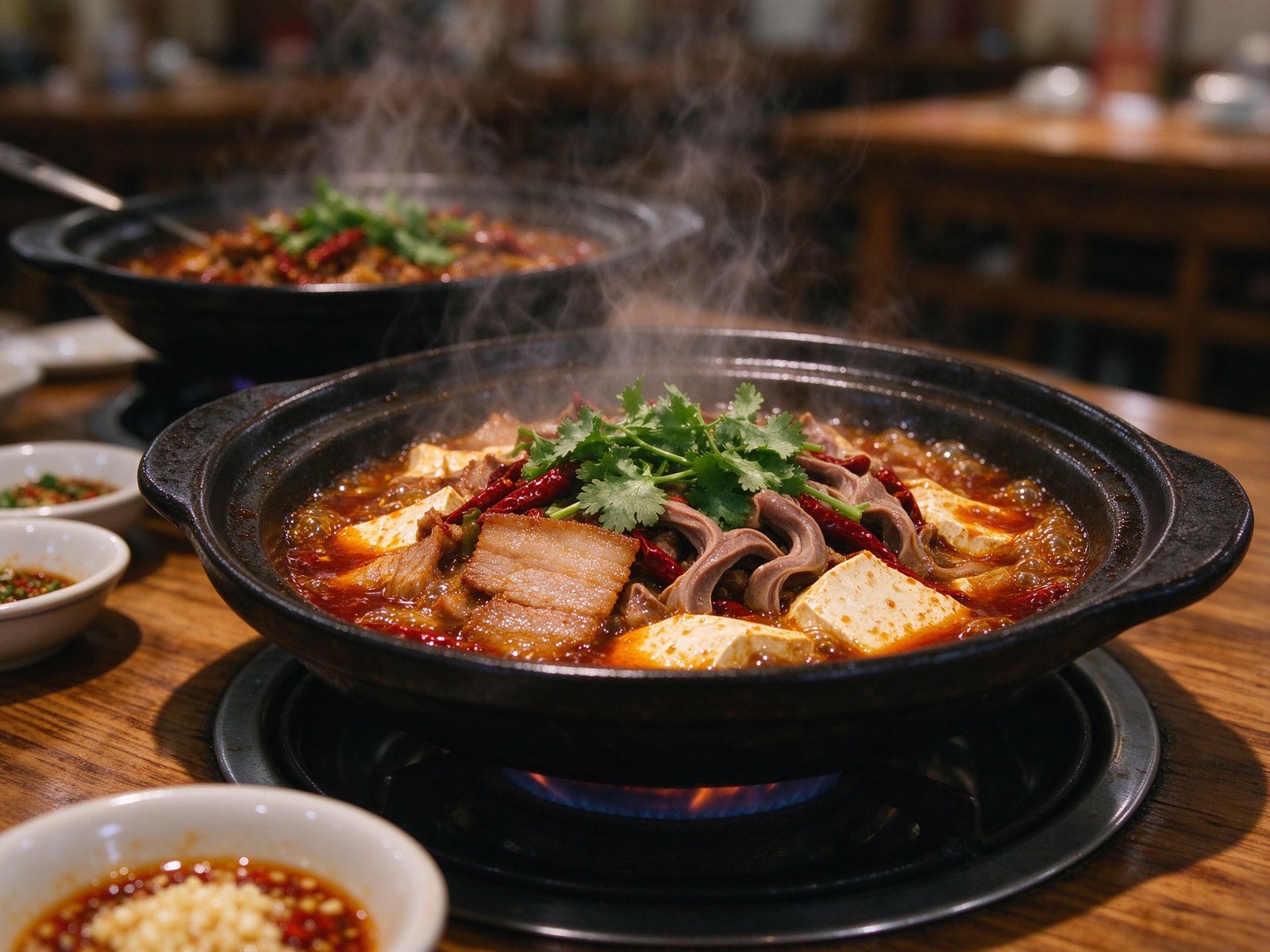
The mountains are Tujia territory—stilted stilt-houses (diaojiaolou), hanging rice wine and sanxiaguo 'three-ingredient pot' cooking. Xibu Street and Dayong Ancient City are styled reconstructions; read them as sets for living Tujia foodways, not old neighborhoods.

From 'Dayong' to a national brand

The city was anciently called Dayong; Zhangjiajie National Forest Park (1982) was China's first national forest park, and Wulingyuan's 1992 World Heritage listing turned a county town into a global destination. The museum lays out this transition before you walk the peaks.

Caves and the underground as a second layer

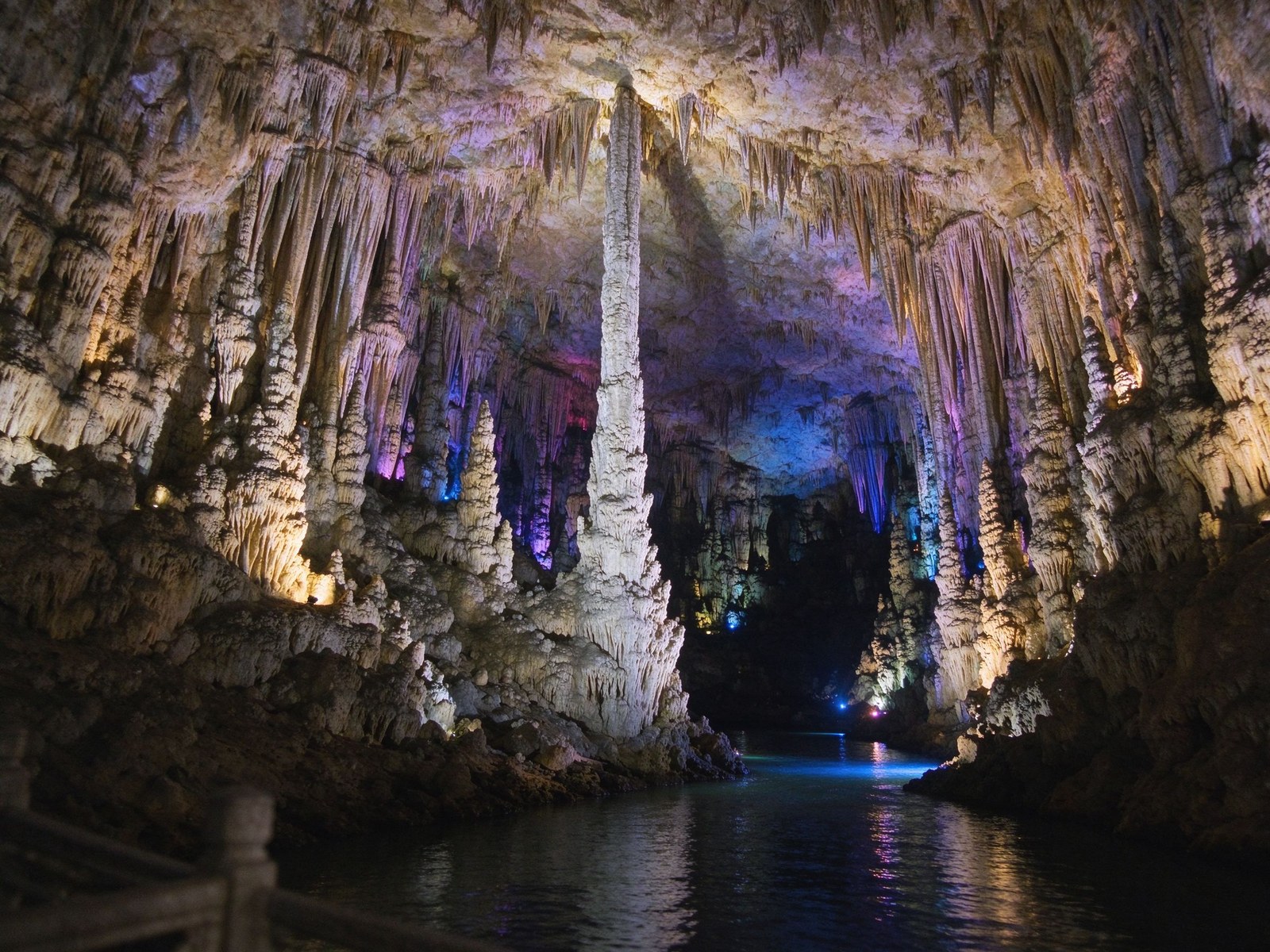
UNESCO counts ~40 caves here. Huanglong Cave runs an underground river boat past the 20-m 'Sea-Calming Needle' stalagmite—bring a jacket, it stays ~16°C, and it is the standard rainy-day swap when the peaks are in cloud.

5

1–3 day routes

Executable skeletons: 1-day essence, 2-day dual-store study, 3-day with Shenhou porcelain.

1-day

1-day urban core: museum morning, Tianmen half-day

  1. Morning: Zhangjiajie Museum (free, closed Mondays) to read quartz-sandstone geology and Tujia history before seeing the peaks
  2. Midday: Tujia sanxiaguo (three-ingredient hot pot) lunch near Dayong Bridge
  3. Afternoon: booked timed slot on Tianmen Mountain—urban cableway up, cliff-hanging glass walkway, 999-step Stairway to Heaven toward the cave arch
  4. Evening: Dayong Ancient City riverside block for street food and occasional molten-iron (datiehua) show; entry free

For travelers arriving on a flight or HSR today. Builds context before the peaks and uses the cable-car mountain that starts downtown.

2-day

2-day Wulingyuan pillar forest

  1. Day 1 morning: enter Wulingyuan East Gate (Wujiayu); Bailong elevator up to Yuanjiajie, see the Southern Sky Column ('Avatar Hallelujah Mountain')
  2. Day 1 afternoon: Tianzi Mountain viewpoint loop via eco-bus; back to Wulingyuan town, Xibu Street riverside dinner
  3. Day 2 morning: Ten-Mile Gallery by small train, then Golden Whip Stream valley walk back to the gate
  4. Day 2 afternoon: optional Huanglong Cave as a cool, rainy-day alternative (~16°C inside) or rest in Wulingyuan

For travelers who want the core World Heritage on the 4-day ticket with two clear half-days.

3-day

3-day depth: add the glass bridge and slow Tujia night

  1. Day 1: museum morning → Tianmen Mountain timed half-day → Dayong Ancient City evening
  2. Day 2: Wulingyuan East Gate → Yuanjiajie & Bailong elevator → Tianzi Mountain → Xibu Street night
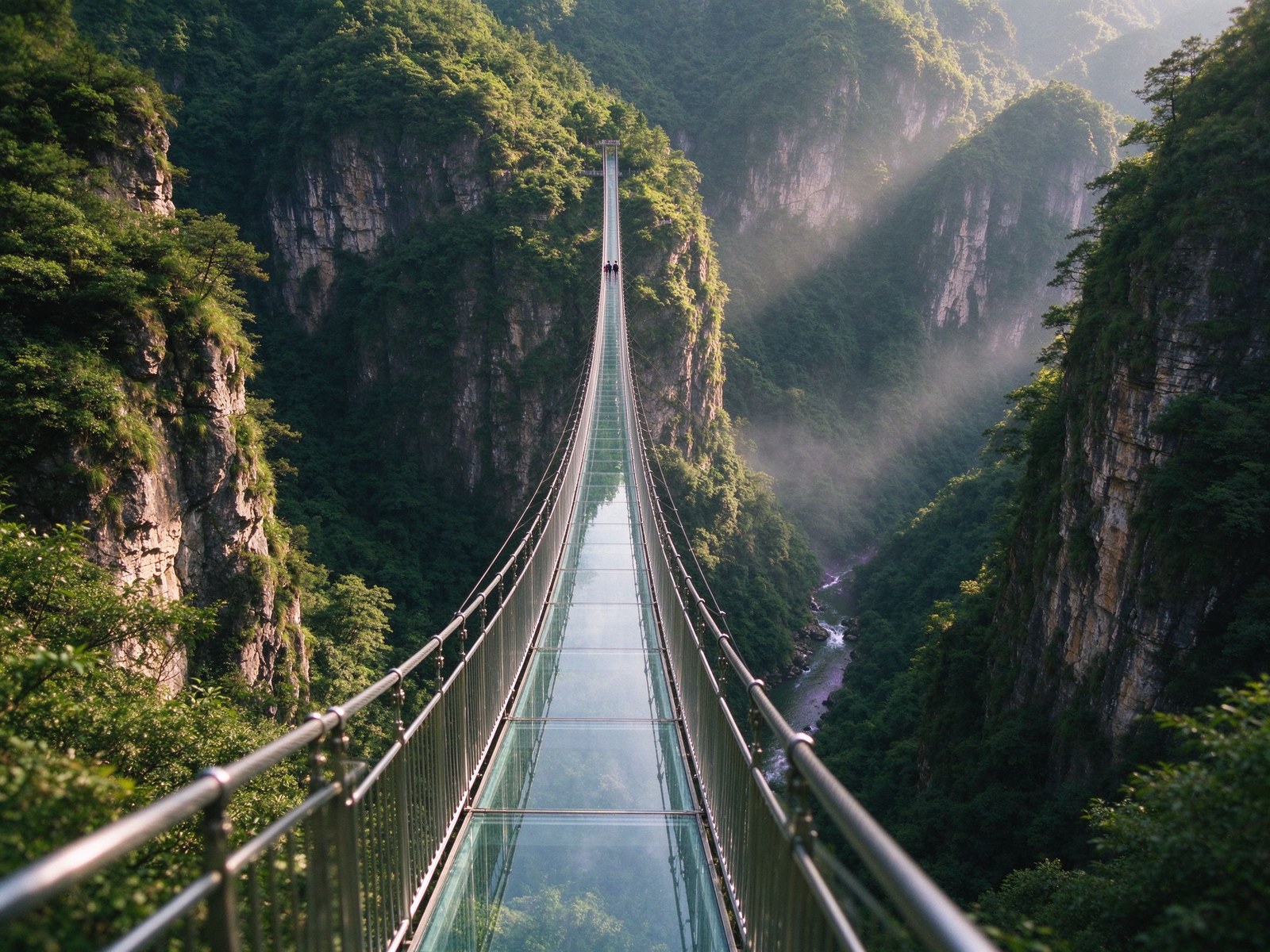
  3. Day 3 morning: transfer to Zhangjiajie Grand Canyon, walk the Yuntiandu glass bridge, descend past waterfalls to the river boat exit
  4. Day 3 afternoon: back to Wulingyuan or downtown; pack Tujia rice wine and dried kiwi, then onward HSR from Zhangjiajie West

Adds the Grand Canyon glass bridge day and a slower read of Wulingyuan's food and folk streets.

6

Food & what to buy

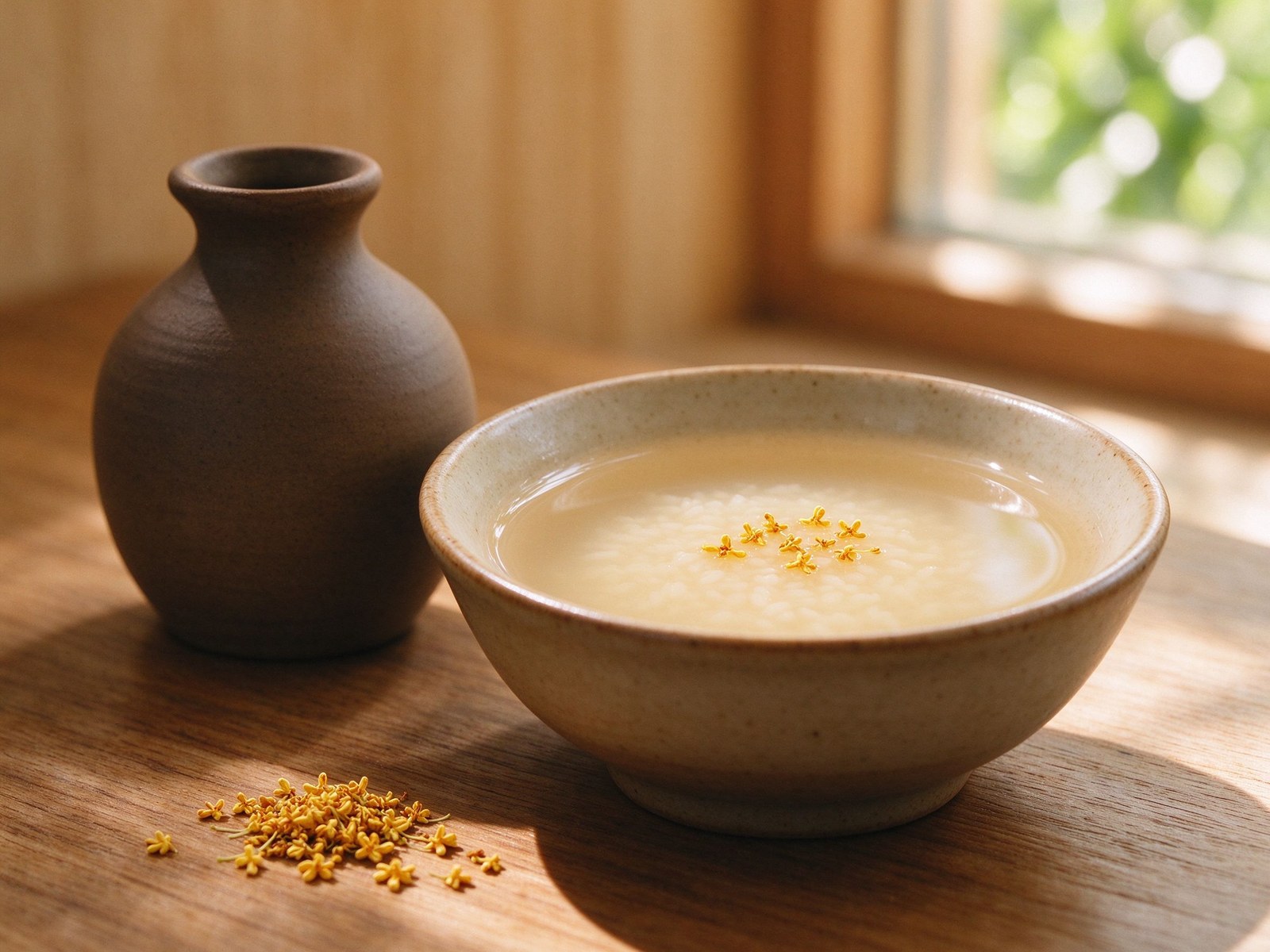
Eat Tujia where locals order: sanxiaguo (a wok of three meats over flame), gegen (kudzu) powder noodles, osmanthus rice wine and haozi baba mugwort cakes—found at Xibu Street in Wulingyuan and the new Dayong Ancient City food block downtown. Buy sealed dried kiwi and small-batch rice wine you will actually drink; skip the over-packaged 'three Zhangjiajie specialties' gift boxes sold at the East Gate coach drop-off, where the markup is highest.

  • Tujia sanxiaguo—order it at a wok-lined local shop, not the scenic food street; share it, it is built for two to three people.
  • Dried kiwi / kiwi fruit slices—buy sealed by weight, check the production date; loose 'wild kiwi' piles at the gate are the same fruit with a bigger markup.
  • Osmanthus / Tujia rice wine—small sealed bottles, drinkable at room temperature; avoid the giant decorative jars on Xibu Street, they are décor first, wine second.
  • Gegen (kudzu) powder—sealed boxes with brewing instructions; mix with warm water first then boiling, or it clumps.
  • Charming Xiangxi / Tianmen Fox Spirit show tickets—book online in advance for the seat you want; gate walk-up prices are higher and front rows sell out.
  • Chunmujian (wood ear / wild mushroom) and dried bamboo shoots—sealed food-grade bags only; sniff for dampness before buying, wet stock keeps badly.
7

Getting there & tips

Best time: April–June for green peaks and lighter crowds (after the May Day peak); September–October for clear-air photography and autumn color. Winter is quiet and misty with lower prices, but some high routes may close in rain or ice. · Subtropical mountain monsoon—hot and humid summer, cool winters, fast-moving fog and rain on the peaks. Day-night and on-off-mountain temperature swings are large; carry layers.

No metro. Within Wulingyuan, the paid eco-bus (环保车) links all peak areas and is the only way between viewpoints. Between downtown and Wulingyuan, the official shuttle from the central bus station runs every ~10 min, ~50 min, ¥13; taxis are ¥80–120 for the ~35 km. The forest-park-gate shuttle is ~¥12, ~45 min. Zhangjiajie West HSR station (高铁西站) → Wulingyuan shuttle or taxi (~30–40 min). Hehua Airport (DYG) → taxi or bus 4 to the central bus station, then the Wulingyuan shuttle. Tianmen Mountain's lower cableway station is in downtown Yongding District—a ¥2 taxi/bus hop from the station area.

Zhangjiajie visitor handbook

Payments

Official tickets are bought via the '张家界一机游' WeChat mini-program or on-site; chain hotels and malls take Alipay/WeChat with bound foreign cards. Keep ¥200–400 cash for the Wulingyuan shuttle, small street-food stalls and mountain-top snacks. Show Chinese addresses (Wulingyuan East Gate / Tianmen lower cableway station) to taxi drivers.

Crowds & timed entry

Tianmen Mountain requires a real-name timed reservation—book ahead and arrive in your slot; the big cable car queue builds by late morning. Wulingyuan's four-day ticket rewards early entry at the East Gate to beat shuttle queues. National holidays and the October Golden Week peak hard; expect capped entry.

ID & passport at the gates

Both core parks are real-name: bring the passport you booked with—entry is checked against it. Foreign visitors use passport numbers in the mini-program; the Tianmen cave escalator and Bailong elevator are included in route combos, not extra on top if you chose the right route.

Weather, mist & gear

Subtropical mountain climate—fog and rain roll in fast; peaks vanish in cloud by midday in spring. Carry a light rain shell, non-slip shoes (the glass bridge and cliff walkway get wet) and a jacket inside Huanglong Cave (~16°C). Bring a power bank—cable cars and elevators mean long waits.

Safety on cliffs & bridges

Keep bags small on the glass bridge (large bags are not allowed) and stay behind railings on cliff walkways—the drops are real and wind is strong. The Grand Canyon route involves ~3–5 hours of downhill walking; wear closed shoes. Do not lean out for photos beyond marked railings.

Getting between the two bases

There is no metro in Zhangjiajie. Downtown (Tianmen Mountain, museum, HSR West Station) and Wulingyuan (the pillar forest) are ~35 km apart—use the official ¥13 shuttle or a taxi ¥80–120. Plan one base per night; do not try to return to the city after a full day on the peaks.

Getting around

No metro.

Navigation

Within Wulingyuan, the paid eco-bus (环保车) links all peak areas and is the only way between viewpoints.

Pay

Metro, stalls, and rides mostly take Alipay or WeChat. Set up Alipay with a foreign card before you land.

Show this

Show the Chinese name “张家界” to drivers and staff. It beats a long English explanation.

MetroNo metro. Within Wulingyuan, the paid eco-bus (环保车) links all peak areas and is the only way between viewpoints. Between downtown and Wulingyuan, the official shuttle from the central bus station runs every ~10 min, ~50 min, ¥13; taxis are ¥80–120 for the ~35 km. The forest-park-gate shuttle is ~¥12, ~45 min. Zhangjiajie West HSR station (高铁西站) → Wulingyuan shuttle or taxi (~30–40 min). Hehua Airport (DYG) → taxi or bus 4 to the central bus station, then the Wulingyuan shuttle. Tianmen Mountain's lower cableway station is in downtown Yongding District—a ¥2 taxi/bus hop from the station area.
BusNo metro. Within Wulingyuan, the paid eco-bus (环保车) links all peak areas and is the only way between viewpoints. Between downtown and Wulingyuan, the official shuttle from the central bus station runs every ~10 min, ~50 min, ¥13; taxis are ¥80–120 for the ~35 km. The forest-park-gate shuttle is ~¥12, ~45 min. Zhangjiajie West HSR station (高铁西站) → Wulingyuan shuttle or taxi (~30–40 min). Hehua Airport (DYG) → taxi or bus 4 to the central bus station, then the Wulingyuan shuttle. Tianmen Mountain's lower cableway station is in downtown Yongding District—a ¥2 taxi/bus hop from the station area.
Taxi / DidiDidi or a licensed taxi is the simplest door-to-door. Set destination to “张家界” and pay in-app with Alipay/WeChat.

Zhangjiajie hotels, transfers & popular bookings

Book tickets, transfers, and popular tours via partners first — then request deeper local experiences through ChinaPie.

Disclosure: Some links are affiliate links. ChinaPie may earn a commission on eligible bookings at no extra cost to you.

Prices shown are planning references only. Actual rates fluctuate with season, holidays, demand, and partner promotions — the price at checkout on the booking site is authoritative.

8

Zhangjiajie FAQ & next step

Conversion stays soft — clear next steps: plan or request.

Is Zhangjiajie safe for tourists?

Yes for typical tourist areas. Keep phones and bags secure on metro and in crowded night spots; use licensed taxis or Didi.

Do I need a visa to visit Zhangjiajie?

Depends on your passport. Check ChinaPie Plan & Prep → Visa for 30-day visa-free and 240-hour transit options before booking.

Can I use Alipay in Zhangjiajie?

Yes—foreigners can set up Alipay with passport + international card. See /prep/alipay-setup for the step-by-step guide.

How many days do I need for Zhangjiajie, and should I stay in Wulingyuan or downtown?

Plan 2–3 days. Stay one night in Wulingyuan for the pillar forest (the ticket is valid 4 days) and one night downtown (Yongding) for Tianmen Mountain, the museum and HSR West Station. Do not commute between the two bases each day—they are ~35 km apart with no metro.

How much is the Wulingyuan ticket, and what does the ¥236 include?

Single entry is ¥165 valid 4 days; the ¥236 combo adds the eco-bus (¥60). Cable cars and the Bailong elevator are still separate: ~¥65–76 per cable car leg. Under-14 and over-65 get the entry ticket free, students half price. Confirm the price on the official site for your date.

Do I need to book Tianmen Mountain in advance, and which route (A/B/C) should I pick?

Yes—real-name timed reservation is required, book via the official site and arrive in your slot. C-route (fast cableway, no big cable car) starts around ¥122 and is the lighter option; A/B routes use the 7,455-m urban cableway up and escalator down through Tianmen Cave but queue longer. Bring the passport you booked with.

How do I get from Zhangjiajie airport or HSR station to Wulingyuan?

From Zhangjiajie West HSR Station take the Wulingyuan shuttle (~¥13, ~30–40 min) or a taxi (~¥80–120). From Hehua Airport (DYG) take a taxi or bus 4 to the downtown central bus station, then the ¥13 shuttle to Wulingyuan (~50 min, every ~10 min). Confirm the latest schedule locally.

Which countries are visa-free for China in 2026?

China offers unilateral visa-free entry to 40+ countries including France, Germany, UK, Japan, South Korea, Singapore, Malaysia, Thailand, Italy, Spain, Netherlands, Switzerland, Sweden, Norway, Denmark, Finland, Belgium, Austria, Ireland, Portugal, Greece, and more. Stay: up to 30 days. IMPORTANT: US passport holders are NOT on the unilateral visa-free list and need a visa. Check latest list at China Immigration official site before travel.

How many days do I need in Zhangjiajie?

Most first-timers do well with 1–3 days. Start with the 1-day urban core: museum morning, Tianmen half-day, then expand to 2–3 days if you want slower food and culture. Use Plan this city to turn stops into a workable week.

Can I pay with a foreign card in Zhangjiajie?

Foreign cards work more often via Alipay / WeChat Pay tourist modes and some metro apps, but coverage still varies by merchant. Keep a small cash float and set payment apps up before peak sightseeing. See the practical section on this hub for city-specific notes.

Plan this city
ZhangjiajieCity hub
Plan