Xiamen

Xiamen · 厦门

Xiamen Travel Guide

Xiamen is a treaty-port city with two layers side by side: a car-free UNESCO island of 19th-century consular villas across the water, and a mainland temple-campus-coffee grid that still lives on Minnan trading-port food.

Slow-travelers chasing colonial architecture and cafe cultureFood-first visitors working through Minnan seafood and street snacksFirst-time China visitors wanting a manageable coastal city base
ScenicFamily-friendlyFirst-time friendly
Plan this city

City at a Glance

Suggested Stay
1–3 days
Travel Style
  • Scenic
  • Family-friendly
  • First-time friendly
Highlights
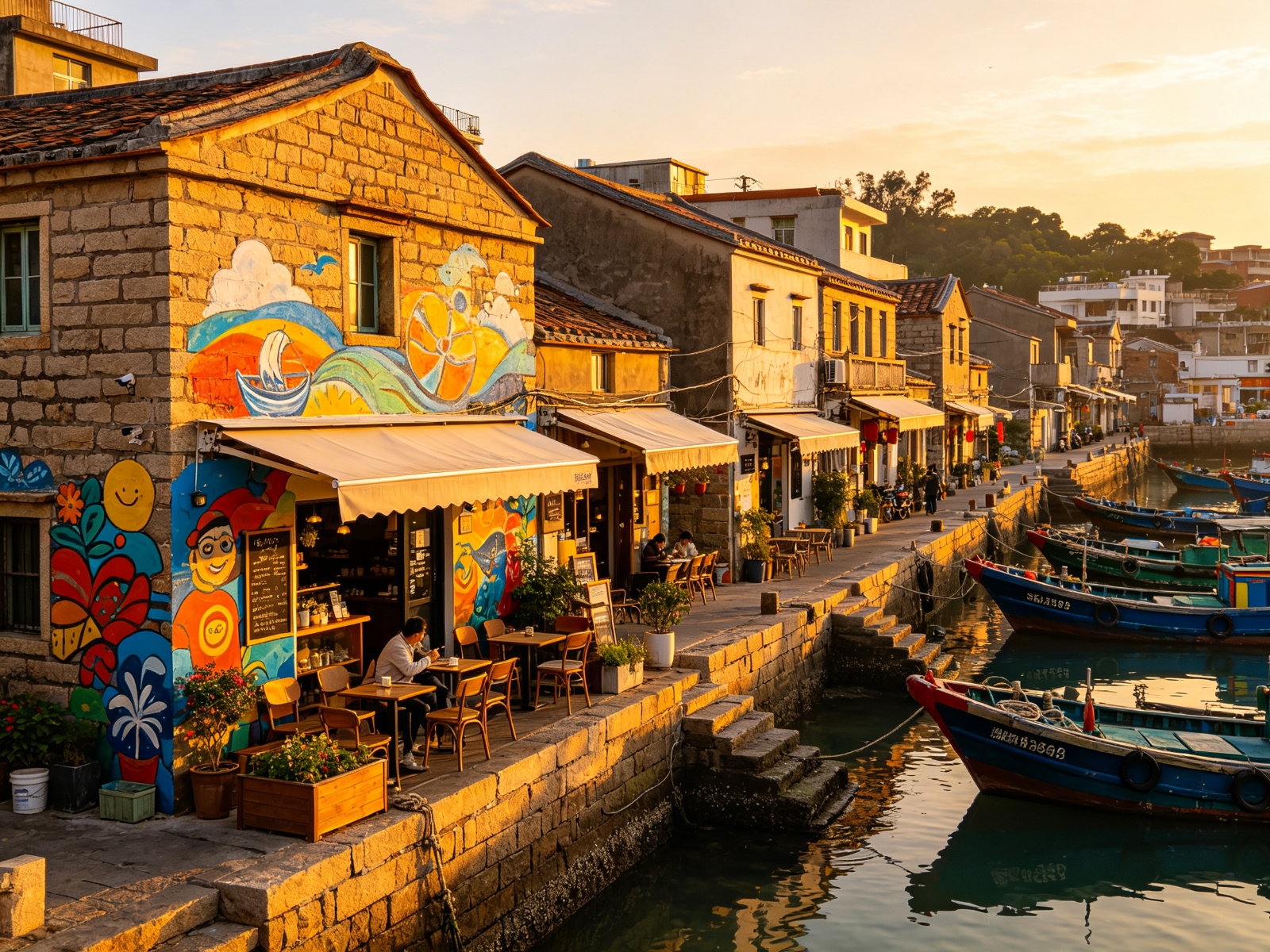
  • Gulangyu Island
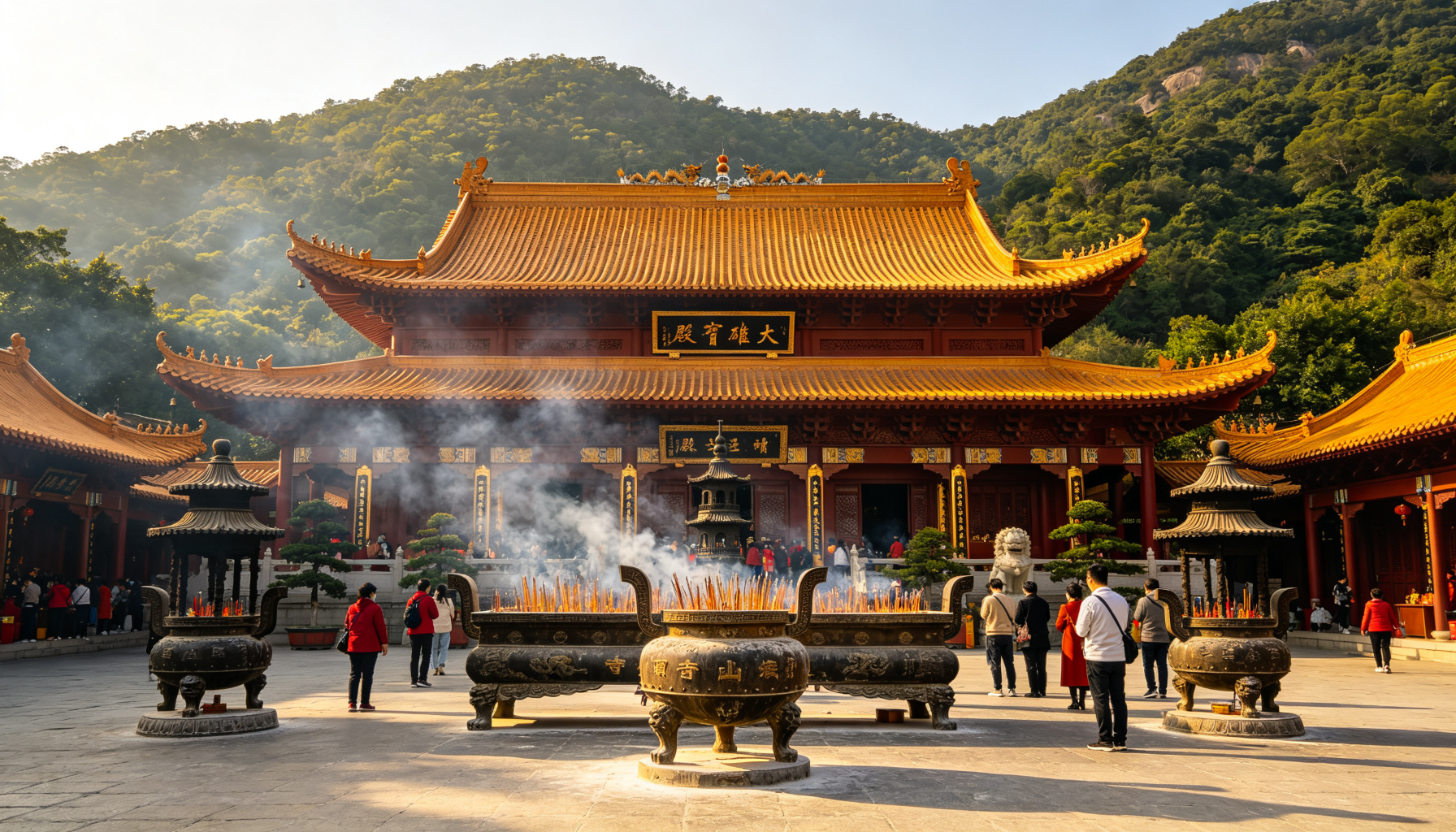
  • Nanputuo Temple
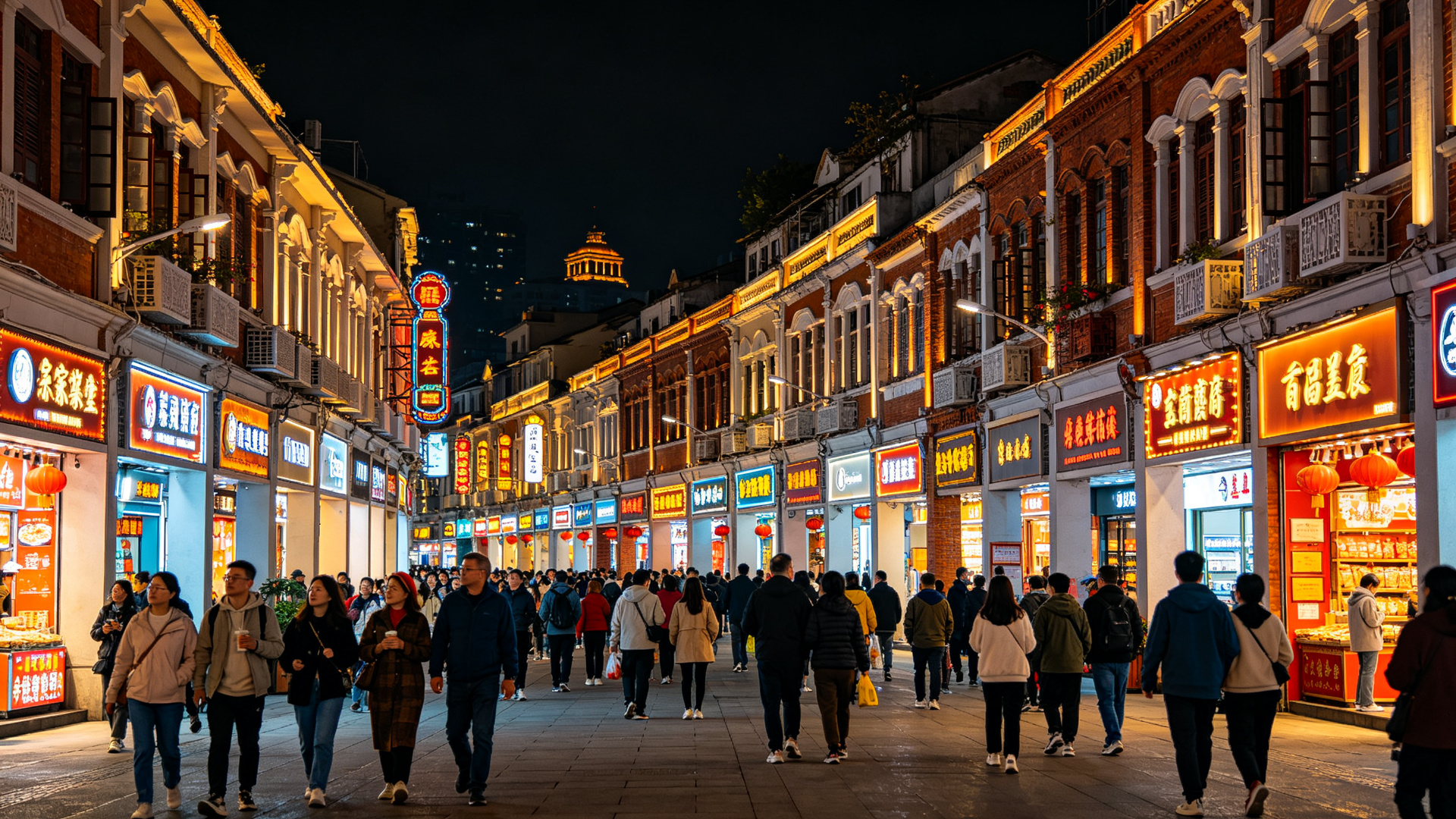
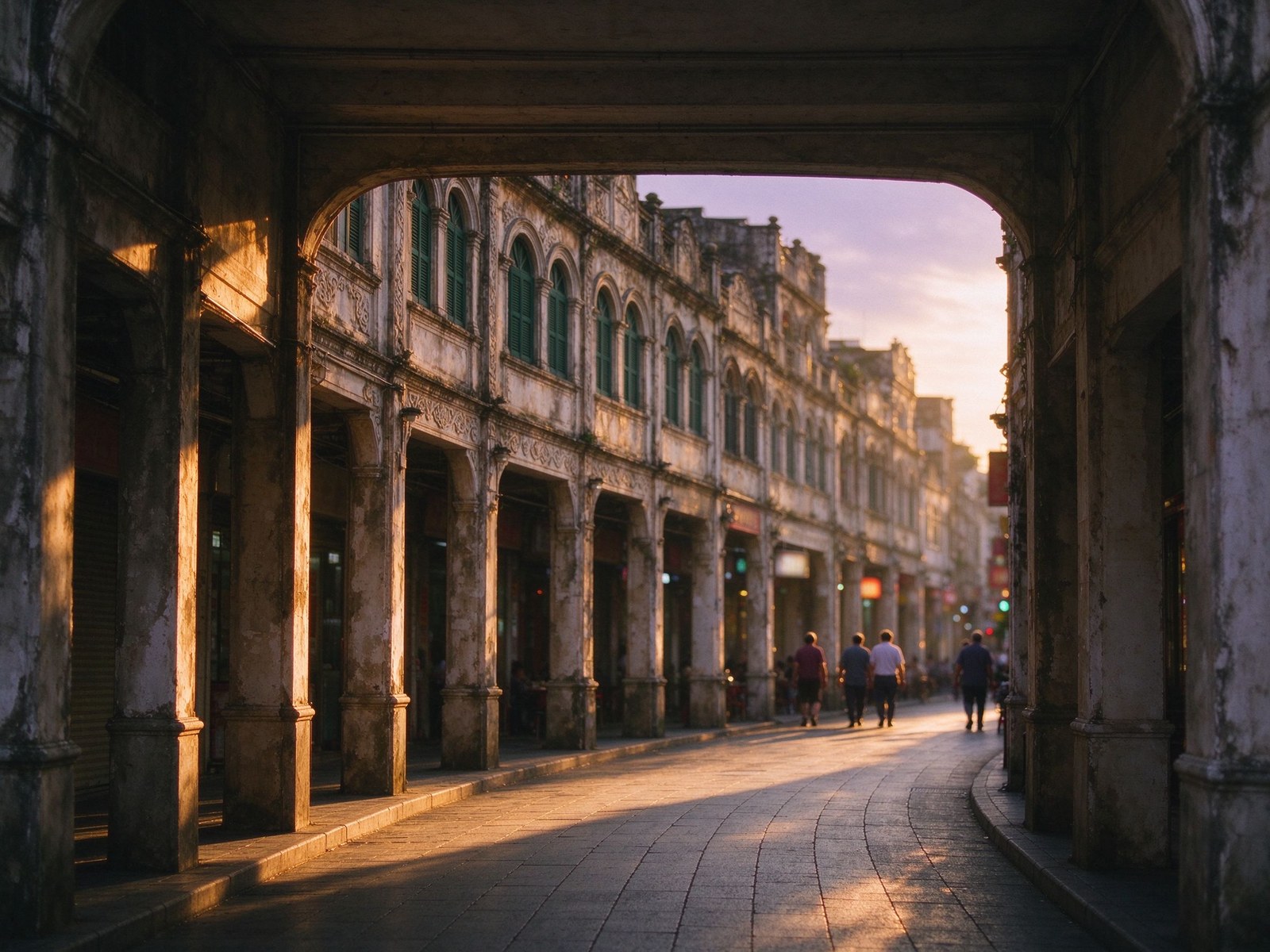
  • Zhongshan Road Pedestrian Street
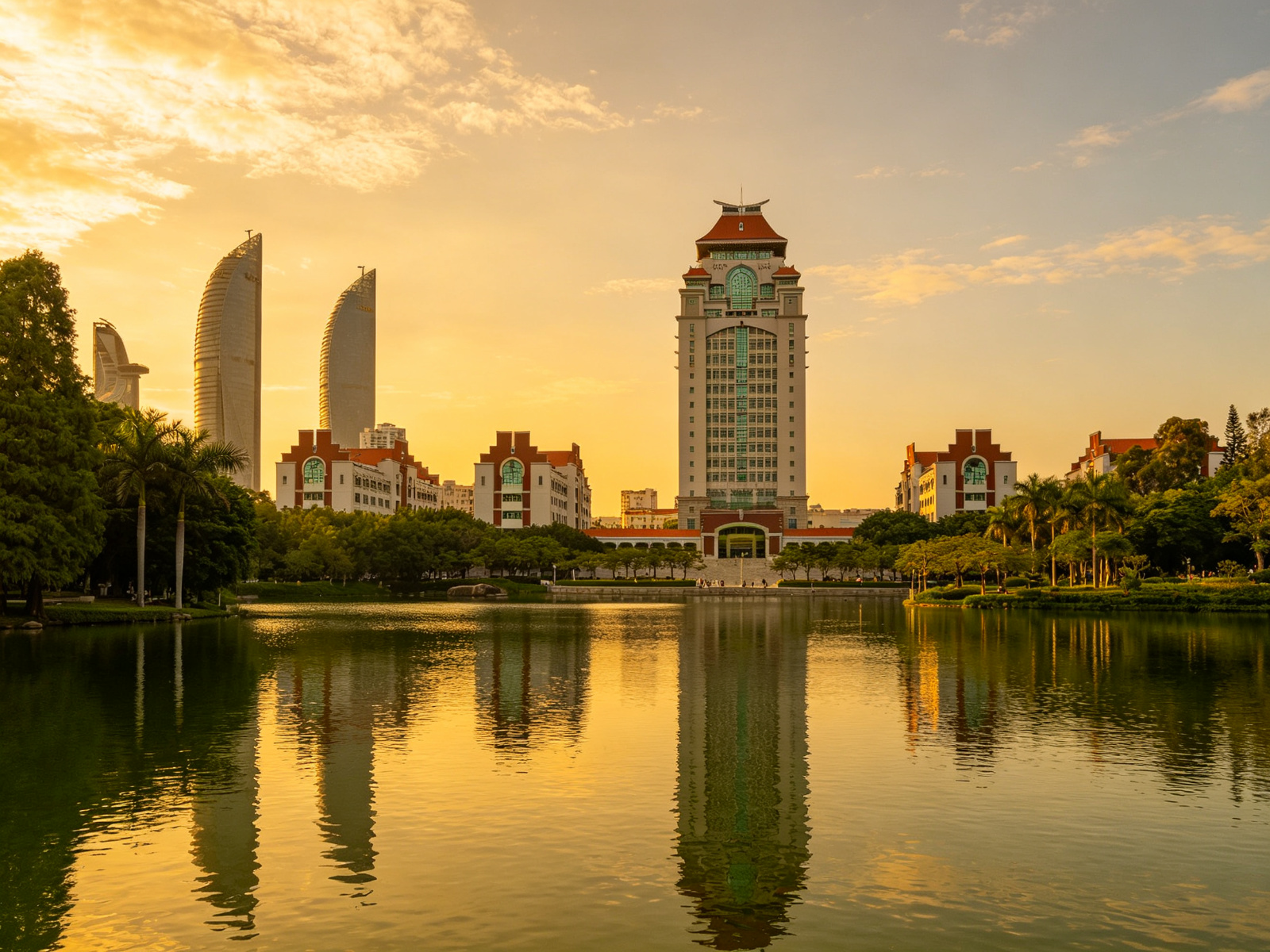
  • Xiamen University & Baicheng Beach
Getting Around
Metro (3 lines) + BRT. Didi cheap. Ferry to Gulangyu. High-speed rail to Fuzhou (1.5h), Shenzhen (3h).
1

Why make a special trip

One ferry to a car-free UNESCO island

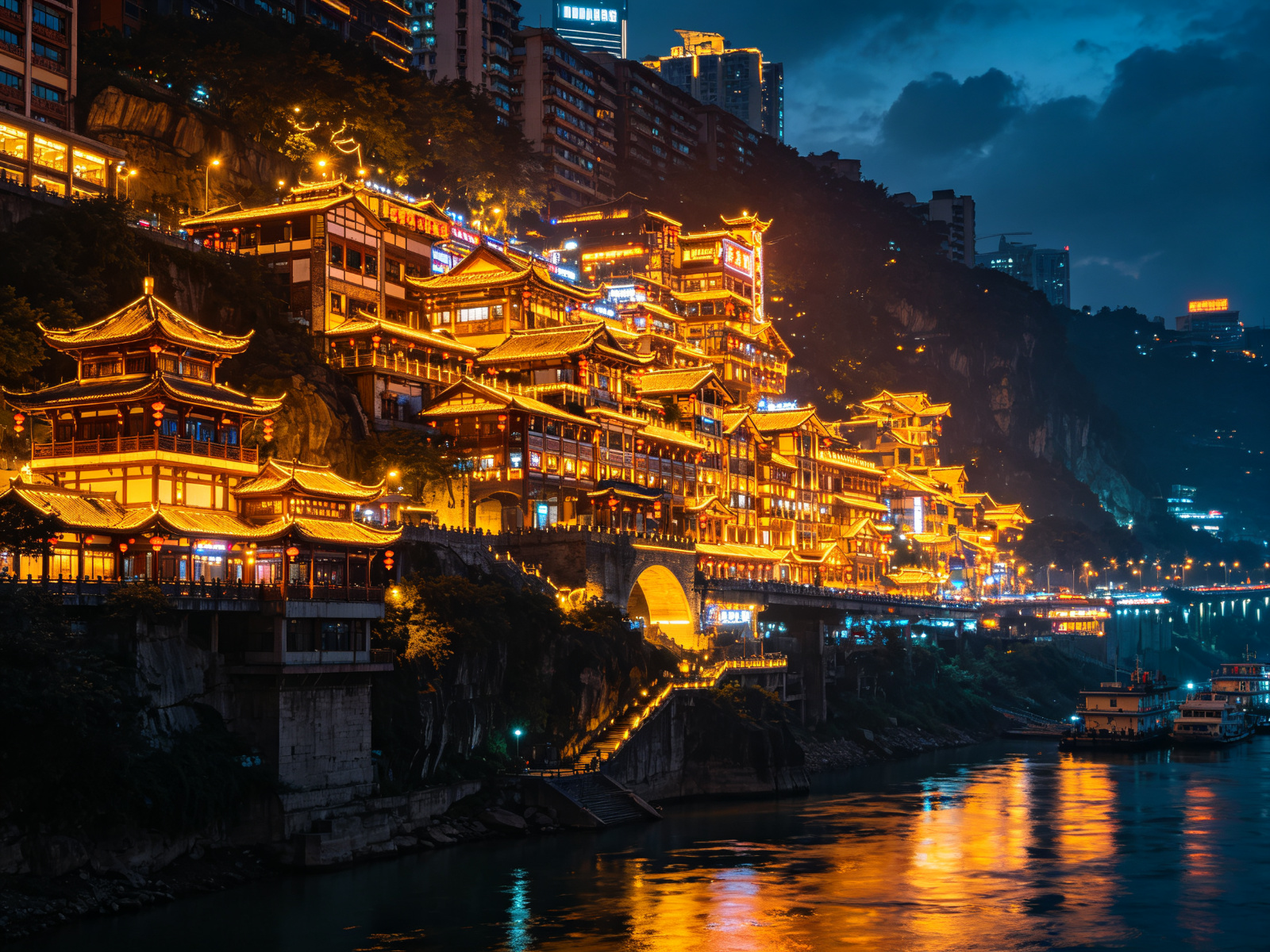
Gulangyu is 1.88 km² of consular-era villas, organ architecture and lanes closed to motor vehicles; you read it on foot or rented cart, not from a tour-bus window. Take the official ferry from the cruise-center wharf rather than a street pitchman's 'shortcut'.

A temple, a campus, a beach on one road

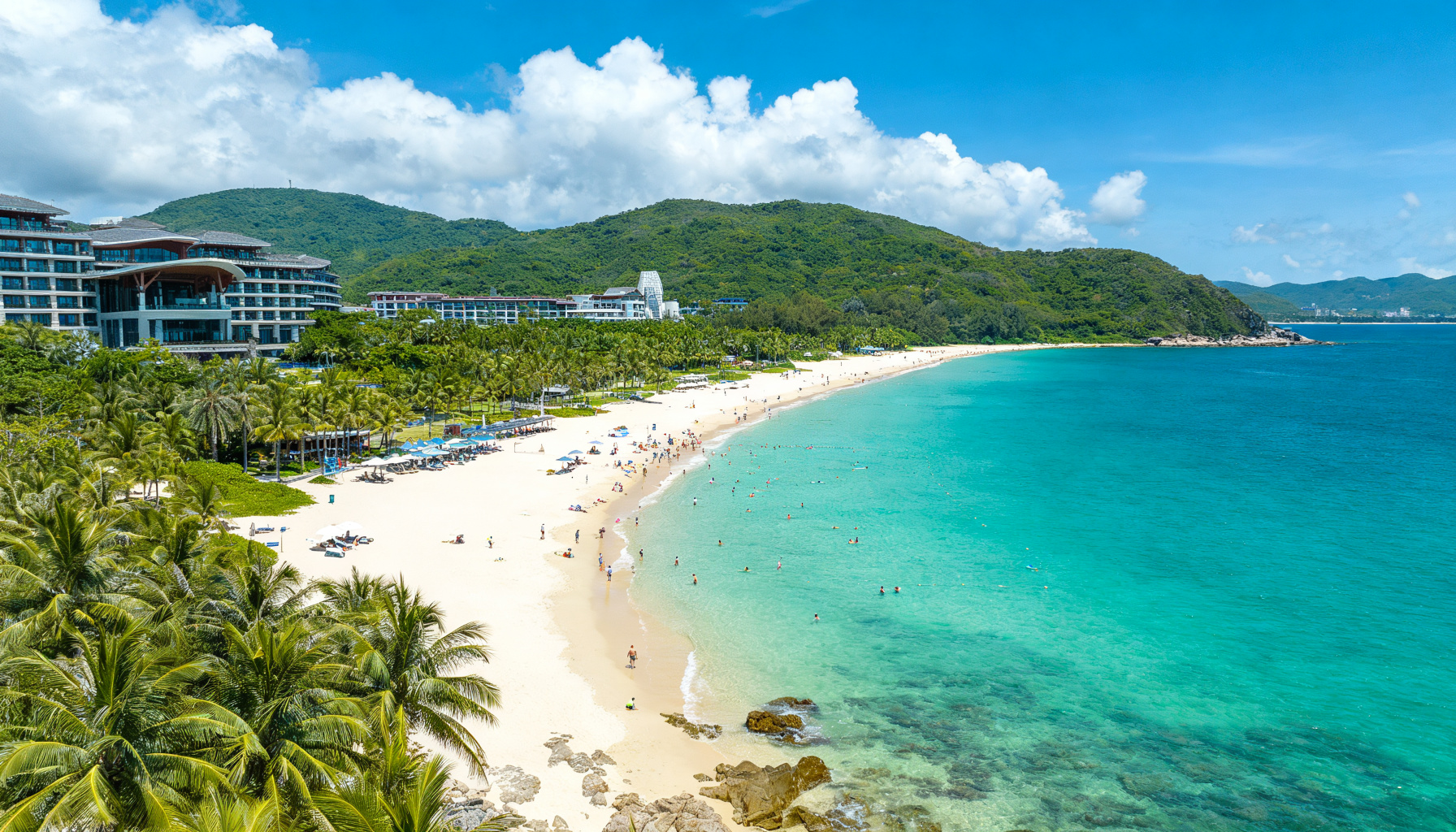
On Siming South Road you walk Nanputuo Temple, then Xiamen University's gated campus, then downhill to Baicheng Beach for sunset — the whole half-day needs no transport, only reservations for the temple and the campus.

Minnan port food, not a generic coastal menu

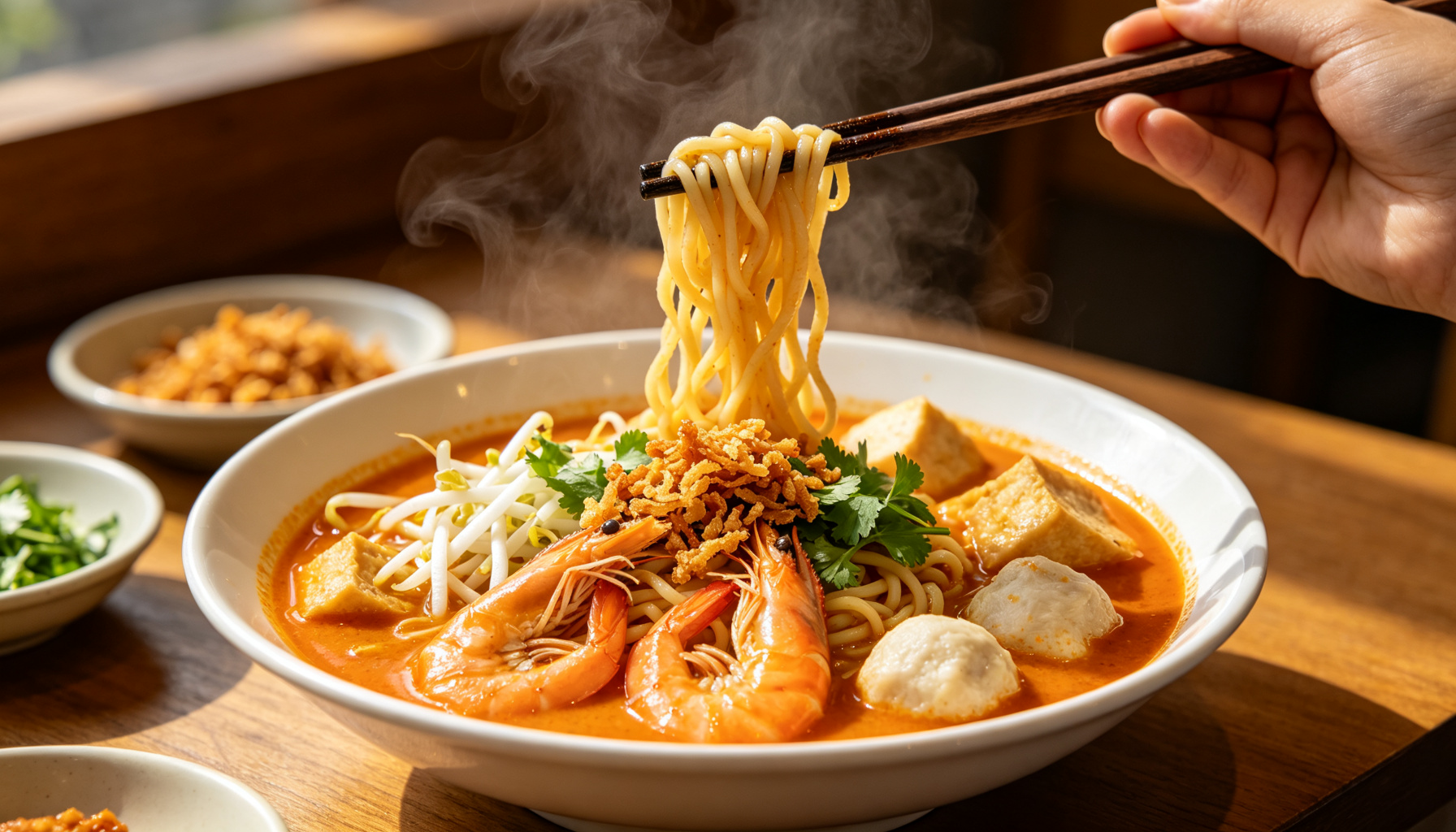
Shacha noodles, oyster omelet and peanut soup trace Xiamen's Southeast-Asia trade routes; eat them at old-house stalls on Zhongshan Road rather than branded 'Gulangyu souvenir snack' counters.

2

Gulangyu heritage island line: ferry in, villas and Sunlight Rock on foot

The city’s signature line — depth entry, not a checklist.

The signature is the island itself: cross from Dongdu (cruise center) to Sandan (三丘田) or Neicuo'ao wharf, then walk the consular-villa lanes to Sunlight Rock, Shuzhuang Garden and the organ museum. Buy the ferry only on xmferry.com or the official '屿见厦门' mini-program; round-trip ordinary boat is ¥35, luxury ¥80, per the operator's 2024 fare notice. Separate small tickets cover individual island attractions.

Related sight detail
3

Experiences in this city

Add to trip to compare and prepare; check partner links for slots and price when shown.

Experience listings are still growing — plan with routes & culture, or request planning help.

4

Sights & culture

Beyond ticket notes — read the city’s character first.

A treaty port that became an international settlement

After Xiamen opened as a treaty port in 1842–43, Gulangyu grew into an international settlement where 13 nations built consulates, churches and villas between the 1840s and 1940s — that layering of Chinese courtyard houses with colonial veranda architecture is exactly what UNESCO inscribed in 2017.

The piano on a hill, and the Nanyin under it

Gulangyu's 'island of music' nickname came from overseas Chinese bringing pianos back from Southeast Asia; on the mainland, Minnan Nanyin opera and temple fairs kept a older vernacular tradition alive. The island is the export branch, the temple fairs the root.

Nanputuo: a thousand-year temple facing Taiwan

Nanputuo sits at the foot of Wulao Peak and traces its lineage to the Tang; it became the head temple for Minnan and Taiwanese Buddhist lineages. The free incense at the entrance and the vegetarian restaurant are still part of how locals use it, not a show.

Xiamen University: a 1921 overseas-Chinese foundation

Founded in 1921 by Tan Kah Kee (陈嘉庚), the campus mixes Minnan red-brick architecture with colonial-style halls. The Furong Tunnel graffiti and the lake are visitor highlights, but remember it is a working university — weekday entry is limited to a noon window by reservation.

Shacha and the Southeast-Asia trade flavor

Shacha (satay) noodles and oyster omelet are not generic coastal snacks; they are the taste of Minnan laborers sailing to and from Southeast Asia. Order them at old stalls where locals queue — that is the continuity to read.

5

1–3 day routes

Executable skeletons: day-by-day anchors you can trim to fit.

1-day

1-day core: Gulangyu island, Zhongshan Road night

  1. Morning: ferry from Dongdu cruise center to Sandan wharf (book the 08:00–09:00 sailing ahead); walk the consular-villa lanes
  2. Midday: Sunlight Rock viewpoint and Shuzhuang Garden; simple lunch on the island
  3. Afternoon: return to the mainland before the late-afternoon crowd; rest at a Zhongshan Road cafe
  4. Evening: Zhongshan Road arcade street — peanut soup, oyster omelet, shacha noodles

For one-day transits who want the iconic island and the old street food on the same day.

6

Food & what to buy

Xiamen eating is port food: shacha noodles, oyster omelet, peanut soup, live-tank seafood. Eat the old-house stalls on Zhongshan Road and the temple vegetarian hall; avoid the branded 'Gulangyu specialty' counters that sell packaged snack platters to tour groups. Food gifts keep small and dry — peanut candy and seaweed travel; fresh oyster omelet does not.

  • Shacha noodles: order at a local noodle shop where residents queue; pick your own toppings (shrimp, tofu-puff, liver) in the cabinet rather than the set on the menu photo.
  • Oyster omelet: best off the main Zhongshan Road stalls; ask if the oysters are local small ones (本港海蛎) — they taste sweeter than the imported large ones.
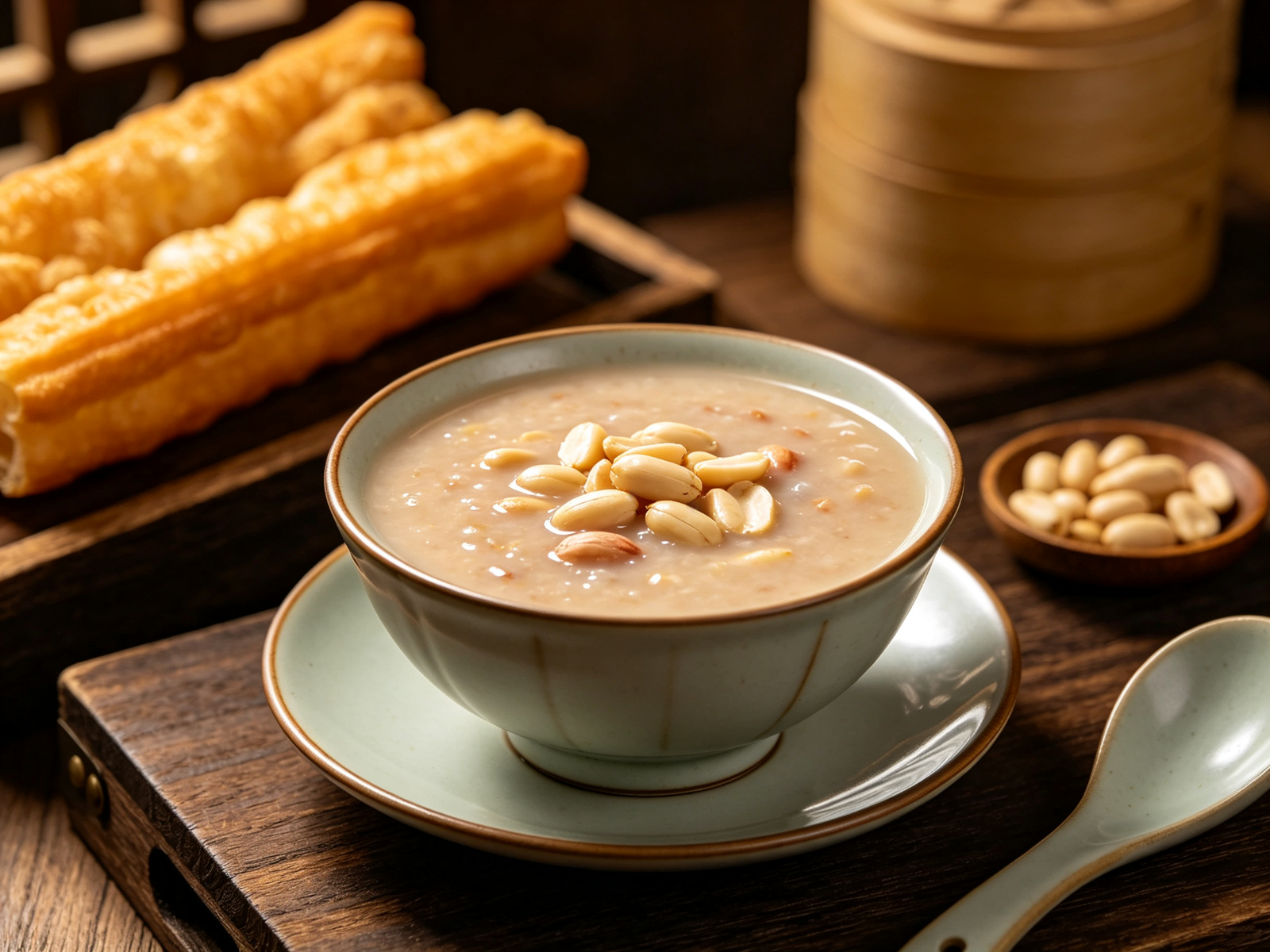
  • Peanut soup: the old-house version (e.g. Huang Ze He on Zhongshan Road) is slow-simmered and served with youtiao for dipping; eat it warm, not as a takeaway sweet.
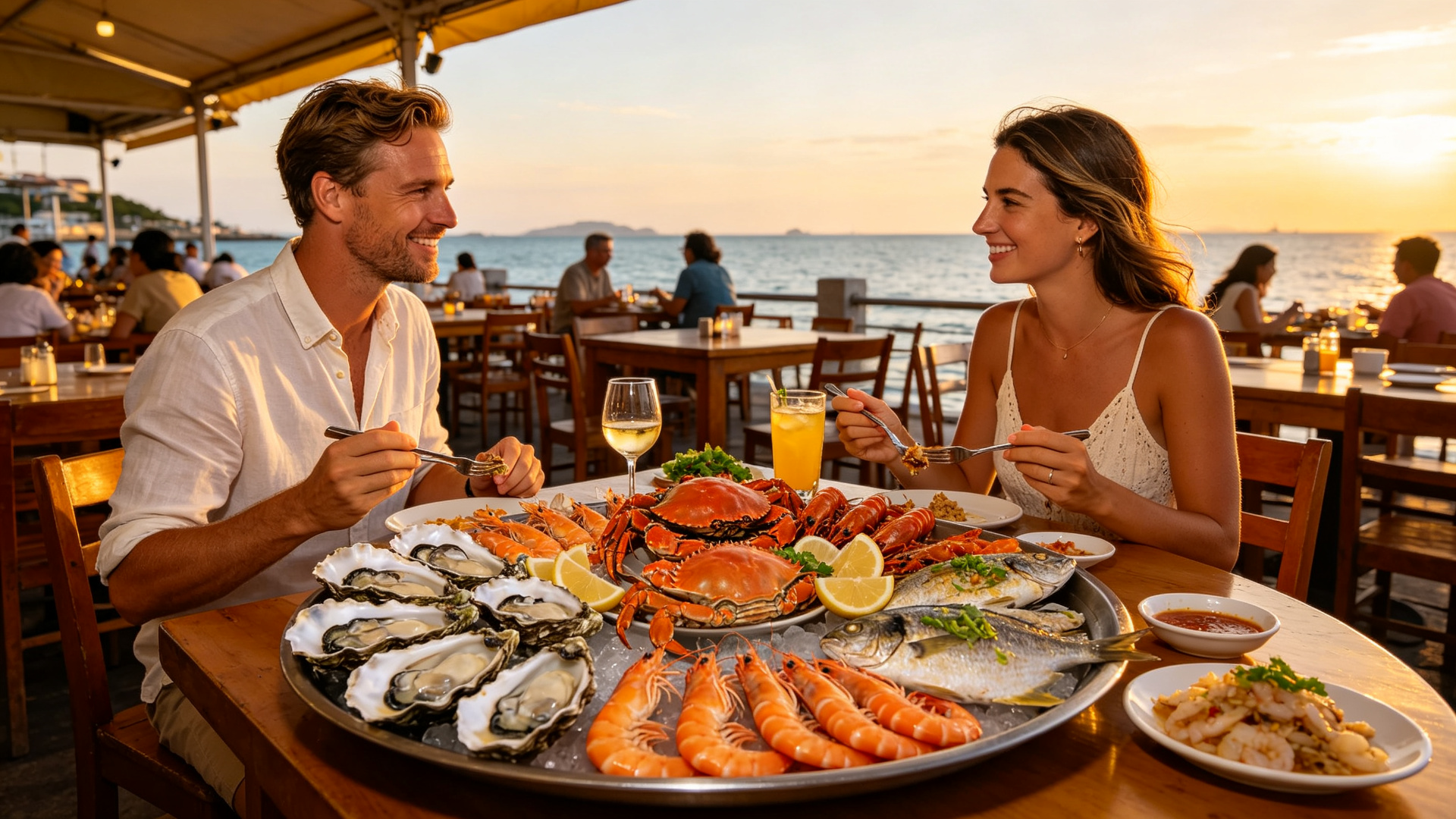
  • Seafood: choose live fish/crab/shrimp from the tank at a local restaurant and watch it weighed; Zengcuo'an is convenient but tourist-marked — confirm the price per 500 g before ordering.
  • Gifts: take sealed peanut candy (花生酥), dried seaweed (紫菜) or Minnan tea; skip the oversized 'Gulangyu souvenir' boxes full of identical cookies.
  • Drinks: try the local soybean-milk and shacha breakfast combos in the old lanes, not the branded island-cafe sugar drinks aimed at selfie traffic.
7

Getting there & tips

Best time: October–April (avoid summer heat/typhoons) · Subtropical maritime — mild winters, hot summers

Metro (3 lines) + BRT. Didi cheap. Ferry to Gulangyu. High-speed rail to Fuzhou (1.5h), Shenzhen (3h).

Xiamen visitor handbook

Payments & cards

Alipay/WeChat with a linked foreign card works in chains, metro gates and the ferry booking mini-programs; carry ¥100–200 cash for old stalls. ID matters more: the ferry, Nanputuo Temple and Xiamen University all check real-name ID/passport — bring the physical passport used to book.

Crowds & booking windows

Gulangyu ferry tickets sell out on weekends and holidays; book up to 15 days ahead on the official '屿见厦门' mini-program. Nanputuo is free but needs the official '南普陀寺预约服务平台' mini-program. Xiamen University uses a reservation draw — weekdays only admit 12:30–14:00, weekends/holidays 8:00–18:00.

Etiquette at temples and campus

At Nanputuo, dress with shoulders and knees covered, keep voices low, and do not photograph worshippers directly. On the Xiamen campus, do not enter classrooms or dorm areas, and keep to the visitor route; it is a working university, not a theme park.

Safety & practical

Typhoon season runs roughly July–September; ferry sailings can be suspended in rough weather, so buffer a half-day around the island trip. On Gulangyu the lanes are stepped and slippery after rain — flat shoes. Do not buy 'ferry tickets' from street scalpers; the official channels are xmferry.com, its WeChat/Alipay official accounts and '屿见厦门'.

Getting around

Metro Line 1 runs through the old city center (Zhongshan Park station is the anchor for Zhongshan Road and Shapowei); Lines 2/3 cover the wider bay. The Gulangyu ferry departs from Dongdu cruise center for tourists (residents use different wharves). Didi is cheap for cross-town hops.

Connectivity

Hotels and cafes have solid Wi-Fi; get a local SIM or eSIM at the airport for continuous data, since the ferry and temple mini-programs need a working China data connection to book on the spot.

Getting around

Metro (3 lines) + BRT.

Navigation

Didi cheap.

Pay

Metro, stalls, and rides mostly take Alipay or WeChat. Set up Alipay with a foreign card before you land.

Show this

Show the Chinese name “厦门” to drivers and staff. It beats a long English explanation.

MetroMetro (3 lines) + BRT. Didi cheap. Ferry to Gulangyu. High-speed rail to Fuzhou (1.5h), Shenzhen (3h).
BusCity buses serve the area, but routes change. Use Amap/Baidu for the live stop and last bus near Xiamen.
Taxi / DidiDidi or a licensed taxi is the simplest door-to-door. Set destination to “厦门” and pay in-app with Alipay/WeChat.

Xiamen hotels, transfers & popular bookings

Book tickets, transfers, and popular tours via partners first — then request deeper local experiences through ChinaPie.

Disclosure: Some links are affiliate links. ChinaPie may earn a commission on eligible bookings at no extra cost to you.

Prices shown are planning references only. Actual rates fluctuate with season, holidays, demand, and partner promotions — the price at checkout on the booking site is authoritative.

8

Xiamen FAQ & next step

Conversion stays soft — clear next steps: plan this city, or request planning help.

Is Xiamen safe for tourists?

Yes for typical tourist areas. Keep phones and bags secure on metro and in crowded night spots; use licensed taxis or Didi.

Do I need a visa to visit Xiamen?

Depends on your passport. Check ChinaPie Plan & Prep → Visa for 30-day visa-free and 240-hour transit options before booking.

Can I use Alipay in Xiamen?

Yes—foreigners can set up Alipay with passport + international card. See /prep/alipay-setup for the step-by-step guide.

How do I get to Gulangyu Island?

Take the ferry from Dongdu Cruise Center (daytime) or Xiagu Wharf (night). ¥35 round trip. Book 1–2 days ahead via WeChat '厦门轮渡'—weekends and holidays sell out fast. The 5-min crossing offers great skyline views.

Which countries are visa-free for China in 2026?

China offers unilateral visa-free entry to 40+ countries including France, Germany, UK, Japan, South Korea, Singapore, Malaysia, Thailand, Italy, Spain, Netherlands, Switzerland, Sweden, Norway, Denmark, Finland, Belgium, Austria, Ireland, Portugal, Greece, and more. Stay: up to 30 days. IMPORTANT: US passport holders are NOT on the unilateral visa-free list and need a visa. Check latest list at China Immigration official site before travel.

Do US citizens need a visa for China?

Yes. US passport holders need a visa to enter mainland China. The 10-year multiple-entry tourist visa (L visa) is common: $185 fee, processing 3-5 business days. You can also use the 240-hour transit visa-free if transiting to a third country. Apply at Chinese embassy/consulate or via authorized visa agencies. Many travel blogs incorrectly say US is visa-free — this is false.

Can I use my foreign credit card in China?

Major hotels, international restaurants, and large malls accept Visa/Mastercard. But most small shops, street food, taxis, and local experiences only accept Alipay or WeChat Pay. Link your foreign card to Alipay (Tour Card) for daily use. Carry some cash (¥500-1000) as backup.

Is China safe for foreign tourists?

China is consistently ranked among the safest countries for tourists. Violent crime against foreigners is extremely rare. Common issues: pickpocketing in crowded areas (train stations, metro), taxi scams at airports, and fake goods at markets. Normal precautions apply: keep valuables secure, use licensed taxis/Didi, don't accept unsolicited tours. Women traveling solo generally feel very safe even at night.

How many days do I need in Xiamen?

Most first-timers do well with 1–3 days. Start with the 1-day core: Gulangyu island, Zhongshan Road night, then expand to 2–3 days if you want slower food and culture. Use Plan this city to turn stops into a workable week.

Can I pay with a foreign card in Xiamen?

Foreign cards work more often via Alipay / WeChat Pay tourist modes and some metro apps, but coverage still varies by merchant. Keep a small cash float and set payment apps up before peak sightseeing. See the practical section on this hub for city-specific notes.


Plan this city
XiamenCity hub
Plan