
Chengdu China Travel Guide 2026: Pandas, Teahouses, Hotpot and What It Costs
Chengdu is the laid-back capital of Sichuan, home to giant pandas, open-air teahouses, hotpot that runs until midnight and a night-market scene foreign visitors keep coming back for. Here is what to see, what to eat and what it costs in 2026.
Key takeaway
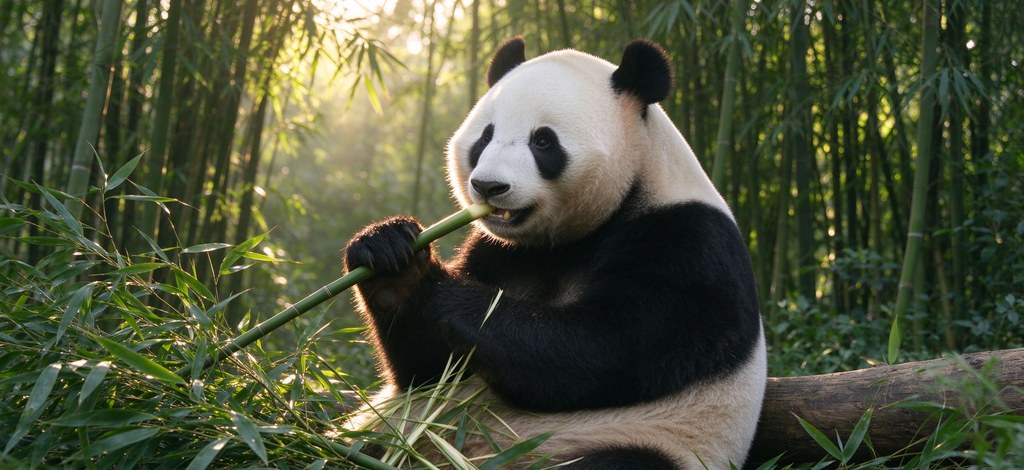
Chengdu is the capital of Sichuan Province in southwest China, about 1,500 km southwest of Beijing. Must-dos: the Giant Panda Breeding Base (book morning tickets, ~55–110 yuan), People's Park teahouse (15–30 yuan tea, 30–50 yuan ear cleaning), Kuanzhai Alley, Wuhou Shrine & Jinli, and Dujiangyan. A comfortable solo day costs 200–350 yuan.
Full report
Where Is Chengdu?
Chengdu is the capital of Sichuan Province in southwest China, sitting on the western edge of the Sichuan Basin. It is roughly 1,500 km southwest of Beijing and about 300 km northwest of Chongqing. The city is a major rail and flight hub: high-speed trains run to Chongqing in about an hour and to Xi'an in about three, and Chengdu Tianfu International Airport connects direct flights from most of Asia and a growing list of Europe and North America routes.
Why Travelers Love It
Chengdu has a reputation that precedes it — the city that drinks tea, plays mahjong and takes its time. That is partly tourism folklore, but the pace is real: outdoor teahouses spill onto the streets, people-watching is a sport, and the food scene is one of the strongest in China. It is also the only major Chinese city where you can see giant pandas in the morning and eat hotpot at midnight.
The Giant Panda Base: Book Morning Tickets
Chengdu Research Base of Giant Panda Breeding is the top reason most travelers come. Go early — pandas are most active in the morning before the heat, and the base opens around 7:30 a.m. Allow three hours. Book tickets online in advance through official channels or Trip.com; the base is about a 40-minute drive from downtown, or reachable by metro plus a short walk or taxi.
Teahouses, Old Streets and Temples
- People's Park — the classic Chengdu experience: a bamboo chair, a cup of jasmine tea (15–30 yuan), and an afternoon of watching locals play mahjong. Ear-cleaning vendors walk the tea gardens — a Chengdu tradition that went viral on TikTok in 2025 and is now a must-try for many foreign visitors (around 30–50 yuan).
- Kuanzhai Alley (Wide and Narrow Alleys) — restored Qing-dynasty lanes packed with tea houses, snack stalls, shadow-puppet shops and hanfu photo studios. Free to wander; best in early evening.
- Wuhou Shrine & Jinli — the Three Kingdoms memorial and its lively old-street market next door. Jinli comes alive at night with street food, puppet shows and lanterns.
- Dujiangyan — a 2,300-year-old irrigation system, still in use, about an hour west of the city. It is a UNESCO World Heritage site and an easy half-day trip that shows why Sichuan has been so fertile for so long.
What to Eat
- Hotpot — Chengdu's answer to the city's damp winters: a bubbling pot, usually Sichuan peppercorn numbing spice, with everything from beef tripe to lotus root. Local chains run about 80–150 yuan per person for a full meal.
- Dan dan noodles — the classic street bowl, peanut-sesame sauce and chili, a few dollars a bowl.
- Mapo tofu, boiled fish, and rabbit dishes — Chengdu is the heartland of Sichuan cuisine; try the versions at local restaurants rather than hotel buffets.
- Night markets — food streets stay busy past midnight; a full street-food crawl runs 30–60 yuan. Chengdu's wet-market hopping trend (Sichuan's Sishisi market, where a qipao tailor now earns close to a third of her monthly revenue from overseas orders) is the kind of neighborhood experience travel platforms rarely list.
Costs in 2026
| Item | Price (yuan) |
|---|---|
| Panda base entry | ~55 (off-peak) / ~110 (peak) |
| Jasmine tea in People's Park | 15–30 |
| Ear cleaning (teahouse) | 30–50 |
| Hotpot for one | 80–150 |
| Street food crawl | 30–60 |
| Metro ride | 2–8 |
| Budget hostel bed | 80–150 |
A comfortable solo day (transport, food, one attraction, tea) lands around 200–350 yuan (about 30–50 USD) — well under what the same day costs in Tokyo, Seoul or Paris.
Practical Tips
- Use Alipay or WeChat Pay everywhere; most stalls and teahouses are cashless.
- Install a translation app with photo mode for menus.
- The metro is clean and English-signed; DiDi (ride-hailing) works through Alipay.
- Chengdu is humid in summer and chilly in winter — pack layers.
- Stay near Chunxi Road/Taikoo Li for walkable access to old streets and nightlife, or near the panda base if you want the earliest tickets.
More China travel guides: China Trip Preparation Checklist 2026 · Chinamaxxing: Market Hopping in China · China Transport Guide · China Night Markets Guide
What to do next
Book panda base tickets for a morning slot, stay near Chunxi Road/Taikoo Li, and plan a day as: pandas in the morning, People's Park tea in the early afternoon, Kuanzhai Alley and Jinli at night, hotpot to finish.
What may vary
Panda base prices differ peak vs off-peak; ear-cleaning is a teahouse service and pricing varies; hotpot prices depend on restaurant level; summer is humid and winter is chilly.