
China Etiquette & Culture Tips: Tipping, Dining, Gestures (2026)
Do you tip in China? How to use chopsticks? What gestures are rude? Essential etiquette tips for dining, shopping, temples, and social interactions.
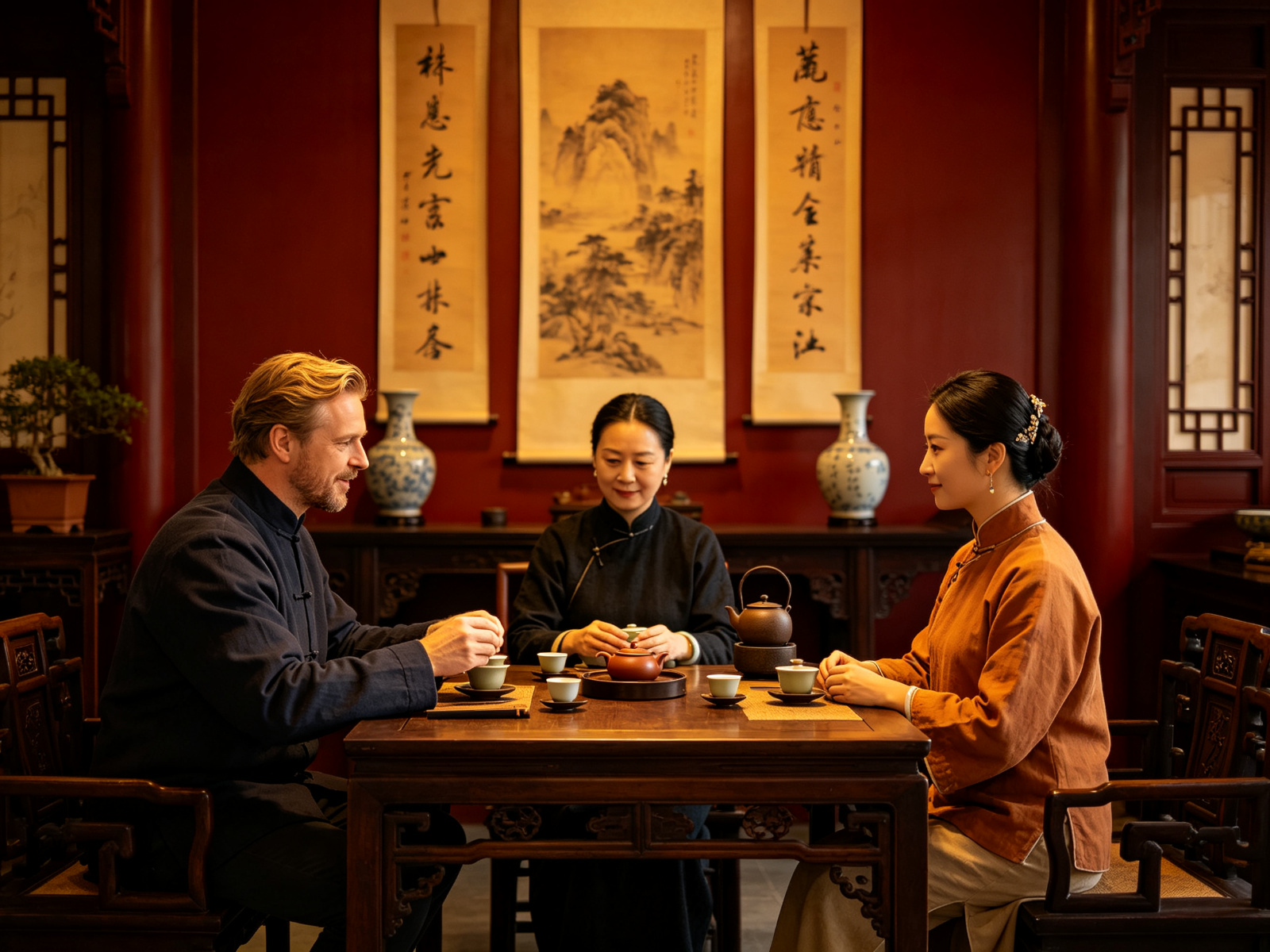
Key takeaway
- Chinese culture values harmony, respect, and face (mianzi). Most locals are forgiving of foreigners who make honest mistakes. The most important things: don't tip, learn basic chopstick etiquette, remove shoes in homes, be respectful at temples, and avoid sensitive political topics. Chinese people are generally warm and welcoming.
Full guide
Tipping in China: Don't Do It
Tipping is NOT customary in China and is generally not expected. Service workers are paid a wage and tipping can cause awkwardness. Some high-end international hotels and tour guides may appreciate tips, but it's never required. A sincere thank you (谢谢, xiexie) or a small gift from your home country is more meaningful than money.
- When tipping might be appropriate
Only in specific situations: (1) Private tour guides who've gone above and beyond — 50-100 RMB per day. (2) High-end international hotel staff — 20-50 RMB for special help. (3) If a service provider explicitly mentions tipping (rare). In all other cases, no tip is needed.
- How to show appreciation without tipping
Better alternatives: (1) Learn to say xiexie (谢谢). (2) Bring small gifts from your home country for people who help you. (3) Write a positive review or tell their manager. (4) Smile and be friendly — genuine warmth is the best currency.
Tip: If someone insists on giving you a discount or free item as a foreign guest, accept graciously with a smile and xiexie. Refusing repeatedly can cause loss of face (mianzi).
Dining Etiquette: Chopsticks, Seating & Toasts
Dining is central to Chinese culture. Meals are shared family-style with round tables and Lazy Susans. The host or eldest sits facing the door. Wait for the host to start eating. Chopstick etiquette matters — never stick them upright in rice (funeral symbolism), never point with them, don't dig through shared dishes.
- Seating: where to sit
At formal meals, the host or most senior sits facing the entrance (seat of honor). Guest of honor sits to host's right. If you're a guest, wait to be seated. At round tables, take small portions from dishes closest to you, don't reach across others.
Tip: If unsure where to sit, stand and wait — someone will gesture you to a seat. Sitting in the wrong seat at a formal dinner can be a minor faux pas.
- Ordering and eating
The host usually orders but may ask your preferences. Chinese meals have multiple shared dishes — typically 1 per person plus soup and rice. Dishes arrive one at a time. Try everything — refusing can be seen as rejecting hospitality. Take small portions. Don't pour soy sauce over rice.
Warning: Never flip a fish over after eating the top side — especially in coastal areas and with fishermen. Flipping the fish symbolizes capsizing a boat. Eat the top side, then remove the backbone to access the bottom meat.
- Toasting (ganbei)
Toasting is big at Chinese meals, especially business meals. The host starts with a welcome toast. When toasted, stand (if formal), raise glass, make eye contact. Say ganbei (干杯) — means cheers but traditionally empty your glass. A sip is fine if you say suibian (随便). When clinking, lower your glass below older/more senior people's.
Tip: If you don't drink alcohol, toast with tea, water, or juice. Say wo bu he jiu (我不喝酒). No one will pressure you.
Social Etiquette: Greetings, Names & Conversation
Chinese social interactions are guided by respect for hierarchy, age, and status. Greetings are a handshake (business) or nod (casual). Bowing is Japanese — don't do it. Use title + surname (Wang xiansheng = Mr. Wang). First names only among close friends. Personal questions about age, income, marital status are common and show care. Avoid sensitive topics: Taiwan, Tibet, Xinjiang, Tiananmen, political criticism.
- Business card (mingpian) etiquette
Present your card with both hands, Chinese side up. Receive with both hands, look at it for 2-3 seconds (read name and title), then place carefully on the table or in a card holder. Never write on someone's card in their presence, never fold it, never shove it in your back pocket (sitting on a card is disrespectful).
- The art of face (mianzi)
Face (mianzi) = dignity, reputation, social standing. The most important cultural concept. Giving face = complimenting publicly, acknowledging status, letting them win. Losing face = being criticized publicly, being shown up. As a visitor, you automatically have guest face — people will be extra polite. In return, be generous with praise, avoid correcting/criticizing in public. Disagree privately and gently.
Tip: If you make a mistake, laugh it off and say buhaoyisi (不好意思). Chinese people are very forgiving of foreigners' mistakes — attitude matters more than perfection.
Temple & Sacred Site Etiquette
China has Buddhist, Taoist, Confucian, and Muslim sacred sites. Most are open to tourists but require basic respect. Dress modestly — cover shoulders and knees. Remove hats and sunglasses inside. Don't point at statues. Photography usually allowed outdoors, often prohibited inside halls (look for signs). Be quiet when people are praying. Burning incense (烧香) is common — buy at entrance, light, bow three times, place in burner. Participation is optional.
- How to burn incense (if you want to)
At Buddhist/Taoist temples: (1) Buy incense (5-20 RMB) at entrance. (2) Light in burner. (3) Hold with both hands at chest level, bow slightly. (4) Face main hall, bow three times. (5) Optionally bow toward four directions. (6) Place in large burner — don't blow on it (disrespectful). (7) Enter temple and bow to statues. Optional — watching is fine.
Warning: Some temples prohibit outside incense (fire safety) and provide free incense inside. Look for signs. Never bring large amounts — 3 sticks is standard. Don't burn inside enclosed halls — only in designated outdoor burners.
Useful Phrases: Pinyin + Meaning + When to Use
Learning even a few phrases will dramatically improve your experience. Chinese is tonal — pronunciation matters, but locals appreciate effort. Pinyin is the official romanization. x = sh in sheep, q = ch in cheap, zh = j in jump, c = ts in bits. Don't worry about perfection — effort counts. Download Pleco or Google Translate offline for camera translation of menus and signs.
- The 5 phrases that will change your trip
Memorize these five: (1) 你好 (nǐ hǎo) = hello. (2) 谢谢 (xiè xie) = thank you — say it often. (3) 不好意思 (bù hǎo yì si) = excuse me/sorry. (4) 不要辣 (bú yào là) = not spicy — essential for ordering. (5) 多少钱 (duō shao qián) = how much. These five cover 90% of daily interactions.
Tip: For speaking, type what you want in Google Translate and show the Chinese text to the person — works better than trying to pronounce difficult phrases. For reading, use the camera feature to translate menus and signs in real time.
Shopping & Bargaining Etiquette
Fixed-price stores (malls, brand shops) have set prices — don't haggle. Markets, street stalls, and tourist areas expect bargaining — it's part of the culture. Start at 50-60% of asking price, negotiate up. Be friendly and smile — aggressive haggling is rude. Never touch items you don't intend to buy (especially fragile ones). If you break something, you're expected to pay. Use Alipay/WeChat Pay — cash accepted but less common. For high-value purchases, be cautious of fakes and get receipts.
- How to haggle like a pro
(1) Smile and be friendly — it's a game, not a fight. (2) Ask duō shao qián (how much). (3) Counter with 50% or less for tourist markets. (4) Vendor acts shocked, comes down slightly. (5) Keep negotiating in small increments. (6) If can't agree, say tài guì le (too expensive) and walk away — 80% of the time they'll call you back. (7) If they don't call back, price was near bottom — go back and accept. (8) Once agreed, pay promptly, don't renegotiate.
Tip: Carry small bills — vendors may claim no change for large notes as a tactic. Have 10, 20, 50 RMB ready. If you agree on 80 RMB, hand over exactly 80 — don't give 100 and wait for change.
FAQ
Do I need to tip in China?
No. Tipping is not customary and not expected at restaurants, hotels, taxis, or spas. Service workers are paid a wage. The only exception might be private tour guides — 50-100 RMB/day is appreciated but never required. A sincere xiexie (谢谢) or small gift from home is more meaningful.
Is it rude to not eat everything on my plate?
No. In fact, cleaning your plate completely can signal you're still hungry and the host didn't order enough. It's polite to leave a small amount — shows you were satisfied. Chinese meals are shared family-style, so take small portions from shared dishes into your rice bowl.
Can I wear shorts and tank tops in China?
Yes, in major cities casual summer wear including shorts, tank tops, and sleeveless dresses is common and acceptable. However, at temples, mosques, and traditional sites, cover shoulders and knees — bring a shawl. In smaller towns, dress is more conservative, but tourists get leeway.
What topics should I avoid?
Avoid sensitive political topics: Taiwan, Tibet, Xinjiang, Tiananmen, criticism of government leaders. Safe: food, travel, family, hobbies, culture, history, sports, movies.
Is it safe to drink with business partners?
Drinking is part of business culture but NEVER obligated. Say wo bu he jiu if you don't drink. Pace yourself — baijiu is 40-60%. Ganbei means empty glass, suibian means a sip.
How do I address people?
Use title + surname: 先生=Mr, 女士=Ms, 老师=teacher, 经理=manager, 总=director. Friends: 小+surname for younger, 老+surname for older. When in doubt, 先生/女士 + surname.