
China Travel Gets a New Land Gateway: Huanggang Port Reopens with 5-Minute Clearance
Huanggang Port reopened Oct 12 — 24/7 clearance in about 5 minutes, 886K travelers in the first week. What it means for Hong Kong-Shenzhen trips and visa-free transit.
Key takeaway
新皇岗口岸 10-12 正式开通:全球单体规模最大陆路口岸建筑(68.97 万㎡),24 小时纯客运通关,'一地两检、一次放行'让通关时间从约 30 分钟缩至约 5 分钟;截至 10-19 累计查验出入境人员 88.6 万人次、车辆 7.4 万辆次。经香港进出大湾区的旅客多了一条高效通道。
Read on
A border crossing that changes the math
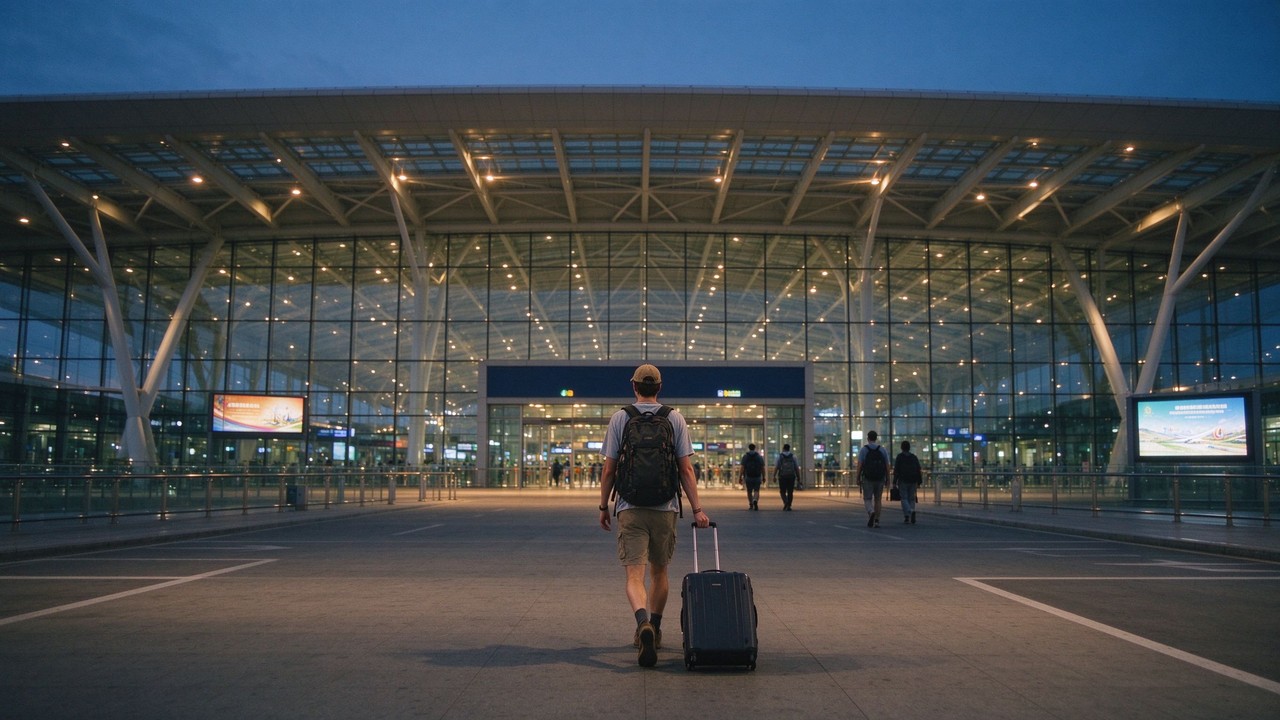
Huanggang Port, the land crossing between Shenzhen and Hong Kong, reopened on October 12 after seven years of rebuilding. The new terminal is the largest single land-port building in the world — 689,700 square meters across five floors above ground and four below — and it is now a passenger-only, 24-hour gateway.
The big change is how you cross. The old system meant two queues and two inspections. The new one runs a "co-inspection, single clearance" model: one queue, one data capture, with both sides checking in the background. Local authorities put the typical crossing time at roughly five minutes, down from about half an hour.
What it means for travelers
If your route touches Hong Kong, this matters more than any flight schedule. Land in Hong Kong late, and the border stays open all night — a red-eye arrival no longer forces you to wait out the morning in the terminal. For anyone using China's 240-hour visa-free transit (now 57 countries at 65 ports), the port is simply one more well-connected entry: come in via Hong Kong, clear in minutes, and you are inside the Greater Bay Area.
The port sits at the heart of the Hetao Shenzhen-Hong Kong cooperation zone, which puts you close to Shenzhen's tech corridor and about 30 minutes by metro from downtown Futian. From there, Guangzhou is about 30 minutes by high-speed rail, Hong Kong's own city center a short ride back across the border.
First-week numbers
The National Immigration Administration confirmed the port's early performance at its October 20 briefing: from opening day through October 19, Huanggang had already cleared 886,000 inbound and outbound passengers and 74,000 vehicles, with operations running safe, steady and orderly.
Practical tips
- Go 24/7: the port serves passengers and passenger vehicles around the clock — plan a night crossing instead of an overnight layover.
- One queue, both sides: keep your passport or travel document and any transit ticket handy; the co-inspection booth handles both authorities in a single pass.
- Use it as a Greater Bay Area base: clear in Shenzhen, then day-trip to Guangzhou, Zhuhai or back into Hong Kong without re-checking the border logic each time.
- Pair it with the visa-free rules: if you qualify for 240-hour transit, you can enter at any of the 65 ports and build a two-city loop instead of a single-destination trip.
Why it matters for your next trip
A five-minute border crossing turns Hong Kong and Shenzhen from two cities into one weekend. Night markets, street-food crawls and metro-accessible neighborhoods on both sides are suddenly easy to combine — which is exactly the kind of low-friction, high-flavor travel worth planning around. Browse chinapie.ai for Greater Bay Area experience pages and city guides before you book.
What to do next
香港落地可 24 小时过关进深圳/大湾区;240 小时过境免签旅客可任选 65 个口岸入境,把单城行程做成双城环线;口岸邻近河套/福田,乘高铁约 30 分钟到广州;结合大湾区夜市、街头美食体验提前预订
What may vary
口岸运行时间与通关安排以深圳市政府口岸办公室最新公告为准