Shiyan (Wudang)

Shiyan (Wudang) · 十堰(武当山)

Shiyan (Wudang) Travel Guide

Shiyan is two elevations of the same story: a Ming imperial Taoist mountain built into the clouds above, and a working water city below it on the Han River — the middle-route source of China's South-to-North Water Diversion.

Heritage travelers chasing a genuine UNESCO mountain, not a showTai chi and martial-arts practitioners wanting the Wudang lineageSlow-trip travelers after mountain quiet, vegetarian meals and water-town calm
History & cultureScenic
Plan this city

City at a Glance

Suggested Stay
1–3 days
Travel Style
  • History & culture
  • Scenic
Highlights
  • Wudang Mountain
  • Zixiao Palace
  • Nanyan Palace
  • Yuxu Palace
Getting Around
Train to Wudangshan Station, then bus 202/203 to mountain entrance. Mountain has internal buses and cable cars. Didi in Shiyan city.
1

Why make a special trip

One UNESCO mountain, walked in two days

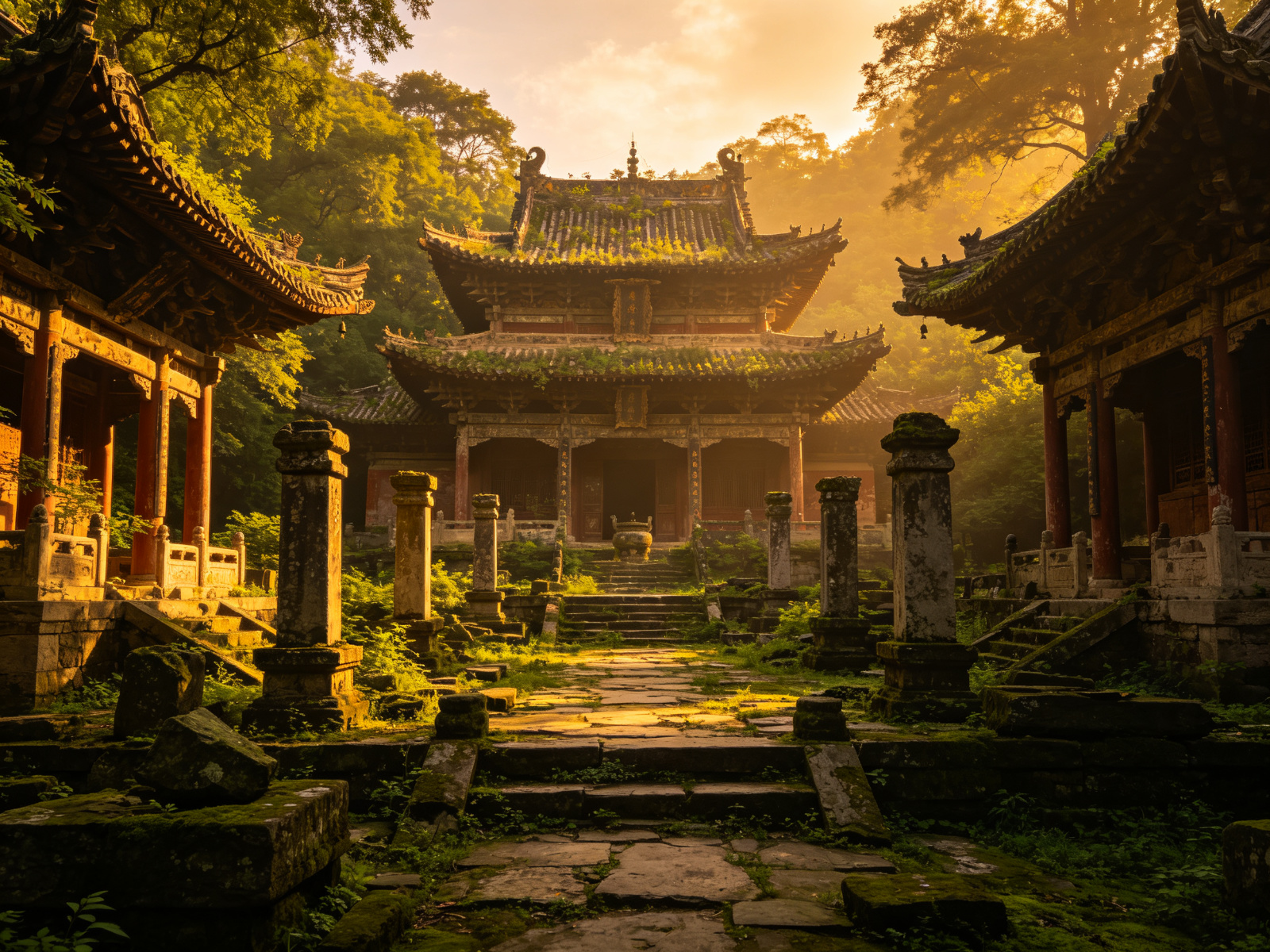
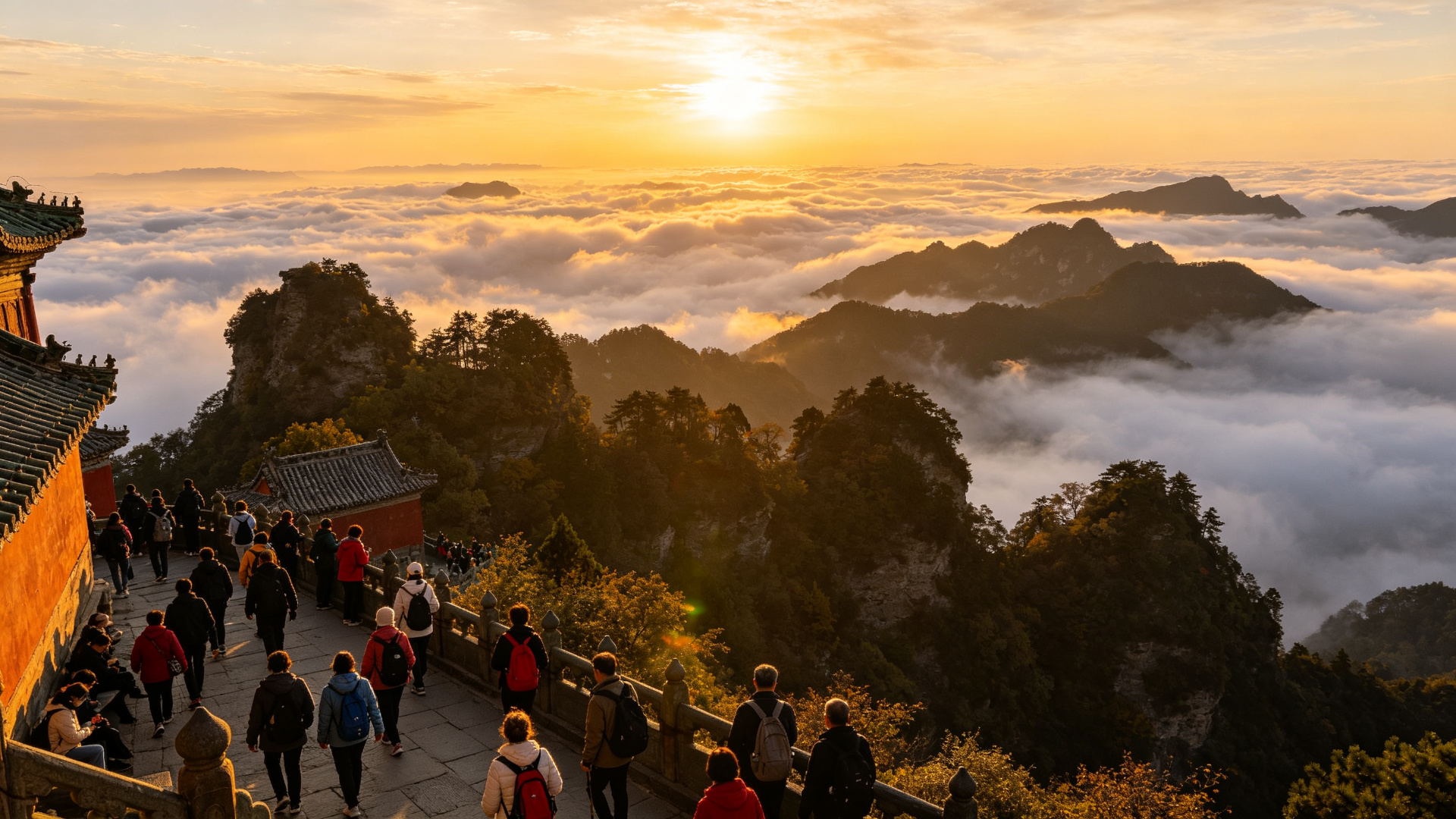
The Ming emperors built 9 palaces, 9 monasteries and 72 temples here; about 53 ancient buildings survive along one stepped route up Tianzhu Peak. Take the cableway up, walk the 2–3 hours down, and the whole ensemble fits a 1.5-day loop — no marathon trekking required.

A monastery that still performs, not a museum that only displays

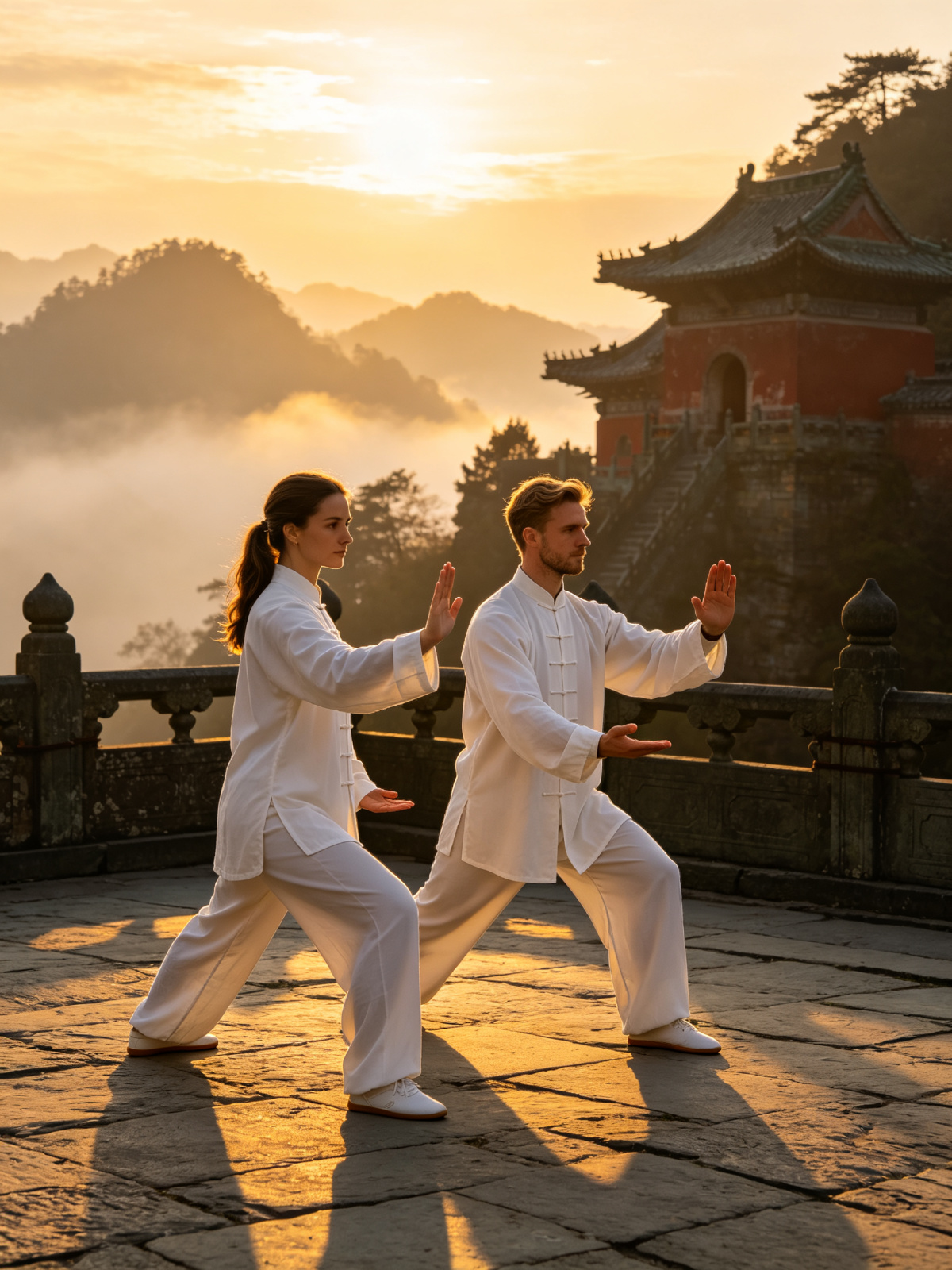
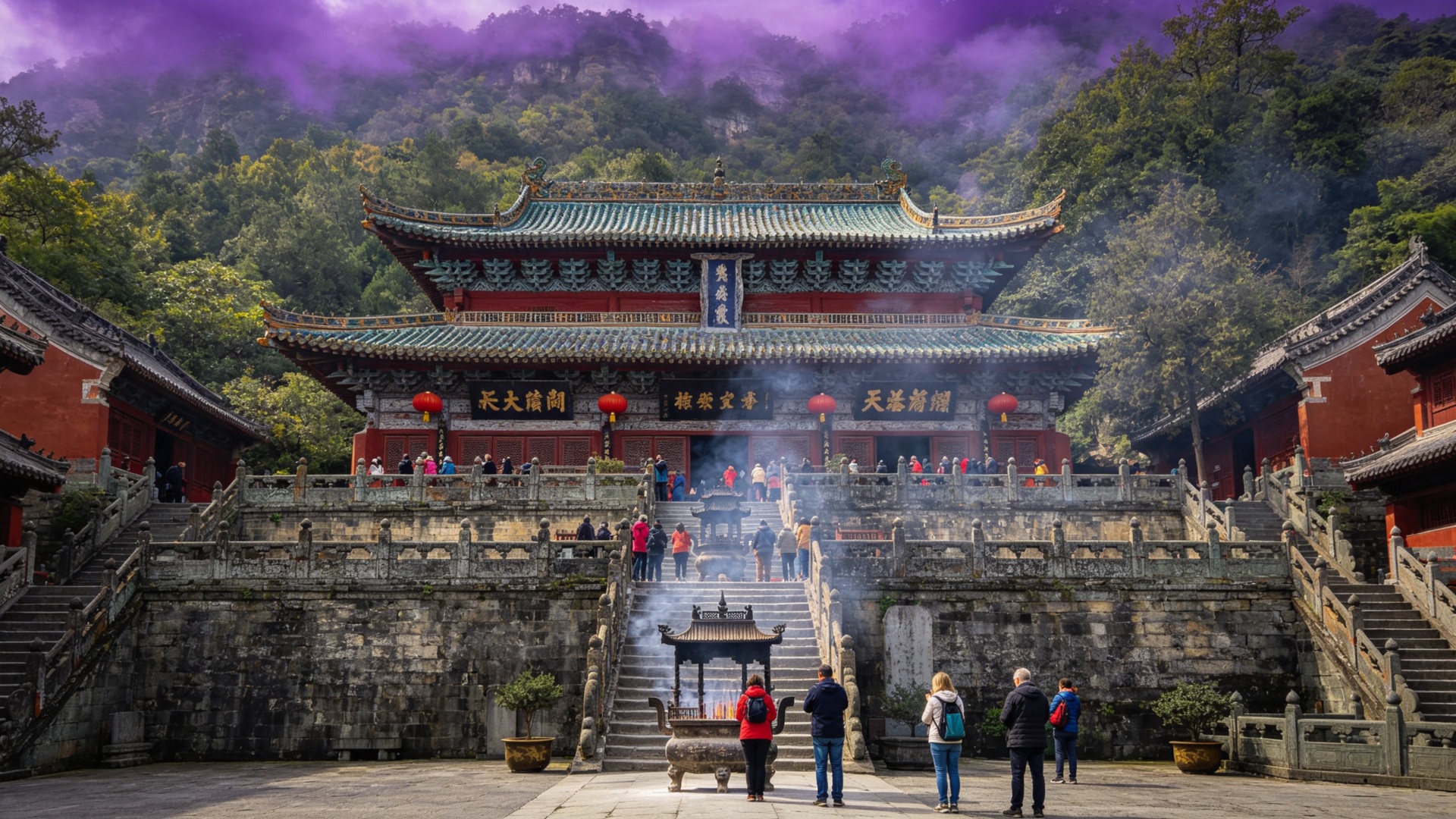
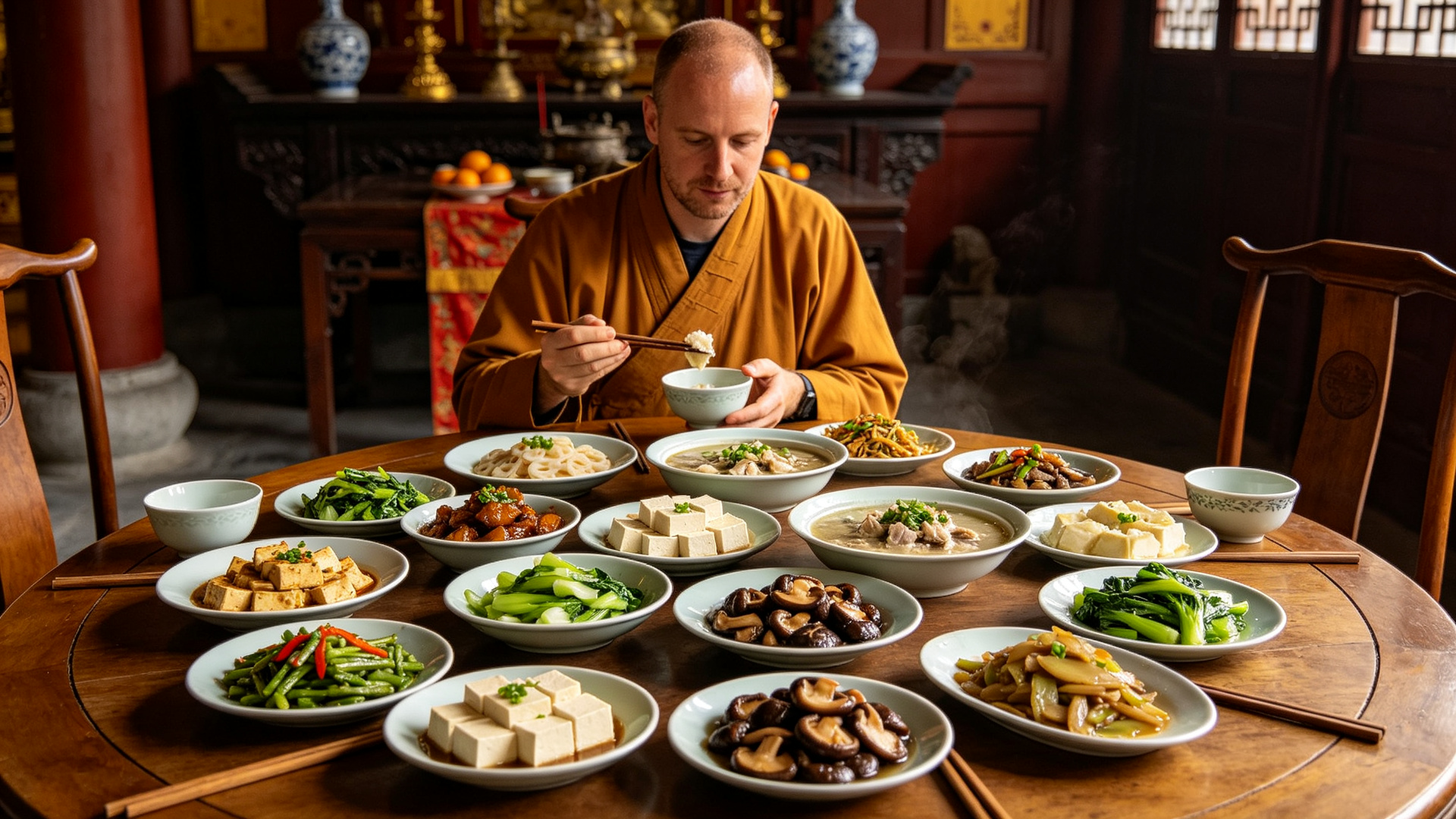
Zixiao Palace holds morning and evening rituals every day, and tai chi schools run out of Wudangshan town at the foot. Watch the practice rather than only photograph the halls; the courtyard in early morning is where the living tradition actually is.

The water city under the mountain

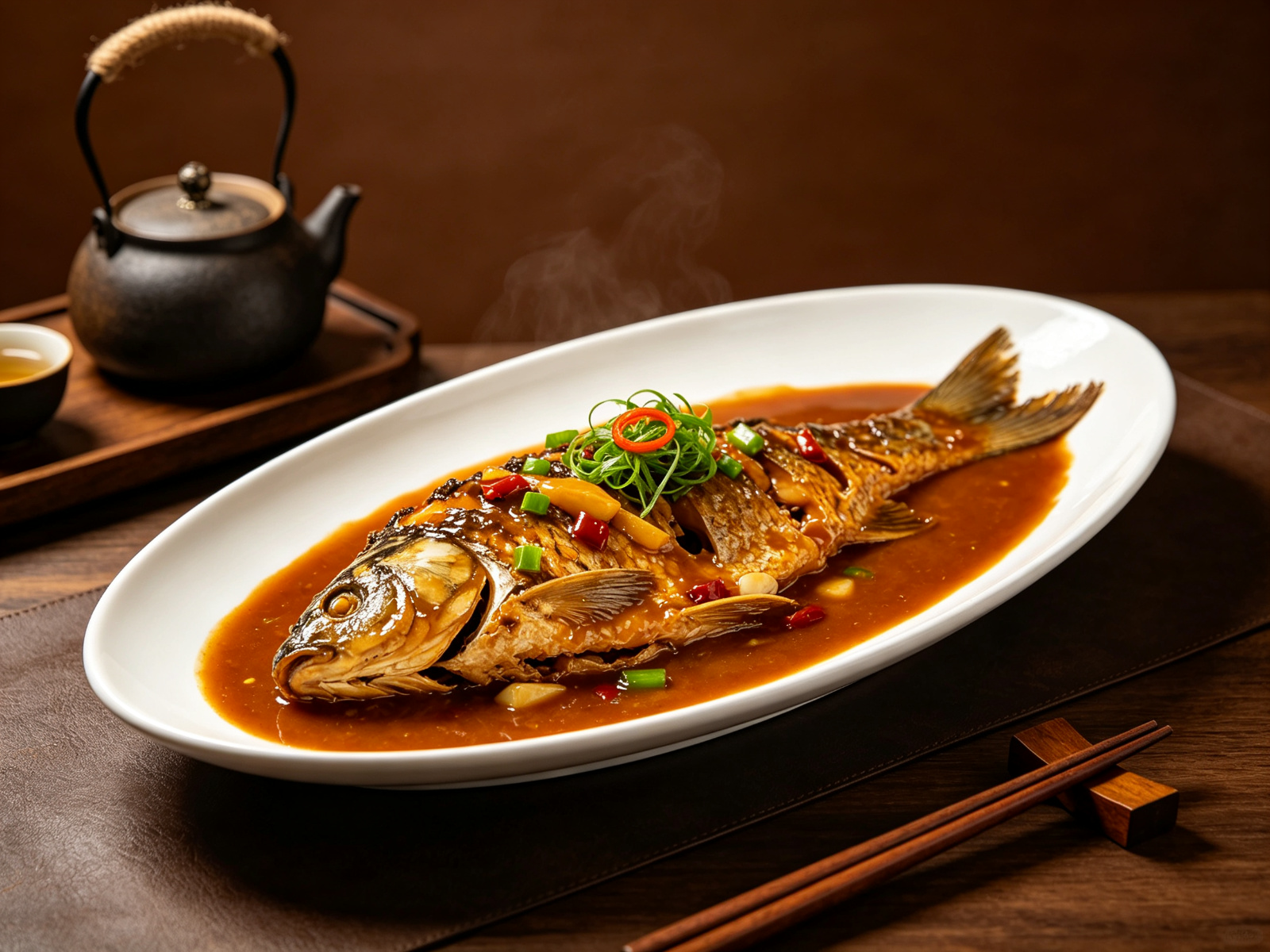
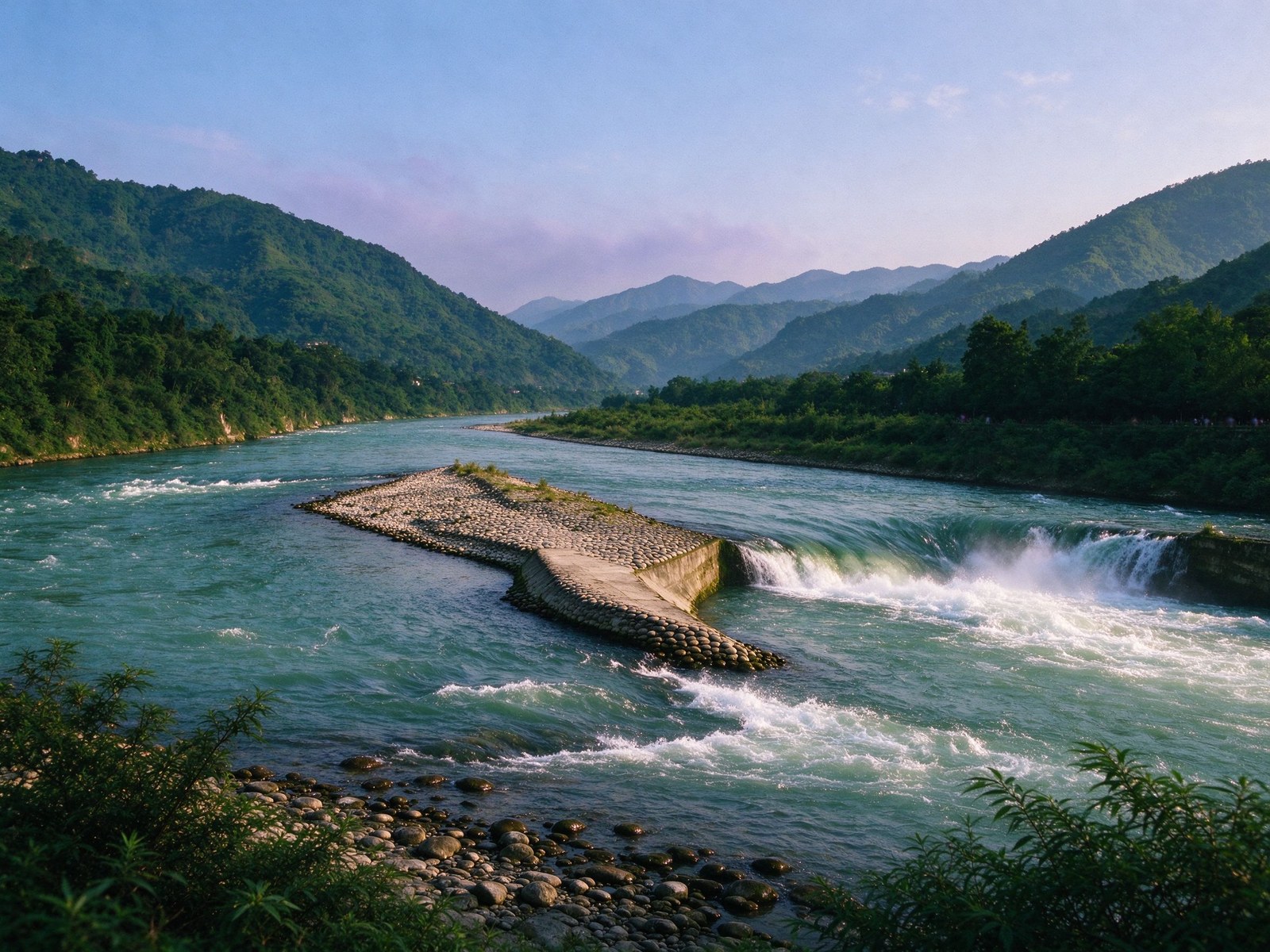
Shiyan sits on the Han River, the middle-route source of the South-to-North Water Diversion feeding Beijing. Order a steamed Han River fish at a riverside restaurant and read the city's restraint — its industry is deliberately kept quiet to protect the water.

2

Wudang Ming heritage line: Yuxu foot → Zixiao → Nanyan cliff → Golden Summit

The city’s signature line — depth entry, not a checklist.

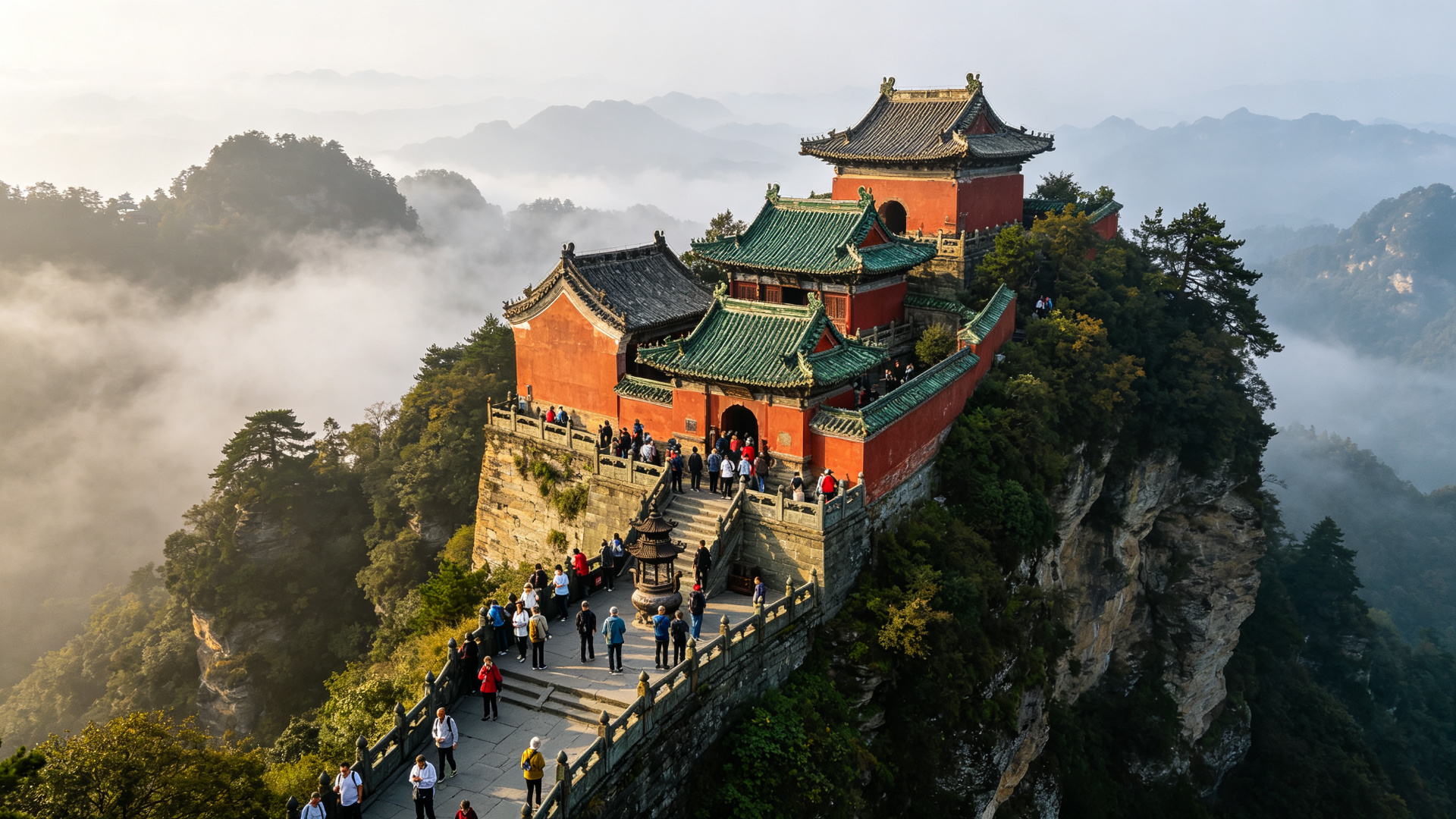
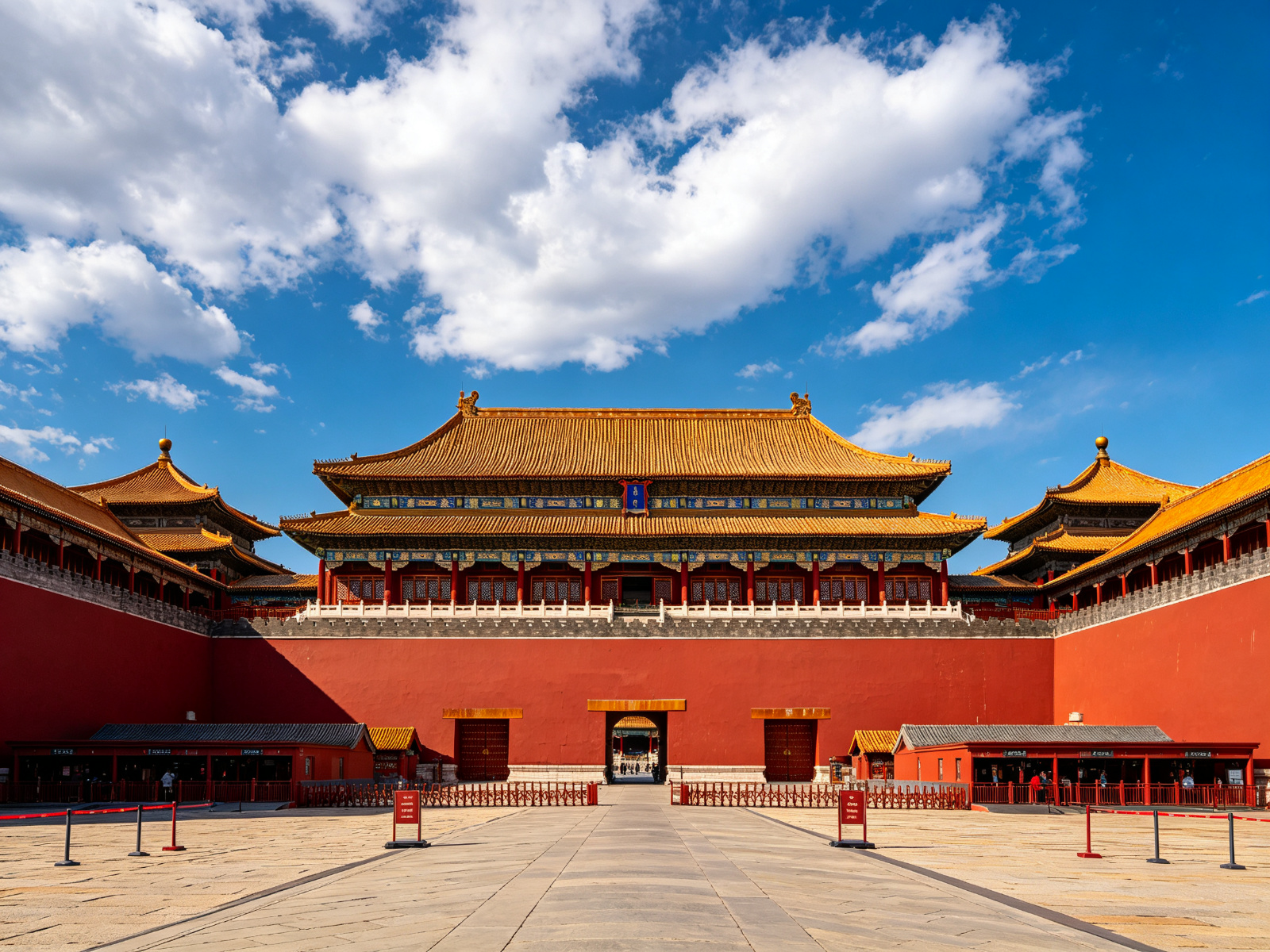
This is the UNESCO route in order: start at Yuxu Palace at the foot (free, the old 'Forbidden City of Wudang' with its 1522 Xuanyue stone gateway), take the scenic shuttle up to Zixiao Palace (best-preserved Ming hall, active rituals), then Nanyan Palace on the cliff with the Dragon Head Incense. End at Tianzhu Peak's Golden Hall — cableway up for the sunrise, walk down. Buy tickets through the official 'Wudang Smart Tourism' mini-program; note the cableway was cut to ¥85 round trip / ¥45 single on 16 July 2026.

3

Experiences in this city

Add to trip to compare and prepare; check partner links for slots and price when shown.

4

Sights & culture

Beyond ticket notes — read the city’s character first.

Zhu Di's imperial Taoist project

The present complex was built on Yongle's order in the 15th century — 9 palaces, 9 monasteries, 36 nunneries and 72 temples — to align his usurpation-born regime with Taoism. UNESCO inscribed it in 1994 under criteria (i)(ii)(vi): what you are walking is imperial legitimacy in stone, not a random religious site.

Zhenwu: the mountain's own deity

Wudang is the sacred mountain of Zhenwu (Perfected Warrior), enshrined in the Golden Hall on Tianzhu Peak. Taoist buildings here date to the 7th century, but the mountain's identity as the Taoist center crystallized under imperial patronage — look for Zhenwu iconography in every main hall, not generic Buddhas.

The tai chi origin legend, read critically

Wudang claims tai chi birthplace through the Zhang Sanfeng legend; Wudang-style is softer and more internal than Chen-style from Henan. The living fact is the martial-arts schools at the foot — train there, and treat the origin myth as lineage branding, not archaeology.

Dragon Head Incense: safety beats ritual

Nanyan's Dragon Head Incence once let worshippers burn incense over a sheer drop; it is now blocked off for safety. This is the correct way to read heritage here — the cliff architecture is preserved by stopping the ritual that killed people, not by encouraging dramatic photos.

The middle-route water source

Below the mountain, the Han River and Danjiangkou Reservoir feed the middle route of the South-to-North Water Diversion to Beijing and Tianjin. Shiyan's economy has been deliberately restrained for clean water — that is why the city feels quiet, and why its fish and vegetables taste simply of the mountain.

5

1–3 day routes

Executable skeletons: day-by-day anchors you can trim to fit.

1-day

1-day express: foot palace → cliff palace → Golden Summit

  1. Morning: Yuxu Palace at the foot (free, 45 min) to orient on Ming Wudang, then scenic shuttle up
  2. Midday: Zixiao Palace halls and courtyard (1–1.5 h)
  3. Afternoon: Nanyan Palace cliff walk and Dragon Head Incense overlook
  4. Late afternoon: cableway to Tianzhu Peak Golden Hall, then cableway down and 301 bus back to Wudangshan West HSR

For HSR transit travelers who have one daylight window. Tight but doable; start before 08:30.

6

Food & what to buy

Eating in Shiyan is mountain-and-river food, not a themed street: Taoist vegetarian set meals at the monastery, wild vegetables foraged on the slopes, and steamed Han River fish at riverside restaurants. Skip the 'imperial Taoist banquet' set menus aimed at tour groups; buy gifts sealed and small — Dao tea and honey oranges travel well, wild vegetables don't.

  • Taoist vegetarian meal (suzhai): eat it at the Zixiao Palace monastery area, not the 'Taoist culture restaurants' next to the bus parking — simple seasonal dishes, ¥20–50 reference.
  • Wudang wild vegetables: order stir-fried or soup at Wudangshan town local shops; they change with the season, so ask what was picked this week.
  • Han River fish: steamed or braised at riverside restaurants in Shiyan city; ask the weight before ordering and confirm it is live-weighed.
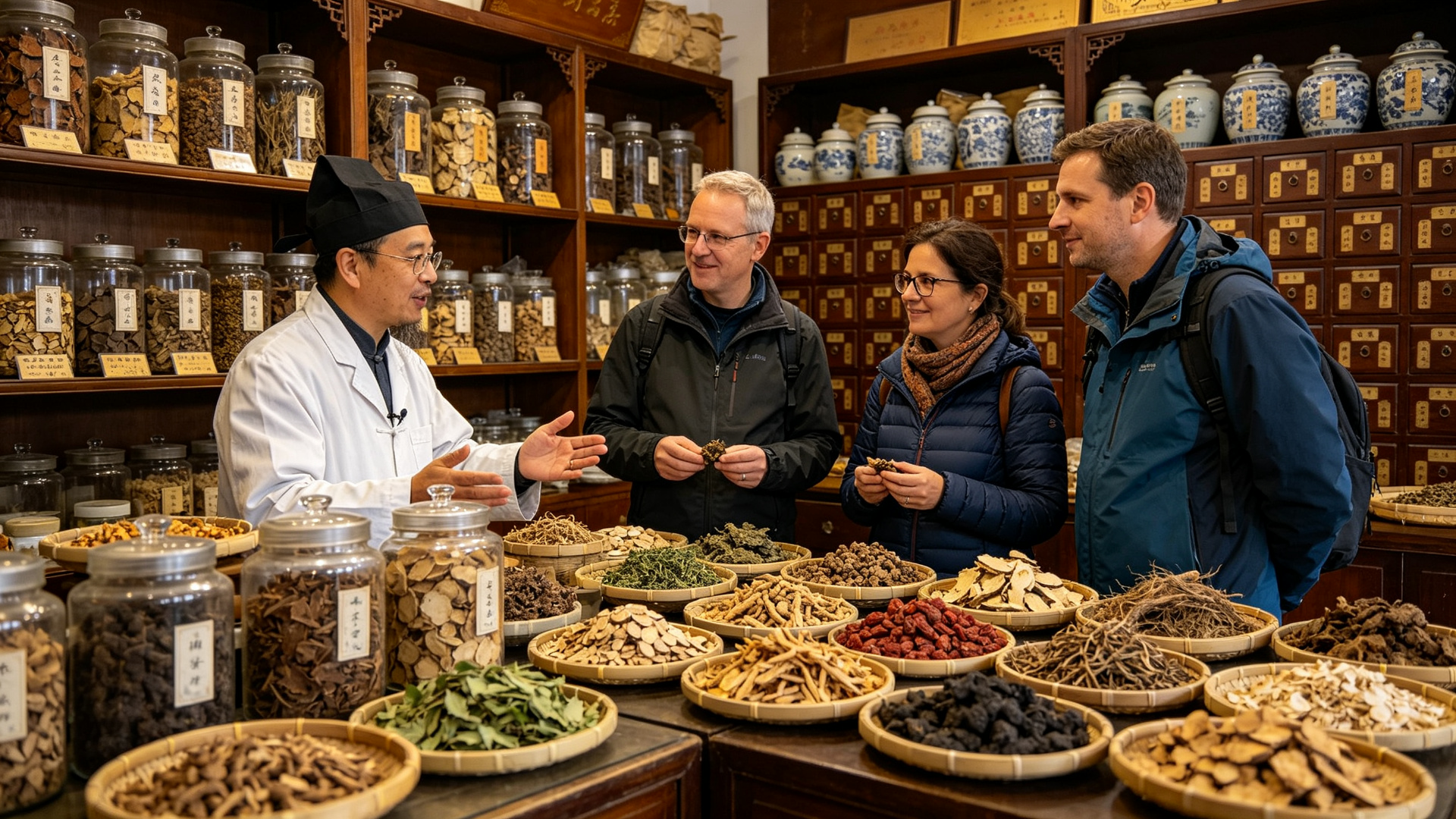
  • Wudang Dao tea (Wudang daochá): buy sealed vacuum packs from tea shops in Wudangshan town, not open tins at souvenir stalls — check the production date.
  • Wudang honey oranges (miju): autumn seasonal; buy a small basket to eat on the road, they bruise and dry out in a day-long bag.
  • Skip: oversized 'Wudang kung fu' gift boxes and bronze-sword keychain sets near the gate — the real souvenir is a tai chi session, not a plastic weapon.
7

Getting there & tips

Best time: April–May, September–October · Mountain climate — cool, misty

Train to Wudangshan Station, then bus 202/203 to mountain entrance. Mountain has internal buses and cable cars. Didi in Shiyan city.

Shiyan (Wudang) visitor handbook

Payments & ID

Ticket purchases run through the official 'Wudang Smart Tourism' WeChat mini-program, real-name; bring the physical passport used for booking at the gate. Alipay/WeChat with a linked foreign card works in town; keep ¥100–200 cash for mountain-shack snacks and rain ponchos.

Crowds & booking windows

National holidays and weekends see the cableway queue hit 1–2 h; weekday mornings before 09:00 are the quietest. Book the 2-day package (entry + shuttle + summit ticket) the night before, not at the gate, and climb the Golden Hall first thing when staying on the mountain.

Etiquette at active monasteries

Zixiao Palace is a working temple: no flash, no loud voices during morning (≈06:00) and evening (≈17:00) rituals, dress shoulders and knees. Taoist priests practicing in the courtyard may be photographed from a respectful distance — ask first if they pause.

Safety & mountain practical

Nanyan cliff paths are narrow — hold the rail, no selfie on the drop edge. The cableway closes in thunder or strong wind; if clouds roll in, walk the stone steps rather than wait. Mountain temperature runs 8–10 °C below the town; carry a layer even in summer.

Getting around & station links

Wudangshan West HSR Station → gate: bus 301 (≈13 km, ~40 min); out-of-province visitors ride the direct tourist shuttle free with a same-day HSR ticket per 2026 notices. Shiyan railway station → 202 intercity bus; Wudang Airport → shuttle bus, ~25 km.

Connectivity

Town and gate have solid 4G/Wi-Fi; mid-mountain signal is patchy and the summit can drop out — download your ticket QR and offline map before going up. Settle any roaming/SIM needs before arrival.

Getting around

Train to Wudangshan Station, then bus 202/203 to mountain entrance.

Navigation

Mountain has internal buses and cable cars.

Pay

Metro, stalls, and rides mostly take Alipay or WeChat. Set up Alipay with a foreign card before you land.

Show this

Show the Chinese name “十堰(武当山)” to drivers and staff. It beats a long English explanation.

MetroIf there is no direct metro pin, ride metro to a central Shiyan (Wudang) hub, then transfer by bus or Didi to Shiyan (Wudang).
BusTrain to Wudangshan Station, then bus 202/203 to mountain entrance. Mountain has internal buses and cable cars. Didi in Shiyan city.
Taxi / DidiDidi or a licensed taxi is the simplest door-to-door. Set destination to “十堰(武当山)” and pay in-app with Alipay/WeChat.

Shiyan (Wudang) hotels, transfers & popular bookings

Book tickets, transfers, and popular tours via partners first — then request deeper local experiences through ChinaPie.

Disclosure: Some links are affiliate links. ChinaPie may earn a commission on eligible bookings at no extra cost to you.

Prices shown are planning references only. Actual rates fluctuate with season, holidays, demand, and partner promotions — the price at checkout on the booking site is authoritative.

8

Shiyan (Wudang) FAQ & next step

Conversion stays soft — clear next steps: plan this city, or request planning help.

Is Shiyan/Wudang safe for tourists?

Yes for typical tourist areas. Keep phones and bags secure on metro and in crowded night spots; use licensed taxis or Didi.

Do I need a visa to visit Shiyan/Wudang?

Depends on your passport. Check ChinaPie Plan & Prep → Visa for 30-day visa-free and 240-hour transit options before booking.

Can I use Alipay in Shiyan/Wudang?

Yes—foreigners can set up Alipay with passport + international card. See /prep/alipay-setup for the step-by-step guide.

Can I learn tai chi at Wudang Mountain?

Yes—many schools offer short-term tai chi and kung fu classes (1 day to 1 month). Prices range ¥100–500/day including accommodation. Wudang style is different from Chen-style (softer, more internal). Book through a reputable school. ChinaPie partners can arrange English-friendly retreats.

Which countries are visa-free for China in 2026?

China offers unilateral visa-free entry to 40+ countries including France, Germany, UK, Japan, South Korea, Singapore, Malaysia, Thailand, Italy, Spain, Netherlands, Switzerland, Sweden, Norway, Denmark, Finland, Belgium, Austria, Ireland, Portugal, Greece, and more. Stay: up to 30 days. IMPORTANT: US passport holders are NOT on the unilateral visa-free list and need a visa. Check latest list at China Immigration official site before travel.

Do US citizens need a visa for China?

Yes. US passport holders need a visa to enter mainland China. The 10-year multiple-entry tourist visa (L visa) is common: $185 fee, processing 3-5 business days. You can also use the 240-hour transit visa-free if transiting to a third country. Apply at Chinese embassy/consulate or via authorized visa agencies. Many travel blogs incorrectly say US is visa-free — this is false.

Can I use my foreign credit card in China?

Major hotels, international restaurants, and large malls accept Visa/Mastercard. But most small shops, street food, taxis, and local experiences only accept Alipay or WeChat Pay. Link your foreign card to Alipay (Tour Card) for daily use. Carry some cash (¥500-1000) as backup.

Is China safe for foreign tourists?

China is consistently ranked among the safest countries for tourists. Violent crime against foreigners is extremely rare. Common issues: pickpocketing in crowded areas (train stations, metro), taxi scams at airports, and fake goods at markets. Normal precautions apply: keep valuables secure, use licensed taxis/Didi, don't accept unsolicited tours. Women traveling solo generally feel very safe even at night.

How many days do I need in Shiyan (Wudang)?

Most first-timers do well with 1–3 days. Start with the 1-day express: foot palace → cliff palace → Golden Summit, then expand to 2–3 days if you want slower food and culture. Use Plan this city to turn stops into a workable week.

Can I pay with a foreign card in Shiyan (Wudang)?

Foreign cards work more often via Alipay / WeChat Pay tourist modes and some metro apps, but coverage still varies by merchant. Keep a small cash float and set payment apps up before peak sightseeing. See the practical section on this hub for city-specific notes.

Plan this city
Shiyan (Wudang)City hub
Plan