Yanji

Yanji · 延吉

Yanji Travel Guide

Yanji is the Korean-Chinese (Chaoxianzu) homeland in China: a border city where every street sign reads in Chinese and Korean, where the morning market sells rice blood sausage and makgeolli, and a free forested hill over the town sits below a folk-culture park built for hanbok travel photos—an easy HSR ride from Changchun.

Culture travelers chasing Korean-Chinese food, language and bilingual streetscapesPhoto travelers after hanbok travel shoots and the neon university wallFood travelers after cold noodles, sundae rice blood sausage and morning-market snacksBorderland-history travelers reading Bohai Kingdom and frontier-ethnic museums
Food cityScenicFirst-time friendly
Plan this city
1

Why make a special trip

Yanji is the Korean-Chinese (Chaoxianzu) homeland in China: a border city where every street sign reads in Chinese and Korean, where the morning market sells rice blood sausage and makgeolli, and a free forested hill over the town sits below a folk-culture park built for hanbok travel photos—an easy HSR ride from Changchun.

It is a real bilingual Korean-Chinese city, not a themed park

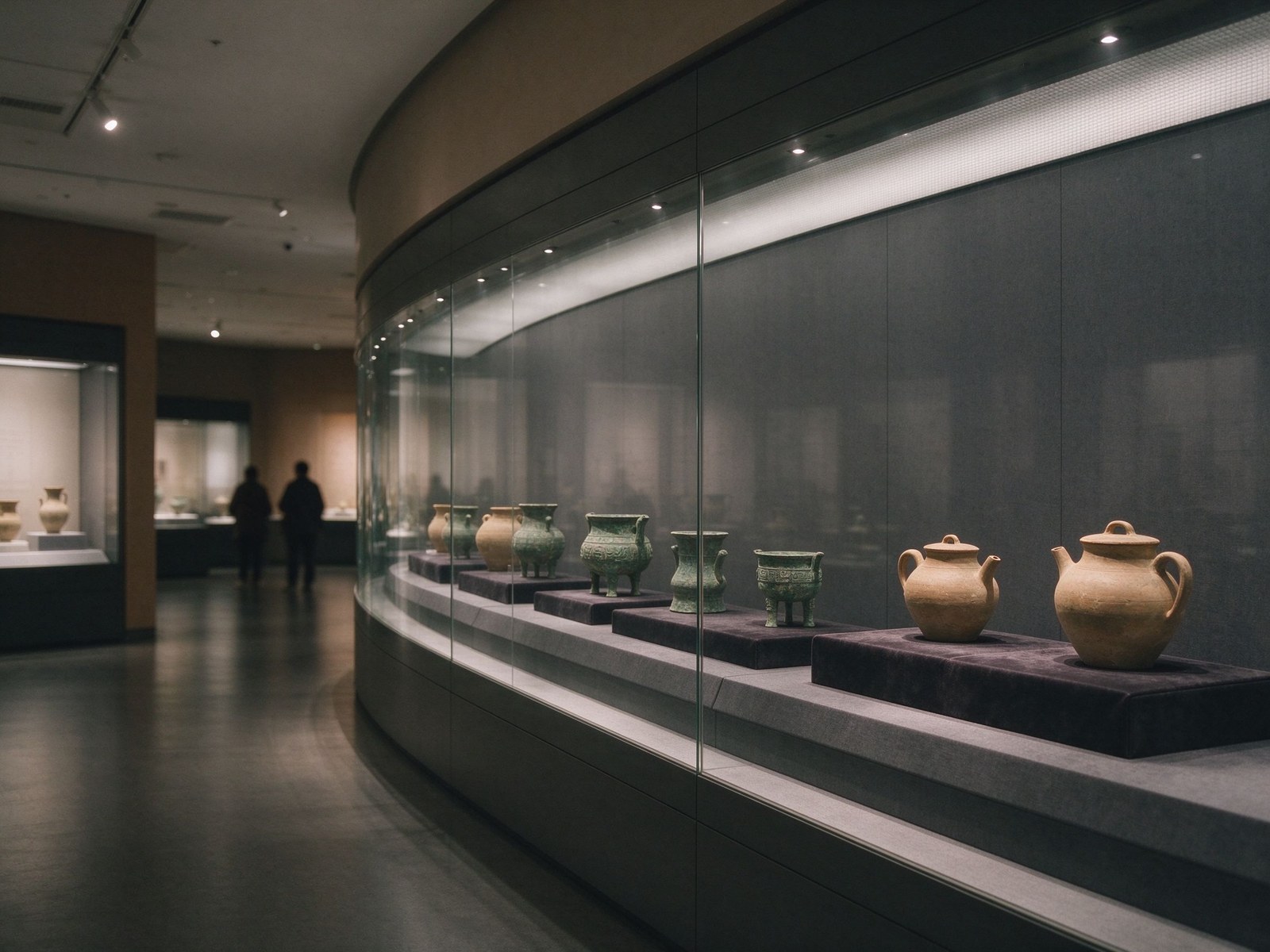
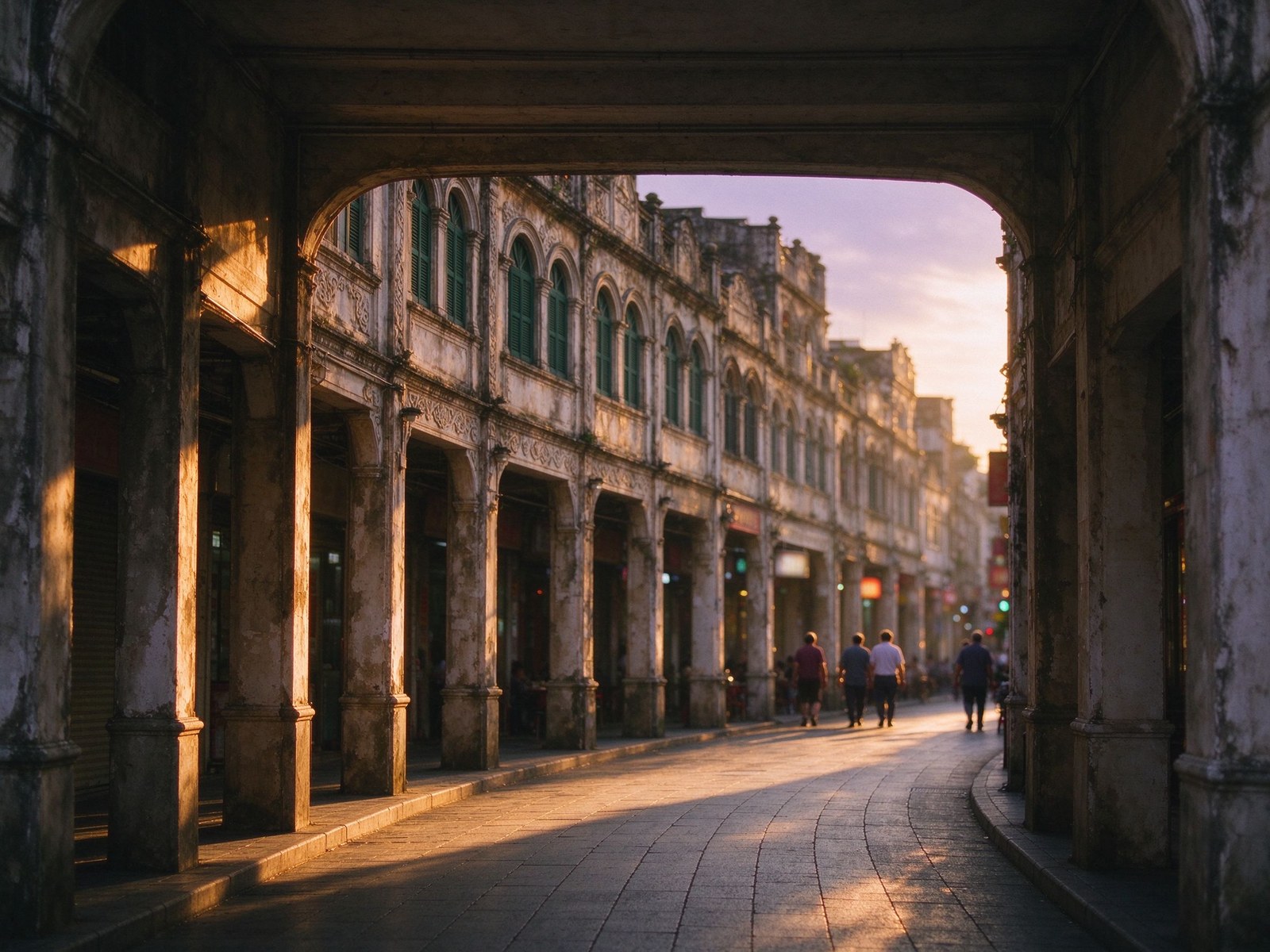
Street signs, shop fronts and menus carry Chinese and Korean (Hangul) side by side—this is the daily cityscape of Yanbian Korean Autonomous Prefecture, not a film set. Start at the free Yanbian Museum to understand who the Chaoxianzu are, then walk the university district where the bilingual neon wall is just the loudest sign on the street.

A free hill over the city, then a folk park for hanbok photos

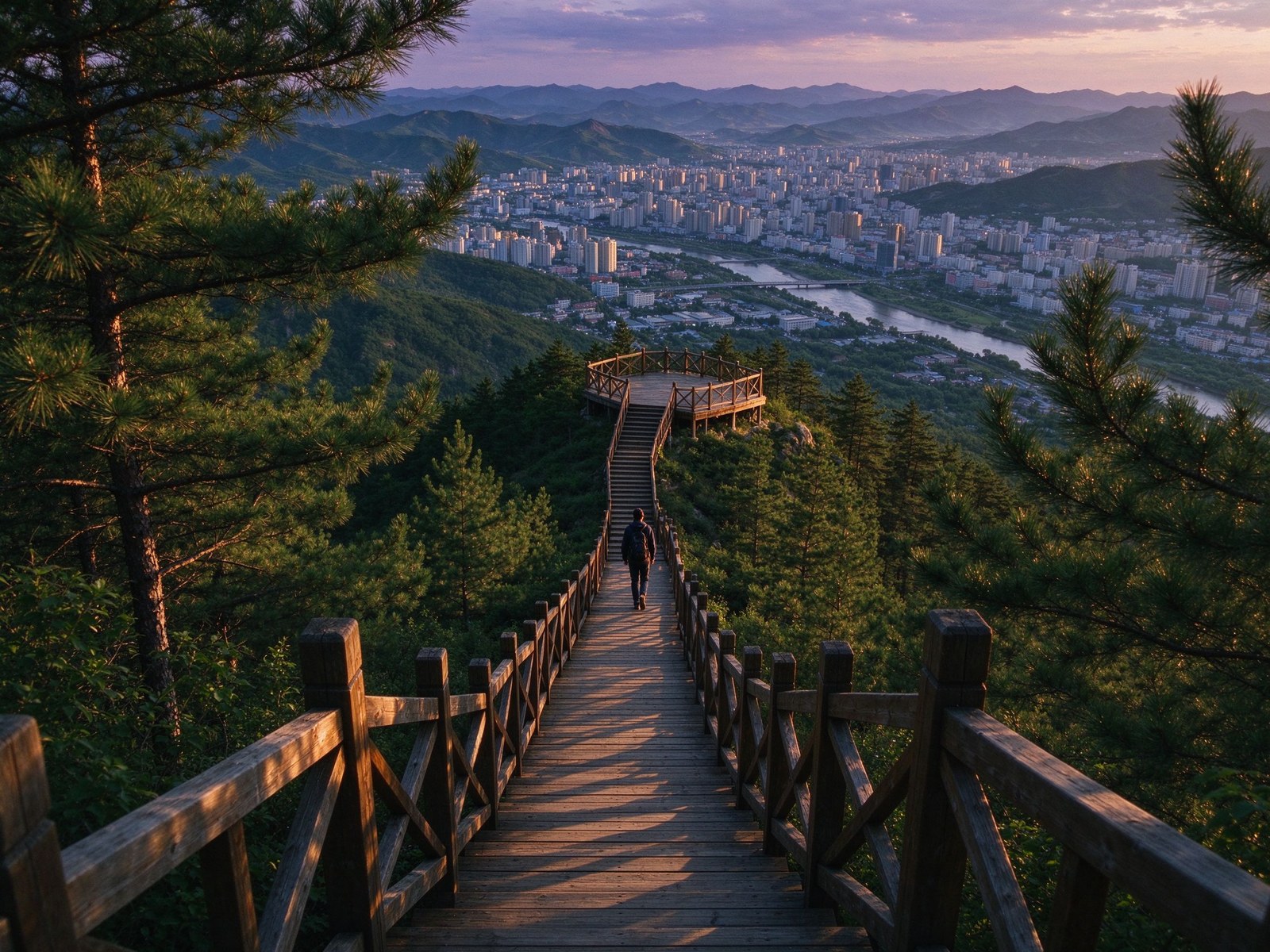
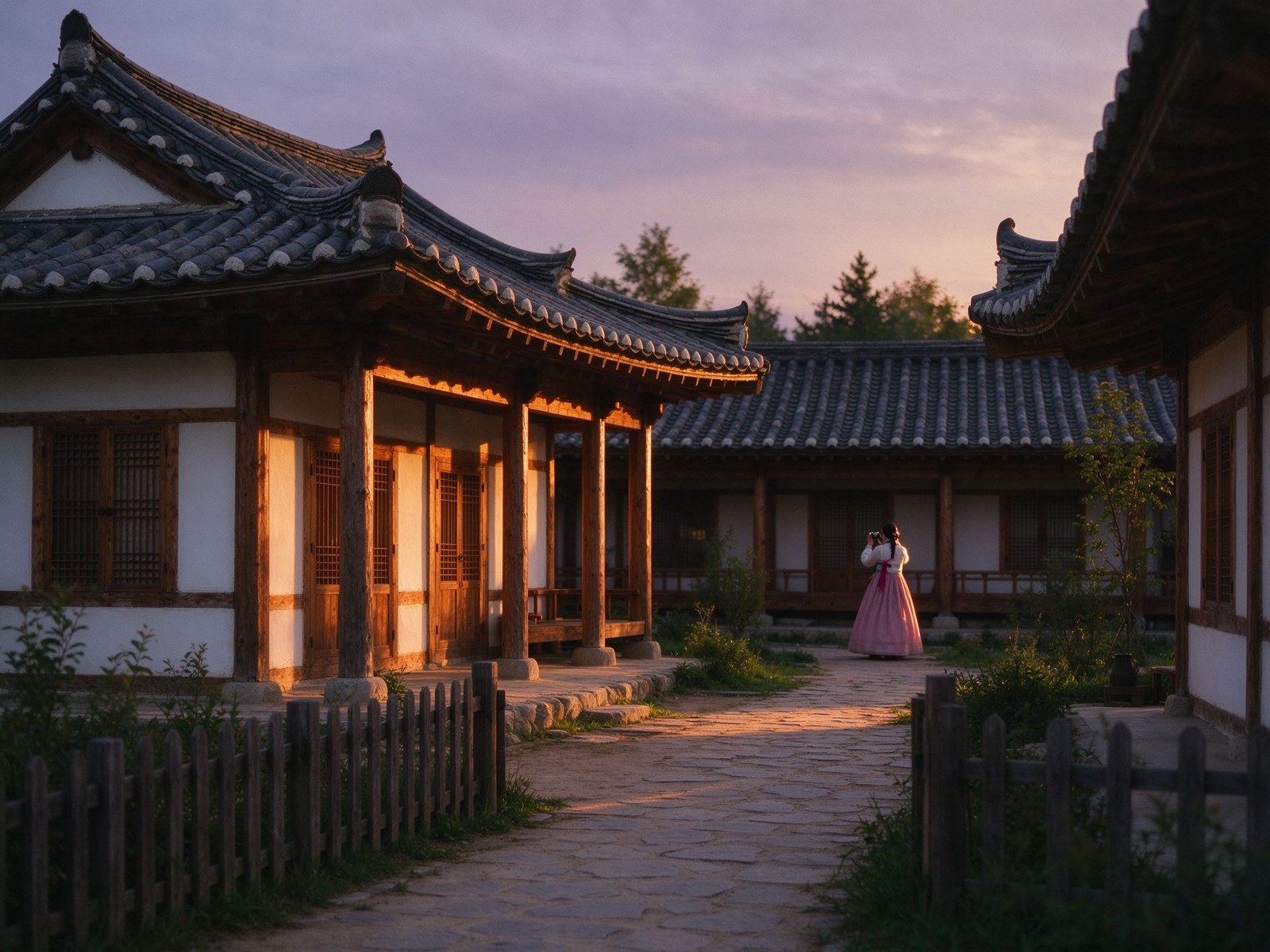
Mao'er (Straw-Hat) Mountain is a free national forest park—boardwalk up in 30–40 minutes to a viewpoint over Yanji and the rivers. At its foot, the Korean Folk Culture Park clusters ~40 traditional-style buildings where you rent hanbok for travel photography; go late afternoon for soft light and the evening light show.

The food is a morning ritual, not a dinner-only scene

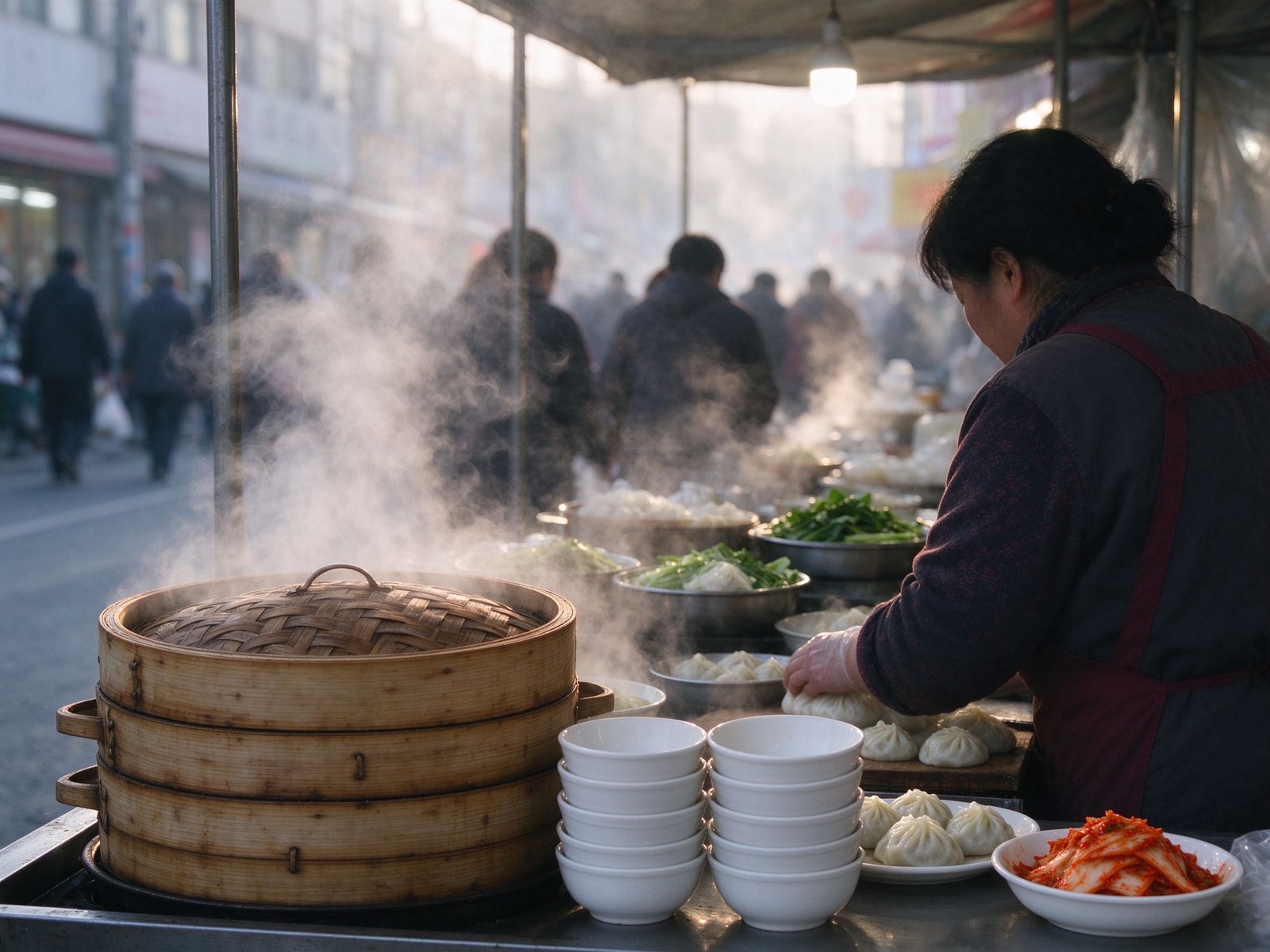
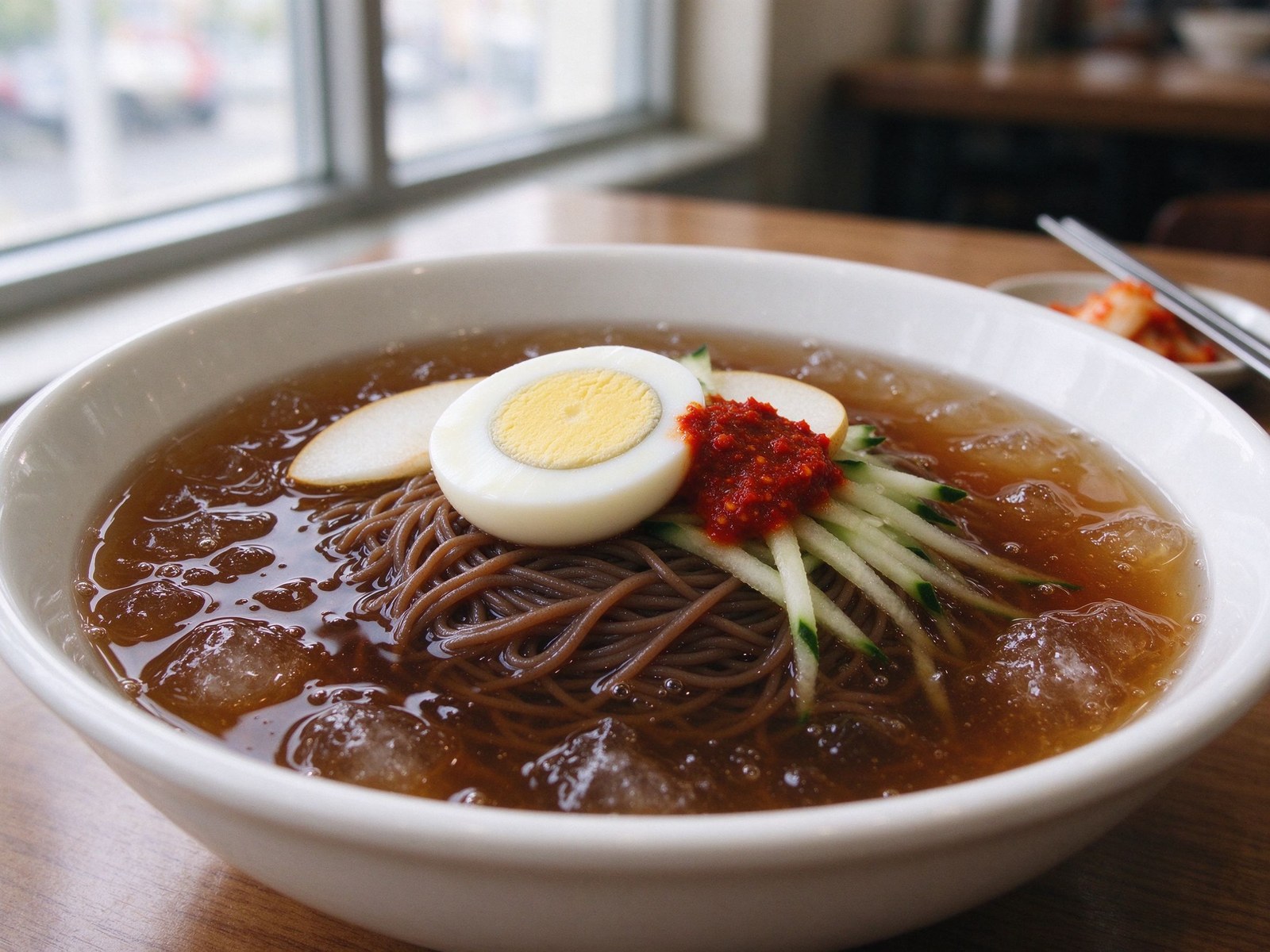
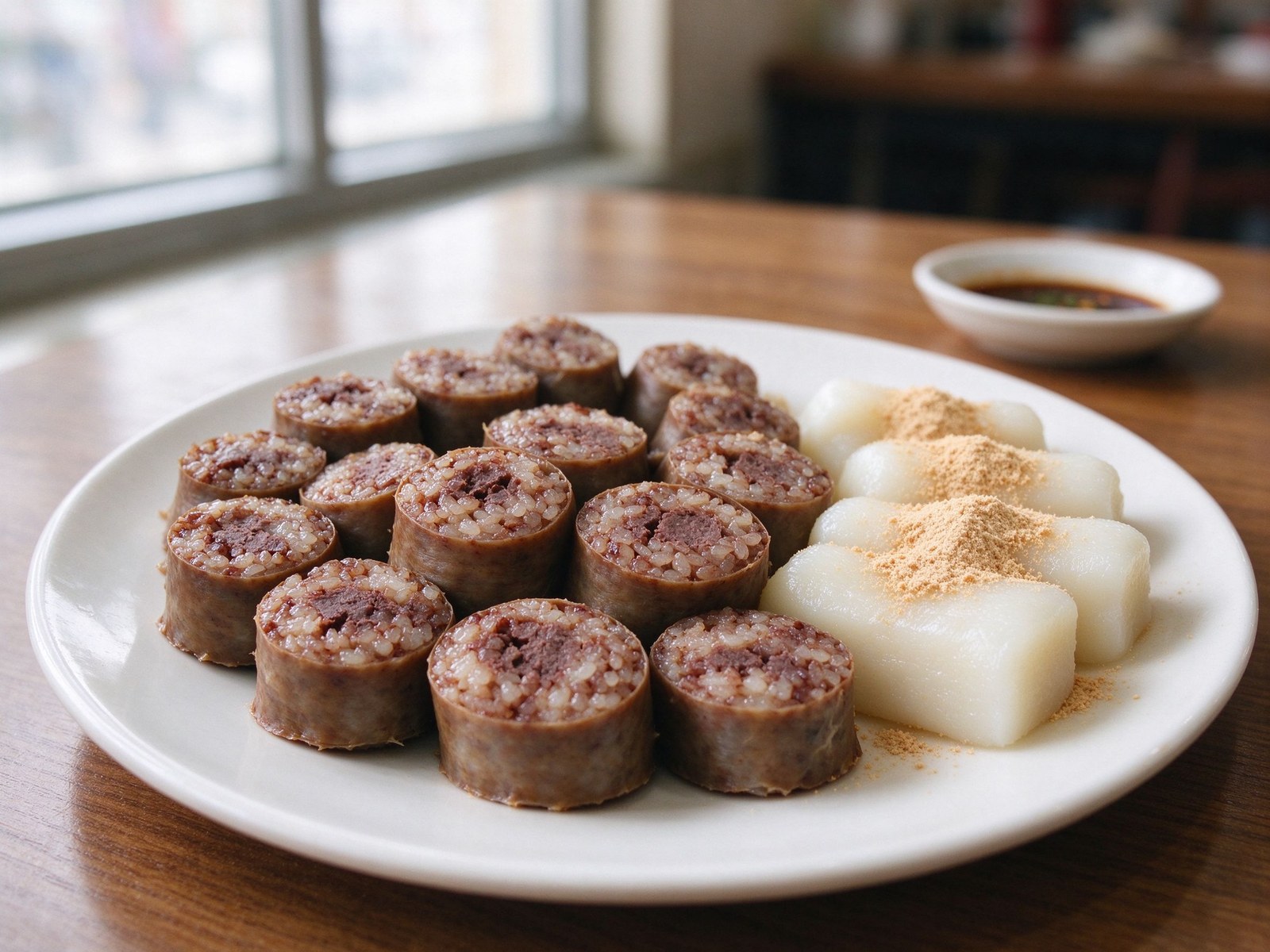
The Dongfang Water Market runs only 05:00–09:00—sundae rice blood sausage, hand-pounded tteok, soup rice and kimchi before most tourists wake up. Afternoons are for iced buckwheat cold noodles and makgeolli rice wine; timing the morning market is the single biggest food win in Yanji.

2

Morning market, folk-park hanbok, mountain sunset, neon-wall night

The city’s signature line — depth entry, not a checklist.

The signature Yanji day: an early start at the Dongfang Water Market for Korean-Chinese breakfast, a museum read of Chaoxianzu and Bohai history, hanbok photos in the folk-culture park, a climb up Mao'er Mountain for the sunset over the city, then dinner and the bilingual neon wall opposite Yanbian University. It stacks food, culture, view and photo in one walkable arc.

Related sight detail
3

Bookable experiences

ChinaPie’s main shelf — add to trip or request a slot.

Experience inventory is still growing — plan with routes & culture, or request a study day.

4

Sights & culture

Beyond ticket notes — read the city’s character first.

Who the Chaoxianzu are: China's Korean-ethnic people

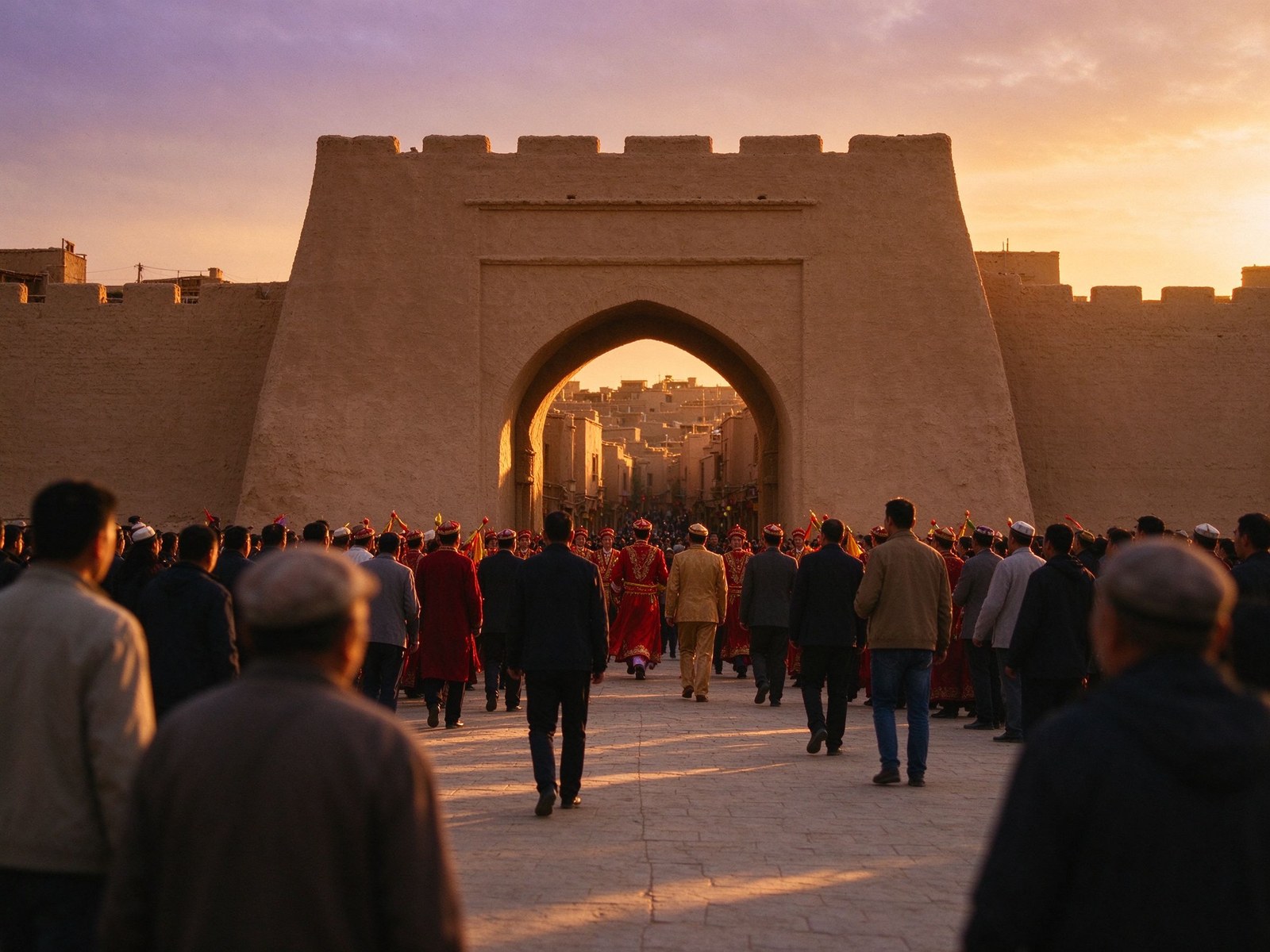
The Chaoxianzu are one of China's 56 recognized ethnic groups, with deep roots in the northeast borderland. Yanbian Korean Autonomous Prefecture (established 1952) has Yanji as its seat; the Yanbian Museum lays out their migration, village life and intangible heritage. The bilingual signs are a constitutional arrangement, not decoration.

The Bohai Kingdom: a forgotten state under the museum

The museum holds copies of the epitaph and murals from the Tang-daussian Bohai Princess Zhenxiao tomb—Bohai (698–926) was a powerful kingdom in eastern Manchuria that traded with Tang China and Japan. Reading it explains why this borderland matters beyond modern ethnic tourism.

A bilingual cityscape as living culture

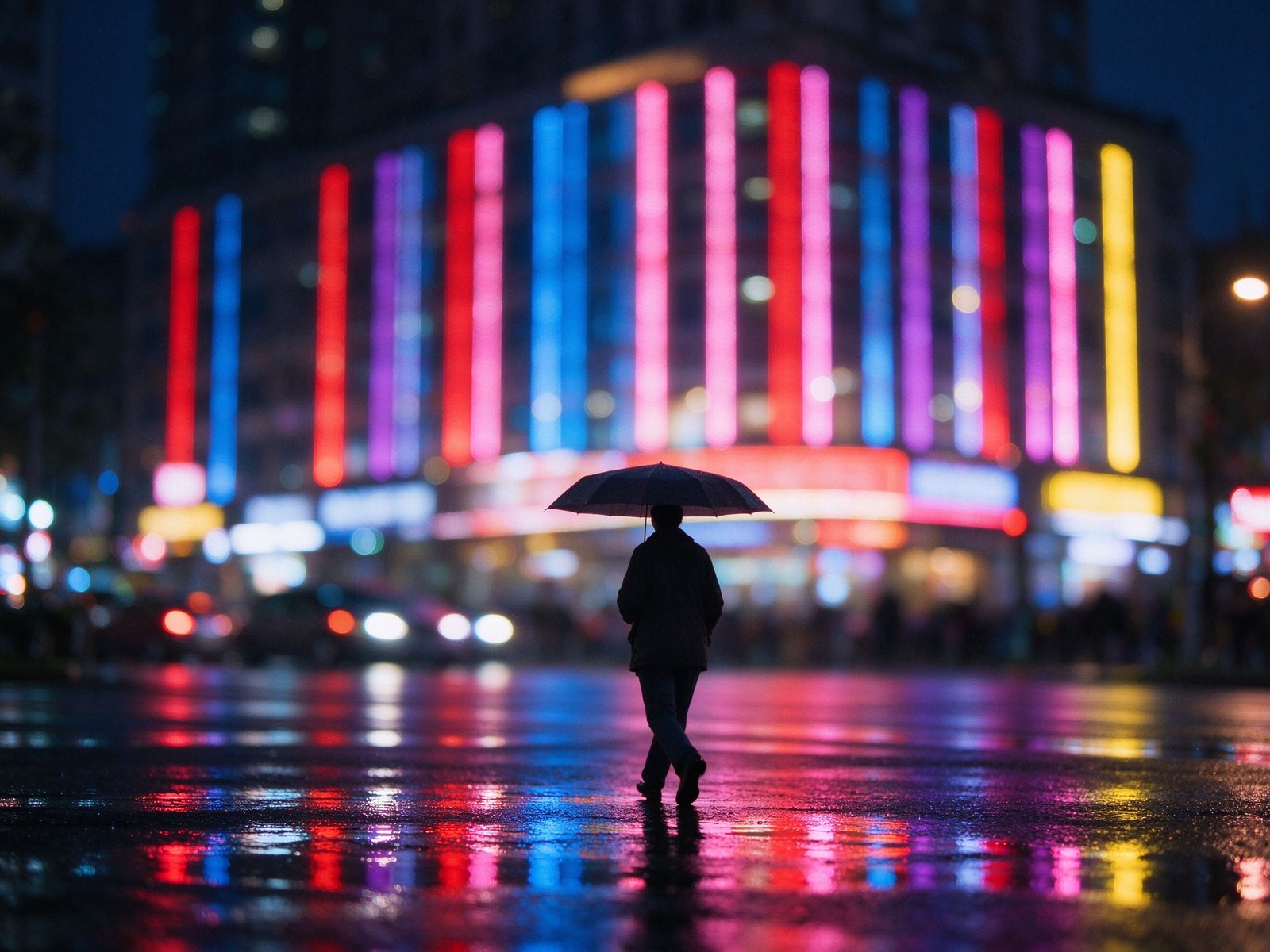
Chinese and Hangul on shop fronts, buses and menus is Yanji's everyday grammar. The University Town neon wall is the Instagrammable extreme of it—70+ bilingual signs stacked 33 m high—but the real point is that the language is spoken, ordered and read at the grocery store, not just on a photo wall.

Food as identity: cold noodles, sundae, tteok, makgeolli

Iced buckwheat cold noodles (naengmyeon), glutinous-rice blood sausage (sundae), hand-pounded tteok and rice wine (makgeolli) are the borderland table of a people whose homeland straddles the Yalu/Tumen rivers. They are not 'Korean food for tourists'—order noodles even at a BBQ place, and eat the morning market before it closes.

Mao'er Mountain and a modern resort built on the borderland

The free forested hill (main peak 517.2 m) is locals' morning-walk viewpoint; below it, the Mao'er Mountain (Dinosaur) cultural resort clusters the folk park, a dinosaur museum and theme park. It shows how Yanji is packaging its ethnic identity and Cretaceous fossil finds into a modern overnight destination.

5

1–3 day routes

Executable skeletons: 1-day essence, 2-day dual-store study, 3-day with Shenhou porcelain.

1-day

1-day core: market, museum, folk park, neon wall

  1. Early morning (before 06:30): Dongfang Water Market on Canhua Street—sundae rice blood sausage, hand-pounded tteok, soup rice and kimchi; stalls pack up by ~09:00
  2. Late morning: Yanbian Museum (free, Tue–Sun; summer 9:00–16:30 / winter 9:00–16:00, closed Mondays)—start with the Bohai Kingdom and Korean-ethnic halls; bring your passport/ID
  3. Afternoon: Korean Folk Culture Park at the foot of Mao'er Mountain—rent hanbok for travel photos among the ~40 traditional-style buildings and the 1.6 km folk street
  4. Evening: climb Mao'er Mountain boardwalk for sunset over the city, then back to the university district for cold noodles and the bilingual neon wall after ~19:00

For travelers with a single day. Built around the morning market's early close and the folk park's evening light.

2-day

2-day loop: slow food streets + resort area

  1. Day 1: Water Market breakfast → Yanbian Museum → folk-park hanbok afternoon → Mao'er sunset → university-wall night
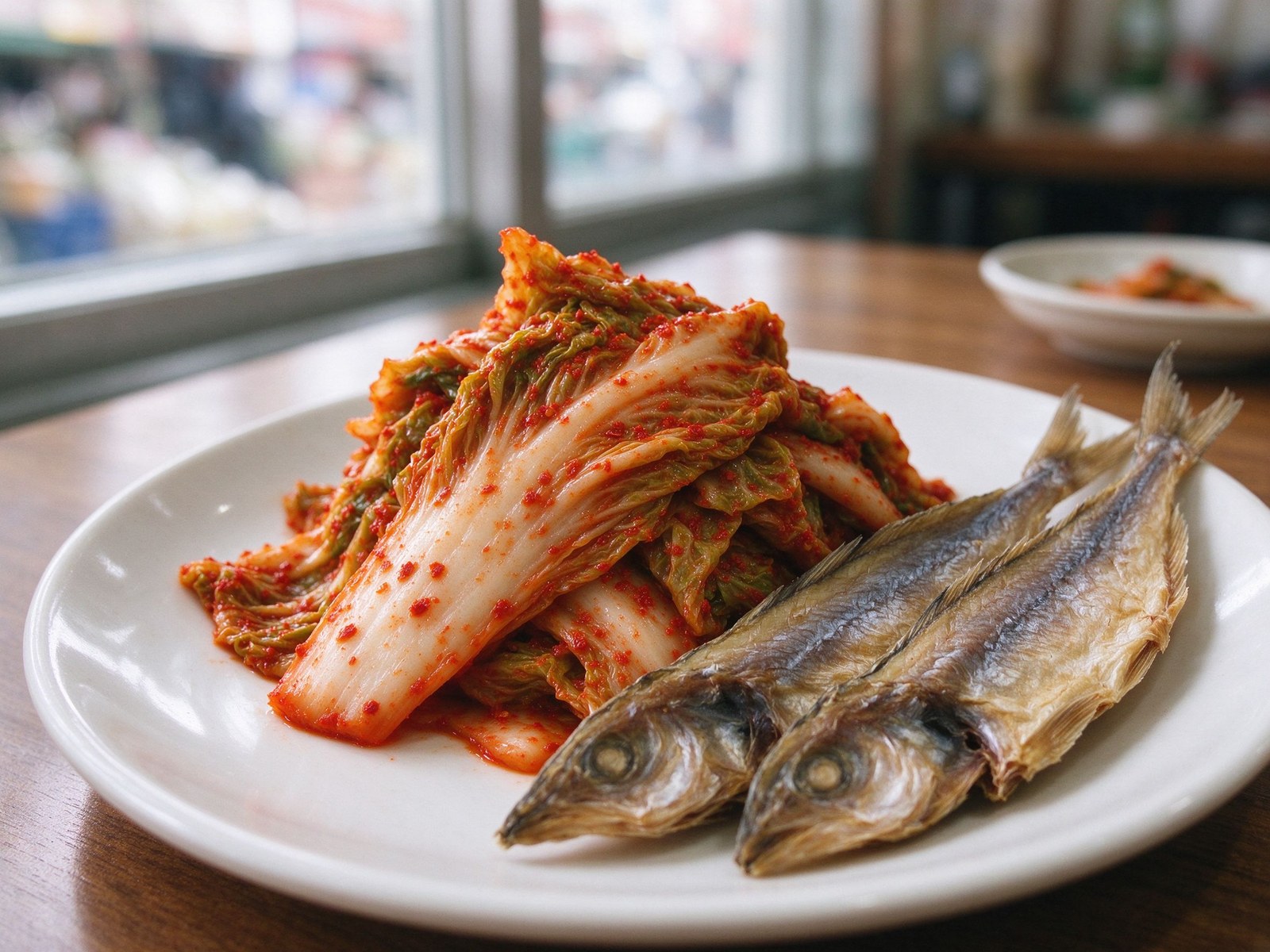
  2. Day 2 morning: West Market (Xishichang)—1st floor kimchi, dried pollack, fresh tteok and makgeolli, vacuum-packed to take away; upper floors clothing/accessories
  3. Day 2 midday: old-brand Yanji cold noodles opposite Yanbian University; ordinary buckwheat cold noodles over the deluxe set
  4. Day 2 afternoon: Mao'er Mountain (Dinosaur) cultural resort—Dinosaur Museum and/or Dinosaur Kingdom theme park for families; or a quieter cafe in the University Town alleys

For food-and-photo travelers who want the West Market souvenir run and the Mao'er Mountain resort in the same trip.

3-day

3-day depth: slow Yanji + buffer for departure

  1. Day 1: Water Market → Yanbian Museum → folk-park hanbok → Mao'er sunset → neon wall
  2. Day 2: West Market souvenirs → cold-noodle lunch → Mao'er resort / dinosaur museum or cafe afternoon
  3. Day 3 morning: repeat the Water Market or a slow breakfast of soup rice; pick up vacuum-packed kimchi and pollack for the trip home
  4. Day 3 midday: leave early—Yanji West HSR station and Chaoyangchuan Airport are both a short taxi/bus ride; allow buffer for real-name security

Adds a slower read of the cafe and snack lanes, a repeat of the best meal, and a relaxed departure buffer.

6

Food & what to buy

Eat where locals queue: the Dongfang Water Market at dawn, iced buckwheat cold noodles opposite Yanbian University, tabletop Korean-Chinese BBQ, and makgeolli rice wine. For souvenirs, buy vacuum-packed kimchi, dried pollack (myeongtae) and fresh tteok at West Market—compare price per 500 g, not per box. Skip the gift boxes stacked at the folk-park exit; markup peaks where tour coaches unload.

  • Vacuum-packed kimchi (辣白菜)—buy at West Market 1st floor or the Water Market; check the production date and keep it cool. It travels best in a sealed bag.
  • Dried pollack (明太鱼)—a Yanbian staple; buy whole or shredded, compare per 500 g. Light, shelf-stable and a true local gift.
  • Hand-pounded tteok (打糕)—fresh at the morning market; eat within a day or two, it hardens fast. Ask for a small portion first.
  • Makgeolli rice wine (米酒)—sold in glass bottles at markets; check ABV and drink chilled. Carry it carefully in your checked luggage.
  • Yanji cold noodles (冷面)—a meal, not a snack; order ordinary buckwheat over the deluxe set at old shops opposite the university. Go early, they close ~20:30.
  • Korean-ethnic snacks (sundae rice blood sausage, fish cakes, banchan sides)—sample at the Water Market; buy vacuumed banchan packs at West Market to take home.
7

Getting there & tips

Best time: May–June and September–October are best—mild, green or golden. Winter (Dec–Feb) is off-peak and cheap but very cold; the folk park runs a night light show. Summer (Jul–Aug) is peak and hot; the museum's extended 9:00–18:00 summer hours help. · Continental monsoon: short, warm summers (to ~30°C), long, dry, very cold winters (−15 to −25°C), and a crisp, short autumn. Snow is reliable from late November through March.

No metro—the city centre is compact and walkable. Buses cost ¥1–2 (Alipay QR); the museum is served by routes 28 (Yanbian Museum stop), 9, 12 and 39 per its official notice. Mao'er Mountain and the folk park are a short bus or Didi ride; taxis start around ¥5. Yanji West (延吉西站) is the HSR station on the Changchun–Hunchun line, a short taxi/bus from the centre. Chaoyangchuan Airport (YNJ) is close to town—about a 10–15 minute taxi ride. Real-name security applies; arrive early with your passport. City-bus routes to the HSR station change, so confirm on the day.

Yanji visitor handbook

Payments

Chain stores, malls and buses (Alipay/WeChat QR) work with a bound foreign card, but morning-market stalls and small snack shops still prefer cash. Keep ¥200–300 in small notes; for taxis, show the driver the Chinese destination text from your map app—Yanji taxis start around ¥5.

Morning market & Monday traps

The Water Market only runs roughly 05:00–09:00—arrive before 06:30 or it is gone. Yanbian Museum is closed Mondays (except statutory holidays) and stops entry early (16:00 summer, 15:30 winter); do not plan the museum for a late afternoon.

Bilingual etiquette

Hangul is a living language here, not a photo prop—pointing or laughing at signs is disrespectful. At the museum, no flash and ask before photographing staff; hanbok-rental shops may have rules on where costumes may be worn on site—ask before you leave the shop.

Winter cold & trail safety

December–February runs well below freezing with strong heating indoors; layer up and wear non-slip boots—Mao'er's boardwalk ices over. Descend before dark in winter; mosquitoes are the summer complaint instead. Carry your passport/ID for free museum real-name entry.

Getting around

Yanji has no metro; the city centre is compact and walkable between the university district, West Market and department-store area. Buses run ¥1–2 (Alipay QR); Mao'er Mountain and the folk park are served by local bus (e.g. route 30 per listings) or a short Didi. Confirm the exact route on the day—listings vary.

Connectivity & ID

Hotels and cafes have fast Wi-Fi; buy a local data SIM or use eSIM on arrival. Keep your passport handy for museum real-name entry and HSR security (Yanji West station). Tumen River border viewpoints are a day trip, not part of the city—do not wander toward the border without an organized route.

Getting around

No metro—the city centre is compact and walkable.

Navigation

Buses cost ¥1–2 (Alipay QR); the museum is served by routes 28 (Yanbian Museum stop), 9, 12 and 39 per its official notice.

Pay

Metro, stalls, and rides mostly take Alipay or WeChat. Set up Alipay with a foreign card before you land.

Show this

Show the Chinese name “延吉” to drivers and staff. It beats a long English explanation.

MetroNo metro—the city centre is compact and walkable. Buses cost ¥1–2 (Alipay QR); the museum is served by routes 28 (Yanbian Museum stop), 9, 12 and 39 per its official notice. Mao'er Mountain and the folk park are a short bus or Didi ride; taxis start around ¥5. Yanji West (延吉西站) is the HSR station on the Changchun–Hunchun line, a short taxi/bus from the centre. Chaoyangchuan Airport (YNJ) is close to town—about a 10–15 minute taxi ride. Real-name security applies; arrive early with your passport. City-bus routes to the HSR station change, so confirm on the day.
BusNo metro—the city centre is compact and walkable. Buses cost ¥1–2 (Alipay QR); the museum is served by routes 28 (Yanbian Museum stop), 9, 12 and 39 per its official notice. Mao'er Mountain and the folk park are a short bus or Didi ride; taxis start around ¥5. Yanji West (延吉西站) is the HSR station on the Changchun–Hunchun line, a short taxi/bus from the centre. Chaoyangchuan Airport (YNJ) is close to town—about a 10–15 minute taxi ride. Real-name security applies; arrive early with your passport. City-bus routes to the HSR station change, so confirm on the day.
Taxi / DidiDidi or a licensed taxi is the simplest door-to-door. Set destination to “延吉” and pay in-app with Alipay/WeChat.

Yanji hotels, transfers & popular bookings

Book tickets, transfers, and popular tours via partners first — then request deeper local experiences through ChinaPie.

Disclosure: Some links are affiliate links. ChinaPie may earn a commission on eligible bookings at no extra cost to you.

Prices shown are planning references only. Actual rates fluctuate with season, holidays, demand, and partner promotions — the price at checkout on the booking site is authoritative.

8

Yanji FAQ & next step

Conversion stays soft — clear next steps: plan or request.

Is Yanji safe for tourists?

Yes for typical tourist areas. Keep phones and bags secure on metro and in crowded night spots; use licensed taxis or Didi.

Do I need a visa to visit Yanji?

Depends on your passport. Check ChinaPie Plan & Prep → Visa for 30-day visa-free and 240-hour transit options before booking.

Can I use Alipay in Yanji?

Yes—foreigners can set up Alipay with passport + international card. See /prep/alipay-setup for the step-by-step guide.

How do I get to Yanji, and do I need a border permit for the Korean-ethnic sights?

No border permit is needed for Yanji city itself—its Korean-ethnic culture is a settled daily culture, not a closed zone. Arrive by HSR at Yanji West station on the Changchun–Hunchun line, or fly to Chaoyangchuan Airport (YNJ), both a short taxi from the centre. Organized day trips to Tumen River viewpoints are separate; do not approach the border unescorted.

Is Yanbian Museum free, and when is it closed?

Yes, it is free with a valid ID (passport accepted). Open Tue–Sun: summer 9:00–16:30 (last entry 16:00), winter 9:00–16:00 (last entry 15:30), closed Mondays except statutory holidays. From 27 May 2026 it posted an extended summer window to 18:00 (last entry 17:30)—check the official notice for your date. Allow 2–3 hours.

When is the Dongfang Water Market, and what should I eat there?

It runs only in the early morning, roughly 05:00–09:00, and stalls pack up by ~09:00—arrive before 06:30. Eat sundae (glutinous-rice blood sausage), hand-pounded tteok, soup rice, fresh kimchi and dried pollack. Mostly cash; small bills only. It is the single best food stop in Yanji.

Is the folk park worth it if I do not plan to rent hanbok for photos?

If photography is not the goal, the ~40 traditional-style buildings and folk street are still a compact, walkable ethnic-culture stop with evening performances and a light show, but ticket value drops without the hanbok rental. Adult ticket runs about ¥27–30 (platform reference; concession ~¥15). Skip it if you are short on time and spend the afternoon on Mao'er Mountain instead, which is free.

Which countries are visa-free for China in 2026?

China offers unilateral visa-free entry to 40+ countries including France, Germany, UK, Japan, South Korea, Singapore, Malaysia, Thailand, Italy, Spain, Netherlands, Switzerland, Sweden, Norway, Denmark, Finland, Belgium, Austria, Ireland, Portugal, Greece, and more. Stay: up to 30 days. IMPORTANT: US passport holders are NOT on the unilateral visa-free list and need a visa. Check latest list at China Immigration official site before travel.

How many days do I need in Yanji?

Most first-timers do well with 1–3 days. Start with the 1-day core: market, museum, folk park, neon wall, then expand to 2–3 days if you want slower food and culture. Use Plan this city to turn stops into a workable week.

Can I pay with a foreign card in Yanji?

Foreign cards work more often via Alipay / WeChat Pay tourist modes and some metro apps, but coverage still varies by merchant. Keep a small cash float and set payment apps up before peak sightseeing. See the practical section on this hub for city-specific notes.

Plan this city
YanjiCity hub
Plan